The Survival of the Rothschild’s Giraffes
November 25, 2026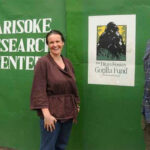
Karisoke Research Center: Rwanda Gorilla Safaris and Dian Fossey’s Conservation Legacy
November 25, 2026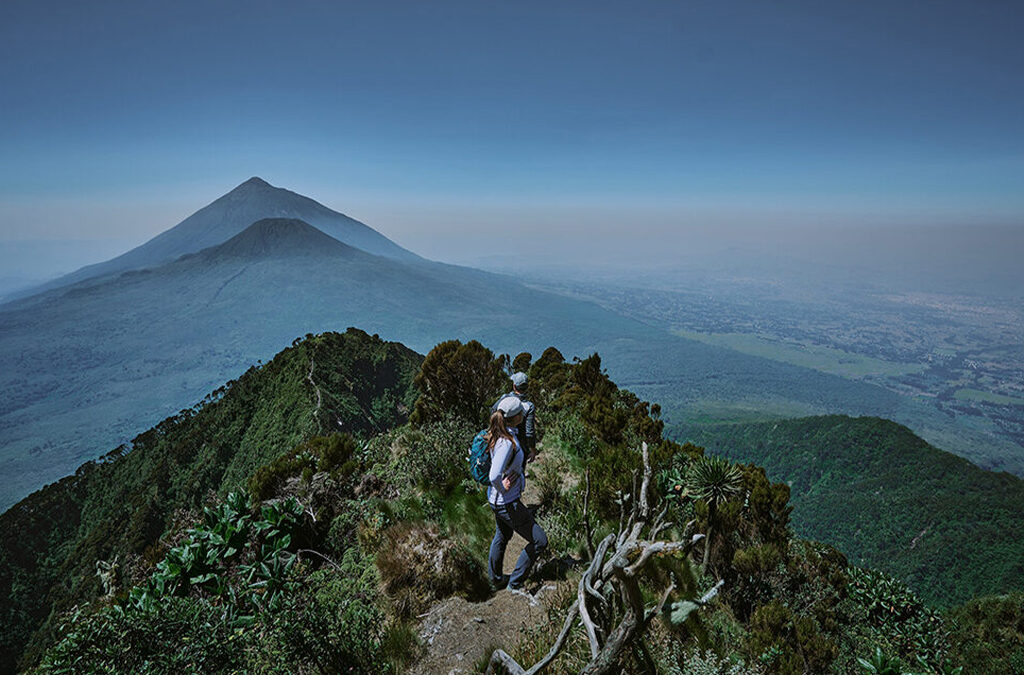
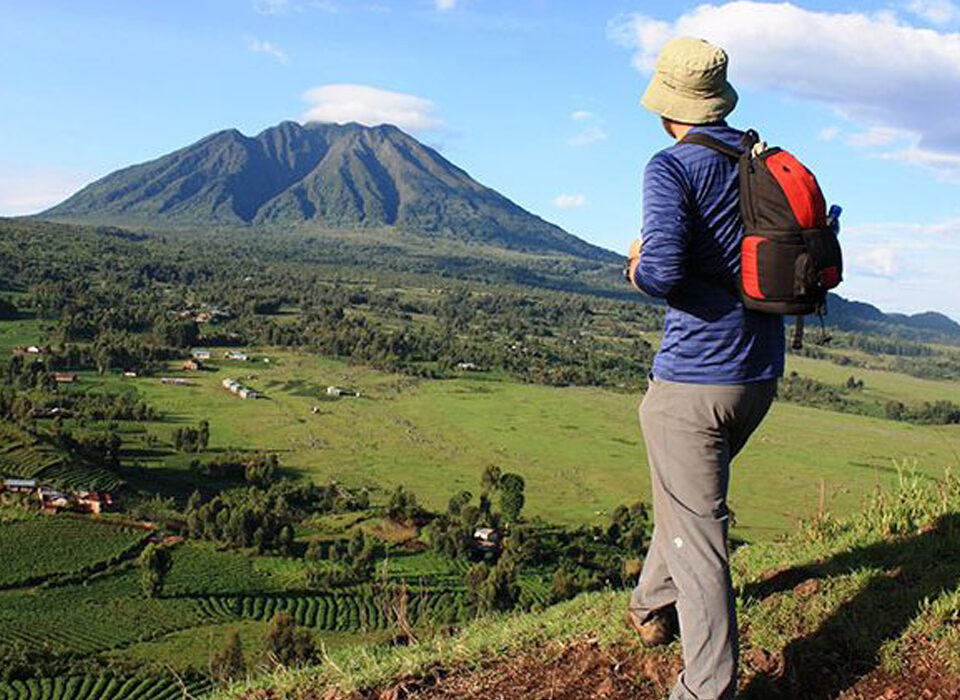
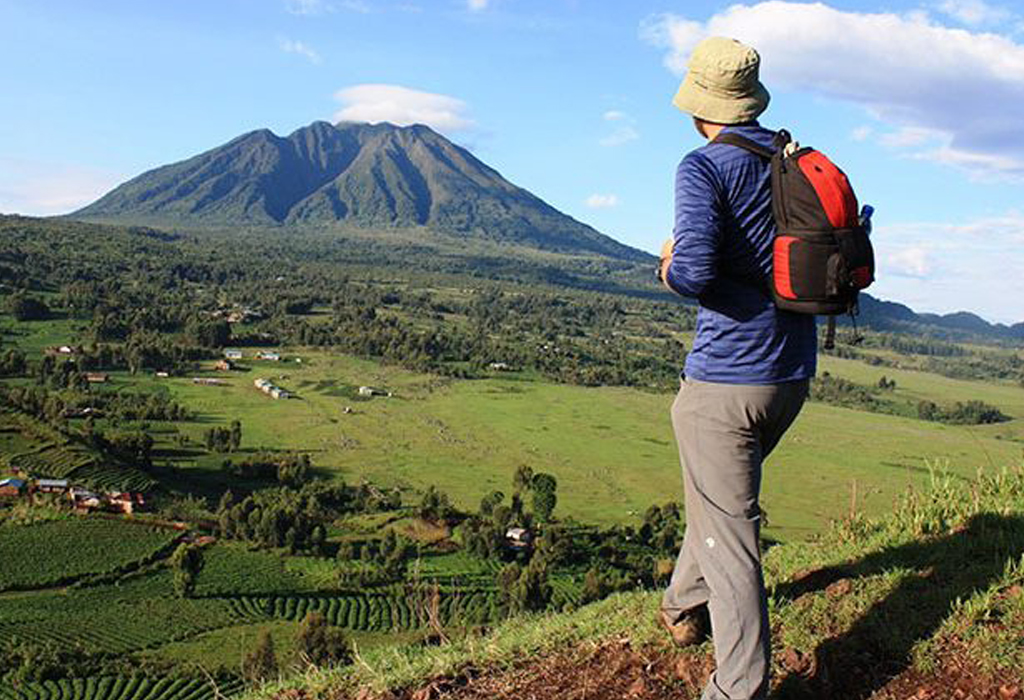
The Virunga Mountains are among East Africa’s most remarkable natural attractions, offering an extraordinary combination of volcanic landscapes, tropical rainforests, rare wildlife and breathtaking mountain scenery. Stretching across Uganda, Rwanda and the Democratic Republic of Congo (DR Congo), this spectacular mountain range forms part of the Albertine Rift Valley and attracts nature enthusiasts, mountain climbers, birdwatchers and wildlife lovers from around the world.
The Virunga Mountains, also known as the Virunga Massif, comprise eight major volcanoes, some of which rise above 4,000 metres. Their forest-covered slopes provide important habitats for endangered mountain gorillas and golden monkeys, making the region one of Africa’s most rewarding destinations for primate experiences.
Beyond wildlife encounters, visitors can enjoy challenging volcano hikes, guided nature walks, birdwatching, cultural experiences and scenic photography. Local communities, including the Batwa, also contribute to the region’s cultural richness through traditional knowledge, storytelling, music and dance.
At Experiya Tour Company, we encourage travellers to explore these extraordinary landscapes responsibly while discovering the natural beauty and cultural heritage shared by the three countries.
1. Where Are the Virunga Mountains Located?
The Virunga Mountains lie along the borders of Uganda, Rwanda and the Democratic Republic of Congo, between Lake Edward and Lake Kivu. They form part of the Albertine Rift, a region recognised for its exceptional biodiversity and dramatic geographical features.
Each country protects a section of this mountain ecosystem through important conservation areas:
- Uganda: Mgahinga Gorilla National Park protects the Ugandan slopes of Mount Muhabura, Mount Gahinga and Mount Sabinyo.
- Rwanda: Volcanoes National Park protects several volcanoes and important mountain gorilla and golden monkey habitats.
- DR Congo: Virunga National Park protects extensive mountain forests, volcanic landscapes and wildlife habitats.
The word Virunga originates from the Kinyarwanda word ibirunga, meaning volcanoes. Therefore, the name reflects the volcanic character of this extraordinary landscape.
2. The Virunga Massif Has Eight Major Volcanoes
One of the most fascinating facts about the Virunga Mountains is that the massif contains eight major volcanoes. These mountains differ in elevation, shape, geological history and hiking difficulty.
Although some volcanoes remain active, others are dormant or extinct. Mount Nyiragongo and Mount Nyamuragira are particularly well known for their volcanic activity.
The eight major volcanoes include:
- Mount Karisimbi – 4,507 metres.
- Mount Mikeno – 4,437 metres.
- Mount Muhabura – 4,127 metres.
- Mount Bisoke – 3,711 metres.
- Mount Sabinyo – 3,669 metres.
- Mount Gahinga – approximately 3,474 metres.
- Mount Nyiragongo – 3,470 metres.
- Mount Nyamuragira – approximately 3,058 metres.
Each mountain offers a different experience, from challenging high-altitude expeditions to rewarding day hikes through montane forests. However, access to some volcanoes depends on current conservation, security and park-authority regulations.
3. The Virunga Mountains Are Home to Endangered Mountain Gorillas
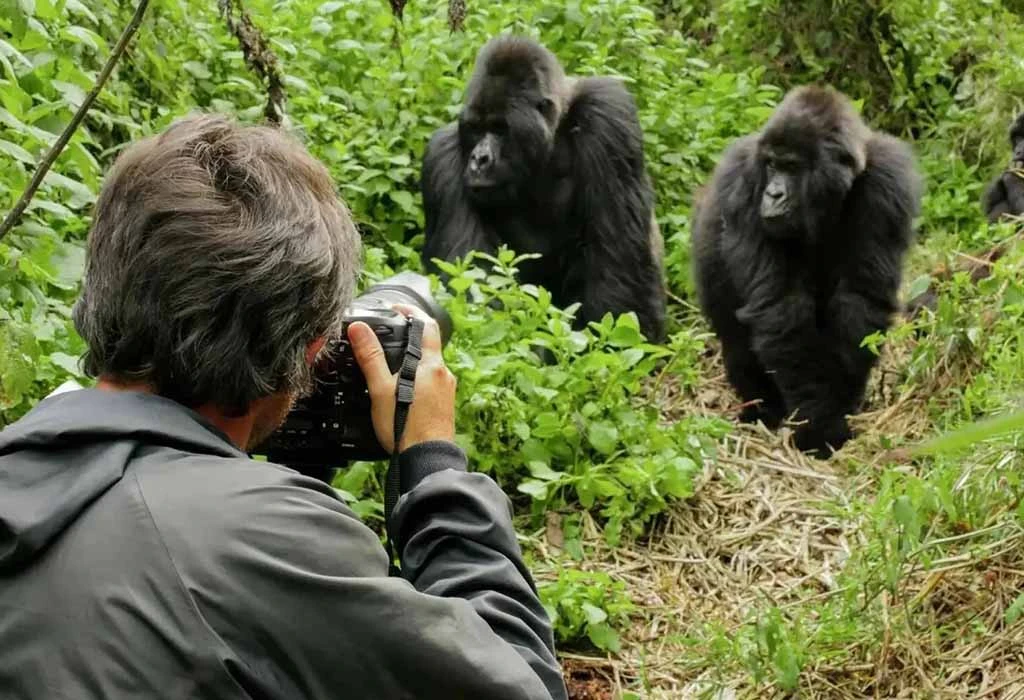
The Virunga Mountains are internationally famous for protecting endangered mountain gorillas. These gentle giants inhabit the dense forests along the volcanic slopes, particularly within Mgahinga Gorilla National Park, Volcanoes National Park and Virunga National Park.
Mountain gorillas live in social groups led by dominant silverbacks. Visitors who obtain the necessary trekking permits can join experienced park rangers and guides to search for habituated gorilla families in their natural habitat.
Gorilla trekking is a remarkable wildlife experience because it allows visitors to observe these primates as they feed, groom, play and interact with one another.
The experience generally involves:
- An early-morning briefing at the park headquarters.
- A guided hike through montane forests.
- Tracking a habituated gorilla family.
- Spending a strictly regulated period observing the gorillas.
- Returning to the starting point with park guides.
The Virunga region also shares important mountain gorilla conservation history with Bwindi Impenetrable National Park in southwestern Uganda.
4. Golden Monkeys Also Live in the Virunga Mountains
Besides mountain gorillas, the Virunga Mountains support another fascinating primate species: the golden monkey. These attractive monkeys are recognised by their golden-orange fur, expressive faces and energetic movements.
Golden monkeys are endemic to the Albertine Rift region and inhabit bamboo forests along the volcanic slopes. Their feeding habits largely involve bamboo shoots, leaves, fruits and other available vegetation.
Golden monkey trekking is available in two particularly popular destinations:
- Mgahinga Gorilla National Park, Uganda: Visitors can join guided golden monkey tracking experiences through bamboo forests.
- Volcanoes National Park, Rwanda: The park offers opportunities to observe habituated golden monkey groups in their natural environment.
Unlike mountain gorilla trekking, golden monkey tracking often involves following active groups as they move through the forest canopy and bamboo vegetation.
For travellers interested in combining different primate encounters, Experiya Tour Company can organise itineraries that include golden monkey tracking and mountain gorilla trekking, subject to permit availability.
5. Mount Karisimbi Is the Highest Volcano in the Virunga Mountains
Standing at approximately 4,507 metres (14,787 feet) above sea level, Mount Karisimbi is the highest volcano in the Virunga Mountains. It is also one of Africa’s highest volcanic peaks.
The name Karisimbi comes from the Kinyarwanda word amasimbi, meaning snow. Although snow is uncommon in tropical East Africa, the mountain sometimes experiences frost and occasional snow near its summit, particularly during colder periods.
Mount Karisimbi lies along the Rwanda–DR Congo border, within the greater Virunga conservation landscape. It is also close to the historic Karisoke Research Center, established by renowned primatologist Dian Fossey in 1967 to study and protect mountain gorillas.
For adventurous travellers, climbing Mount Karisimbi offers an opportunity to explore different vegetation zones, experience changing mountain temperatures and enjoy spectacular views of neighbouring volcanoes.
What to expect when hiking Mount Karisimbi:
- A challenging two-day mountain hiking experience.
- Overnight camping on the mountain.
- Beautiful views of surrounding volcanoes and forests.
- Opportunities to observe unique high-altitude vegetation.
- An experienced guide accompanying the hiking group.
The climb requires good physical fitness because of the steep terrain and high altitude. Travellers should also carry warm clothing, waterproof hiking boots, gloves, drinking water, snacks, rain protection and other essential equipment.
The hiking permit price should be confirmed with the relevant park authorities before booking.
6. Mount Mikeno Is One of the Most Challenging Virunga Peaks
Mount Mikeno rises approximately 4,437 metres (14,557 feet) above sea level, making it the second-highest volcano in the Virunga range. It is located entirely within Virunga National Park in the Democratic Republic of Congo.
The name Mikeno is commonly associated with the word meaning poor, referring to its rugged slopes and difficult living conditions. Unlike some neighbouring volcanoes, Mount Mikeno has particularly steep and challenging terrain.
Its forests provide important habitat for mountain gorillas and other wildlife. The mountain also forms part of the remarkable scenery surrounding the southern sector of Virunga National Park.
Historically, the area around Bukima has served as an important starting point for visitors exploring the park’s gorilla habitats. However, travellers should distinguish between the mountain’s geographical attractions and current tourism access.
Mount Mikeno is not a routine hiking destination, and its difficult terrain requires considerable preparation, specialist guidance and appropriate authorisation. Current security conditions and park restrictions must also be considered before planning any visit.
7. Mount Muhabura Offers Panoramic Views of Three Countries
Mount Muhabura, also written as Mount Muhavura, rises approximately 4,127 metres (13,540 feet) above sea level. It is the third-highest volcano in the Virunga Mountains and forms part of the border between Uganda and Rwanda.
The name Muhabura means the guide or sentinel, reflecting the mountain’s distinctive conical appearance, which makes it visible from considerable distances.
Visitors can climb Mount Muhabura through either Uganda’s Mgahinga Gorilla National Park or Rwanda’s Volcanoes National Park, subject to the relevant park arrangements.
The mountain offers a demanding full-day hiking experience. As hikers ascend, they pass through different vegetation zones before reaching the summit, where a crater lake creates a beautiful natural feature.
On a clear day, the summit provides impressive views of the surrounding Virunga volcanoes, neighbouring lakes and landscapes across Uganda, Rwanda and the Democratic Republic of Congo.
Mount Muhabura is particularly suitable for travellers who enjoy challenging hikes and want to experience the remarkable scenery of the Virunga region.
8. Mount Bisoke Has a Beautiful Crater Lake
Mount Bisoke, also known as Mount Visoke, stands at approximately 3,711 metres (12,175 feet). It lies along the Rwanda–DR Congo border, with its summit and famous crater lake located on the Rwandan side.
The mountain is one of the most popular hiking destinations in Rwanda because it offers a rewarding mountain adventure without requiring an overnight camping expedition.
The highlight of the hike is the beautiful crater lake at the summit. After climbing through dense montane forest and changing vegetation zones, hikers reach the top, where they can enjoy impressive views of the surrounding volcanic landscape.
The Mount Bisoke hike generally takes one day, although the duration depends on weather conditions, trail conditions and individual fitness levels.
Other attractions along the route include:
- Montane rainforest and bamboo vegetation.
- Beautiful volcanic landscapes.
- Birdlife and other forest wildlife.
- Spectacular views of neighbouring mountains.
- The scenic crater lake at the summit.
The dry periods are generally more favourable for hiking because the trails become less muddy. Nevertheless, mountain weather can change quickly, so suitable clothing and proper footwear remain essential.
9. Mount Sabinyo Has Three Jagged Peaks
Mount Sabinyo, also spelled Sabyinyo, rises approximately 3,669 metres (12,037 feet) above sea level. Its name means Old Man’s Teeth, inspired by the mountain’s unusual jagged summit, which resembles an old person’s worn teeth.
The mountain is particularly interesting because it stands at the meeting point of Uganda, Rwanda and the Democratic Republic of Congo. Its summit area marks the convergence of the three countries’ borders.
However, the most established hiking route approaches the mountain from Uganda through Mgahinga Gorilla National Park.
Climbing Mount Sabinyo is a rewarding adventure for visitors who enjoy challenging mountain trails. The route features steep slopes, wooden ladders, muddy sections and narrow ridges.
One of the most exciting aspects of reaching the summit is the opportunity to stand near the point where three countries meet.
Other activities around Mount Sabinyo include:
- Mountain gorilla trekking.
- Golden monkey tracking.
- Guided nature walks.
- The Batwa cultural trail.
- Exploring the Garama Cave.
Mount Sabinyo is an excellent addition to a Uganda safari, particularly for travellers who want to combine mountain hiking with primate experiences.
10. Mount Gahinga Is the Smallest of the Three Ugandan Virunga Volcanoes
Mount Gahinga stands at approximately 3,474 metres (11,398 feet) above sea level. It is one of the three volcanoes protected within Uganda’s Mgahinga Gorilla National Park, alongside Mount Sabinyo and Mount Muhabura.
The name Gahinga comes from a local Kinyarwanda word referring to a small pile of stones or volcanic stones cleared from farmland.
Compared with the neighbouring Muhabura and Sabinyo, Mount Gahinga generally offers a less demanding hiking experience. Nevertheless, visitors still need reasonable fitness, proper hiking equipment and guidance from park-authorised personnel.
The mountain’s slopes contain bamboo forests and other vegetation that support several wildlife species, including golden monkeys.
Hikers can enjoy beautiful forest scenery, fresh mountain air and opportunities to observe the rich biodiversity of Mgahinga Gorilla National Park.
Combining a Mount Gahinga hike with golden monkey tracking or a Batwa cultural experience creates an interesting itinerary for travellers exploring southwestern Uganda.
11. Mount Nyiragongo Is Famous for Its Lava Lake
Mount Nyiragongo rises approximately 3,470 metres (11,380 feet) above sea level and is one of the most famous active volcanoes in Africa. It is located inside Virunga National Park in eastern Democratic Republic of Congo, close to Goma town and Lake Kivu.
The mountain is internationally recognised for its enormous summit crater, which has historically contained one of the world’s largest and most active lava lakes.
Nyiragongo has experienced several major eruptions, including devastating eruptions in 1977, 2002 and May 2021. Its 2021 eruption caused extensive destruction and affected communities around Goma.
The volcano is particularly interesting to geologists because of its unusually fluid lava, which can travel rapidly during eruptions.
Historically, adventurous travellers visited Mount Nyiragongo to hike to its summit and observe the glowing lava lake from the crater rim. However, tourism access is subject to official park announcements, security conditions and volcanic activity. Travellers should check the latest official information before considering any visit.
12. Mount Nyamuragira Is Another Active Volcano
Mount Nyamuragira, also known as Nyamulagira, is another important volcano in the Virunga region. It rises approximately 3,058 metres (10,033 feet) above sea level and lies northwest of Mount Nyiragongo in the Democratic Republic of Congo.
Unlike the steep-sided Nyiragongo, Nyamuragira is a broad shield volcano characterised by relatively gentle slopes formed by successive lava flows.
It is among Africa’s most active volcanoes and has experienced numerous eruptions throughout its geological history. Its volcanic activity has contributed to the formation of extensive lava fields and other interesting geological features.
Although the surrounding landscape is fascinating, access to the volcano requires careful consideration of safety regulations, geological activity and current security conditions.
Together, Nyamuragira and Nyiragongo demonstrate the remarkable geological forces that shaped the Virunga Mountains.
13. The Virunga Mountains Support Exceptional Birdlife and Biodiversity
The Virunga Mountains are not only important for primates and volcanic landscapes. They also support remarkable biodiversity, including numerous bird species, mammals, reptiles, amphibians and unique plant communities.
The forests and surrounding ecosystems provide habitats for several species associated with the Albertine Rift, making the region an exciting destination for birdwatching and nature exploration.
Some wildlife visitors may encounter includes:
- Mountain gorillas.
- Golden monkeys.
- Forest elephants.
- Black-and-white colobus monkeys.
- Various Albertine Rift bird species.
Birdwatchers can explore bamboo forests, montane woodlands, open grasslands and other habitats while searching for interesting forest species.
The changing vegetation along the volcanic slopes also makes the Virunga Mountains particularly attractive to nature photographers and researchers.
14. The Batwa People Have a Deep Cultural Connection to the Virunga Forests
Beyond their natural attractions, the Virunga Mountains have a rich cultural history. The Batwa people, traditionally associated with the forests of southwestern Uganda and neighbouring areas, have a longstanding connection with these mountain ecosystems.
For generations, Batwa communities depended on forest resources for food, shelter, medicine and other aspects of daily life.
Today, visitors can participate in organised cultural experiences that introduce them to Batwa history, traditional knowledge, music, dance and storytelling.
In Uganda, the Batwa Trail experience near Mgahinga Gorilla National Park provides an opportunity to learn about their traditional forest lifestyle and cultural heritage.
These experiences also encourage meaningful interactions with local communities and support community-based tourism initiatives.
Travellers should approach cultural visits respectfully, follow local guidance and support experiences organised with the participation of the communities themselves.
15. Best Time to Visit and Explore the Virunga Mountains
The Virunga Mountains can be explored throughout the year, but weather conditions influence hiking, gorilla trekking and other outdoor activities.
The region generally experiences two relatively drier periods:
- June to September: Often favourable for gorilla trekking, golden monkey tracking and volcano hiking.
- December to February: Another suitable period for outdoor activities, with comparatively lower rainfall.
The wetter months can bring slippery hiking trails, muddy roads and reduced visibility. However, the forests become particularly green and beautiful during this period.
Even during the dry seasons, temperatures decrease significantly at higher elevations. Therefore, travellers should prepare for changing mountain conditions.
Essential items to pack include:
- Waterproof hiking boots.
- Warm clothing and thermal layers.
- Waterproof jackets and trousers.
- Gardening gloves for forest trekking.
- A comfortable daypack.
- Drinking water and energy snacks.
- Sunscreen and insect repellent.
- A walking stick for difficult trails.
- A camera and spare batteries.
For gorilla trekking, additional preparation may be necessary depending on the park’s requirements and the expected hiking conditions.
16. Explore the Virunga Mountains with Experiya Tour Company
Exploring the Virunga Mountains offers much more than climbing volcanoes. It provides an opportunity to discover some of East Africa’s most beautiful landscapes, encounter endangered wildlife and learn about the communities that have lived alongside these mountains for generations.
With Experiya Tour Company, travellers can organise memorable Uganda and Rwanda safari experiences featuring mountain gorilla trekking, golden monkey tracking, volcano hiking, birdwatching and cultural encounters.
Depending on your interests, available permits and travel schedule, your adventure can include:
- Uganda gorilla trekking: Encounter endangered mountain gorillas in Bwindi Impenetrable National Park or Mgahinga Gorilla National Park.
- Rwanda gorilla trekking: Explore the mountain gorilla habitats of Volcanoes National Park.
- Golden monkey trekking: Follow habituated golden monkey groups through the bamboo forests of Mgahinga or Volcanoes National Park.
- Volcano hiking: Discover Mount Sabinyo, Mount Gahinga, Mount Muhabura, Mount Bisoke and Mount Karisimbi.
- Batwa cultural experiences: Learn about the traditional forest heritage of the Batwa people.
- Birdwatching and nature walks: Explore the region’s remarkable biodiversity with experienced local guides.
Our safari experiences can be tailored to different budgets, travel durations and interests, whether you prefer a short gorilla trekking adventure or an extended Uganda and Rwanda wildlife holiday.
For safety and responsible tourism, activities in the Democratic Republic of Congo should only be considered when the relevant park authorities confirm that access is permitted and conditions are safe.
Conclusion: Discover the Extraordinary Beauty of the Virunga Mountains
The Virunga Mountains remain one of Africa’s most fascinating natural landscapes. From the snow-dusted heights of Mount Karisimbi to the jagged peaks of Mount Sabinyo and the remarkable forests protecting endangered mountain gorillas, every part of this volcanic region offers something special.
Whether you are interested in mountain climbing, gorilla trekking, golden monkey tracking, birdwatching or cultural exploration, the Virunga Mountains provide unforgettable opportunities to experience East Africa’s natural and cultural heritage.
With proper planning and responsible local guidance, a journey through Uganda and Rwanda’s Virunga landscapes can become one of the most rewarding African safari experiences.
Contact Experiya Tour Company to plan your Virunga Mountains adventure and discover the remarkable beauty of Uganda and Rwanda.