
Gorilla Safari in Uganda During the Rainy Season
August 27, 2026
Gorilla Trekking Duration in Uganda & Rwanda
August 27, 2026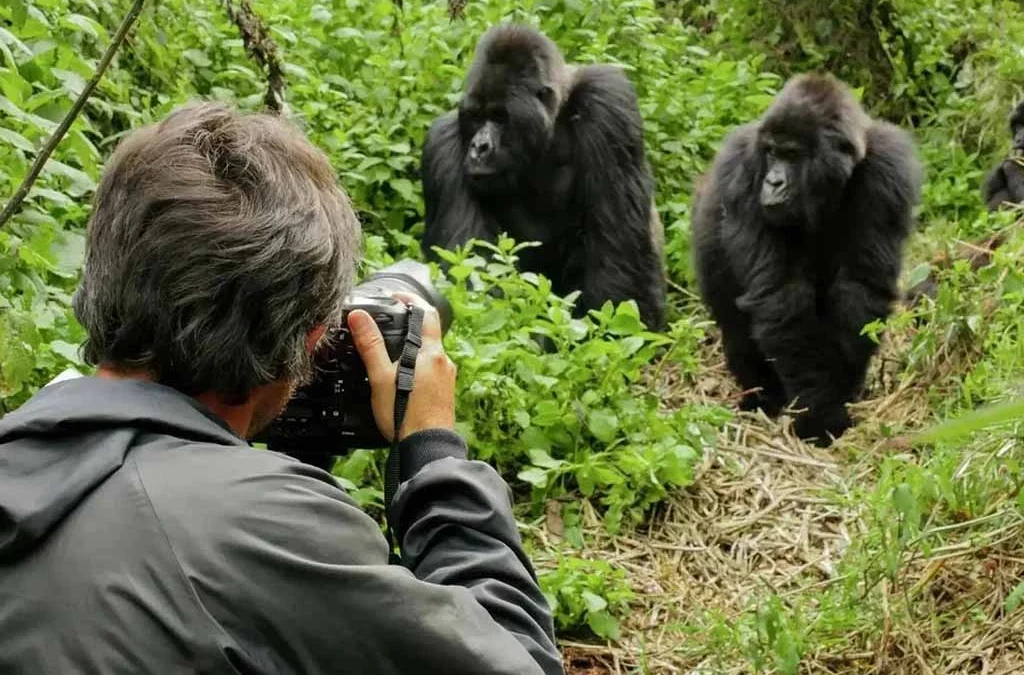
Gorilla trekking in Rwanda is one of the most unforgettable wildlife experiences in Africa. Deep in the misty forests of Volcanoes National Park, travelers hike through bamboo-covered slopes, dense vegetation, and rugged volcanic terrain in search of habituated mountain gorillas.
One of the most common questions travelers ask before booking a Rwanda gorilla safari is: How long does gorilla trekking take in Rwanda?
Generally, the trek can take between 2 and 6 hours, although the actual duration varies from one day to another. The time depends mainly on where the assigned gorilla family is located, the terrain, weather conditions, and the movements of the gorillas. Once you find the gorillas, you normally spend one hour observing them before beginning the journey back.
Therefore, you should plan to spend most of your morning and part of the afternoon on the experience rather than expecting a fixed two-hour activity.
What Happens During Gorilla Trekking in Rwanda?
Your gorilla trekking adventure usually begins early in the morning at the park headquarters in Kinigi, near Musanze. Trekkers normally gather for a briefing before heading into Volcanoes National Park.
During the briefing, park officials explain the trekking guidelines, safety precautions, and rules for interacting with mountain gorillas. You are then assigned a park guide and a gorilla family to track.
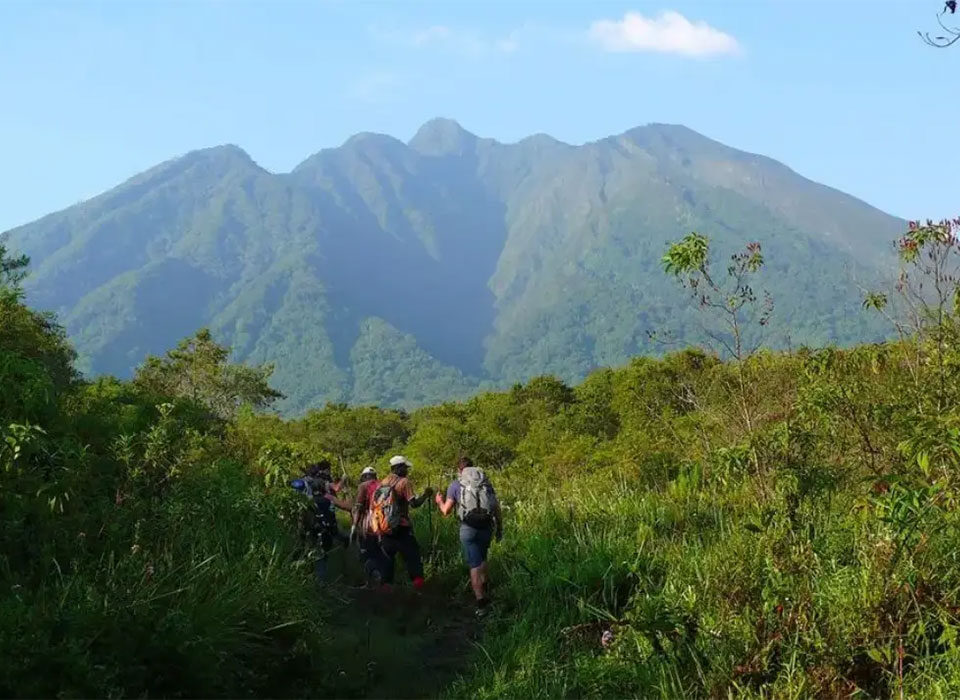
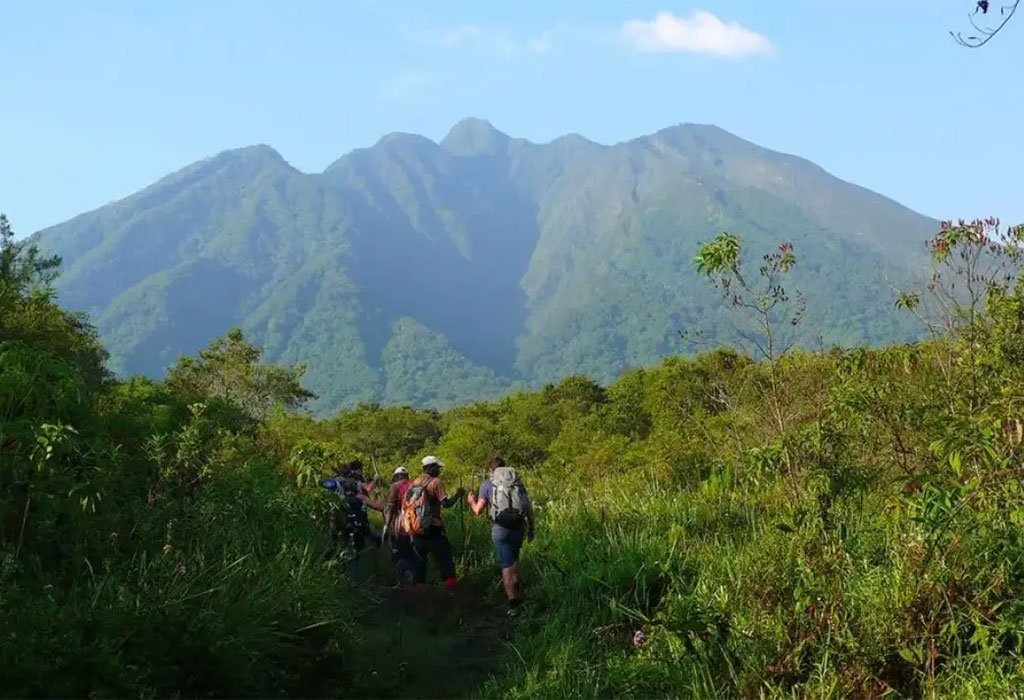
Afterward, you travel toward the starting point of your trek. The exact starting location can vary depending on the gorilla family assigned to your group. From there, the hike begins through the foothills and forests of the Virunga Mountains.
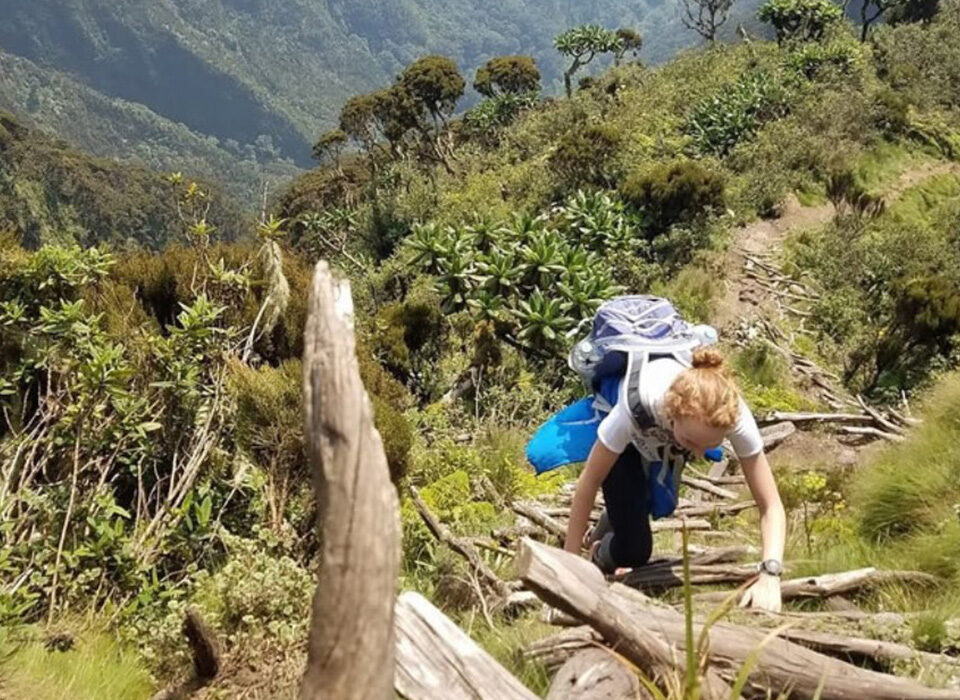
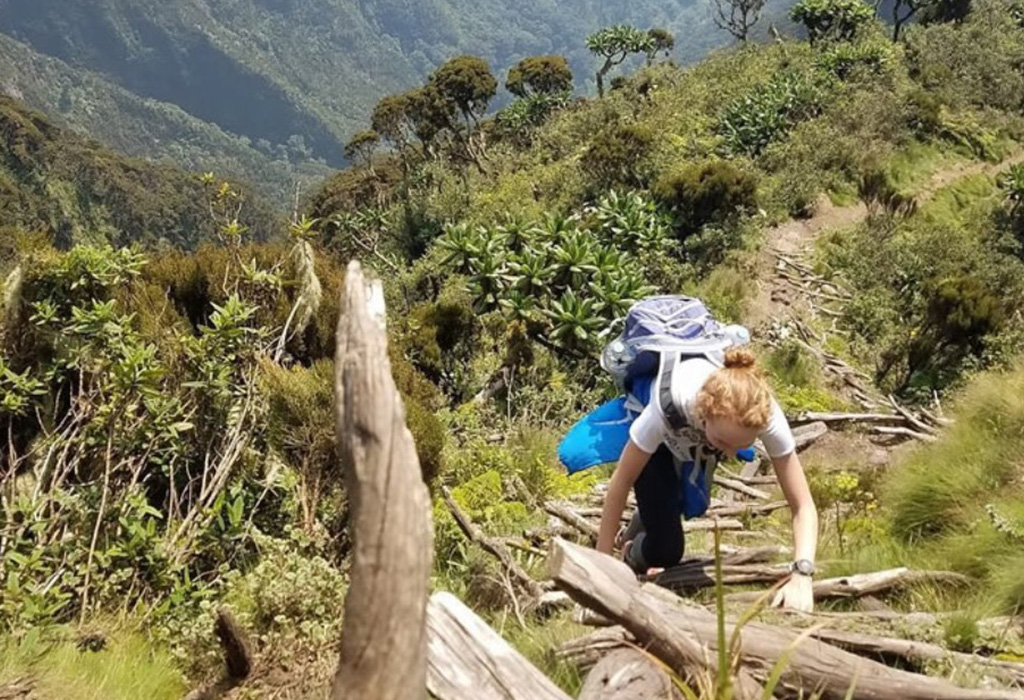
At first, the walk may take you through cultivated land and open areas. As you move higher, however, the landscape gradually changes. Dense vegetation, bamboo, vines, forest trails, and steep volcanic slopes become part of the experience.
Your guide and trackers lead the way while searching for signs left by the gorillas. They may examine footprints, broken vegetation, nests, feeding areas, or other clues that indicate the direction the gorilla family has taken.
Because gorillas move through the forest every day, there is no guaranteed trekking duration. You may find your assigned family after a relatively short hike, or you may need several hours of walking before reaching them.
How Long Do You Spend With the Gorillas?
Finding the gorillas is only part of the adventure. Once you locate the assigned habituated family, you normally have up to one hour with the gorillas.
This hour provides an extraordinary opportunity to observe their natural behavior from a respectful distance. You may see adults feeding, young gorillas playing, mothers caring for infants, or a dominant silverback watching over the family.
The forest can become surprisingly quiet during these encounters. You may hear leaves moving, birds calling from the canopy, or the occasional sound of a gorilla communicating with another member of the group.
Your guide also helps you understand what you are seeing. Instead of simply taking photographs, you learn about gorilla behavior, family relationships, feeding habits, communication, and social structure.
The one-hour encounter passes quickly. For many visitors, it becomes the most memorable part of their Rwanda safari.
Why Does Gorilla Trekking Take 2 to 6 Hours?
The biggest factor is the location of the gorilla family.
Mountain gorillas do not remain in one place. They move through the forest in search of food, resting places, and suitable areas for the group. Rangers and trackers monitor their movements, but the animals still determine where the day’s trek will lead.
Terrain is another important factor. Volcanoes National Park lies within the Virunga volcanic mountain range, so some trails involve steep climbs and uneven ground.
Weather can also affect your walking speed. Rain can make trails muddy and slippery, while dense vegetation may make some sections more challenging to navigate.
Your personal fitness level matters as well. Someone who regularly hikes may find the terrain easier than a traveler who rarely walks long distances.
For that reason, it is better to prepare for a full morning or several hours in the forest rather than planning your day around a specific return time.
Is Gorilla Trekking in Rwanda Difficult?
Gorilla trekking requires a reasonable level of physical fitness, but you do not need to be an experienced mountaineer.
The difficulty varies considerably. Some gorilla families may be relatively close to the park boundary, while others can require a longer and steeper hike.
The terrain can include muddy paths, slippery sections, thick vegetation, and steep slopes. You may also need to walk at a slow pace while following the trackers through areas without clearly defined trails.
Fortunately, experienced guides and trackers accompany visitors throughout the trek. They help you navigate the forest and maintain safe and respectful behavior around the gorillas.
If you have concerns about your fitness, discuss them with Experiya Tour Company before your trek. Proper preparation can make the experience much more comfortable.
Who Can Go Gorilla Trekking in Rwanda?
Rwanda generally allows visitors aged 15 years and above to participate in gorilla trekking.
Because mountain gorillas are susceptible to human illnesses, visitors should also be healthy when they participate in the trek. If you are experiencing symptoms of an infectious illness, you should inform your tour operator or park authorities before entering the forest.
This rule helps protect the gorillas, which can be vulnerable to diseases carried by humans.
How Many Gorilla Families Can You Track in Rwanda?
Volcanoes National Park is home to a significant population of endangered mountain gorillas. Several habituated gorilla families are available for tourism, allowing visitors to observe these remarkable primates under controlled conditions.
The number and composition of gorilla families can change over time as groups split, merge, or establish new territories. Therefore, travelers should avoid relying on outdated lists of family names or fixed numbers of tourism groups.
Park authorities assign visitors to specific gorilla families according to the operational arrangements for the day. Your tour operator can provide the latest information when arranging your permit and safari.
How Much Does a Rwanda Gorilla Trekking Permit Cost?
For international visitors, the standard Rwanda gorilla trekking permit is currently US$1,500 per person.
The permit gives you access to the gorilla trekking experience and includes the regulated visit with a habituated gorilla family. However, the permit is only one part of the overall safari cost.
You should also budget for accommodation, transportation, meals, guide services, travel insurance, and other activities you may include in your Rwanda itinerary.
Because permits are limited, it is wise to secure your permit before making final travel arrangements, especially if you plan to visit during a busy season.
When Is the Best Time for Gorilla Trekking in Rwanda?
You can go gorilla trekking in Rwanda throughout the year. However, many travelers prefer the relatively drier months of June to September and December to February.
During these periods, hiking conditions are often more manageable. Nevertheless, rainforests can experience rainfall at any time, so you should always prepare for wet conditions.
The wetter periods, particularly March to May and parts of October and November, can bring heavier rainfall. On the other hand, rainy conditions can make the forest exceptionally lush and may sometimes mean fewer visitors.
Ultimately, the best time depends on your priorities, budget, availability, and tolerance for wet hiking conditions.
What Should You Pack for Gorilla Trekking?
Good preparation can make a significant difference to your comfort in the forest.
Wear long trousers, a long-sleeved shirt, and sturdy waterproof hiking boots. A lightweight rain jacket or poncho is also essential because weather conditions can change quickly.
Bring a waterproof daypack containing drinking water, high-energy snacks, sunscreen, insect repellent, personal medication, and basic toiletries. A camera is highly recommended, but remember to switch off the flash when photographing gorillas.
You may also find gardening gloves useful for protecting your hands when moving through vegetation. A walking stick can provide additional support on steep or slippery trails, and you can usually obtain one locally.
How Do You Get to Volcanoes National Park?
Volcanoes National Park is one of the most accessible gorilla trekking destinations in the region. From Kigali, the drive to the Musanze area commonly takes around 2 to 3 hours, depending on road and traffic conditions.
This relatively short transfer makes it possible to combine gorilla trekking with other Rwanda experiences, including cultural activities, scenic drives, and visits to nearby attractions.
Travelers crossing into Rwanda from Uganda can also reach the Volcanoes region by road through the appropriate border crossing, depending on their itinerary and travel arrangements.
Make Your Rwanda Gorilla Trekking Experience Memorable
So, how long is gorilla trekking in Rwanda? Expect approximately 2 to 6 hours for the trek itself, followed by up to one unforgettable hour with the gorillas. Some treks finish sooner, while others take longer depending on the location and movement of the gorilla family.
Rather than focusing only on the number of hours, think of the trek as a complete forest adventure. You walk through the spectacular Virunga landscape, follow experienced trackers, discover signs of wildlife, and eventually come face to face with one of the world’s most remarkable primates.
With the right preparation, suitable clothing, a valid permit, and an experienced tour operator such as Experiya Tour Company, gorilla trekking in Rwanda can become one of the most rewarding experiences of your African safari.
The journey may challenge your legs, but the moment you finally stand quietly in the forest watching a mountain gorilla can make every step worthwhile.