What Animals Are in Volcanoes National Park
October 7, 2026
Things to Do and See in Pian Upe Wildlife Reserve
October 8, 2026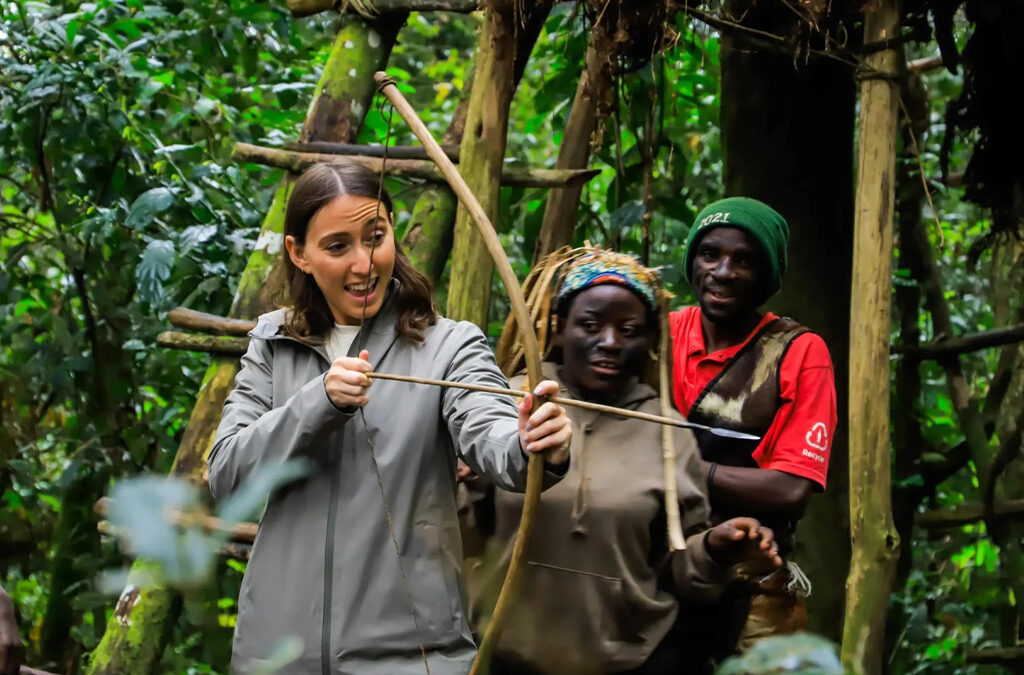
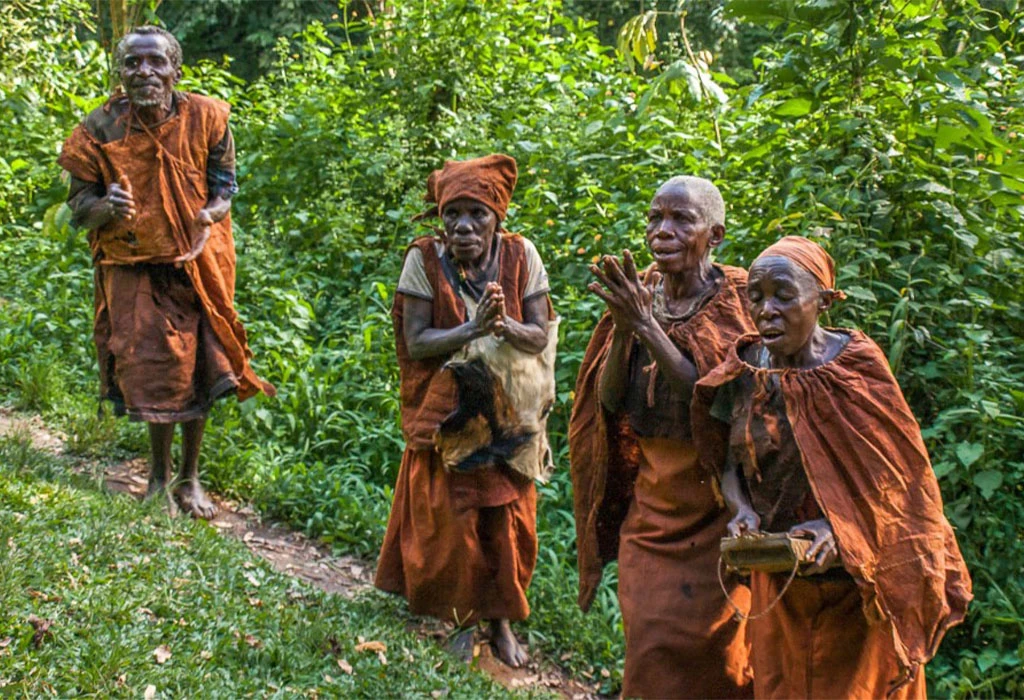
The Batwa Trail in Mgahinga Gorilla National Park offers one of the most meaningful cultural experiences in southwestern Uganda. Rather than simply observing the scenery around the Virunga Mountains, visitors get an opportunity to learn about the Batwa people, their traditions, and the close relationship they once maintained with the forest. For generations, the Batwa lived in the forests of the Virunga region, relying on their surroundings for food, medicine, shelter, and other basic needs.
Today, the Batwa Trail allows visitors to discover aspects of this traditional forest lifestyle through the stories and demonstrations of Batwa guides. The experience provides more than entertainment because it connects visitors with an important part of the cultural history of Mgahinga Gorilla National Park. At the same time, the activity creates an opportunity for Batwa community members to share their knowledge and earn income from tourism.
If you are planning a gorilla trekking safari in Mgahinga, adding the Batwa cultural trail in Mgahinga can make your journey more meaningful. The experience complements gorilla trekking by introducing you to the people and traditions associated with the forests surrounding the park.
Where Is the Batwa Trail Located?
The Batwa Trail in Mgahinga Gorilla National Park takes place in and around the forested landscape of Mgahinga in Kisoro District, southwestern Uganda. The park forms part of the larger Virunga conservation landscape and protects the slopes of three important volcanoes: Mount Muhabura, Mount Gahinga, and Mount Sabyinyo.
The Batwa have a long historical connection with this mountain forest. Before the establishment of modern conservation systems, they depended heavily on the forest for their daily survival. They hunted small animals, gathered fruits and plants, collected honey, and used different forest resources for shelter and medicine.
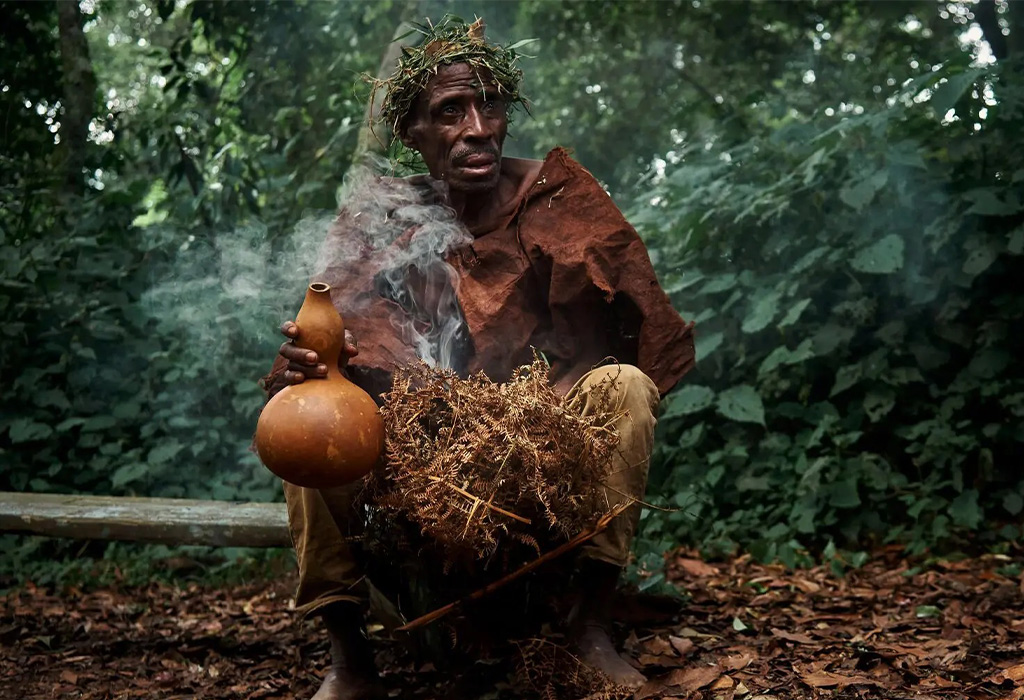
However, conservation policies eventually led to the removal of the Batwa from their traditional forest homes. As a result, many aspects of their former way of life changed considerably. The Batwa Trail now provides an opportunity to learn about this history directly from people whose communities have maintained knowledge of their traditional practices.
What Is the Batwa Trail Experience?
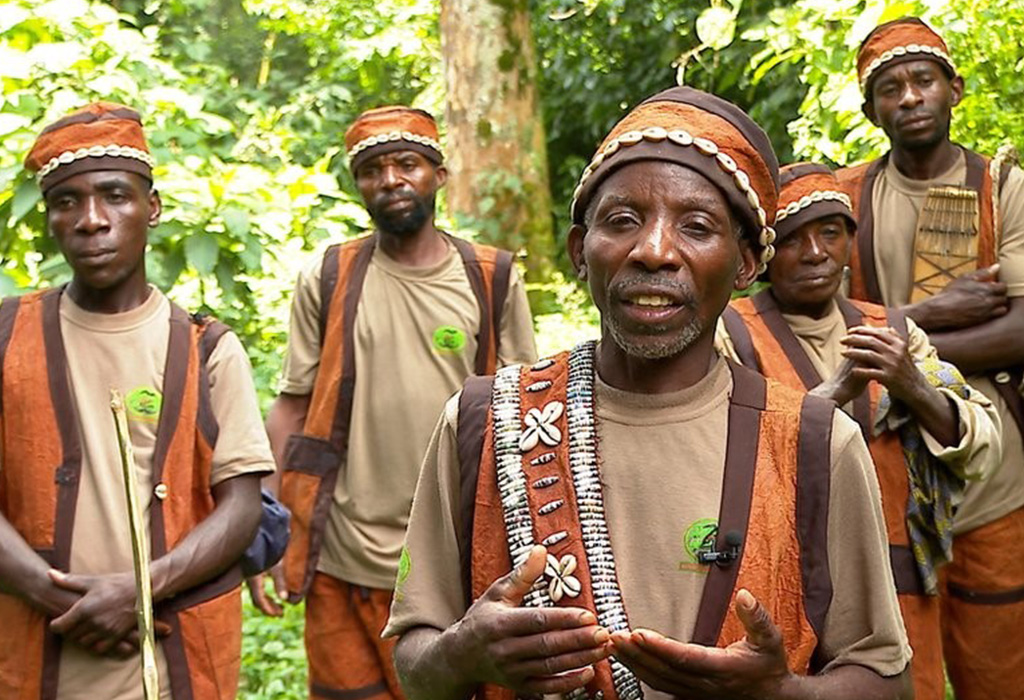
The Batwa cultural experience in Mgahinga is designed around storytelling, demonstrations, forest walks, and cultural performances. Batwa guides lead visitors along the trail while explaining how their ancestors used the forest and adapted to its environment.
Instead of presenting the culture only through displays, the guides demonstrate several traditional activities. This makes the experience interactive and easier to understand. As you walk through the forest, your guide explains the importance of different plants, traditional survival techniques, and cultural practices.
The experience usually takes several hours, allowing visitors enough time to listen to stories, observe demonstrations, and participate where appropriate. Therefore, it is a particularly good activity for travelers who want to combine wildlife tourism with cultural tourism in Uganda.
During the Batwa Trail, visitors can learn about:
- Traditional forest hunting and gathering practices.
- The use of medicinal plants and herbs.
- Traditional honey harvesting techniques.
- Methods of collecting and carrying water.
- Construction of traditional grass-thatched shelters.
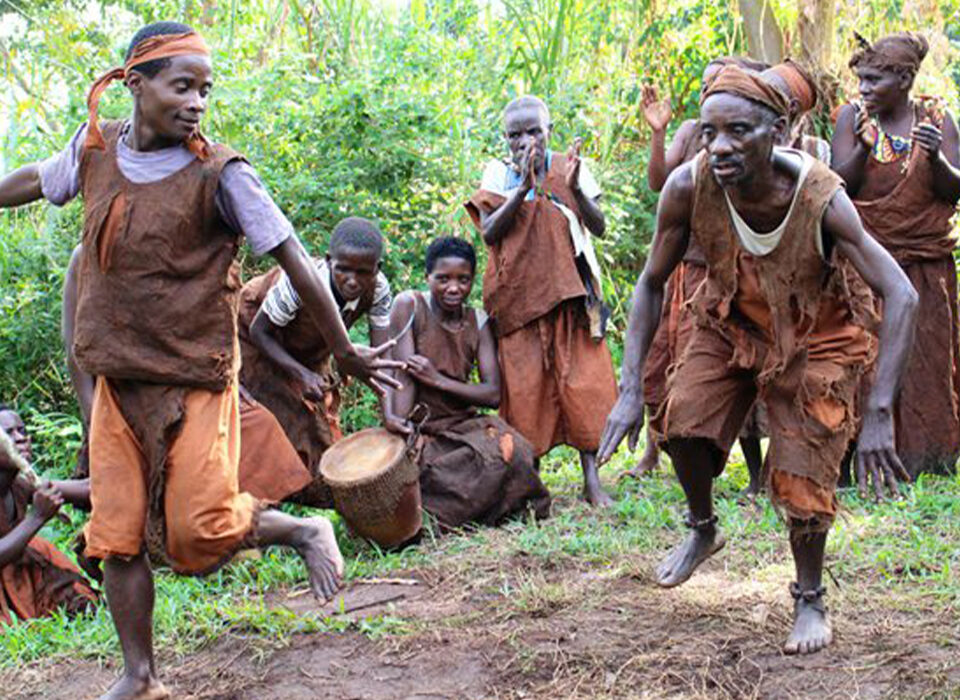
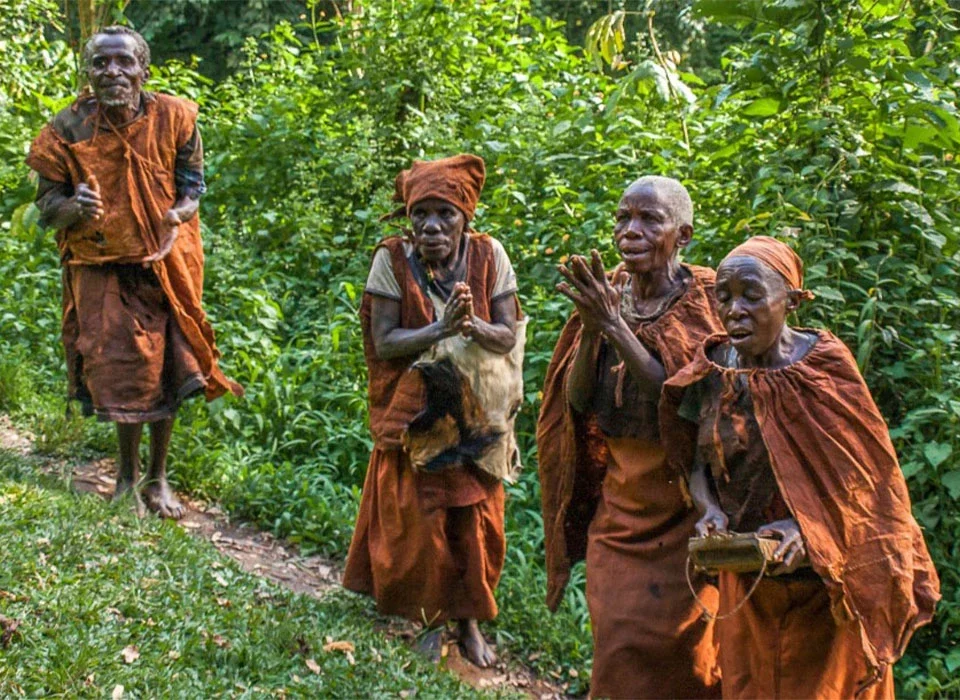
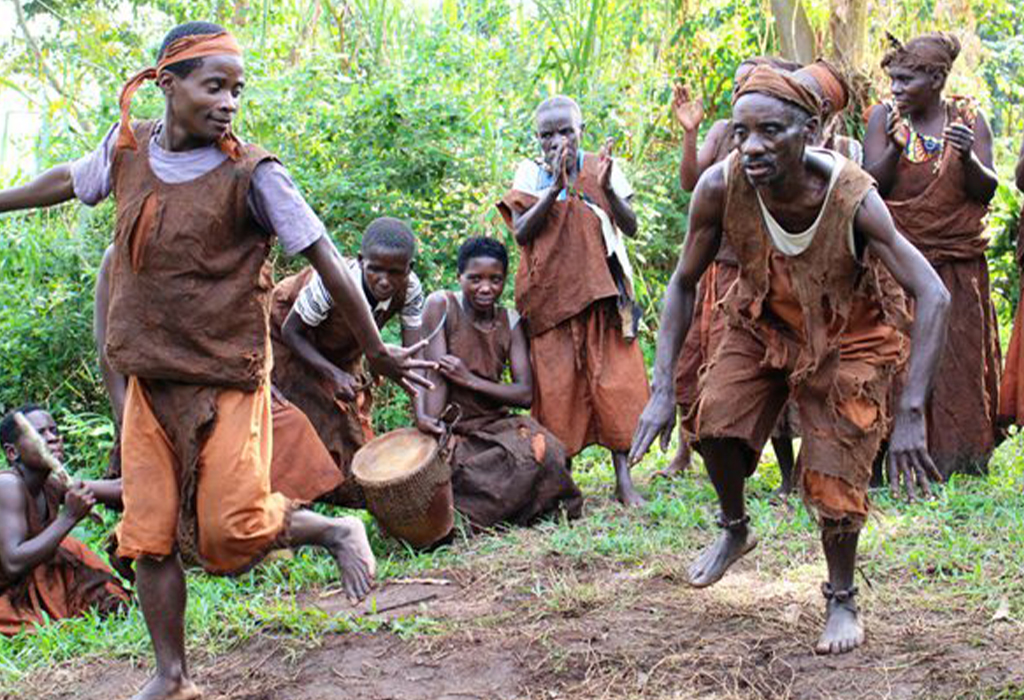
- Batwa stories, songs, dances, and cultural traditions.
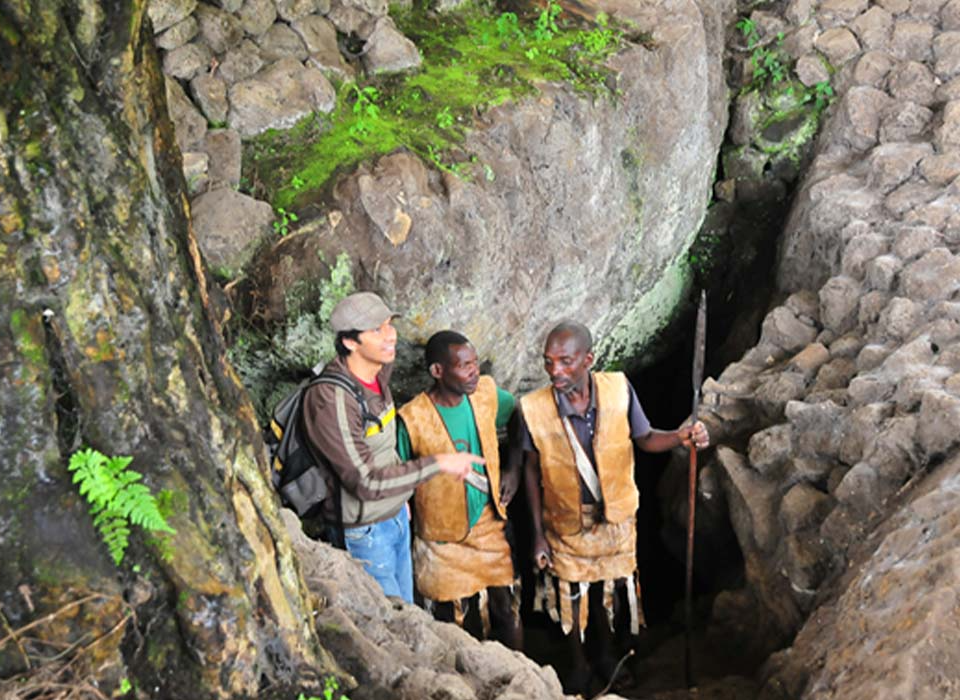
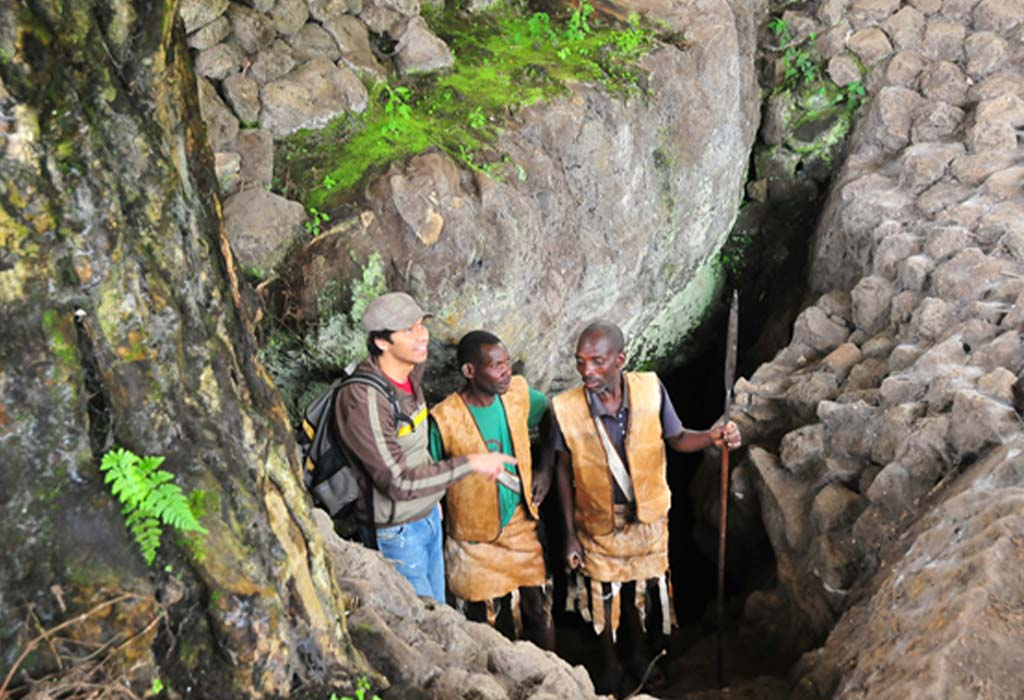
- The historical significance of Garama Cave.
History of the Batwa People in Mgahinga
Understanding the history of the Batwa makes the Batwa Trail in Mgahinga Gorilla National Park much more meaningful. The Batwa are among the indigenous forest peoples associated with the Great Lakes region of Central Africa. For generations, they lived in forest environments and developed extensive knowledge of the plants, animals, and natural resources around them.
The forest provided almost everything they needed. They hunted, gathered edible plants and fruits, collected honey, and used medicinal plants to treat different illnesses. They also developed traditional methods of constructing shelters and obtaining water.
When protected areas were established, including Mgahinga Gorilla National Park, the Batwa were no longer allowed to live in the forest as they had done before. This transition significantly changed their traditional way of life.
Consequently, the Batwa Trail serves as an important cultural platform. It allows Batwa community members to tell their own stories and demonstrate traditional knowledge that might otherwise become less visible to future generations.
What to Expect on the Batwa Trail
Your Batwa cultural trail in Mgahinga begins with a meeting with Batwa guides who introduce visitors to the experience. From there, the trail takes you through the forest while the guides explain how their ancestors interacted with the environment.
One of the most interesting aspects is the use of plants. Batwa guides can explain how particular plants were traditionally used for food, medicine, construction, or other purposes. Their knowledge demonstrates the depth of the relationship between the community and the forest.
The guides also demonstrate traditional hunting techniques. These demonstrations help visitors understand how forest communities obtained food before modern shops, farms, and other sources of supplies became part of everyday life.
Another fascinating part of the experience involves traditional honey harvesting. The Batwa traditionally collected wild honey from the forest, and the guides explain the techniques associated with this practice.
You may also see demonstrations of traditional shelter construction. The guides explain how natural materials were used to construct grass-thatched huts and create practical homes within the forest environment.
Traditional Batwa Water Collection
Water was naturally an important part of everyday life in the forest. During the Batwa Trail in Mgahinga, guides demonstrate some of the traditional methods used to collect and carry water.
One distinctive aspect is the use of bamboo. Visitors can learn how bamboo could be adapted into simple containers for carrying water. Such demonstrations show how the Batwa made practical use of materials available in their natural surroundings.
Although these techniques may appear simple today, they reflect generations of knowledge about living sustainably within the forest.
Garama Cave and the Batwa Cultural Performance
One of the memorable sections of the Batwa Trail in Mgahinga Gorilla National Park is the visit to Garama Cave. The cave holds cultural significance in the history of the Batwa and is associated with traditional community activities and leadership.
The trail experience culminates around this area with cultural performances. Batwa community members use songs, dances, storytelling, and other forms of expression to share their heritage with visitors.
The performance creates a powerful ending to the trail because visitors have already learned about the Batwa’s historical relationship with the forest. Consequently, the songs and dances become more than entertainment; they provide another way of expressing cultural identity and history.
How Long Does the Batwa Trail Take?
The Batwa Trail in Mgahinga generally takes around four hours, although the actual duration can vary depending on the pace of the group and the activities included.
Because the experience involves walking through a forest environment, visitors should allow enough time rather than treating it as a quick stop between other activities. The additional time gives you an opportunity to listen to the guides, ask questions, observe demonstrations, and appreciate the surrounding landscape.
The trail can also fit conveniently into a wider Mgahinga itinerary. For example, travelers can combine it with gorilla trekking, golden monkey trekking, volcano hiking, or other cultural experiences around Kisoro.
How Much Does the Batwa Trail Cost?
The cost of the Batwa cultural trail in Mgahinga can change depending on current arrangements, group size, and tourism policies. The commonly quoted rate in the information used for this guide is approximately USD 80 per person.
It is advisable to confirm the current price before traveling because tourism fees and community activity charges can change.
Importantly, the money generated through the activity contributes to the people involved in delivering the experience and supports wider community-related initiatives. Visitors therefore have an opportunity to enjoy a cultural activity while contributing to tourism-related livelihoods.
Why Take the Batwa Trail in Mgahinga?
There are several reasons to include the Batwa Trail in Mgahinga Gorilla National Park in your Uganda safari itinerary.
First, it offers an opportunity to learn directly from Batwa guides rather than relying only on written descriptions of their history. Their personal stories and demonstrations make the experience more engaging.
Second, the trail complements wildlife activities. Mgahinga is famous for mountain gorillas and golden monkeys, but its cultural heritage adds another important dimension to the destination.
Third, participating in the trail contributes to community tourism. Your visit creates an opportunity for local people to earn income by sharing their knowledge, skills, and cultural heritage.
The experience is particularly suitable for:
- Travelers interested in indigenous cultures.
- Visitors combining gorilla trekking with cultural tourism.
- Families looking for educational safari experiences.
- Photographers interested in cultural performances and forest scenery.
- Travelers seeking meaningful community-based tourism.
- Visitors spending several days around Kisoro and Mgahinga.
Batwa Trail vs Batwa Community Cultural Experience
It is important to distinguish the Batwa Trail in Mgahinga from other Batwa cultural experiences around Kisoro.
The Batwa Trail focuses strongly on the historical relationship between the Batwa and the forest. Visitors enter the forest environment and learn about traditional practices such as hunting, gathering, medicinal plant use, honey collection, shelter construction, and water collection.
A Batwa community cultural experience, on the other hand, may take place within a community or village setting. Such an experience can focus more broadly on present-day Batwa life, household activities, cultural traditions, crafts, storytelling, and community interactions.
Both experiences provide valuable cultural insights. However, travelers should choose according to the type of experience they want to have.
Best Time to Visit the Batwa Trail
You can visit the Batwa cultural trail in Mgahinga throughout the year. However, the experience involves walking outdoors, so weather conditions can influence trail conditions and comfort.
The drier months can provide easier walking conditions, while rainy periods can make sections of the trail muddy or slippery. Nevertheless, rain can also give the forest a fresh and vibrant appearance.
If you are already planning gorilla trekking in Mgahinga, you can schedule the Batwa Trail before or after your trek. Your safari planner can help arrange the activities according to your gorilla trekking permit and accommodation location.
What to Pack for the Batwa Trail
Although the Batwa Trail does not require the same level of preparation as a strenuous volcano hike, comfortable preparation makes the experience much easier.
Consider carrying:
- Comfortable walking shoes with good grip.
- Lightweight, breathable clothing.
- A rain jacket because mountain weather can change quickly.
- Drinking water.
- Insect repellent.
- A hat or light rain protection.
- A camera for cultural performances and scenery, where photography is permitted.
Most importantly, dress comfortably and prepare for a forest environment.
How to Book the Batwa Trail in Mgahinga
Travelers can arrange the Batwa Trail in Mgahinga Gorilla National Park as part of a wider Uganda safari. Experiya Tour Company can help organize the experience alongside accommodation, transportation, gorilla trekking permits, golden monkey trekking, and other activities in southwestern Uganda.
When booking, provide your preferred travel dates, number of travelers, accommodation requirements, and other activities you want to include. This makes it easier to create an itinerary that allows enough time for the cultural trail without rushing the experience.
Frequently Asked Questions About the Batwa Trail in Mgahinga
How long does the Batwa Trail in Mgahinga take?
The Batwa Trail generally takes about four hours. The exact duration can vary depending on the group, walking pace, demonstrations, storytelling, and cultural performances.
How much is the Batwa Trail in Mgahinga?
The commonly quoted cost is around USD 80 per person. However, travelers should confirm the current rate before booking because tourism and community activity charges may change.
Who guides the Batwa Trail?
Batwa community members guide the experience. This gives visitors an opportunity to learn about traditional practices and history directly from people connected to the culture.
What can I see on the Batwa Trail?
Visitors can learn about traditional hunting, medicinal plants, honey harvesting, water collection, shelter construction, storytelling, songs, dances, and the cultural significance of Garama Cave.
Can I combine the Batwa Trail with gorilla trekking?
Yes. The Batwa Trail is an excellent addition to a gorilla trekking safari in Mgahinga. You can schedule the cultural experience before or after your gorilla trek, depending on your itinerary.
Is the Batwa Trail suitable for children?
The experience can be suitable for families, although parents should consider the child’s age, walking ability, and interest in cultural activities. The trail involves walking through a natural forest environment.
Is the Batwa Trail difficult?
The trail is generally manageable for visitors with reasonable fitness. However, forest paths can become slippery or uneven, particularly during rainy weather. Comfortable walking shoes are recommended.
What is the difference between the Batwa Trail and gorilla trekking?
Gorilla trekking focuses on locating and observing mountain gorillas in their natural habitat. The Batwa Trail focuses on cultural heritage, traditional forest knowledge, storytelling, and the historical relationship between the Batwa and the forest.
Why should I include the Batwa Trail in my Uganda safari?
The experience adds cultural depth to a wildlife safari. It gives visitors an opportunity to understand the history of the Batwa, interact with community members, and support tourism-related local livelihoods while exploring the remarkable environment around Mgahinga.
Experience the Batwa Trail with Experiya Tour Company
The Batwa Trail in Mgahinga Gorilla National Park offers a different perspective of southwestern Uganda. Beyond the famous mountain gorillas and volcanoes, the region has a rich human history that deserves to be understood and appreciated.
Walking with Batwa guides, listening to their stories, learning about traditional forest knowledge, and experiencing cultural performances at Garama Cave can make your visit to Mgahinga more memorable and meaningful.
If you are planning a Uganda safari that combines Batwa cultural experiences, gorilla trekking in Mgahinga, golden monkey trekking, and other attractions around Kisoro, Experiya Tour Company can help you organize the experience according to your travel plans.