Exploring Mgahinga Beyond Gorillas:Uganda’s Hidden Volcanic Gem
April 21, 2026
Must-Visit Places in Uganda: A Complete Guide to the Pearl of Africa
April 21, 2026
Bwindi Impenetrable National Park is often celebrated for its iconic mountain gorillas, yet the forest holds far more than this world-famous attraction. When you step into Bwindi, you enter a living, breathing ecosystem where every rustle in the canopy or distant call in the undergrowth hints at extraordinary biodiversity. Beyond gorillas, the park reveals a rich world of primates, mammals, birds, reptiles, and insects that together create one of Africa’s most biologically diverse rainforests.
For travelers exploring with Experiya Tour Company, Bwindi quickly becomes more than a gorilla trekking destination; it transforms into a full immersion into untouched wilderness.
A Diverse Primate World Beyond Gorillas
Although mountain gorillas dominate the spotlight, Bwindi supports an impressive variety of other primates that bring the forest to life in different ways.
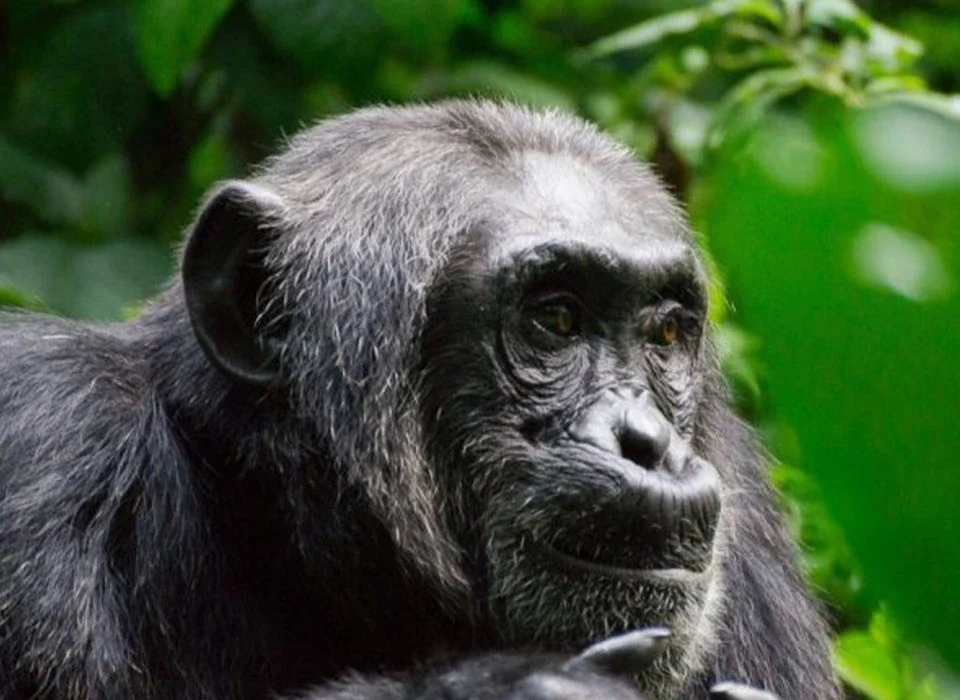
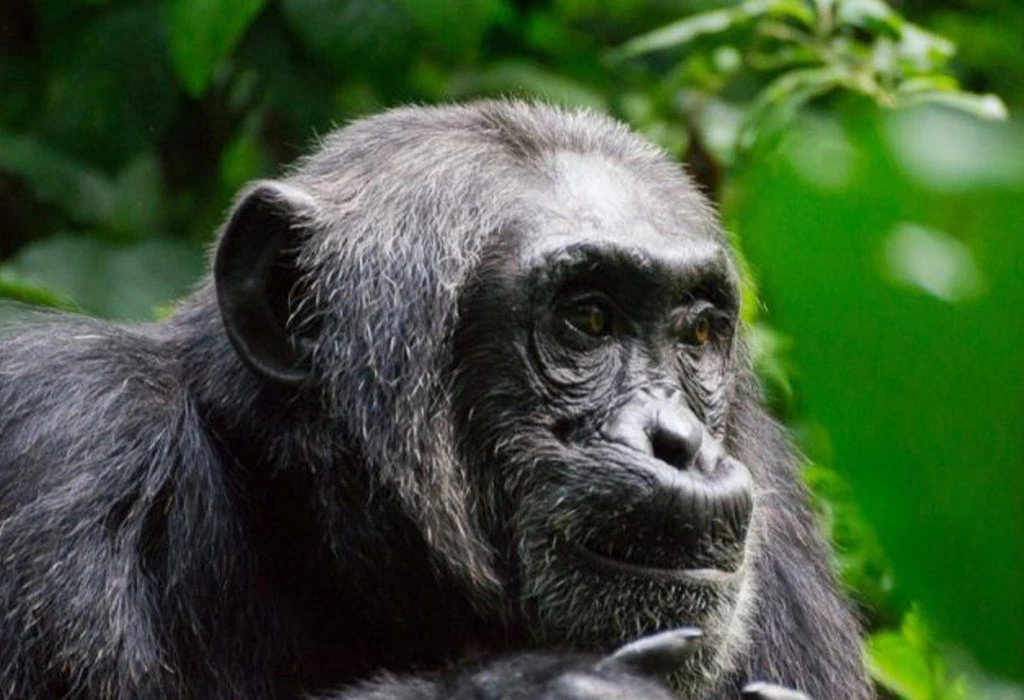
Chimpanzees occasionally move through parts of Bwindi’s forest canopy. While they are not as commonly tracked here as in other Ugandan parks, lucky visitors sometimes spot them during guided nature walks. When encountered, their intelligence stands out immediately through their coordinated movement, vocal communication, and social interactions.
As you move deeper into the forest, L’Hoest’s monkeys often appear along trails and clearings. Their distinctive white beards and alert behavior make them one of the more recognizable species. They tend to tolerate human presence, which allows for rewarding observation moments.
Black-and-white colobus monkeys add drama to Bwindi’s canopy. They leap gracefully between tall trees, using their long limbs and flowing tails to glide effortlessly through the forest. Their contrasting black and white coats make them especially striking against the green backdrop.
Red-tailed monkeys and blue monkeys frequently move in mixed groups, creating lively scenes as they forage and communicate. Their playful behavior and curiosity often bring them close enough for clear sightings, especially during early morning forest walks.
On the forest floor, olive baboons sometimes appear in small troops, moving confidently through open patches. Their strong social structure and expressive behavior make them fascinating to watch as they forage and interact.
When night falls, the forest hides even more secrets. Pottos emerge under the cover of darkness, moving slowly and quietly through the trees. Although sightings are rare, their presence adds another layer of mystery to Bwindi’s primate world.
Giants of the Forest and Other Large Mammals
Bwindi’s dense vegetation conceals several large mammals that play an important role in shaping the forest ecosystem.
Forest elephants move silently through certain sectors of the park, especially in areas like Ruhija. They are smaller than savanna elephants but equally impressive. Even when you do not see them directly, you can often trace their presence through broken branches, deep trails, and feeding signs scattered across the forest.
Bush pigs and giant forest hogs also roam Bwindi’s undergrowth. When they appear, usually in the early morning or late afternoon, they create unforgettable encounters. Giant forest hogs, in particular, are powerful and impressive, often moving in family groups as they forage.
Several duiker species, including the black-fronted and yellow-backed duikers, also inhabit the forest. These shy antelopes blend perfectly into the thick vegetation, making sightings rare but highly rewarding when they occur. Their sudden appearances often surprise visitors during quiet forest walks.
The Secretive World of Bwindi’s Carnivores
Bwindi also shelters elusive carnivores that rarely reveal themselves but contribute significantly to the forest’s balance.
Side-striped jackals sometimes appear at dusk or dawn, especially near forest edges. Their adaptability allows them to thrive in both open and dense environments, and their cautious behavior makes each sighting memorable.
Even more elusive are African golden cats and African civets. The African golden cat, one of Africa’s least understood wild cats, prefers dense forest cover and rarely comes into view. Civets are slightly more common but remain strictly nocturnal, occasionally appearing during night walks when conditions are right.
Bwindi’s Extraordinary Birdlife
Bwindi stands among Africa’s most important birding destinations, thanks to its remarkable concentration of species, including many found only in the Albertine Rift region.
Birdwatchers often travel here specifically to search for rare endemics such as the African green broadbill, Shelley’s crimsonwing, Chapin’s flycatcher, Grauer’s swamp warbler, and Forest ground thrush. Each of these species has adapted uniquely to Bwindi’s layered forest environment, making them both challenging and rewarding to find.
Birding in Bwindi requires patience and early morning excursions. However, those who invest time and listen carefully to the forest quickly realize that every section of the park carries its own unique bird community. With expert guidance from teams such as Experiya Tour Company, visitors often discover species they would otherwise miss.
Reptiles, Amphibians, and the Insect World
Beyond the larger wildlife, Bwindi also supports a quieter but equally fascinating world of smaller creatures.
Chameleons are among the most commonly seen reptiles, slowly shifting colors as they move along branches. Various frog species thrive near streams and wetlands, filling the forest with sound during the night.
While snakes exist in the ecosystem, they are rarely encountered due to their secretive nature. Instead, most visitors experience Bwindi’s smaller wildlife through its butterflies, which number over 200 species. These butterflies bring color and movement to forest paths, especially in sunlit clearings where they gather in large numbers.
Experiencing Bwindi Beyond Gorillas
To truly appreciate Bwindi, visitors should go beyond a single experience and allow time for multiple forest explorations. Early morning walks often reveal primates and bird activity at its peak, while late afternoon and evening sessions increase chances of spotting nocturnal wildlife.
Although gorilla trekking remains the highlight of the park, Bwindi’s broader biodiversity ensures that every moment in the forest feels meaningful. With careful planning and guidance from Experiya Tour Company, travelers can experience the full richness of this ancient rainforest rather than just one of its most famous inhabitants.
Bwindi is not only about gorillas, but it is also a complete ecosystem alive with movement, sound, and discovery at every turn.