
Cultural Tours in Uganda
April 17, 2026
Wildlife Conservation Success in Akagera National Park
April 18, 2026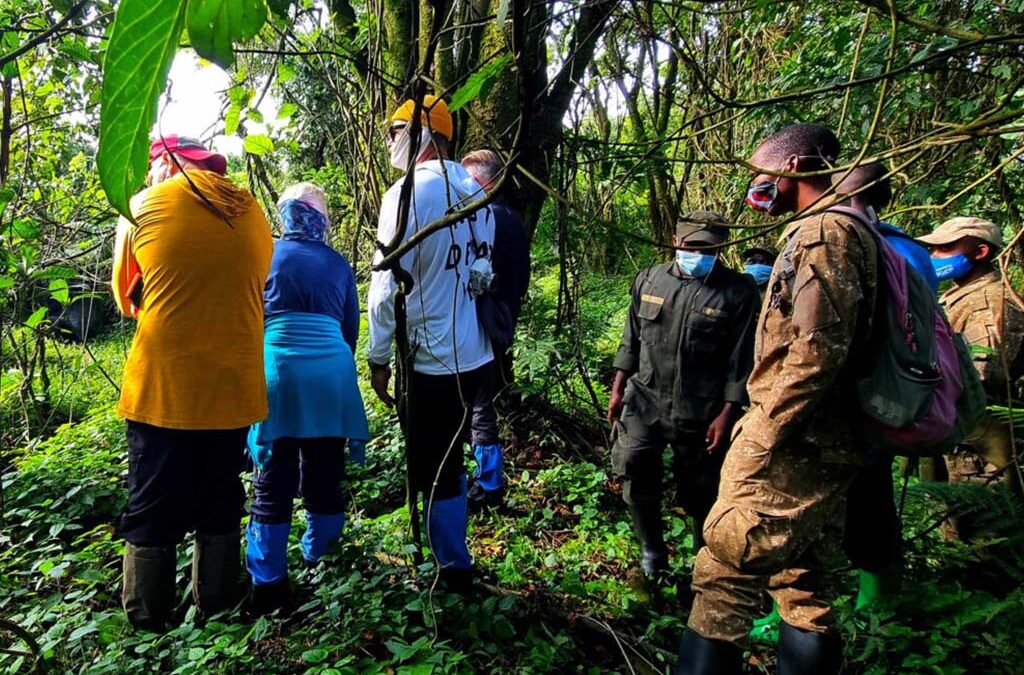
Nature walks in Akagera National Park offer a rare opportunity to explore one of Rwanda’s most beautiful wild spaces on foot. The park stretches across more than 1,100 square kilometres of savannah, wetlands, and woodland, about 100 kilometres east of Kigali. You can reach it in roughly two hours by road.
Unlike a game drive, a nature walk slows everything down. You feel the ground beneath your feet, breathe in fresh air, and notice details a vehicle would easily pass by. As a result, the experience feels more personal, immersive, and deeply connected to the landscape.
Why Choose a Nature Walk?
Many visitors focus on game drives, but nature walks reveal a different side of Akagera. Instead of observing from a distance, you step directly into the environment. You move at your own pace, pause when something catches your eye, and take in the surroundings without distraction.
Along the way, you engage all your senses. You hear grass rustling in the wind, birds calling from hidden perches, and insects humming in the background. At the same time, you may catch the earthy scent that follows a light rain or watch a heron standing perfectly still at the water’s edge.
In addition, guided walks deepen your understanding of the ecosystem. Your guide explains how plants, insects, birds, and mammals depend on one another. By the end, the park no longer feels like a scenic backdrop it becomes a living, interconnected system.
Walk the Line Tour
Among the most popular experiences is the Walk the Line Tour. This guided hike follows the park’s northern perimeter fence for about seven kilometres and typically takes two hours at a relaxed pace.
As of 2026, the tour costs around $30 per adult and $20 per child. Community guides lead the experience, which adds valuable local insight. Having grown up near the park, they share stories, history, and firsthand knowledge that enrich the walk.
During the tour, you learn how the fence protects wildlife while reducing human-wildlife conflict. At the same time, guides explain anti-poaching efforts and the role local communities play in conservation. Interestingly, the fence line also creates a unique viewing corridor. Animals often move along this boundary, so you may spot antelopes, warthogs, and a variety of birds without venturing deep into the bush.
More importantly, this walk connects you to Akagera’s conservation journey. Once under threat, the park has recovered through collaboration between communities and conservation partners. Walking this route makes that story tangible.
Guided Nature Walks
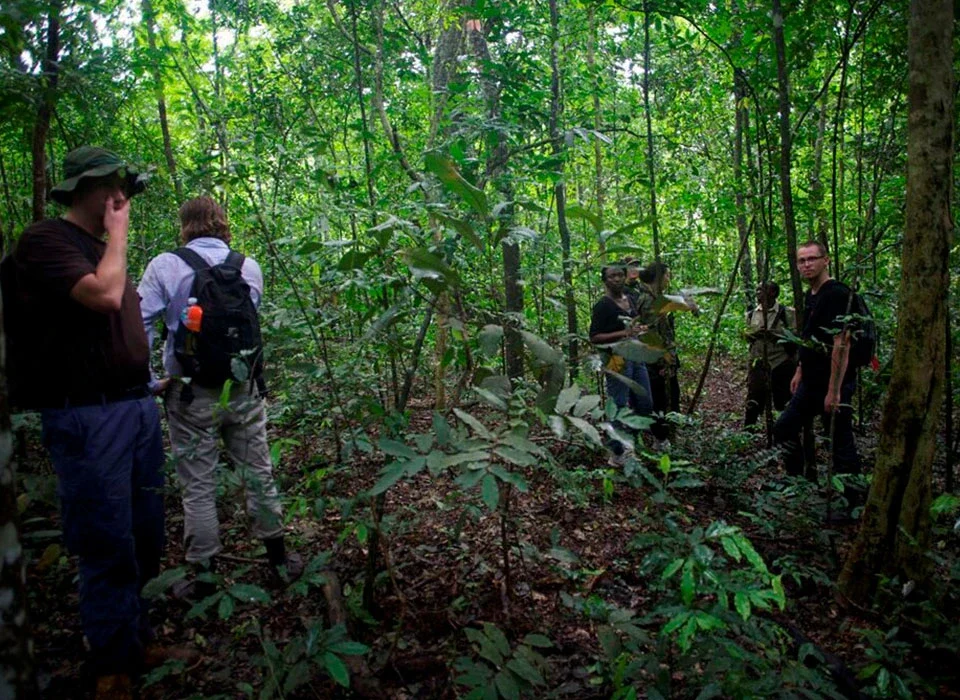
In addition to the fence tour, Akagera offers shorter guided nature walks that last between one and three hours. Rangers tailor each walk to your interests and fitness level, ensuring a comfortable and engaging experience.
If you enjoy birdwatching, your guide may lead you toward wetlands and forest edges where birdlife thrives. On the other hand, if you prefer plants or insects, the route may shift toward areas rich in those details.
These walks suit families, older travellers, and anyone looking for a gentle outdoor activity. The pace remains relaxed, and there is always time to ask questions or pause for a closer look. Even a short walk can reveal an impressive range of birds, plants, and small creatures that are often overlooked.
Importantly, trained rangers accompany every walk. They carry safety equipment and understand the terrain well, allowing you to focus entirely on the experience.
The Primitive Walking Trail
For a more immersive adventure, the Primitive Walking Trail offers a multi-day journey through Akagera’s most remote areas. This experience covers about 40 kilometres and usually unfolds over three nights and four days.
This trail suits experienced walkers who want to fully disconnect and explore the wild on foot. Each day begins early, with guided walks through changing landscapesfrom open grasslands to dense woodland and lakeside habitats.
Along the way, you may encounter zebras, waterbucks, topis, and reedbucks grazing across the plains. Meanwhile, birdlife remains constant, with raptors overhead and waterbirds near lakes and wetlands. Even animal tracks in the soil tell stories of what passed through during the night.
Because the journey spans several days, you witness how the park transforms over time. Mornings feel cool and golden, afternoons grow warm and lively with insect activity, and evenings deliver dramatic sunsets over the savannah.
Although the trail requires advance booking and a reasonable level of fitness, it rewards adventurous travellers with one of the most authentic wilderness experiences in East Africa.
Wildlife and Natural Highlights
No matter which walk you choose, Akagera’s biodiversity stands out. The park’s varied habitats support a wide range of species, and each environment offers something unique.
For example, wetlands along the western edge attract numerous waterbirds. You may spot African jacanas walking across lily pads, malachite kingfishers darting above the water, or papyrus warblers hidden among reeds.
In contrast, woodland areas provide shelter for species that prefer shade. Hornbills, sunbirds, and weavers move through the trees, while chameleons and lizards blend into the undergrowth below.
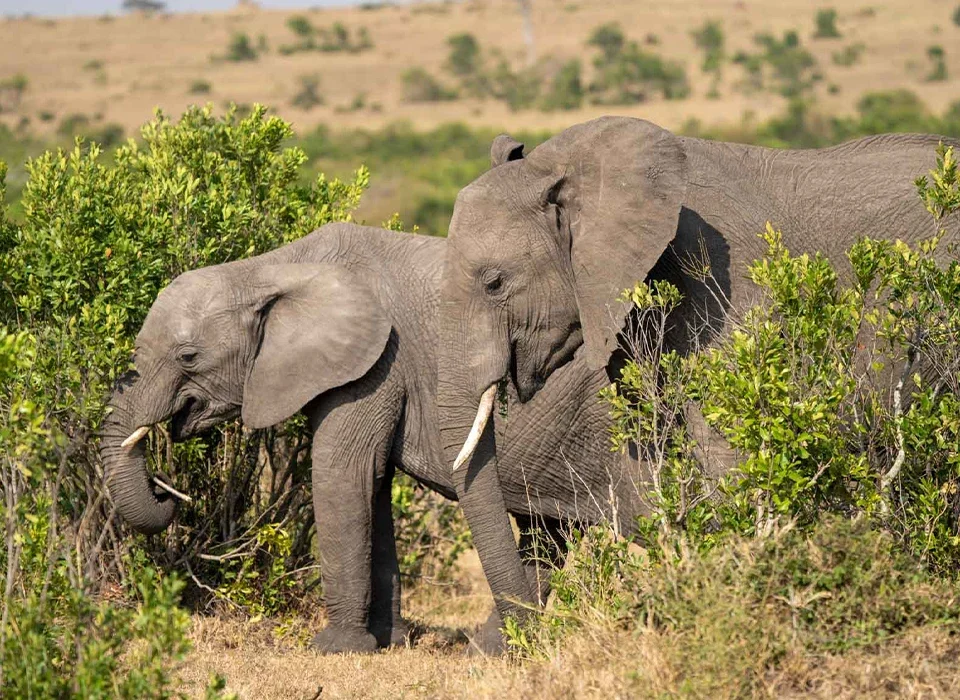
Out on the savannah, grazing mammals dominate the landscape. Zebras, impalas, and topis move in loose herds, while baboons travel in lively groups. Warthogs, often with tails raised, trot through the grass with surprising purpose.
Equally fascinating is the plant life. Acacia trees stretch across the plains, offering shade and structure to the ecosystem. Aloes add bursts of red and orange along rocky areas, while seasonal wildflowers bring colour after the rains. Guides often share how local communities use many of these plants for traditional medicine and daily life.
Safety on Nature Walks
Safety remains a top priority during every nature walk in Akagera. Trained, armed rangers lead all walks and know how to interpret animal behaviour and manage any situation calmly.
To ensure a safe and enjoyable experience, follow your guide’s instructions closely. Stay with the group, keep your voice low, and move steadily. These simple actions help protect both you and the wildlife while preserving the natural atmosphere.
In addition, wear appropriate clothing. Neutral colours such as khaki, green, or brown blend into the environment and improve your chances of seeing wildlife. Comfortable walking shoes, a hat, sunscreen, and enough water are essential, especially during warmer months.
Best Time to Visit
The dry seasons provide the best conditions for walking in Akagera. From June to September, trails remain firm and vegetation is thinner, making wildlife easier to spot. Cooler temperatures also make longer walks more comfortable.
Another excellent period runs from mid-December to mid-February. During this time, birdlife becomes particularly active, with migratory species adding to the park’s diversity.
Although the wet seasons bring lush scenery and vibrant landscapes, they also create muddy trails and thicker vegetation. Still, dedicated birdwatchers often prefer this period because many species breed and display during the rains.
Planning Your Visit
Akagera National Park lies about a two-hour drive from Kigali along a well-maintained road. Upon arrival, you can organize guided walks, secure permits, and receive assistance at the park headquarters.
It is best to book experiences like the Walk the Line Tour and the Primitive Walking Trail in advance, especially during peak travel seasons. Shorter guided walks, however, are often easier to arrange on arrival.
For a seamless and well-organized experience, Experiya Tour Company can help plan your visit, ensuring you make the most of your time in the park.
Final Thoughts
Nature walks in Akagera National Park offer something that game drives cannot fully replicate. They bring you closer to the land, sharpen your awareness, and deepen your connection to the natural world.
Whether you choose a short guided walk or a multi-day wilderness trail, each step reveals something new. In the end, you leave not just with photos, but with a richer understanding of Akagera’s beauty, its wildlife, and its inspiring conservation story.