Why Gorilla Trekking in the Low Season Often Beats Peak Travel
April 13, 2026
Is Gorilla Habituation Ethical?
April 13, 2026
Yes gorilla habituation in Uganda’s Bwindi Impenetrable National Park takes place throughout the year. This remarkable conservation process never pauses, giving visitors the chance to witness and even participate in the gradual acclimation of wild mountain gorilla families to human presence. While weather conditions shift across seasons, the work of researchers and habituators continues every single day, ensuring this rare experience remains available in all months.
That said, the season you choose will influence trekking conditions, comfort levels, and overall experience. Understanding these differences helps you plan a more rewarding and realistic gorilla habituation adventure.
The Continuous Nature of Gorilla Habituation
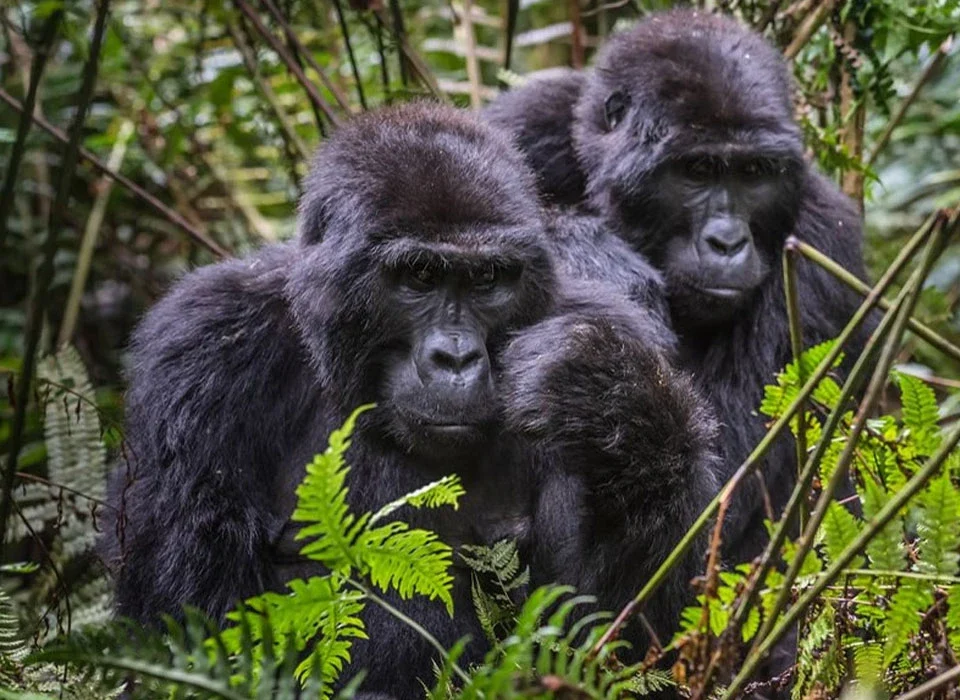
Gorilla habituation is not a seasonal activity it is a long-term conservation commitment. Trained researchers and habituators work with semi-habituated gorilla families over a period of about two to three years, gradually helping them become comfortable with human observers.
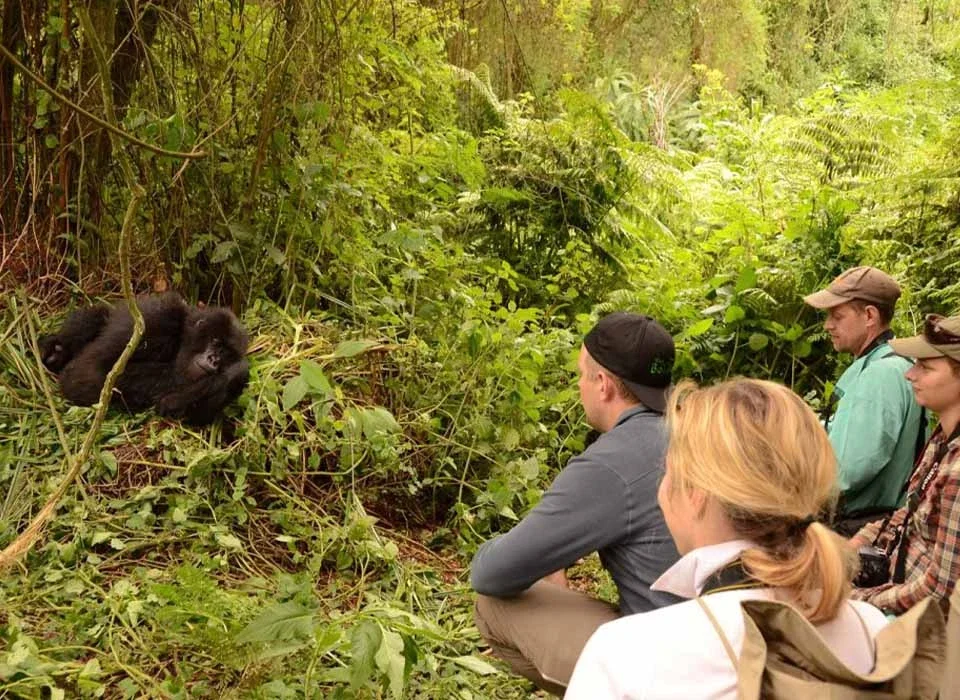
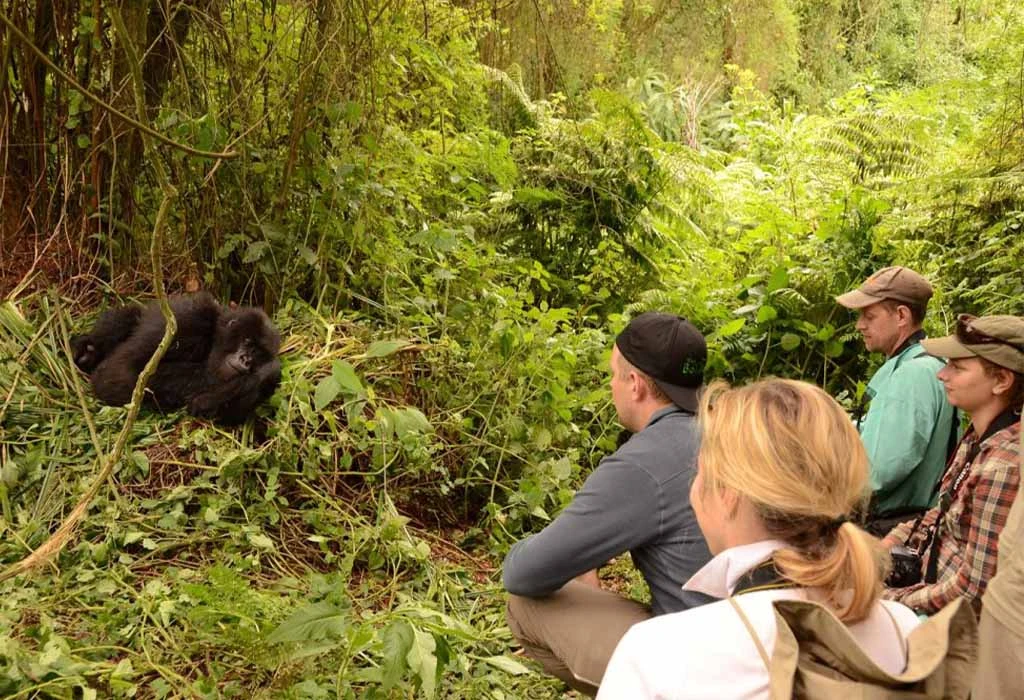
Unlike standard gorilla trekking, where visitors spend one hour with fully habituated groups, habituation experiences allow up to four hours with gorillas that are still adjusting to human presence. Because this process depends on consistency, teams continue their daily monitoring regardless of rain, sunshine, or difficult terrain.
Every day, researchers track gorilla movements, observe feeding behavior, document social interactions, and carefully reduce the animals’ natural fear of humans. This steady, respectful approach ensures both conservation success and animal welfare remain at the center of the process.
Dry Season: The Most Comfortable Time to Visit
The dry seasons, from June to September and December to February, offer the most favorable conditions for gorilla habituation. During this period, Bwindi’s trails become more stable and less slippery, making trekking safer and less physically demanding.
In addition, clearer skies and lighter rainfall improve visibility and create better conditions for photography. Gorillas also tend to move in more predictable patterns, which can make tracking slightly easier for research teams and visitors alike.
However, these advantages come with higher demand. Accommodation fills up quickly, permits sell out months in advance, and prices often rise during peak months such as July, August, and January. For this reason, early booking becomes essential if you plan to travel during the dry season.
Wet Season: A Greener and More Intimate Experience
The wet seasons, from March to May and October to November, transform Bwindi into a lush, vibrant rainforest. Although trekking becomes more challenging, the rewards can be equally powerful.
During these months, the forest feels more alive than ever. Waterfalls flow strongly, vegetation thickens, and the entire landscape takes on a deep green richness. This creates a dramatic and beautiful setting for gorilla encounters.
Interestingly, gorilla families may stay at lower elevations during heavy rains, which sometimes reduces trekking distances. As a result, visitors may find themselves reaching the groups more quickly than expected.
In addition, fewer tourists travel during the rainy season. This means more permit availability, lower accommodation costs, and a quieter, more personal experience in the forest. With fewer distractions, you often enjoy deeper engagement with guides and a more reflective connection to the conservation story.
Trekking Conditions and Real-World Challenges
Bwindi lives up to its name impenetrable. The forest is steep, dense, and physically demanding in every season. However, rainfall can significantly increase the difficulty of the terrain.
During wet months, trails become muddy and slippery, and river crossings may become more challenging. Steep slopes require careful movement, and hikers often rely heavily on guides and walking sticks for stability.
Even so, many travelers find that these challenges add meaning to the experience. Walking through rain-soaked forest trails offers a deeper appreciation for the daily work of researchers who operate in these same conditions year-round. The effort required often makes the final gorilla encounter feel even more rewarding and memorable.
Planning and Gorilla Permit Strategy
Successful gorilla habituation trips depend heavily on timing and advance planning. During the dry season, permits often sell out six to twelve months ahead, especially for peak travel periods. Early booking ensures better access to preferred dates, accommodations, and trekking sectors.
On the other hand, the wet season provides more flexibility. Permits are often available closer to travel dates, sometimes even at short notice. This allows for more spontaneous trip planning and can be ideal for travelers with flexible schedules.
Working with a trusted operator like Experiya Tour Company can help streamline the booking process and ensure you secure the best possible experience based on your travel dates.
Essential Preparation for Any Season
No matter when you visit Bwindi, preparation plays a key role in your experience. The forest demands both physical readiness and the right gear.
Sturdy waterproof hiking boots with strong grip are essential, especially for slippery terrain. Lightweight rain jackets, layered clothing, and waterproof protection for cameras and electronics will help you stay comfortable in changing weather conditions.
Physical fitness also matters. Since gorilla habituation involves longer time in the forest than standard trekking, building endurance through walking, hiking, or cardio training will make your experience smoother and more enjoyable. Allowing a day or two for acclimatization before the trek can also help your body adjust to altitude and terrain.
Final Thoughts
So, can gorilla habituation be done year-round? Absolutely. Bwindi’s conservation work never stops, and neither does the opportunity for visitors to take part in it.
Whether you choose the dry season for easier trekking conditions or the wet season for a quieter, more immersive rainforest experience, each period offers something unique. What remains constant is the powerful connection you will feel with mountain gorillas and the dedicated teams working to protect them.
In the end, gorilla habituation is not just about when you go it is about being part of a living conservation story that continues every single day of the year.