
What Makes Kidepo Valley Unique from Other Parks?
April 20, 2026
Leopard Filming in Uganda
April 20, 2026
Bwindi Impenetrable National Park lies in the mist-covered mountains of southwestern Uganda and stands among Africa’s most celebrated conservation landscapes. This ancient rainforest, recognized as a UNESCO World Heritage Site, shelters endangered mountain gorillas and an extraordinary range of biodiversity. While travelers often arrive for the unforgettable experience of gorilla trekking, the true guardians of Bwindi are its park rangers. Day after day, they work quietly but relentlessly to protect wildlife, preserve fragile habitats, and build a balance between conservation, tourism, and community life.
Protecting Endangered Mountain Gorillas
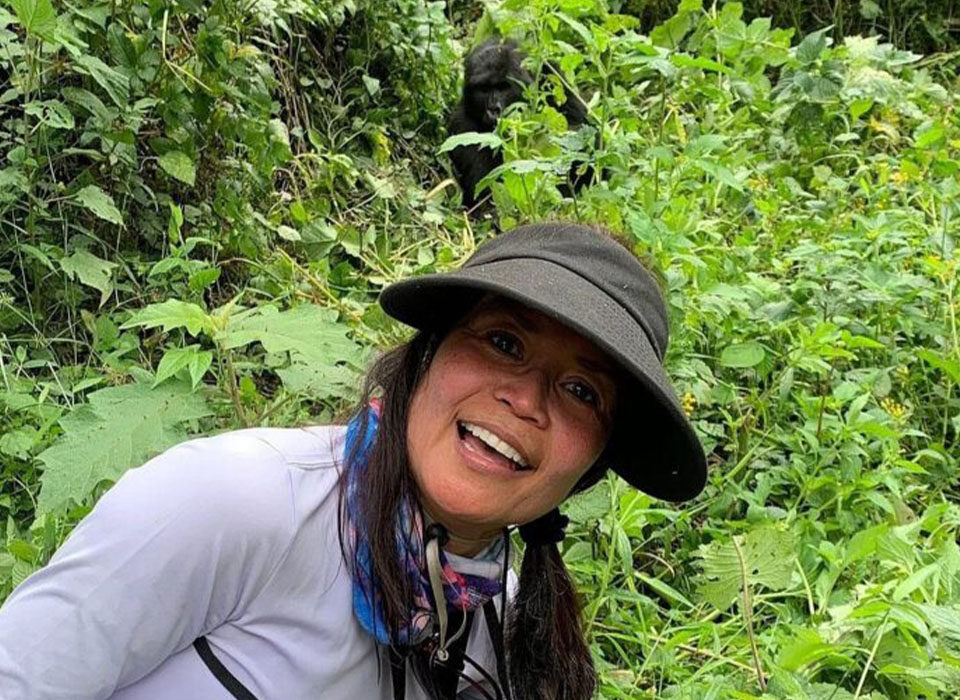
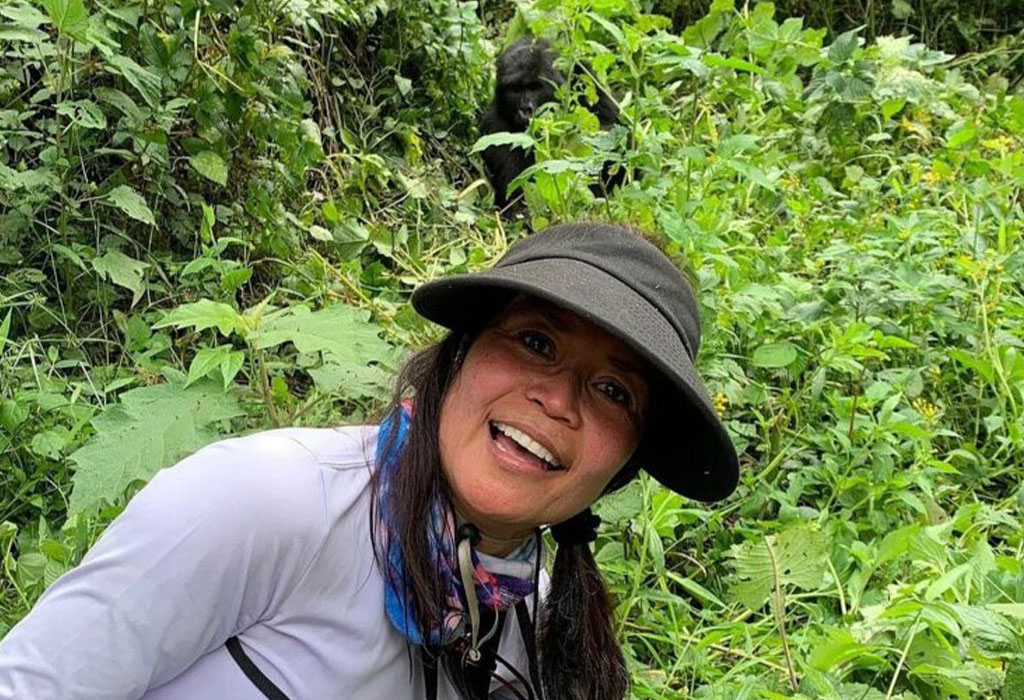
At the heart of Bwindi’s conservation story is the protection of mountain gorillas. Nearly half of the world’s remaining population lives within this forest, making it one of the most critical sanctuaries on earth. Rangers take on the responsibility of monitoring habituated gorilla families every single day. They track movements, observe behavior, and assess health conditions to ensure the groups remain safe from threats such as poaching or disease.
Because gorillas share close genetic ties with humans, they are highly vulnerable to human-borne illnesses. For this reason, rangers strictly enforce trekking rules, including maintaining a safe distance and limiting visitor numbers. These precautions not only safeguard the gorillas but also help preserve their natural behavior. Without this careful oversight, gorilla tourism, one of the main pillars of conservation funding, would quickly become unsustainable.
Combating Poaching and Illegal Activities
Although Bwindi is well protected, threats from poaching and illegal resource use still exist. Rangers serve as the park’s first line of defense. Through routine patrols and intelligence-led operations, they detect and prevent illegal activities before they escalate.
They also work closely with surrounding communities, gathering information that helps identify and stop potential offenders. When necessary, rangers apprehend suspects and ensure they face legal consequences. However, their presence alone often acts as a powerful deterrent. By consistently patrolling the forest and maintaining visibility, they discourage illegal activities and reinforce the importance of conservation.
Supporting Research and Ecological Monitoring
Beyond protection, rangers contribute significantly to scientific research and environmental monitoring. As they move through the forest, they collect valuable data on wildlife populations, vegetation, and ecosystem health. This information helps conservationists understand trends and make informed decisions.
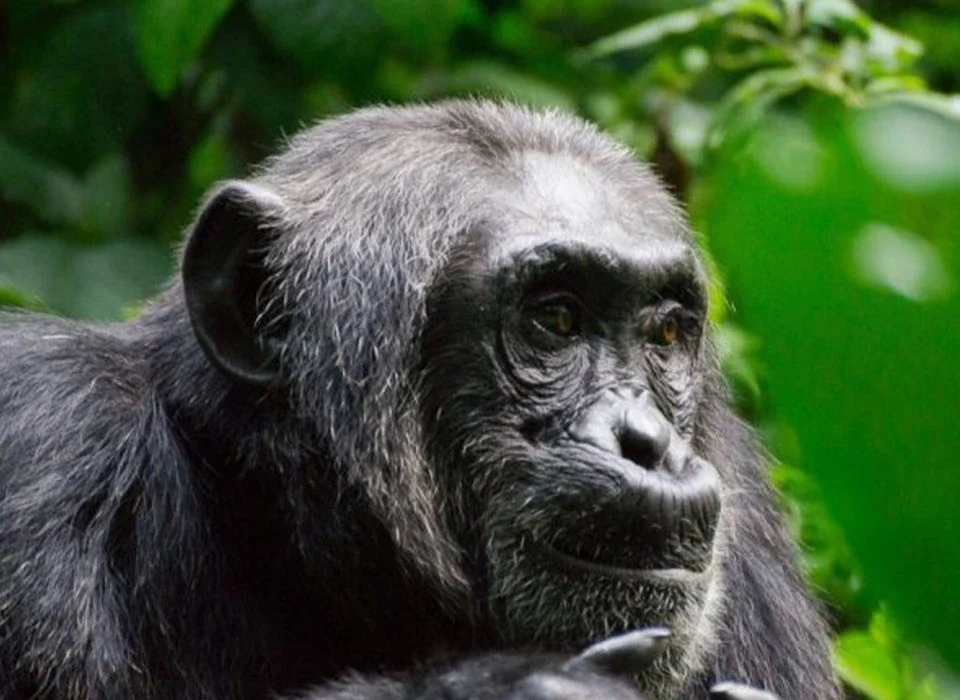
For example, tracking gorilla births, deaths, and group movements provides insight into population growth and stability. In addition, rangers monitor other species, including primates, mammals, and over 350 bird species that call Bwindi home. Their observations support both local conservation efforts and global research initiatives, making them an essential link between the field and science.
Strengthening Community Engagement
Conservation in Bwindi cannot succeed without the support of nearby communities. Many residents depend on natural resources for their livelihoods, which can sometimes create tension with conservation goals. Rangers step into this space as trusted connectors.
They engage with communities through education programs, explaining the long-term benefits of protecting wildlife and ecosystems. More importantly, they highlight how conservation supports livelihoods through tourism, job creation, and ecosystem services such as clean water and climate regulation.
In addition, rangers support initiatives that offer alternative sources of income. Activities like beekeeping, handicrafts, and sustainable farming help reduce dependence on forest resources while improving household incomes. Through these efforts, conservation becomes a shared responsibility rather than a distant concept.
Guiding Tourism and Gorilla Trekking Experiences
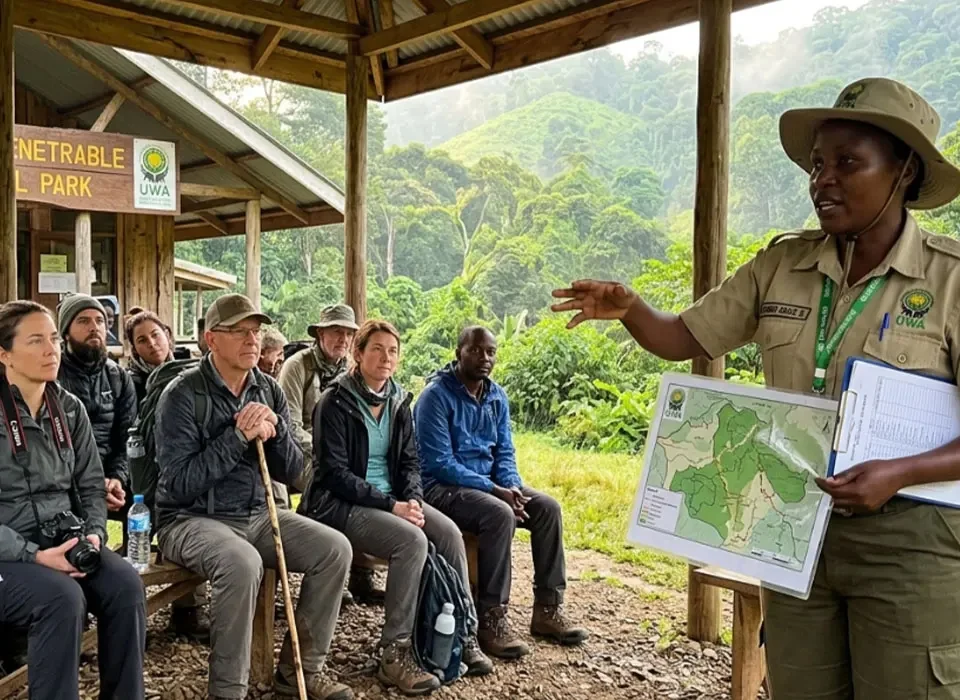
Rangers also play a visible and vital role in tourism. Every gorilla trekking experience depends on trained ranger guides who ensure both visitor safety and wildlife protection. They lead groups through dense forest trails, carefully tracking gorilla families while interpreting the environment along the way.
As they guide visitors, rangers share insights into animal behavior, forest ecology, and conservation challenges. Their storytelling transforms a simple wildlife encounter into a deeper, more meaningful experience. Visitors leave not only with memories but also with a stronger understanding of conservation and a desire to protect it.
Challenges Rangers Face
Despite their dedication, rangers operate under demanding conditions. The terrain in Bwindi is steep, dense, and physically exhausting to navigate. Long patrols through thick vegetation often expose them to harsh weather and close encounters with wildlife.
Limited resources can make their work even more difficult, requiring resilience and creativity. At the same time, the risk of disease transmission remains a constant concern due to their proximity to gorillas. Beyond the physical challenges, the emotional weight of protecting endangered species while balancing community needs can be significant.
Even so, rangers remain deeply committed to their mission, driven by a strong sense of purpose and pride in safeguarding Uganda’s natural heritage.
Lasting Impact on Conservation
The results of these efforts are evident. Mountain gorilla populations, once on the brink of extinction, are steadily recovering. This success reflects years of consistent protection, monitoring, and collaboration with local communities, all anchored by the work of rangers.
Moreover, their dedication has helped preserve one of the most unique ecosystems in the world. By protecting Bwindi, rangers not only conserve biodiversity but also support sustainable tourism and improve livelihoods for surrounding communities.
A Quiet Force Behind Bwindi’s Success
Bwindi’s conservation achievements did not happen by chance. They stem from the unwavering commitment of rangers who patrol the forest, protect wildlife, guide visitors, and build bridges with communities. Often working far from the spotlight, they form the backbone of this success story.
Through their efforts, they safeguard more than just mountain gorillas. They protect an ancient rainforest, sustain a vital tourism model, and ensure that future generations can experience one of Africa’s most remarkable natural treasures.