Who is Eligible to Buy Gorilla Permits in Uganda?
April 24, 2026
Genocide Memorial Centers in Rwanda
April 24, 2026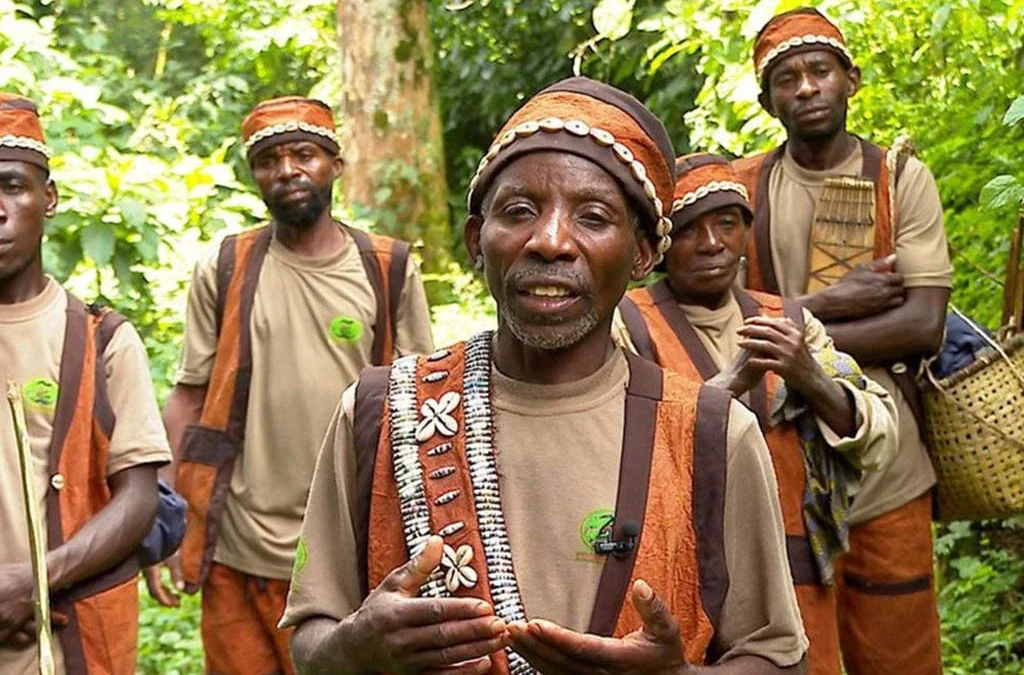
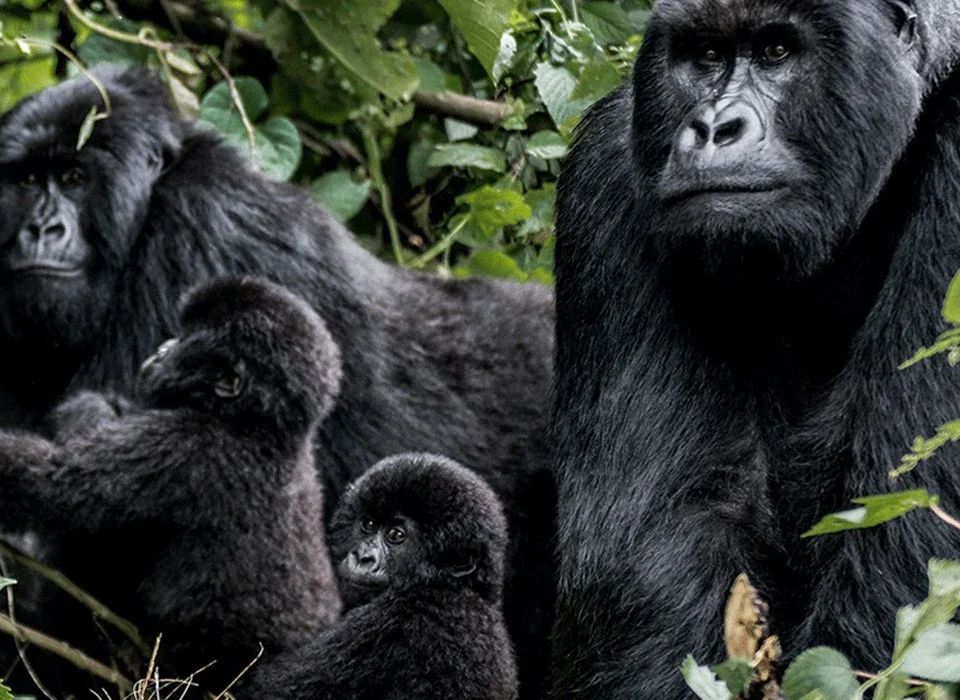
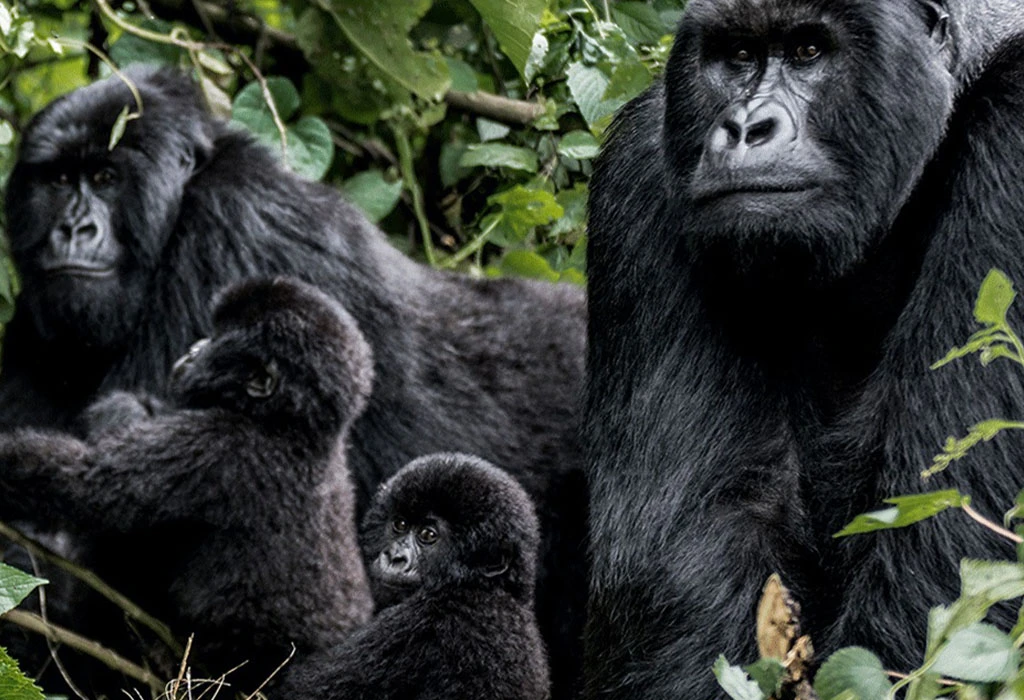
Bwindi Impenetrable National Park, a vast and ancient rainforest in southwestern Uganda, is globally celebrated for protecting endangered mountain gorillas. Covering about 331 square kilometers, the park rises between 1,160 and 2,607 meters above sea level, creating a dramatic landscape of steep ridges, misty valleys, and dense vegetation.
Located within the biodiverse Albertine Rift, Bwindi shelters an extraordinary range of life. In fact, its ecological importance earned it UNESCO World Heritage status in 1994, recognizing both its natural richness and its role in conservation.
As you move through this forest, you quickly realize it is more than just a gorilla destination. Over 120 mammal species live here, including forest elephants and chimpanzees. Additionally, more than 350 bird species fill the canopy with sound, while over 200 butterfly species bring color to the undergrowth. With over 1,000 plant species recorded, Bwindi stands among Africa’s most biologically diverse ecosystems.
Yet beyond its wildlife, Bwindi holds a deeper story—one rooted in the lives of the Batwa people.
Meet the Batwa People
Long before Bwindi became a protected area, the Batwa people lived within this forest as skilled hunter-gatherers. They are widely regarded as one of Africa’s oldest indigenous communities, with ancestral roots stretching across Uganda, Rwanda, Burundi, and the Democratic Republic of Congo.
For generations, the Batwa depended entirely on the forest. They hunted small game, gathered fruits and honey, and used medicinal plants to treat illness. More importantly, they saw the forest not simply as a resource, but as a sacred space that shaped their identity and spiritual beliefs.
However, their way of life changed dramatically in the early 1990s. When Bwindi and Mgahinga were gazetted as national parks to protect mountain gorillas, the Batwa were evicted from their ancestral land. As a result, they became conservation refugees displaced from the environment that had sustained them for centuries.
Today, many Batwa communities live on the fringes of the forest, working hard to preserve their culture in a world that has rapidly changed around them.
The Batwa Way of Life and Their Deep Connection to the Forest
Traditionally, the Batwa lived in harmony with nature. They built temporary shelters using branches and leaves, leaving almost no environmental footprint. Unlike agricultural communities, they did not clear land or exploit the forest extensively. Instead, they moved seasonally, allowing the ecosystem to regenerate naturally.
Their connection to Bwindi went beyond survival. Spiritually, they believed the forest was alive with ancestral spirits. They performed rituals deep within the woods, honoring unseen forces that governed their world. Because of this belief system, they developed taboos and practices that protected wildlife and preserved ecological balance.
When you listen to their stories, you begin to understand a different perspective on conservation, one based on coexistence rather than control.
What to Expect on a Batwa Cultural Experience
A Batwa cultural encounter offers more than a visit; it feels like stepping into a living history. Through guided experiences organized by Experiya Tour Company, you gain direct insight into how the Batwa once lived in the forest.
During the experience, Batwa guides lead you along forest trails while explaining traditional survival techniques. They demonstrate how they hunted using bows and arrows, gathered wild foods, and identified medicinal plants. As you walk beside them, the forest begins to reveal itself in ways you might otherwise miss.
You also visit recreated homesteads where Batwa women share their daily routines. They show how they prepared meals, built shelters, and sustained their families. In addition, storytelling, music, and dance performances bring their cultural heritage to life in a powerful and personal way.
One of the most memorable moments often comes from conversations with Batwa elders and traditional healers, who explain how they used forest plants for medicine and spiritual healing. These interactions offer a rare and meaningful cultural exchange.
Importantly, your visit directly supports the Batwa community by contributing to their livelihoods, education, and cultural preservation.
Other Experiences to Combine with Batwa Cultural Encounters
While cultural encounters are deeply enriching, Bwindi offers a range of other unforgettable experiences. Gorilla trekking remains the highlight for most travelers. With a permit, you trek through the forest alongside experienced rangers to spend time with a habituated gorilla family, an encounter that feels both humbling and awe-inspiring.
For those seeking more time with gorillas, the habituation experience allows up to four hours in their presence, offering deeper insight into their behavior.
Meanwhile, bird enthusiasts find Bwindi especially rewarding, thanks to its remarkable diversity. Nature walks along forest trails reveal waterfalls, primates, and scenic viewpoints, while butterfly sightings add beauty to every step.
Together, these experiences create a well-rounded safari that blends wildlife and culture seamlessly.
Where to Stay in Bwindi
Accommodation around Bwindi caters to every type of traveler, from budget lodges to luxury retreats. Depending on the sector you visit, such as Buhoma or Rushaga, you will find lodges that offer stunning forest views and close proximity to trekking starting points.
Many lodges emphasize comfort while maintaining an authentic connection to the surrounding environment. Through Experiya Tour Company, you can choose accommodation that matches your travel style while enhancing your overall safari experience.
Best Time to Visit for a Batwa Cultural Experience
The dry seasons, from June to August and December to February, provide the best conditions for visiting Bwindi. During these months, trails remain more accessible, and outdoor activities become easier to enjoy.
These periods also coincide with peak gorilla trekking season, making it ideal to combine wildlife adventures with cultural encounters.
How to Get to Bwindi
Reaching Bwindi requires planning, but the journey itself becomes part of the adventure. By road, travelers from Kampala drive through Masaka, Mbarara, and Kabale before reaching the park, a scenic journey that takes about 10 to 12 hours.
Alternatively, many travelers choose to fly to southwestern Uganda or access Bwindi via Kigali in Rwanda, followed by a shorter 3–5 hour drive across the border.
A Cultural Experience That Leaves a Lasting Impact
A visit to Bwindi is not only about gorillas. When you spend time with the Batwa, you connect with a story of resilience, adaptation, and cultural survival. Their knowledge of the forest, their traditions, and their perspective on nature offer something rare: an experience that stays with you long after you leave.
Through Experiya Tour Company, these encounters are thoughtfully arranged to ensure they are respectful, meaningful, and beneficial to the Batwa communities.