Best Picnic Spots in Rwanda: Where Nature Meets Memorable Outdoor Dining
April 21, 2026
Animals to See in Bwindi Besides Gorillas
April 21, 2026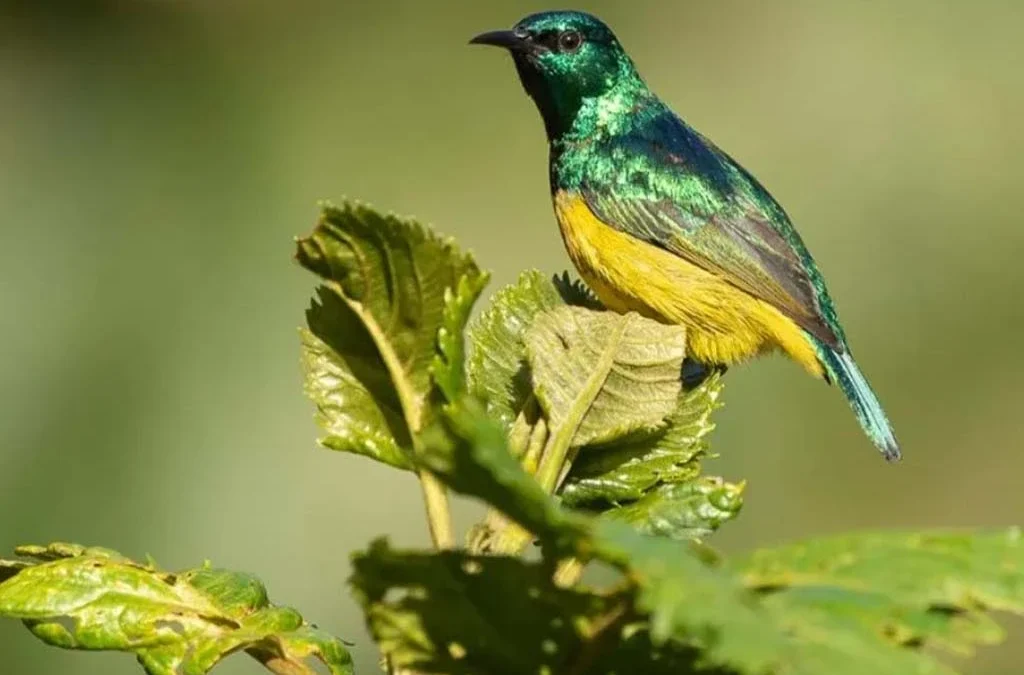
Mgahinga Gorilla National Park may be famous for its mountain gorillas, but that reputation only scratches the surface. From my own time exploring this remarkable corner of southwestern Uganda, I quickly realized that Mgahinga offers far more than a single iconic species. Tucked within the dramatic Virunga Massif, this small yet powerful park unfolds into a rich world of wildlife, culture, and adventure that feels refreshingly untouched by mass tourism.
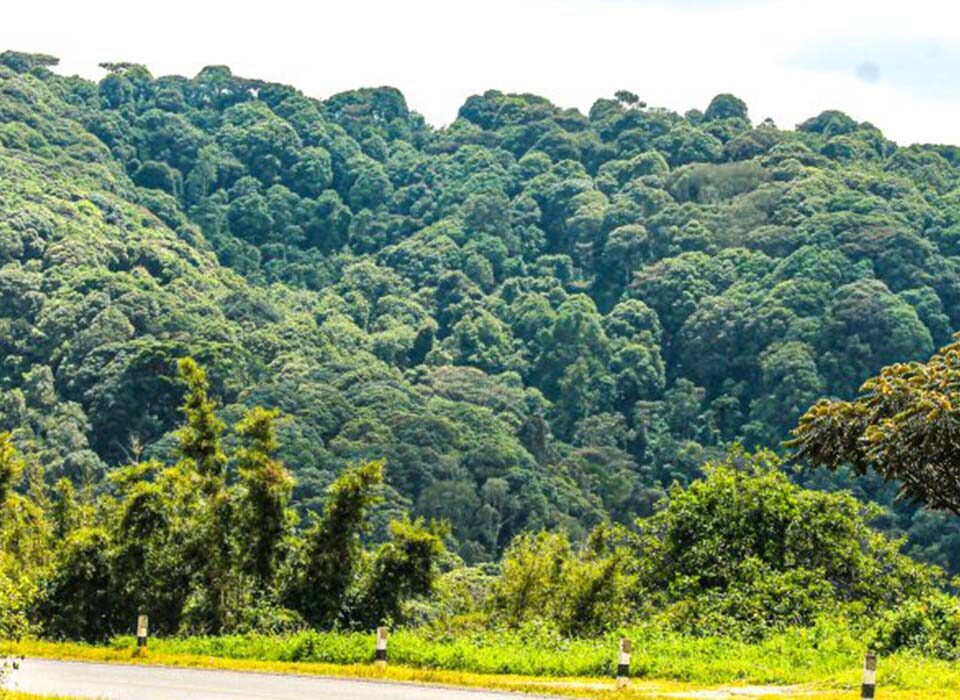
As you step into Mgahinga, the landscape itself tells a story: misty volcanoes rise above dense forests, bamboo sways gently in the highland breeze, and every trail seems to lead to something unexpected. Experiya Tour Company often introduces travelers to this lesser-known treasure, and those who venture here rarely leave unchanged.
Golden Monkey Tracking: A Lively Forest Encounter
While gorillas tend to capture global attention, golden monkeys bring a completely different kind of magic. I remember the first time I followed a troop through the bamboo forest, the energy was contagious. These small, bright primates moved with astonishing speed, leaping effortlessly from branch to branch, pausing only briefly to feed or interact.
Golden monkey tracking feels dynamic and immersive. Unlike gorillas, which often settle calmly, these monkeys keep you alert and engaged. With the guidance of experienced trackers, you move through the forest listening for their calls and watching for flashes of gold among the greenery. It becomes less of a trek and more of a playful chase through nature.
At the same time, the experience carries deeper meaning. These endangered primates rely heavily on the bamboo ecosystem, and seeing them in the wild highlights just how important conservation efforts in Mgahinga truly are.
Beyond Primates: A Quiet Yet Rich Wildlife Scene
Although Mgahinga is compact, it supports an impressive range of wildlife. During early morning walks, I noticed signs of buffalo grazing in open clearings, while bushbucks slipped quietly through the undergrowth. If you slow down and pay attention, the forest reveals its secrets in subtle ways.
Occasionally, forest elephants pass through, leaving behind trails that weave naturally through dense vegetation. Even when you don’t see them directly, their presence adds a sense of wild authenticity to the park. It reminds you that Mgahinga remains a functioning ecosystem, not just a tourist destination.
Volcano Hiking: Climbing Into the Clouds
One of the most unforgettable aspects of Mgahinga lies in its three volcanic peaks, Mount Muhabura, Mount Gahinga, and Mount Sabyinyo. Each offers a distinct hiking experience, and each rewards effort with breathtaking views.
Climbing Mount Muhabura challenged me both physically and mentally. The steep ascent pushes you through changing vegetation zones until you finally reach the summit, where a crater lake sits quietly above the clouds. On a clear day, the views stretch across Uganda, Rwanda, and the Democratic Republic of Congo.
In contrast, Mount Gahinga offers a gentler but equally rewarding hike. Its swamp-filled crater creates a unique high-altitude ecosystem, and the journey upward feels more gradual, giving you time to appreciate the changing scenery.
Mount Sabyinyo: Standing in Three Countries at Once
Among the three volcanoes, Mount Sabyinyo stands out for its unique geographical significance. Hiking to its summit felt like stepping into a rare moment—you literally stand in Uganda, Rwanda, and the Democratic Republic of Congo at the same time.
The climb itself is steep and requires determination, with ladders and ridges adding a sense of adventure. However, once you reach the top, the reward is unmatched. The panoramic views stretch endlessly, revealing a patchwork of landscapes shaped by both nature and human life. It’s not just a hike; it’s a story you carry with you long after you descend.
Birdlife: A Hidden Paradise for Birdwatchers
Even if you’re not an avid birder, Mgahinga makes it easy to appreciate its avian diversity. With over 180 bird species recorded, the park offers constant movement and color, especially in the early hours of the day.
As I walked through different elevations, I noticed how birdlife changed with the landscape. In the forests, the Rwenzori turaco flashed its crimson wings between trees, while sunbirds shimmered in the light. Higher up, different species adapted to cooler conditions appeared, each adding to the park’s rich ecological tapestry.
Experiya Tour Company often arranges guided birding experiences, and having an expert nearby makes a significant difference. You begin to notice calls, patterns, and behaviors you might otherwise miss.
The Batwa Experience: A Cultural Journey Through Time
Beyond wildlife, Mgahinga tells a powerful human story through the Batwa Trail. Walking this trail felt deeply personal and eye-opening. Led by Batwa guides, I learned how their ancestors once lived entirely within the forest, relying on it for food, medicine, and shelter.
They demonstrated traditional hunting techniques, shared knowledge of medicinal plants, and even showed how they made fire without modern tools. However, what stood out most was their connection to the land, a relationship built on respect and balance.
This experience goes beyond cultural tourism. It supports the Batwa community today while helping visitors understand the importance of preserving both cultural heritage and natural ecosystems.
More to Explore: Trails, Communities, and Quiet Moments
Mgahinga continues to reveal itself the longer you stay. Scenic hiking trails wind through forests and open landscapes, offering peaceful moments away from structured activities. Community visits introduce you to local ways of life, where farming and tradition still shape daily routines.
Additionally, specialized guided experiences from nature walks to conservation-focused tours allow you to engage more deeply with the park. With Experiya Tour Company, these activities often feel personal and thoughtfully curated rather than rushed.
A Park That Rewards Curiosity
Mgahinga may be Uganda’s smallest national park, but it delivers one of the richest travel experiences in East Africa. Every activity, from tracking golden monkeys to climbing volcanoes or walking with the Batwa, adds a new layer to your understanding of this unique landscape.
If you arrive expecting only gorillas, you’ll leave with something far greater: a genuine connection to nature, culture, and adventure in one of Africa’s most quietly spectacular destinations.