
Benefits of Traveling as a Family on a Uganda Safari in 2026
October 19, 2026
Is Rwanda Good for Honeymoons?
October 19, 2026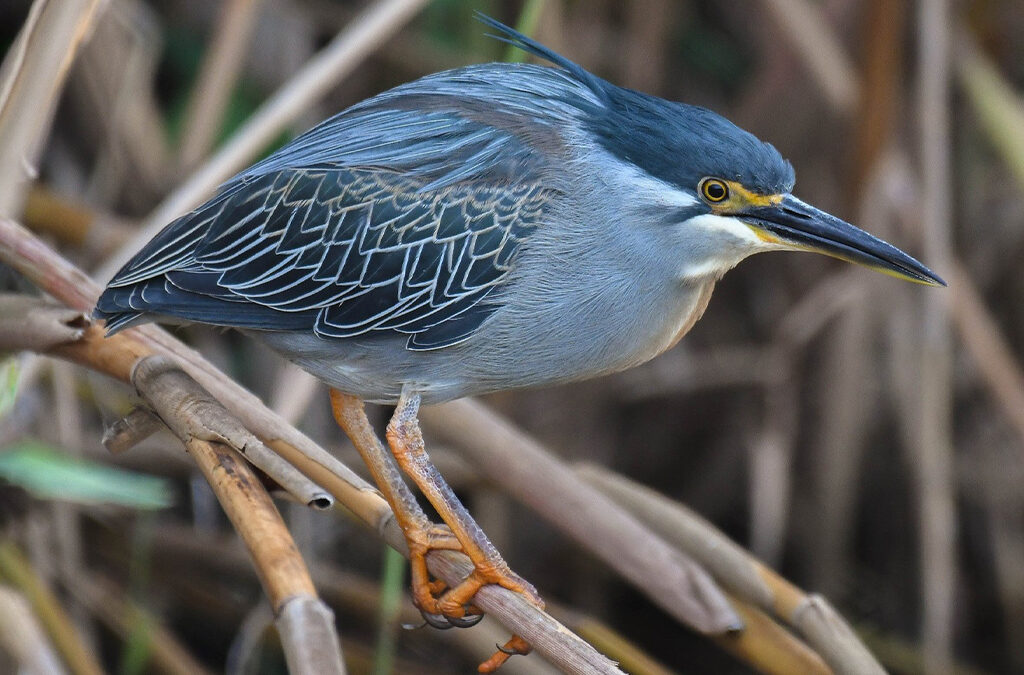
Many travellers prefer to visit Uganda during the dry season because roads are generally easier to navigate and outdoor activities often require less preparation. However, experienced birdwatchers know that the rainy months offer a different kind of adventure. Birdwatching in Uganda during the wet season can provide rewarding encounters with resident birds, migratory species, breeding birds and the remarkable wildlife that thrives in the country’s forests, wetlands and savannahs.
The wet season is sometimes considered a secret season for birding because fewer tourists visit many destinations, vegetation flourishes and food becomes more abundant. Although rain can occasionally interrupt outdoor activities, careful planning allows bird lovers to enjoy some of Uganda’s most productive birdwatching experiences.
Uganda has recorded more than 1,080 bird species, making it one of Africa’s outstanding birding destinations. From the rare shoebill in Mabamba Swamp to colourful forest birds in Bwindi Impenetrable National Park, the country offers remarkable diversity for beginners, photographers and experienced birders alike.
In this guide, discover why the wet season is an excellent time for birdwatching in Uganda, when to travel, which destinations to consider and how to prepare for a successful birding safari.
Why Is the Wet Season the Best Time for Birdwatching in Uganda?
The rainy season transforms Uganda’s landscapes. Forests become greener, wetlands fill with water, and flowering plants, fruits and insects provide food for many bird species. These seasonal changes create favourable conditions for bird activity and give visitors new opportunities to observe birds in their natural habitats.
Here are the main reasons to consider a wet-season birding safari.
1. Migratory Birds Increase Birding Opportunities
One of the biggest attractions of birdwatching in Uganda during the wet season is the opportunity to observe migratory birds. Uganda lies along important African bird migration routes, and several species arrive from Europe and other regions during the northern winter.
Many Palearctic migrants are present from approximately September to April, although their arrival and departure vary by species. October and November can therefore be rewarding months for birdwatchers interested in seeing a mixture of resident and migratory birds.
Wetlands, open grasslands, lakeshores and forest edges provide feeding and resting places for different species. Depending on the destination and season, birders may encounter migratory waders, swallows, warblers and other seasonal visitors.
For the best experience, travel with a knowledgeable local bird guide who can identify seasonal species and help you distinguish them from Uganda’s resident birds.
2. Breeding Activity Makes Birdwatching More Interesting
The wet season coincides with breeding periods for many bird species, although breeding schedules differ across habitats and individual species. During favourable conditions, birds establish territories, build nests, display courtship behaviour and raise their young.
These activities offer birdwatchers more than a checklist of sightings. With patience and responsible observation, you may witness birds carrying nesting materials, feeding their chicks or communicating with their mates.
Breeding activity can also make identification more rewarding because birds may become more vocal or display distinctive behaviour.
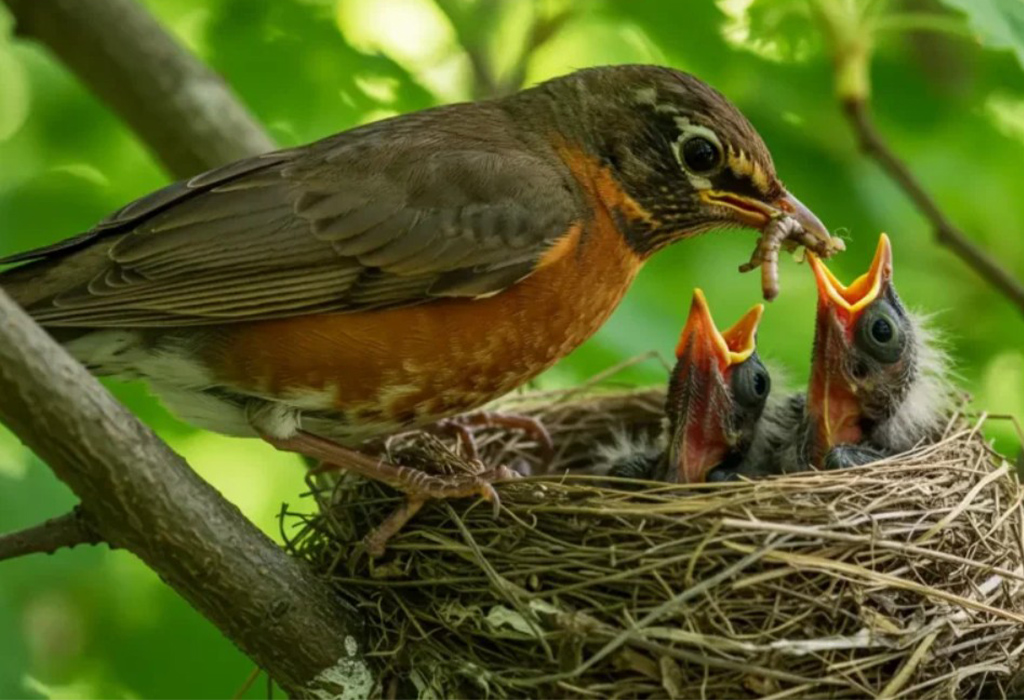
However, always maintain a respectful distance from nests and avoid disturbing breeding birds. A good birding experience should protect the wildlife that makes it possible.
3. Abundant Food Attracts Birds to Different Habitats
Rainfall supports plant growth and increases the availability of insects, fruits, nectar and other natural food sources. As vegetation flourishes, many birds find suitable feeding opportunities within forests, woodlands, grasslands and wetlands.
Insects become particularly important for insect-eating birds, while flowering plants attract nectar-feeding species and fruiting trees provide food for numerous forest birds.
This abundance can improve birdwatching opportunities because birds become active around productive feeding areas. Experienced guides often recognise these locations and know where to look for particular species.
Nevertheless, abundant food does not guarantee that every bird will be easy to spot. Dense vegetation may conceal some species, so listening for calls and moving quietly can be just as important as looking through binoculars.
4. Wetlands Become Productive Birdwatching Areas
Uganda’s wetlands are among its most valuable bird habitats. During rainy periods, rising water levels and changing vegetation can create feeding and resting areas for waterbirds and other wetland specialists.
Soft, moist soils may expose worms and other invertebrates, while shallow water can provide feeding opportunities for birds that search for fish, insects and aquatic organisms.
Mabamba Swamp, the wetlands around Lake Victoria and papyrus habitats in several national parks are particularly interesting places to explore.
Depending on water levels, weather and seasonal conditions, birdwatchers may encounter herons, egrets, ducks, jacanas, kingfishers and other wetland species. Mabamba Swamp is especially famous for the shoebill, one of Uganda’s most sought-after birds.
Because water levels and bird movements change throughout the year, local knowledge is invaluable when choosing the best places to visit.
5. Fewer Tourists Can Create a More Peaceful Experience
Many travellers schedule their holidays during the drier months, leaving some birding destinations quieter during the rainy season. For birdwatchers, this can mean a more peaceful atmosphere, fewer interruptions and more time to observe birds carefully.
With fewer visitors around certain trails and viewing points, you may find it easier to concentrate on bird calls, study plumage and photograph wildlife without feeling rushed.
However, visitor numbers vary by park and time of year, so quieter conditions are not guaranteed everywhere.
The wet season also requires flexibility. Rain can delay activities, muddy trails may slow progress, and some remote roads can become difficult to navigate. Choosing suitable accommodation and travelling with an experienced guide helps reduce these challenges.
When Is the Wet Season in Uganda?
Uganda generally experiences two main rainy seasons, although the timing and intensity vary across the country.
- March to May: The longer rainy season brings frequent rainfall to many parts of the country. Forests and wetlands become lush, although heavy showers may affect travel and outdoor activities.
- September to November: The shorter rainy season often brings another period of rainfall. October and November can offer rewarding birdwatching opportunities, including encounters with migratory species.
Some regions experience different rainfall patterns, so check local conditions before travelling.
For birdwatchers, the best time depends on the species you hope to see. Migratory birds, breeding activity and wetland conditions do not follow exactly the same calendar. If you have a particular target species, plan your itinerary around its known seasonal movements rather than relying on rainfall alone.
Best Places for Birdwatching in Uganda During the Wet Season
Uganda offers a remarkable variety of birding habitats, from tropical rainforests and montane forests to savannah parks and freshwater wetlands. Visiting several ecosystems can increase the diversity of species you encounter.
1. Bwindi Impenetrable National Park
Bwindi Impenetrable National Park is famous for its mountain gorillas, but it is also one of Uganda’s leading forest birdwatching destinations. Its rich vegetation and varied elevations support numerous forest species, including birds associated with the Albertine Rift.
Birdwatchers may look for species such as:
- Grauer’s broadbill
- Regal sunbird
- Dusky crimsonwing
- Shelley’s crimsonwing
- Grey-winged robin-chat
- Lagden’s bushshrike
The wet season brings fresh growth and an atmospheric rainforest setting. However, forest trails can become slippery, so waterproof clothing and sturdy hiking boots are essential.
For visitors interested in both forest birds and other wildlife, Bwindi offers an opportunity to combine birdwatching with additional nature-based activities.
2. Lake Mburo National Park
Lake Mburo National Park is a convenient savannah destination for travellers coming from Kampala or continuing towards southwestern Uganda. Its mixture of open grasslands, acacia woodland, lakes and papyrus wetlands creates habitats for a broad range of birds.
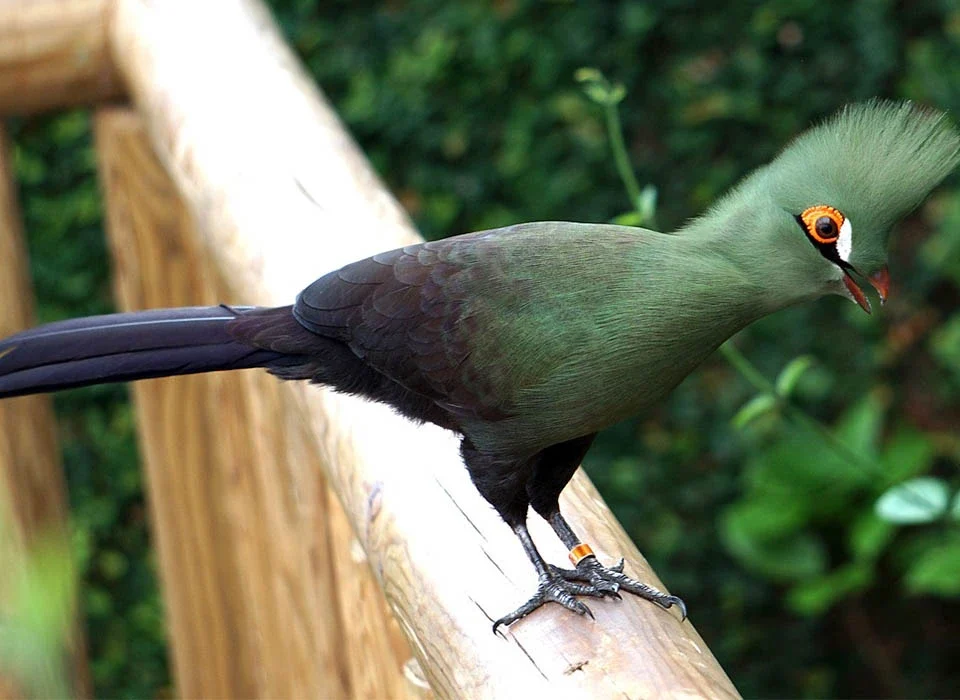
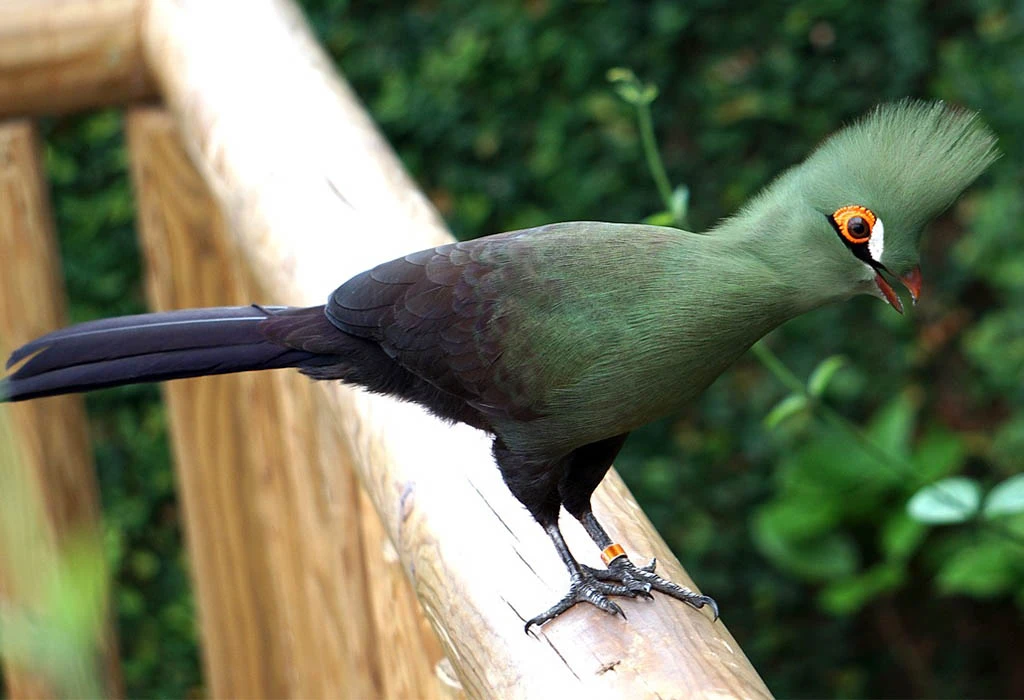
Species to look for include the red-faced barbet, African finfoot, white-winged swamp warbler and Ross’s turaco. The park also offers opportunities to observe waterbirds and savannah species within the same itinerary.
During the wet season, greener vegetation and active feeding areas can make the landscape particularly attractive to birdwatchers and photographers.
Because the park contains several habitat types, consider including both woodland and wetland locations in your birding schedule.
3. Semuliki National Park
Located in western Uganda near the Democratic Republic of the Congo, Semuliki National Park protects lowland tropical rainforest with strong Central African ecological influences.
Its birdlife makes it an important destination for birders seeking species that are difficult to find in some other Ugandan habitats.
Possible sightings include the long-tailed hawk, Nkulengu rail, Congo serpent eagle, fire-crested alethe and yellow-footed flycatcher.
Rainfall keeps the forest humid and lush, creating a beautiful environment for birdwatching. However, thick vegetation can make some species difficult to see. Listening carefully to bird calls and allowing enough time at each location can improve your chances.
4. Kidepo Valley National Park
Kidepo Valley National Park, in northeastern Uganda, offers a striking contrast to the country’s rainforest destinations. Its open savannah, rocky landscapes and seasonal watercourses support a distinctive community of birds.
Birdwatchers may search for the Karamoja apalis, black-breasted barbet, Abyssinian roller, piapiac and Clapperton’s francolin, among other species.
The wet season can bring fresh vegetation and changing bird activity, although rainfall patterns in this region differ from those in southwestern Uganda. Conditions can also affect access to certain tracks.
Kidepo is relatively remote, so allow enough time for travel and plan your birding schedule around local road and weather conditions.
5. Kibale Forest National Park
Kibale Forest National Park is well known for chimpanzees, but it also supports a rich diversity of forest birds. Its tropical rainforest and surrounding habitats make it an appealing destination for travellers interested in combining birdwatching with other wildlife experiences.
Species to look for include the green-breasted pitta, African crowned eagle, red-chested owlet, black-and-white-casqued hornbill and brown-chested alethe.
The green-breasted pitta is a particularly exciting target for experienced birders. Because some forest birds remain hidden in dense vegetation, a patient approach and a skilled local guide can make a substantial difference.
6. Mgahinga Gorilla National Park
Mgahinga Gorilla National Park is Uganda’s smallest national park, yet its montane forests and volcanic landscapes provide important habitats for specialised bird species.
Birdwatchers may encounter the Rwenzori turaco, Rwenzori double-collared sunbird, cinnamon-chested bee-eater and dusky turtle dove.
The park’s high-altitude environment offers a different experience from the country’s lowland forests and wetlands. During rainy periods, trails can become muddy and mist may reduce visibility, so plan excursions carefully and carry appropriate outdoor gear.
7. Mabamba Swamp
Mabamba Swamp, on the northern shores of Lake Victoria, is one of Uganda’s best-known wetland birdwatching destinations. It is particularly famous for the shoebill, a large, distinctive bird that attracts visitors from around the world.
Other birds recorded in the wetland include the African fish eagle, lesser jacana, papyrus gonolek, African pygmy goose and white-backed duck.
Birdwatching often takes place from a small boat moving slowly through papyrus channels. A knowledgeable guide can help locate birds while ensuring that the boat keeps a respectful distance from wildlife.
Water levels, vegetation and bird movements influence sightings throughout the year. Although the wet season can provide rewarding conditions, the shoebill is not guaranteed on every trip.
Practical Tips for a Successful Wet-Season Birding Safari
Good preparation helps you enjoy birdwatching even when showers interrupt your plans.
Before setting off, consider these practical tips:
- Carry waterproof clothing: A lightweight rain jacket and waterproof protection for your camera, phone and binoculars will help you stay comfortable.
- Wear suitable footwear: Choose sturdy, comfortable hiking boots with good grip, especially for rainforest trails and muddy tracks.
- Bring binoculars: Good binoculars make it easier to identify birds without disturbing them.
- Use a bird field guide: A reliable field guide or offline bird-identification application can help you record and identify sightings.
- Start early: Early mornings are often productive because many birds feed and call actively during the cooler hours.
- Hire an experienced local guide: Local guides can identify calls, explain bird behaviour and help you locate species in different habitats.
- Allow extra travel time: Heavy rain may affect road conditions, so avoid scheduling demanding journeys too tightly.
- Respect wildlife: Keep your distance from nests, avoid playing bird calls excessively and follow conservation guidelines.
Most importantly, remain flexible. A shower may temporarily interrupt your plans, but a change in weather can also reveal new bird activity once conditions improve.
Why Choose Uganda for a Birdwatching Safari?
Uganda combines exceptional bird diversity with a relatively compact network of contrasting habitats. Within one carefully planned itinerary, birdwatchers can explore tropical rainforests, mountain forests, open savannahs, lakeshores and extensive wetlands.
This variety makes the country attractive to both first-time birders and experienced enthusiasts seeking rare or specialised species.
A well-planned Uganda birdwatching safari can include:
- Forest birding in Bwindi, Kibale or Semuliki.
- Shoebill searches in Mabamba Swamp.
- Savannah birding in Lake Mburo or Kidepo Valley.
- Montane birdwatching in Mgahinga.
- Guided excursions focused on Albertine Rift endemics and other regional specialities.
Working with a knowledgeable local guide also helps you choose destinations according to your interests, available time and target species.
Final Thoughts: Is the Wet Season Worth It for Birdwatching in Uganda?
Yes, the wet season can be one of the most rewarding times for birdwatching in Uganda, particularly for travellers interested in migratory species, breeding behaviour, lush landscapes and productive wetland habitats.
The experience does require preparation. Rain can make trails slippery, affect road access and occasionally interrupt excursions. Nevertheless, the opportunity to explore Uganda’s diverse bird habitats under changing seasonal conditions makes the effort worthwhile.
Whether you hope to spot a shoebill in Mabamba Swamp, search for Albertine Rift endemics in Bwindi or discover specialised forest birds in Semuliki, Uganda offers memorable opportunities throughout the year.
Plan your journey around your target species, choose destinations that suit the season and travel with experienced local guides. With patience, suitable equipment and a flexible itinerary, birdwatching in Uganda during the wet season can become an unforgettable wildlife experience.