How to Book Rwanda Gorilla Trekking?
October 19, 2026
Why the Wet Season Is the Best Time for Birdwatching in Uganda
October 19, 2026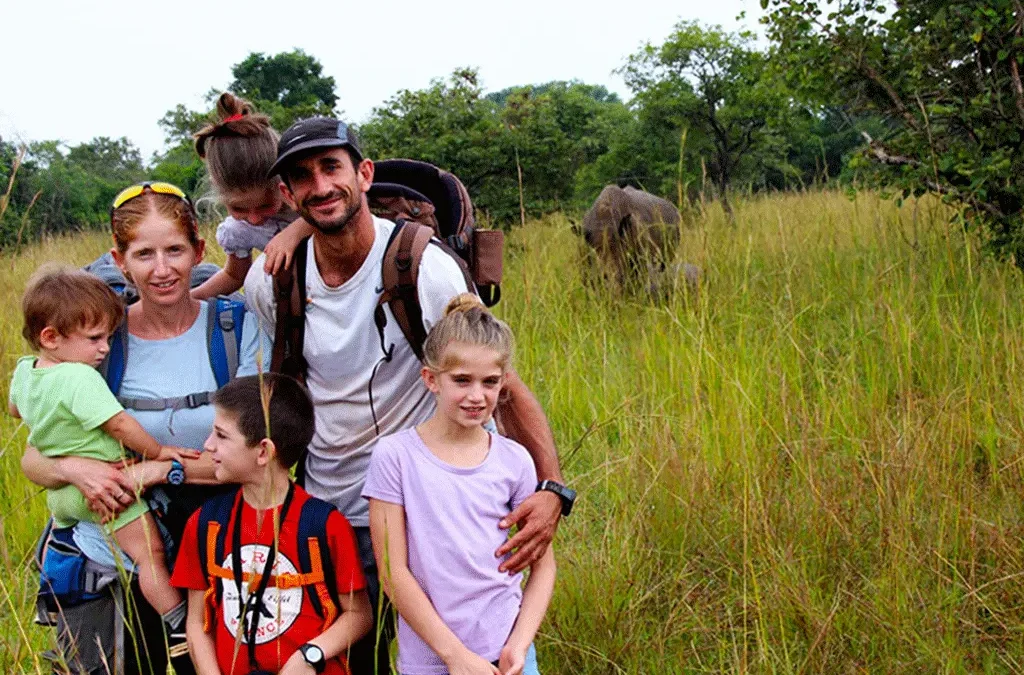
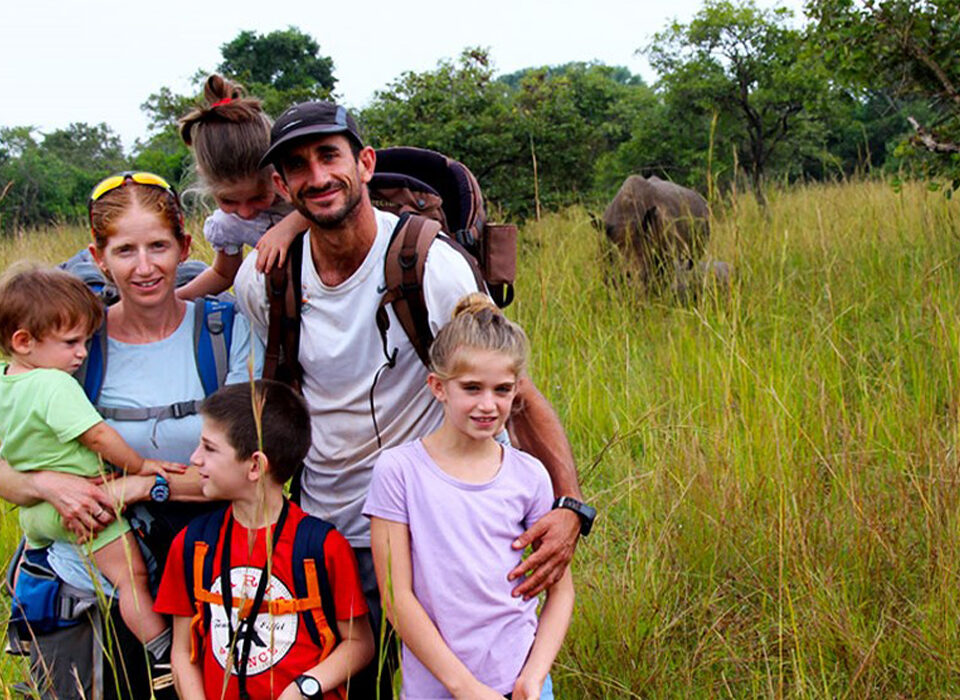
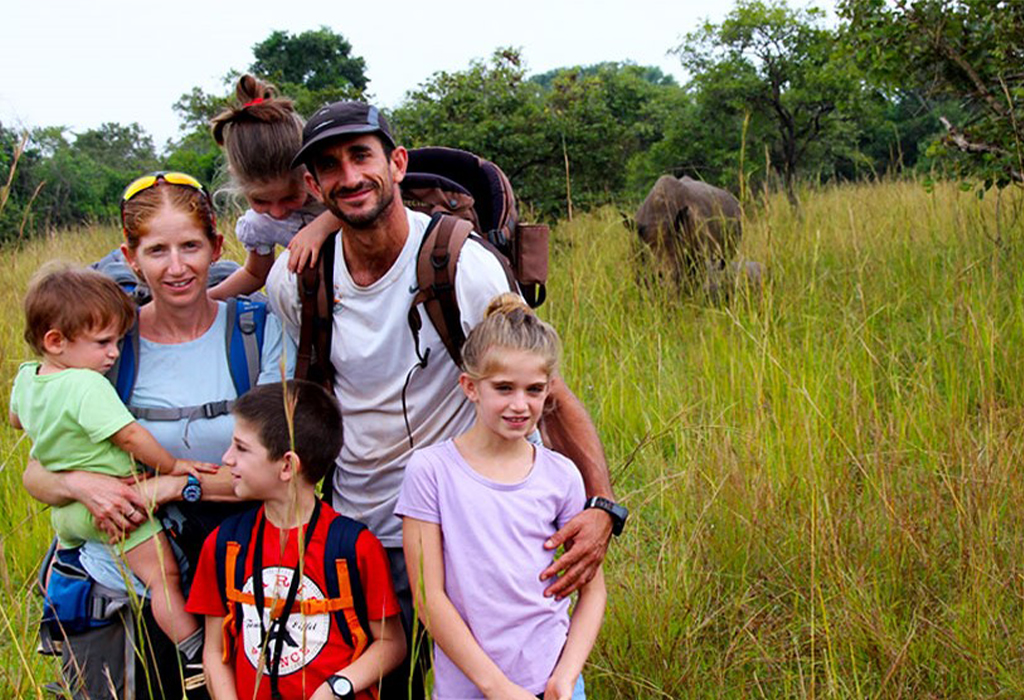
Some of the most unforgettable moments on safari happen when a child encounters wildlife for the first time. Imagine your family watching elephants cross a dusty track, listening to hippos call across a river, or quietly observing a mountain gorilla in its natural habitat. In those moments, everyone becomes fully present, sharing an experience that no screen or ordinary holiday can replicate.
A family safari in Uganda offers much more than an exciting getaway. It brings families closer, introduces children to wildlife and conservation, and creates opportunities to discover new cultures together. From the vast savannahs of Murchison Falls National Park to the lush forests of Bwindi Impenetrable National Park, Uganda offers remarkable experiences for families seeking adventure, learning, relaxation, and meaningful connections.
At Experiya Tour Company, we believe that the best family holidays combine discovery with comfort, flexibility, and time together. Whether you are travelling with young children, teenagers, parents, or grandparents, a well-planned Uganda safari can become one of your family’s most treasured experiences.
Here are ten powerful benefits of travelling as a family on a Uganda safari in 2026.
Why Choose Uganda for a Family Safari?
Uganda combines diverse wildlife, beautiful landscapes, welcoming communities, and a wide range of safari activities within one destination. Families can explore open savannahs, tropical forests, lakes, rivers, and traditional communities during a single trip.
The country’s leading safari destinations offer different experiences:
- Murchison Falls National Park: Enjoy game drives, elephant sightings, and boat cruises along the Nile.
- Queen Elizabeth National Park: Search for lions, elephants, buffaloes, and other wildlife, and explore the famous Kazinga Channel.
- Bwindi Impenetrable National Park: Discover the importance of mountain gorilla conservation, with gorilla trekking available to eligible visitors aged 15 and above.
- Kibale National Park: Explore tropical forest ecosystems and learn about chimpanzees. Standard chimpanzee trekking is generally available to visitors aged 12 and above.
- Lake Mburo National Park: Experience wildlife viewing, birdwatching, and selected guided activities in a compact and scenic park.
With thoughtful planning, families can enjoy these experiences at a pace that suits their ages, interests, and budget.
1. A Family Safari Creates Lifelong Memories
Children may forget the details of an ordinary holiday, but extraordinary shared experiences often remain vivid for years. On a family safari in Uganda, these moments happen naturally: watching elephants gather near a waterhole, spotting a giraffe for the first time, or seeing the sun set over the savannah after an exciting game drive.
What makes these experiences special is the opportunity to share them. Parents can witness their children’s excitement, siblings can celebrate wildlife sightings together, and grandparents can pass down stories that connect generations.
Unlike holidays built around shopping or entertainment, a Uganda family safari gives everyone something meaningful to remember. Long after returning home, your family may still talk about the boat cruise on the Nile, the sounds of the African bush at night, or the guide who helped you identify your first eagle.
2. Travelling Together Strengthens Family Bonds
Modern family life can become busy, with work, school, household responsibilities, and digital distractions competing for attention. A family safari creates space to reconnect by bringing everyone into the same experience.
During a Uganda safari, families spend time together on game drives, share meals at their lodge, enjoy scenic journeys, and discuss the wildlife they encounter. These simple moments often encourage conversations that might not happen during a normal week at home.
Furthermore, shared adventures help families develop a stronger sense of identity. When parents, children, and grandparents overcome small challenges and celebrate exciting discoveries together, they create stories that become part of their family history.
A carefully planned itinerary also leaves room for rest, ensuring that family bonding does not become another demanding schedule.
3. Children Learn About Wildlife Beyond the Classroom
One of the greatest benefits of a family safari in Uganda is the opportunity for practical learning. Instead of reading only about ecosystems in a textbook, children can observe animals, plants, habitats, and natural processes in real life.
A knowledgeable safari guide can explain why elephants travel in herds, how predators hunt, why birds have different beak shapes, and how forests support countless species. As a result, everyday wildlife sightings become engaging lessons in biology, geography, and ecology.
Families can also introduce children to conservation through responsible tourism. By learning how protected areas support wildlife and local livelihoods, young travellers begin to understand why protecting nature matters.
For younger children, the Uganda Wildlife Conservation Education Centre in Entebbe offers an opportunity to learn about native wildlife in an educational setting. It can be a useful addition before or after visiting the national parks.
4. Family Safaris Introduce Children to New Cultures
Uganda’s cultural diversity makes a family safari an opportunity to discover more than wildlife. With numerous ethnic communities, languages, traditions, and local cuisines, the country offers families many ways to learn about different ways of life.
Depending on the destination and community arrangements, families can participate in traditional dance performances, listen to storytelling, explore local crafts, or learn about farming and everyday livelihoods. These encounters help children understand that communities have different histories, customs, and perspectives.
For example, families visiting the Bwindi region can explore community-led cultural experiences that explain local traditions and the relationship between people, forests, and conservation. Near Queen Elizabeth National Park, guided community visits can provide insight into rural life and the challenges of living alongside wildlife.
Most importantly, respectful cultural tourism encourages children to ask questions, appreciate differences, and approach unfamiliar experiences with curiosity rather than judgement.
5. Time in Nature Encourages Children to Disconnect From Screens
Phones, tablets, video games, and social media occupy much of modern family life. Although digital technology has its place, spending every free moment in front of a screen can leave families with fewer opportunities to explore the world around them.
A family wildlife safari in Uganda offers a refreshing alternative. Children can watch monkeys move through trees, count elephants during a game drive, identify birds, or listen to the sounds of the forest. These experiences give them something exciting to focus on beyond their devices.
Parents can make the most of this opportunity by establishing simple screen-free periods during game drives, meals, and nature walks. Giving children binoculars, wildlife journals, or a camera can make the experience even more engaging.
In addition, spending time outdoors can help families unwind, enjoy fresh air, and break away from demanding daily routines. The goal is not to eliminate technology completely, but to create more space for genuine connection and discovery.
6. Uganda Offers Activities for Different Ages
A successful family safari should accommodate different interests, energy levels, and physical abilities. Fortunately, Uganda offers a broad selection of activities, allowing families to build an itinerary around their needs.
For younger children:
- Take boat cruises on the Nile or Kazinga Channel.
- Enjoy shorter, age-appropriate game drives.
- Visit wildlife education centres.
- Watch birds and smaller animals with a guide.
For older children and teenagers:
- Join eligible chimpanzee trekking experiences.
- Explore wildlife-rich savannah parks.
- Participate in selected guided nature activities.
- Consider age-appropriate adventure activities around Jinja.
For parents and grandparents:
- Enjoy relaxed game drives and scenic boat safaris.
- Spend time birdwatching or photographing wildlife.
- Relax at a comfortable safari lodge.
- Discover local culture and enjoy peaceful views of the surrounding landscape.
Families may also visit the Ishasha sector of Queen Elizabeth National Park, which is known for its tree-climbing lions. Sightings are never guaranteed, but searching for these unusual animals can be an exciting part of the adventure.
When selecting activities, remember that gorilla trekking in Uganda has a minimum age of 15, while standard chimpanzee trekking generally requires participants to be at least 12. Always confirm current age requirements and activity restrictions before booking.
7. Travelling Together Builds Environmental Responsibility
Seeing wildlife in its natural habitat can help children understand why conservation matters. A photograph of an endangered animal provides information, but observing that animal in the wild can make the need to protect it feel much more real.
During a Uganda family safari, children can learn about habitat loss, poaching, human-wildlife conflict, and the importance of protected areas. Guides can explain how conservation initiatives support biodiversity and why responsible visitor behaviour matters.
Parents can reinforce these lessons by encouraging children to follow park rules, avoid disturbing animals, dispose of waste responsibly, and respect local communities.
Where appropriate, families can also choose community-led tourism experiences and responsible accommodation providers. These choices help demonstrate that travel can support conservation and local livelihoods when managed carefully.
Ultimately, a safari can inspire children to become more thoughtful travellers and more responsible stewards of the natural world.
8. A Family Safari Provides Time to Relax and Recharge
Family holidays should not be all about activity. They should also provide opportunities to rest, reconnect, and enjoy a slower pace of life.
On a Uganda safari, mornings may begin with an early game drive, while afternoons can include a relaxed lunch, time at the lodge, or a scenic boat cruise. Evenings offer opportunities to share stories, enjoy dinner, and watch the changing colours of the African sky.
Stepping away from work, school, and household routines can help families feel more refreshed. Nature-based activities also offer opportunities to enjoy the outdoors and take a break from everyday pressures.
However, planning makes a difference. Long road journeys, early starts, and demanding activities can tire younger children and older travellers. Experiya Tour Company can help families balance wildlife adventures with suitable travel times, comfortable accommodation, and rest periods.
By allowing enough time to relax, families can enjoy the safari without feeling rushed from one destination to another.
9. International Travel Helps Children Develop a Broader Worldview
Travelling through Uganda exposes children to different landscapes, communities, languages, and ways of life. These experiences can help them develop curiosity, adaptability, and a broader understanding of the world.
For instance, a journey from Kampala to a national park reveals changing landscapes, bustling trading centres, farms, and rural communities. Visits to local markets or cultural attractions can introduce children to unfamiliar foods, crafts, and traditions.
Travel also gives children opportunities to practise patience, adapt to new routines, communicate respectfully, and cope with unfamiliar situations. These experiences can strengthen confidence and encourage independence.
Parents can deepen the learning by involving children in simple planning decisions, such as choosing which animals to learn about before a game drive or keeping a journal of daily discoveries.
Most importantly, responsible family travel teaches children to appreciate cultural differences without making assumptions about other people’s lives. It helps them recognise that the world is diverse and that every community has its own knowledge, experiences, and traditions.
10. A Uganda Family Safari Can Suit Different Budgets
An African safari may seem expensive at first, particularly when several family members are travelling together. However, Uganda offers different accommodation categories, transport options, and itinerary lengths that can help families manage their spending.
Budget-conscious families can consider shorter itineraries, simpler accommodation, or parks that offer excellent wildlife viewing without requiring specialist activities. Families with more flexibility may choose private vehicles, family suites, or additional experiences tailored to their interests.
Gorilla trekking is a major attraction, but it is not essential for every family safari. Because the minimum age is 15, families travelling with younger children can focus on game drives, boat safaris, nature activities, and cultural experiences instead.
When planning your budget, remember to account for:
- Accommodation and meals.
- Transport, fuel, and driver-guide services.
- National park entry fees.
- Activity charges and any required permits.
- International flights, visas, insurance, and personal expenses.
Gorilla permit prices and other safari charges can change, so confirm the latest official rates before making a booking. Rather than choosing an itinerary on price alone, compare what each package includes and how well it meets your family’s needs.
Experiya Tour Company can help you explore suitable Uganda family safari packages and develop an itinerary that balances affordability, comfort, and memorable experiences.
Practical Tips for Planning Your Uganda Family Safari
Once you have decided to travel together, a little preparation can make your safari more comfortable and enjoyable.
Book popular activities early. Gorilla trekking permits and family accommodation can be limited during busy travel periods. Reserve in advance and confirm all activity requirements.
Choose destinations that suit your children’s ages. Savannah game drives and boat cruises may be more appropriate for younger travellers than long forest treks. Consider everyone’s interests and physical abilities.
Pack for changing weather. Bring comfortable walking shoes, lightweight long-sleeved clothing, sun protection, insect repellent, reusable water bottles, and rain jackets where appropriate.
Keep the itinerary realistic. Avoid scheduling too many activities or long transfers on consecutive days. Include opportunities for meals, rest, and unexpected wildlife sightings.
Prepare children before departure. Discuss the animals they might see, explain safety rules, and encourage them to learn about Uganda’s wildlife and cultures.
Choose an experienced local tour operator. A reliable operator can coordinate accommodation, transport, park activities, guides, and family-specific arrangements. Confirm the services included in your package before paying.
Plan Your Uganda Family Safari With Experiya Tour Company
A family safari in Uganda is an opportunity to experience nature, strengthen relationships, discover new cultures, and create memories that stay with you long after the journey ends. From watching elephants cross the savannah to learning about conservation and sharing stories around the dinner table, every day can bring a new reason to appreciate travelling together.
At Experiya Tour Company, we help families plan personalised Uganda safari holidays based on their children’s ages, travel dates, interests, comfort preferences, and budgets. Whether you are considering a short wildlife getaway, a multi-park adventure, or a multi-generational African holiday, we can help you explore the options.
Ready to plan your family safari in Uganda in 2026? Contact Experiya Tour Company to discuss your preferred destinations, activities, and budget, and start creating an itinerary that brings your family closer to Uganda’s extraordinary wildlife and cultural heritage.