Best women’s tourism activities in Uganda
May 6, 2026
Why Mgahinga Deserves a Spot on Your Bucket List
May 7, 2026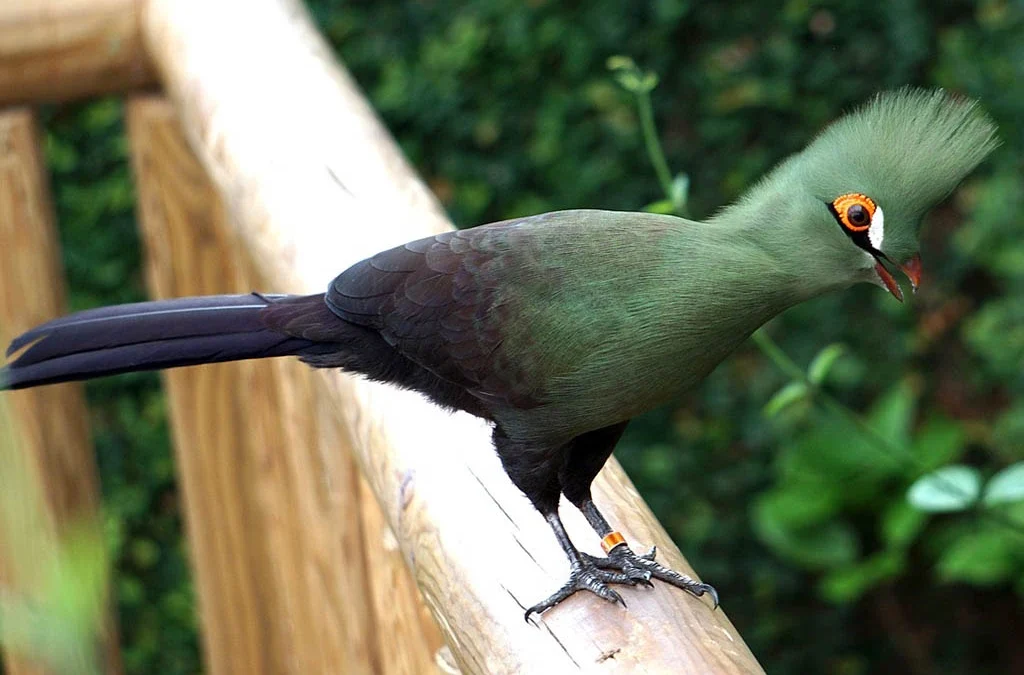
Birding in Kibale Forest National Park ranks among the most rewarding avian experiences in Africa. I have walked these forest trails at first light, listening as the canopy slowly comes alive with calls, whistles, and wingbeats, and it is an experience that stays with you long after you leave. While many travelers know Kibale as the “Primate Capital of the World,” its birdlife is equally captivating and, in many ways, even more immersive for those willing to slow down and observe.
Located in western Uganda, Kibale offers a remarkable blend of habitats and over 370 recorded bird species. Because of this diversity, both seasoned ornithologists and first-time birders find something extraordinary here. Every outing feels different, and every trail holds the promise of discovery.
About Kibale Forest National Park
Kibale Forest National Park covers approximately 795 square kilometres of lush, moist evergreen rainforest. The park lies within the Albertine Rift Valley at elevations ranging from 1,100 to 1,600 metres above sea level. This variation in altitude creates a rich ecological mix, which directly supports the park’s impressive bird diversity.
As you move through Kibale, the landscape shifts subtly but meaningfully. Dense forest interiors give way to open grasslands, while swampy wetlands and riverine corridors create additional niches for birdlife. Because of these transitions, birders can encounter completely different species within a relatively short distance.
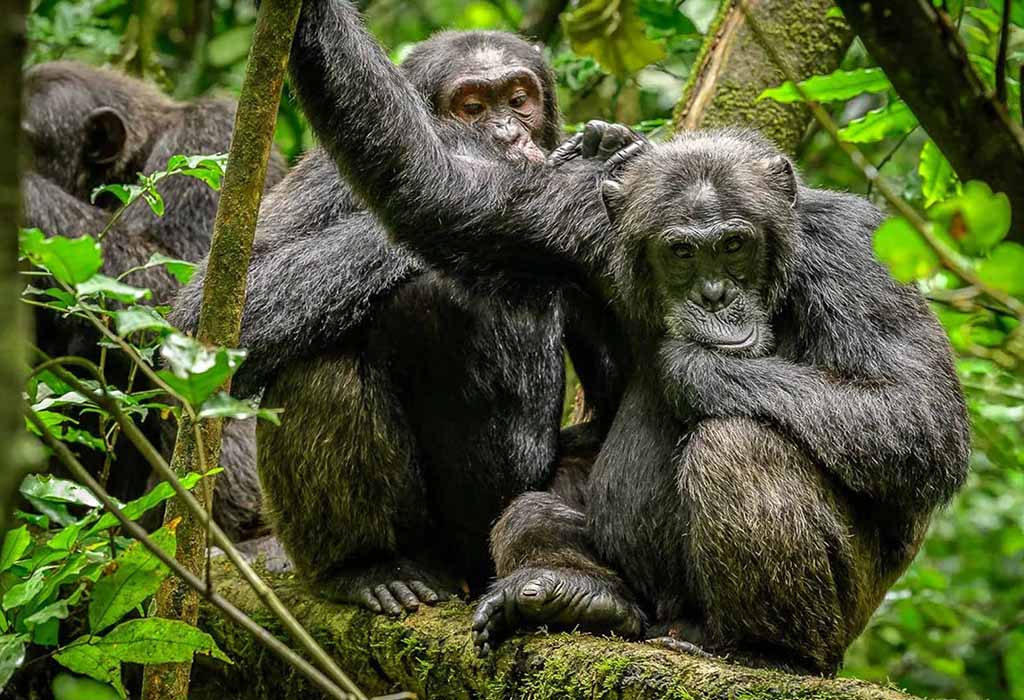
Although chimpanzee trekking often takes center stage, birding here feels deeply rewarding. In fact, those who dedicate time specifically to birdwatching quickly realize that Kibale stands among East Africa’s most species-rich and exciting birding destinations. The combination of forest specialists, Albertine Rift endemics, and migratory species creates a layered and dynamic experience.
Top Birding Locations in Kibale
Kanyanchu Visitor Centre
Most birding adventures in Kibale begin at the Kanyanchu Visitor Centre, and for good reason. This area provides direct access to the forest interior, where the birdlife is both dense and diverse. I recommend starting early, ideally around 7:00 am, when the forest is still cool and birds are at their most active.
The trails around Kanyanchu offer one of the best chances in Africa to search for the elusive Green-breasted Pitta. Spotting this species requires patience and attention, as it rarely reveals itself easily. Instead of relying on sight alone, I learned to listen carefully for its distinctive wing-drumming display. With the guidance of an experienced expert from Experiya Tour Company, the chances of locating this remarkable bird improve significantly.
As you continue along the trails, you will notice how the forest reveals itself slowly. Sunlight filters through the canopy, illuminating flashes of color as birds move between branches. Each step feels deliberate, and every sound invites closer attention.
Bigodi Wetland Sanctuary
Just outside the park, Bigodi Wetland Sanctuary offers a completely different birding environment. Transitioning from dense forest to open wetland feels like entering another world altogether. The sanctuary features papyrus swamps, water channels, and patches of woodland, each attracting unique bird species.
Walking along the well-maintained boardwalk, which stretches roughly 4.5 kilometres, I found the pace naturally slows down. Birding here becomes less about searching and more about observing. The Great Blue Turaco, often seen gliding between trees with striking blue and green plumage, is undoubtedly the star attraction.
Equally important, visiting Bigodi supports local conservation efforts. The community manages the sanctuary, and your visit contributes directly to their livelihoods. This connection adds depth to the experience, making it not only about birds but also about people and sustainability.
Sebitoli Sector
For a quieter and more secluded birding experience, the Sebitoli sector in northern Kibale provides an excellent alternative. Fewer visitors reach this part of the park, which makes it ideal if you prefer solitude and uninterrupted birdwatching.
The Mpanga River runs through this area, creating perfect conditions for riverine species. One of the most exciting birds to look out for here is the Shining-blue Kingfisher. I remember catching only a brief glimpse as it darted past like a flash of electric blue, reminding me just how fleeting and thrilling bird encounters can be.
Because of the reduced human activity, birds here tend to behave more naturally. As a result, patient observers often enjoy more intimate sightings.
Key Bird Species to Look For
Kibale’s birdlist is not just extensive; it is strategically exciting. Many species found here are rare or difficult to see elsewhere in Uganda, which makes every sighting feel significant.
Among the most sought-after birds are the Green-breasted Pitta, African Pitta, and Great Blue Turaco. Spotting all three during a single visit is entirely possible, especially with proper planning and expert guidance from Experiya Tour Company.
In addition, Kibale hosts several species that are rarely recorded in other Ugandan parks. These include Nahan’s Francolin, a shy ground-dwelling bird that prefers dense forest, and Cassin’s Spinetail, which moves swiftly through the canopy. You may also encounter the Blue-headed Bee-eater and the active Masked Apalis, both of which add color and movement to the forest.
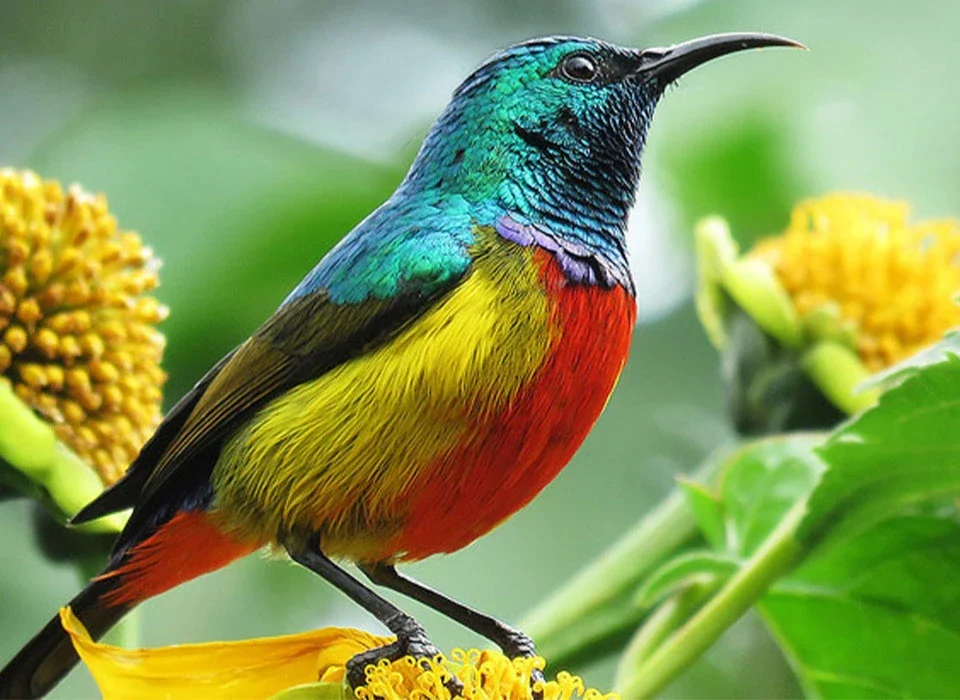
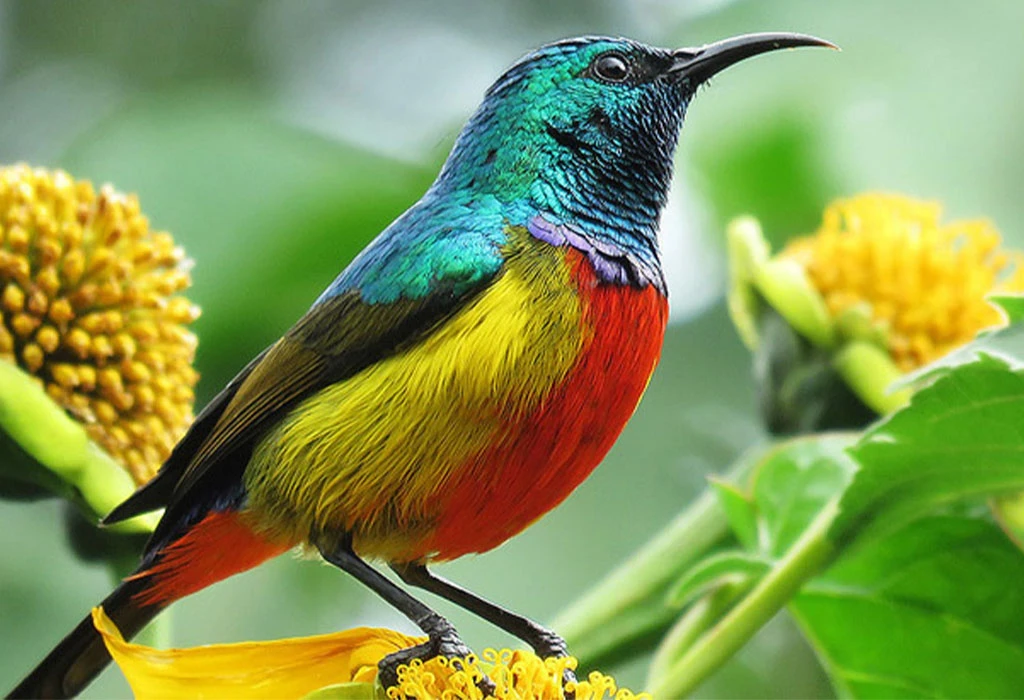
Because Kibale lies within the Albertine Rift, it also supports a number of endemic species. Birds such as the Red-faced Woodland Warbler, Black-capped Apalis, Dusky Crimsonwing, and Purple-breasted Sunbird highlight the park’s global conservation importance.
Beyond these specialties, the forest hosts a wide range of classic African species. The Black Bee-eater, Yellow-spotted Nicator, and African Grey Parrot frequently capture attention, especially when seen in their natural habitat.
When to Visit for Birding
Birding in Kibale remains rewarding throughout the year. However, the experience changes with the seasons, and understanding these patterns can enhance your trip.
During the rainy seasons, from March to May and September to November, bird activity peaks. Although the trails can become muddy, birds are more vocal and often display their breeding plumage. Personally, I find this period incredibly vibrant, as the forest feels alive with sound and movement.
On the other hand, the dry seasons, from June to August and December to February, offer easier walking conditions. These months also attract more visitors, which can slightly change the atmosphere. However, if you are interested in migratory species, the period between November and April provides excellent opportunities to see additional birds that are not present year-round.
What to Pack for Birding
Preparation plays a key role in enjoying birding in Kibale. A good pair of binoculars is essential, especially in the dim forest interior where visibility can be limited. I always carry a reliable field guide to help identify species quickly and accurately.
A camera with a zoom lens proves useful, although capturing birds in dense forest can be challenging. Waterproof hiking boots make a significant difference, particularly during wet conditions, while long-sleeved clothing in neutral tones helps you blend into the environment.
In addition, a light rain jacket comes in handy, as weather in the forest can change unexpectedly. Insect repellent is equally important, especially during early morning walks and in wetland areas like Bigodi.
Planning Your Birding Experience
To make the most of your visit, consider combining birding with chimpanzee trekking. This approach allows you to experience both of Kibale’s defining attractions in a single trip. For example, you can begin your day with an early chimpanzee trek and then spend the afternoon exploring Bigodi Wetland Sanctuary.
Working with Experiya Tour Company helps streamline the entire experience. From organizing permits to arranging knowledgeable guides, their support ensures that you focus entirely on the experience rather than logistics.
Accommodation options around Kibale cater to a range of preferences, from comfortable mid-range lodges to more luxurious stays. Choosing a location close to the park allows you to start early and maximize your time in the field.
Final Thoughts
Kibale Forest National Park offers far more than a checklist of bird species. It delivers a deeply immersive experience where every sound, movement, and moment feels connected to the natural world. As you walk beneath the towering trees, you begin to notice details you might otherwise miss the subtle rustle of leaves, the distant call of a turaco, or the sudden flash of color in the undergrowth.
Because of its rich biodiversity, varied habitats, and unique species, Kibale stands out as one of East Africa’s most complete birding destinations. Whether you are an experienced birder or simply curious about the natural world, this forest invites you to slow down, observe, and truly connect.
In the end, birding in Kibale is not just about what you see. It is about how you experience the forest and how the forest stays with you long after you leave.