
Activities and Attractions in Fort Portal
September 14, 2026
How to Access the Royal Mile from Murchison Falls National Park
September 14, 2026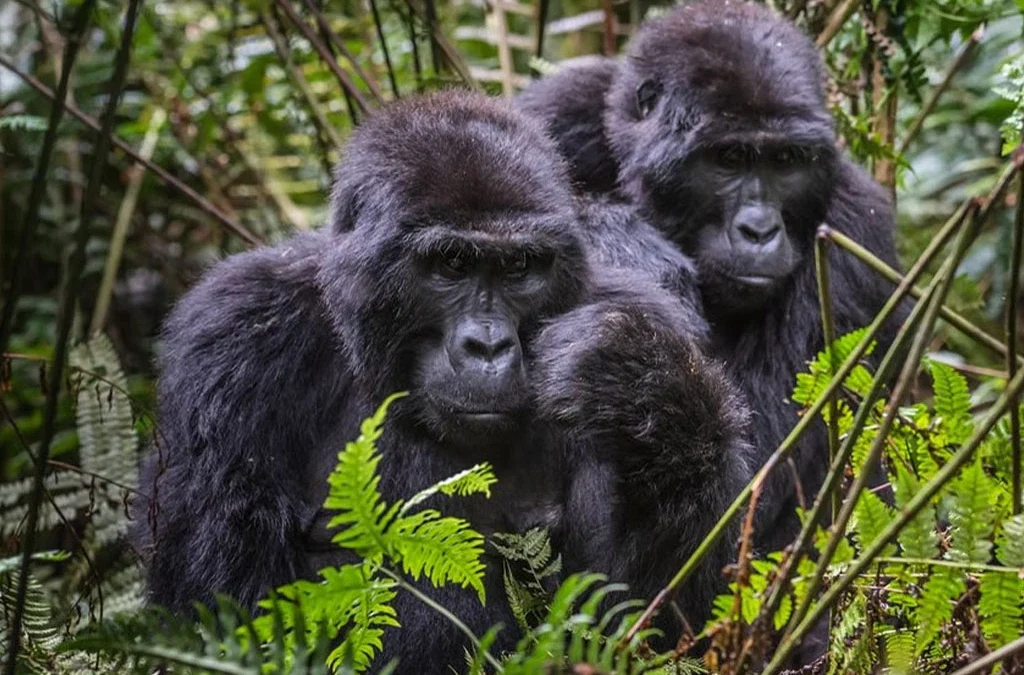
Bwindi Impenetrable National Park offers one of Uganda’s most rewarding wildlife and nature experiences. Located in southwestern Uganda, this UNESCO World Heritage Site protects an ancient rainforest that supports an extraordinary variety of plants, birds, mammals, and primates. Most famously, Bwindi shelters a significant portion of the world’s remaining mountain gorillas, making it one of Africa’s premier destinations for gorilla trekking.
However, there is much more to Bwindi than gorillas. A five-day visit gives you enough time to combine gorilla trekking with forest walks, birdwatching, cultural experiences, scenic hikes, and a relaxing excursion around Lake Mutanda. Instead of rushing from one activity to another, you can enjoy the forest at a comfortable pace while discovering the communities and landscapes surrounding the park.
Here is a practical five-day itinerary for exploring Bwindi and its surroundings.
Day 1: Arrive in Bwindi and Explore the Forest
Your adventure begins with the journey to Bwindi. You can travel by road from Kampala or Entebbe, a journey that usually takes most of the day depending on your route, road conditions, and final destination within the Bwindi region. Alternatively, travelers who prefer to save time can take a scheduled or chartered domestic flight toward Kihihi or Kisoro and continue by road to their lodge.
Bwindi has several trekking sectors, including Buhoma, Ruhija, Rushaga, and Nkuringo. Your accommodation should therefore match the sector where your gorilla permit is booked.
After checking in and having lunch, spend the afternoon enjoying a gentle nature walk if time and weather allow. This provides an excellent introduction to the rainforest before your main activities begin.
As you walk beneath the dense canopy, listen for birds calling from the treetops and watch for monkeys moving through the vegetation. The forest also contains enormous trees, ferns, vines, mosses, and other plant species that create the distinctive atmosphere for which Bwindi is famous.
The first day should remain relaxed. Rest well in the evening because the following morning brings the highlight of your trip.
Day 2: Gorilla Trekking in Bwindi
Gorilla trekking forms the centerpiece of most Bwindi itineraries. Start your morning with breakfast before heading to the relevant park headquarters for registration and a pre-trek briefing. Rangers explain the trekking procedures, safety requirements, and responsible behavior around the gorillas.
The trek itself can be challenging because Bwindi contains steep slopes, muddy paths, thick vegetation, and changing weather conditions. Trekking time varies considerably because mountain gorillas move through the forest each day. Your ranger team tracks their location and guides you along the appropriate route.
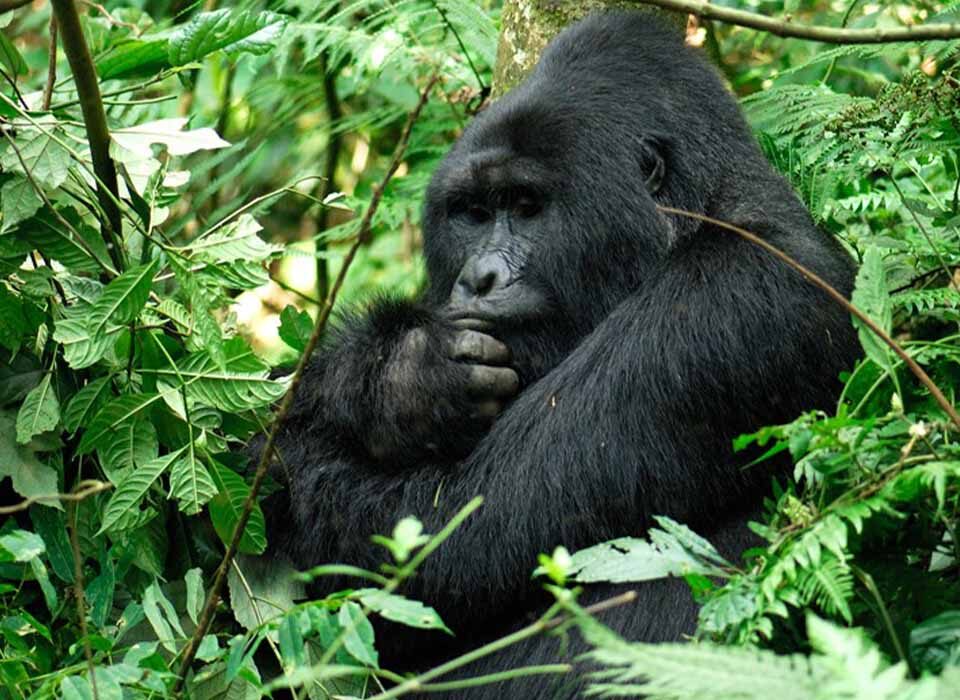
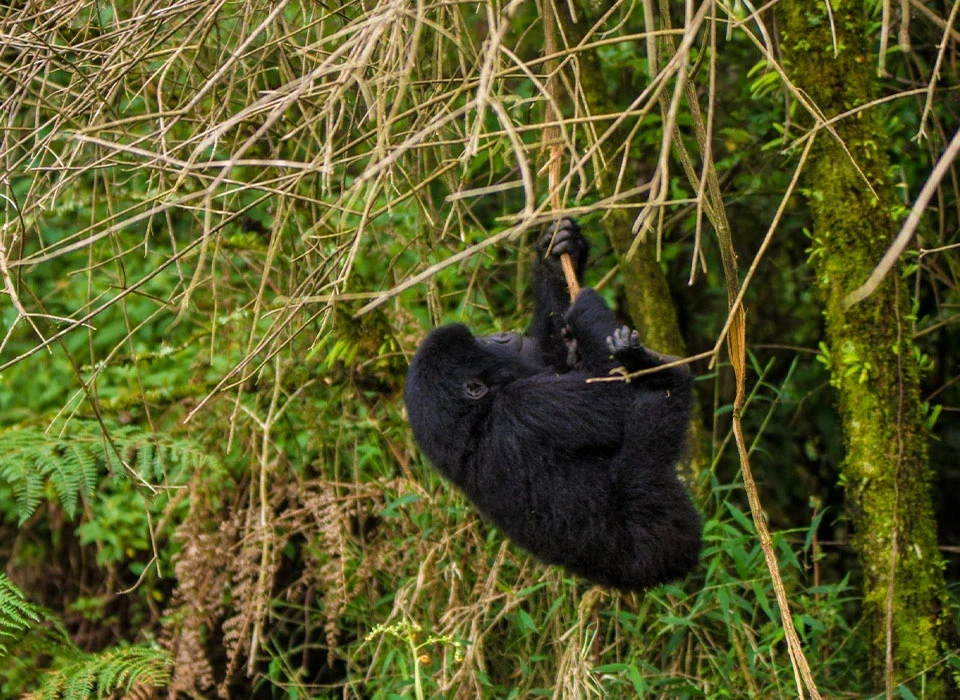
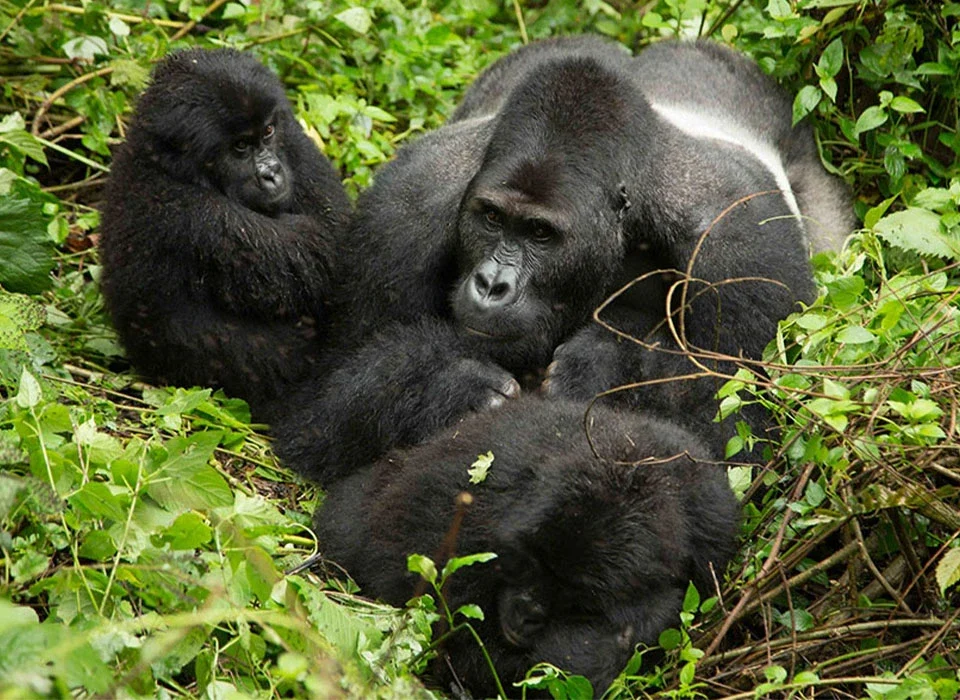
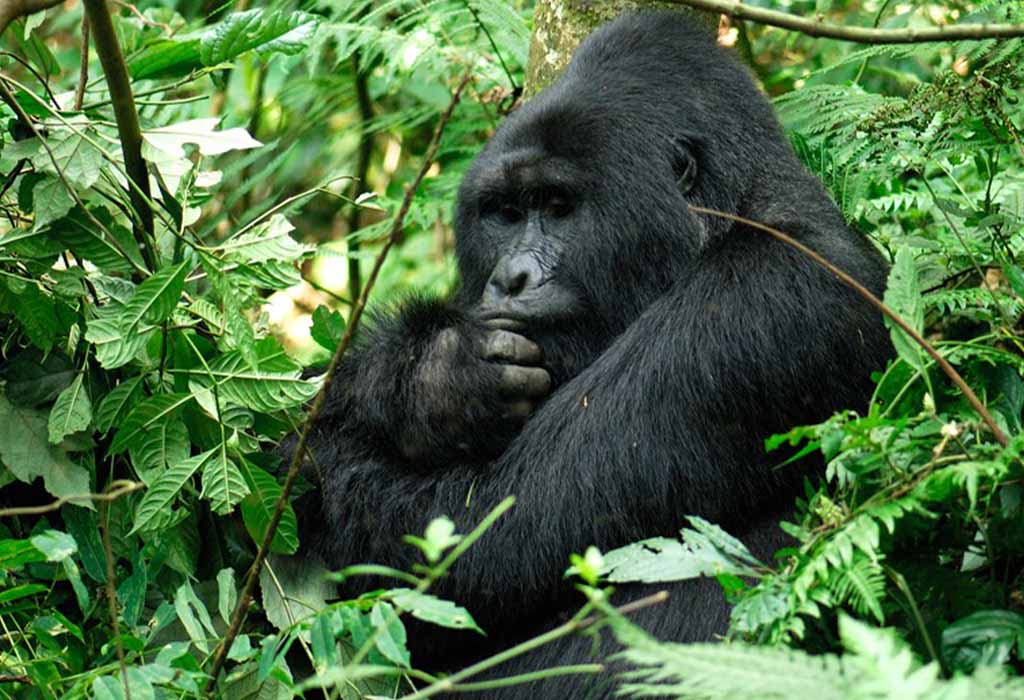
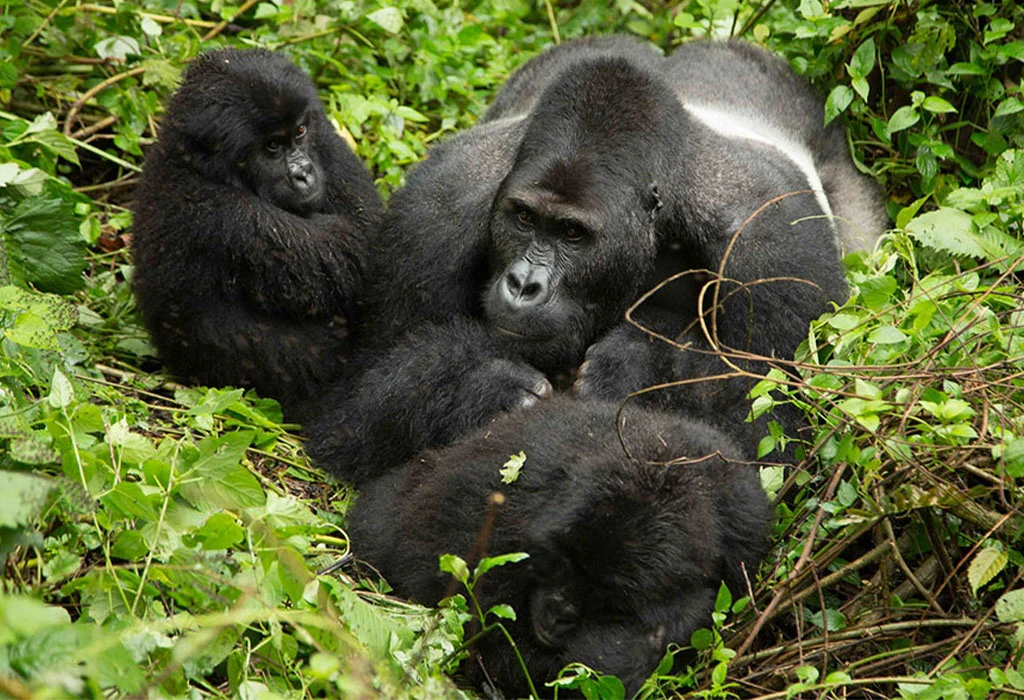
Once you find your assigned gorilla family, the experience becomes incredibly special. You may watch a silverback resting beneath the vegetation, mothers caring for their young, juveniles playing, or other members feeding and moving through the forest.
Visitors normally spend a strictly regulated period with the gorillas. During this time, follow the ranger’s instructions, maintain the required distance, avoid sudden movements, and keep your voice low. Photography is permitted under the applicable guidelines, but visitors should prioritize the animals’ welfare rather than constantly taking pictures.
After the trek, return to your lodge for lunch and much-needed relaxation. Depending on your energy levels, spend the rest of the afternoon resting, enjoying the lodge surroundings, or taking a short walk near your accommodation.
Day 3: Experience Batwa Culture and Local Community Life
After the excitement of gorilla trekking, dedicate your third day to understanding the people and communities connected to the Bwindi landscape.
A Batwa cultural experience provides an opportunity to learn about the forest knowledge and traditions of the Batwa people. Through guided community activities, storytelling, demonstrations, music, and dance, visitors can gain a deeper understanding of Batwa heritage and their historical relationship with the forest.
Rather than treating the experience simply as entertainment, approach it as a cultural exchange. Listen to community members, ask respectful questions, and support locally organized initiatives.
You can also spend part of the afternoon exploring community projects around your chosen Bwindi sector. Depending on availability, these may include craft workshops, community development initiatives, local farms, or village walks.
Buying locally made crafts such as baskets, woven products, jewelry, and carvings can provide direct economic benefits to artisans. Similarly, hiring community guides and porters helps tourism revenue reach households surrounding the park.
If you prefer a quieter afternoon, return to your lodge and enjoy the surrounding scenery. Bwindi’s misty hills and forest-covered slopes provide an ideal setting for relaxation.
Day 4: Hike to a Waterfall and Go Birdwatching
Dedicate your fourth day to discovering Bwindi’s smaller natural treasures. The forest contains several hiking opportunities, and the best choice depends on your location, fitness level, weather, and interests.
The Munyanga Waterfall Trail near Buhoma offers a relatively accessible forest experience. The trail passes through lush vegetation and provides opportunities to observe birds, butterflies, trees, and other forest life before reaching the waterfall.
For visitors interested in birdwatching, this can become one of the most rewarding days of the trip. Bwindi is recognized as an important birding destination, particularly because of its Albertine Rift species. Experienced birders can look for species such as the African green broadbill, various sunbirds, flycatchers, and other forest specialists.
The Ruhija sector is particularly popular with birdwatchers, although Buhoma and other areas also offer excellent opportunities.
Carry suitable walking shoes, drinking water, rain protection, and a packed lunch if your chosen activity requires a longer outing. Forest weather can change quickly, so flexibility remains important.
By combining a forest hike with birdwatching, you experience a different side of Bwindi beyond gorilla trekking.
Day 5: Canoeing on Lake Mutanda and Departure
On your final day, leave the forested hills of Bwindi for the beautiful surroundings of Lake Mutanda near Kisoro. The journey time depends on your starting point in Bwindi, so plan the excursion carefully around your departure arrangements.
Lake Mutanda lies among the dramatic volcanic landscapes of southwestern Uganda. On a calm morning, the water provides beautiful views toward the Virunga volcanoes and surrounding hills.
A traditional canoe or organized paddling experience offers a peaceful way to appreciate the landscape. As you move across the lake, observe local fishing activity, birds, cultivated hillsides, and the communities living around the water.
After the canoe experience, have lunch before beginning your onward journey. Travelers departing through Kisoro Airport can arrange their transfer accordingly, while those continuing by road can proceed toward their next destination.
If your schedule allows, you can also use the final afternoon simply to relax and reflect on the experiences of the previous four days.
Where to Stay in Bwindi
Bwindi offers accommodation across different price ranges and trekking sectors. Luxury travelers can choose from high-end lodges and camps that provide comfortable rooms, excellent dining, and views of the surrounding forest.
Mid-range properties offer a balance between comfort and cost, while budget guesthouses and community-focused accommodation provide practical options for travelers who want to spend less on lodging.
When selecting accommodation, location matters as much as room quality. Since Bwindi’s trekking sectors are separated by mountainous terrain, staying close to your gorilla trekking trailhead can make your morning considerably easier.
Experiya Tour Company can help travelers select accommodation according to their trekking sector, budget, preferred comfort level, and overall itinerary.
What to Pack for Five Days in Bwindi
Pack for changing conditions because Bwindi experiences a cool, humid rainforest climate and rainfall can occur at any time of year. Comfortable, waterproof hiking shoes are particularly important because trails can become slippery and muddy.
Bring a lightweight rain jacket, waterproof daypack, long trousers, long-sleeved clothing, insect repellent, reusable water bottle, gardening gloves for gripping vegetation, sunscreen, and a hat. A walking stick can also provide additional stability on steep trails.
For photography, carry spare batteries or a power bank because charging facilities may not always be convenient during activities.
Book Your Gorilla Trekking Permit Early
Gorilla trekking permits are limited, so advance planning remains essential. Your permit must correspond with the trekking sector and date of your experience. Booking early also gives you a better chance of securing your preferred travel dates and accommodation.
A professional operator such as Experiya Tour Company can assist with arranging permits, transportation, accommodation, guides, activities, and other logistical details.
Why Spend Five Days in Bwindi?
Five days allows you to experience Bwindi without reducing the trip to a single gorilla trek. You can combine the excitement of meeting mountain gorillas with the peacefulness of forest walks, the richness of Batwa culture, the beauty of waterfalls, rewarding birdwatching, and the scenic waters of Lake Mutanda.
Most importantly, a longer stay allows you to slow down and appreciate the destination. Bwindi is not simply a place where you tick a gorilla trek off your travel list. It is a living ecosystem surrounded by communities, dramatic landscapes, and remarkable biodiversity.
With thoughtful planning, five days in Bwindi can become a balanced Uganda safari experience that combines wildlife, nature, culture, adventure, and relaxation. Whether you are visiting for the gorillas, the birds, the rainforest, or the surrounding landscapes, Bwindi offers plenty of reasons to stay longer and explore more deeply.