
How Long Does Gorilla Trekking Take in Uganda and Rwanda?
October 1, 2026
Rhinos in Akagera National Park
October 1, 2026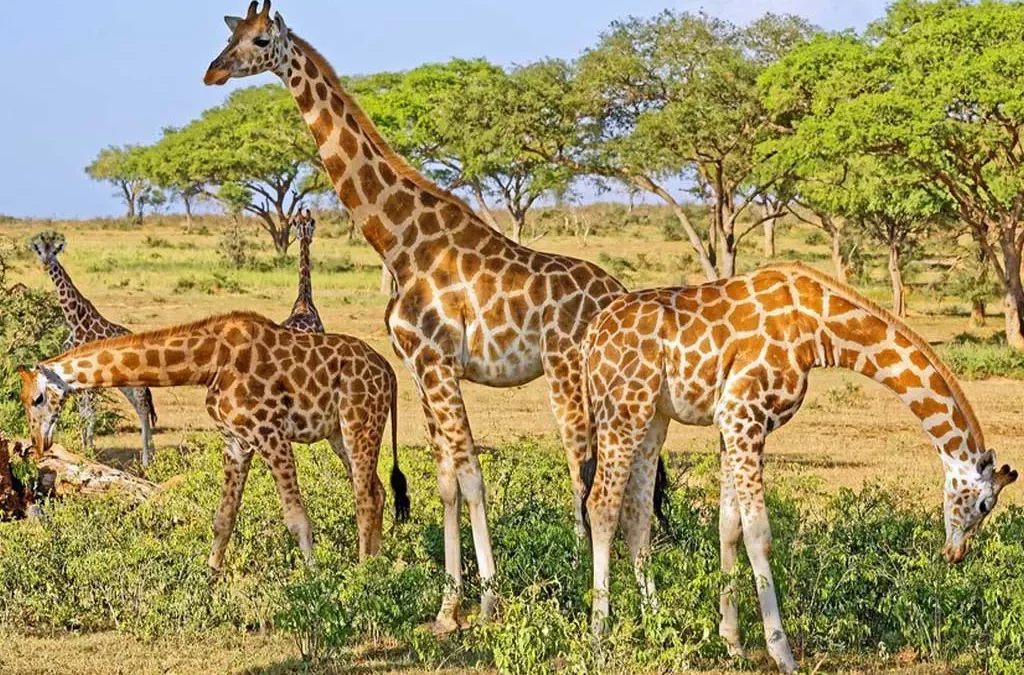
Every safari lover eventually wonders what truly sets one destination apart from another. In Uganda, that question leads far beyond the familiar safari routes to Kidepo Valley National Park, one of the country’s most remote and distinctive wilderness destinations.
So, why is Kidepo Valley National Park unique? The answer lies in its remarkable combination of isolation, dramatic landscapes, unusual wildlife, open savannahs, rich birdlife, and authentic cultural experiences. Unlike parks where visitors follow well-established routes alongside many vehicles, Kidepo offers a quieter and more spacious safari experience.
During a visit, the park can feel almost untouched by time. The landscapes stretch toward distant mountains, wildlife moves freely across broad plains, and the silence is interrupted mainly by birds, wind, and animal calls. With Experiya Tour Company, travelers can explore this remarkable part of northeastern Uganda while combining wildlife viewing with cultural experiences and scenic adventures.
A Remote Location That Shapes the Kidepo Safari Experience
One of the first things that makes Kidepo Valley National Park unique is its remote location. The park lies in northeastern Uganda, close to the borders with South Sudan and Kenya. It is roughly 700 kilometers from Kampala by road, making the journey considerably longer than traveling to destinations such as Lake Mburo or Queen Elizabeth National Park.
However, the distance is part of the attraction.
Reaching Kidepo by road allows travelers to watch Uganda gradually change from busy urban areas and cultivated countryside into increasingly open and dry landscapes. The journey can be long, but it becomes part of the adventure rather than simply a transfer between destinations.
Travelers with limited time can also consider flying to the park. A scheduled or chartered flight significantly reduces travel time and provides spectacular aerial views of Uganda’s changing scenery.
Most importantly, Kidepo’s remoteness helps create a sense of space and solitude that is increasingly difficult to find in popular safari destinations.
Dramatic Landscapes That Look Different From the Rest of Uganda
Uganda is famous for its lush forests, green hills, wetlands, and tropical landscapes. Kidepo, however, presents a noticeably different side of the country.
Wide savannah plains stretch beneath enormous skies, while rugged mountains rise along the horizon. During the dry season, golden grasses dominate the landscape, creating a distinctly semi-arid appearance.

Two major valleys help define the park’s scenery:
- Kidepo Valley is known for its broad plains, seasonal riverbed, and impressive stands of Borassus palms.
- Narus Valley contains more permanent water sources and therefore attracts large concentrations of wildlife.
The contrast between these areas makes a Kidepo Valley safari especially rewarding. One moment, you may be driving across an expansive, dry landscape; shortly afterward, you may reach an area where elephants, buffaloes, antelopes, and other animals gather around water.
Early mornings and late afternoons are particularly beautiful. The low sunlight creates long shadows across the grasslands, while the mountains provide a dramatic backdrop for photography.
Rare Wildlife Found in Kidepo Valley National Park
Another important answer to the question why is Kidepo Valley National Park unique? is its unusual wildlife.
Kidepo supports several species associated with Uganda’s northeastern ecosystems that visitors may not encounter elsewhere in the country. This makes a Kidepo wildlife safari particularly interesting for travelers who have already explored Uganda’s more established parks.
Among the species that make Kidepo distinctive are:
- Greater kudu.
- Lesser kudu.
- Bat-eared foxes.
- Jackson’s hartebeests.
- Beisa oryx.
- Guenther’s dik-dik.
Not every animal is guaranteed on every game drive. Wildlife sightings depend on the season, location, weather, and luck. Nevertheless, the possibility of encountering these species adds considerable excitement to a safari.
Cheetahs are especially fascinating because they are not commonly encountered elsewhere in Uganda. Seeing one moving across the open plains can become one of the defining moments of a Kidepo safari.
Classic African Safari Encounters in Open Savannah
Although Kidepo is famous for unusual species, it also delivers the classic African safari experience.
The open terrain makes wildlife viewing rewarding because animals can often be observed against broad stretches of grassland. In the Narus Valley, for example, wildlife frequently gathers around water, particularly during drier periods.
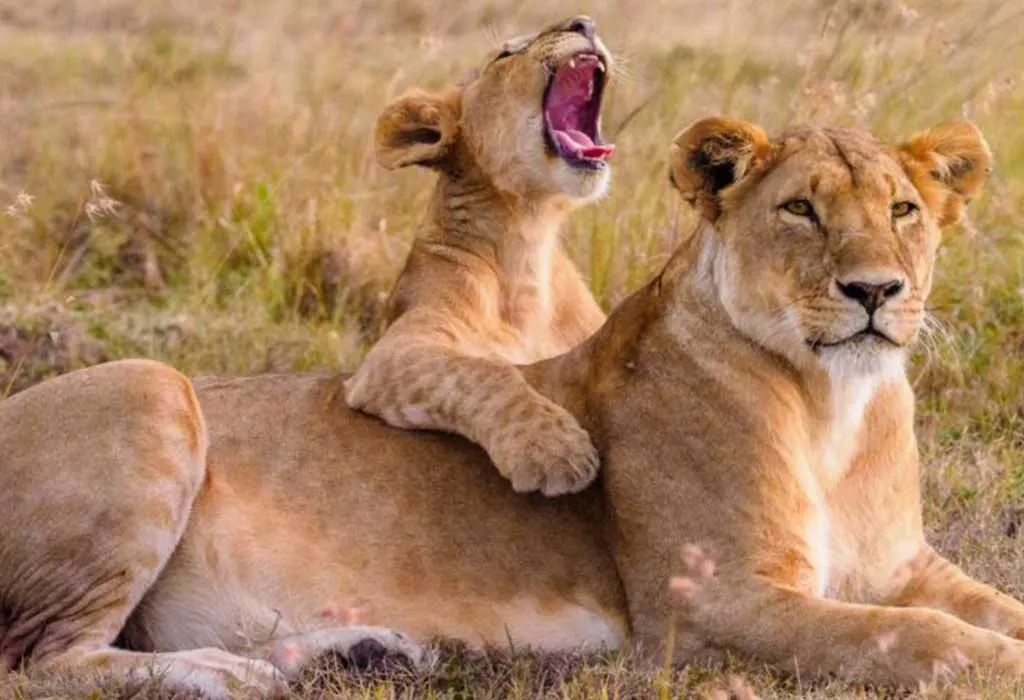
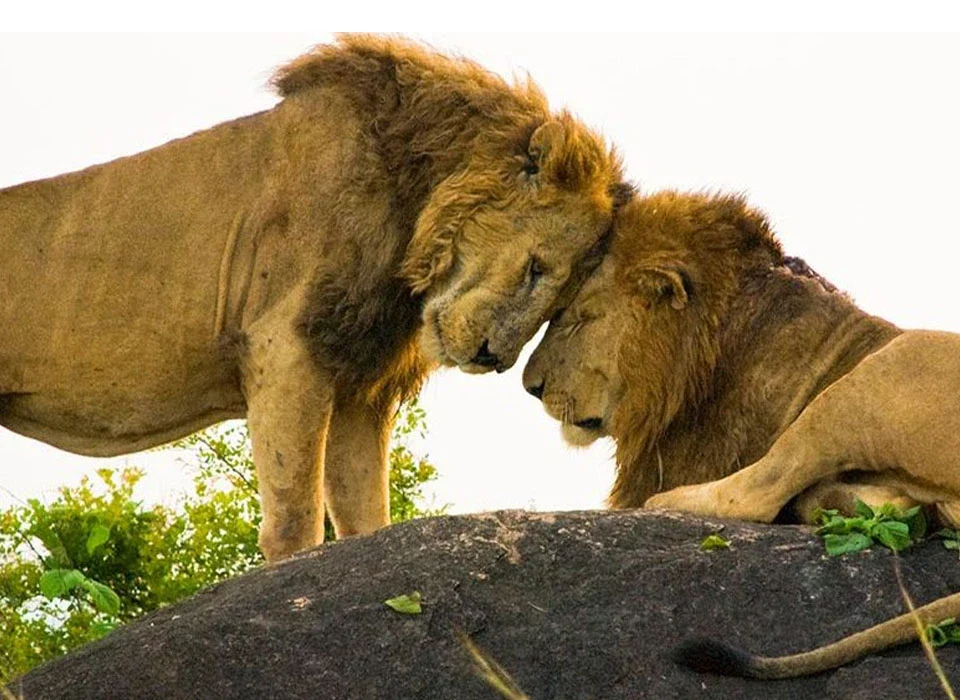
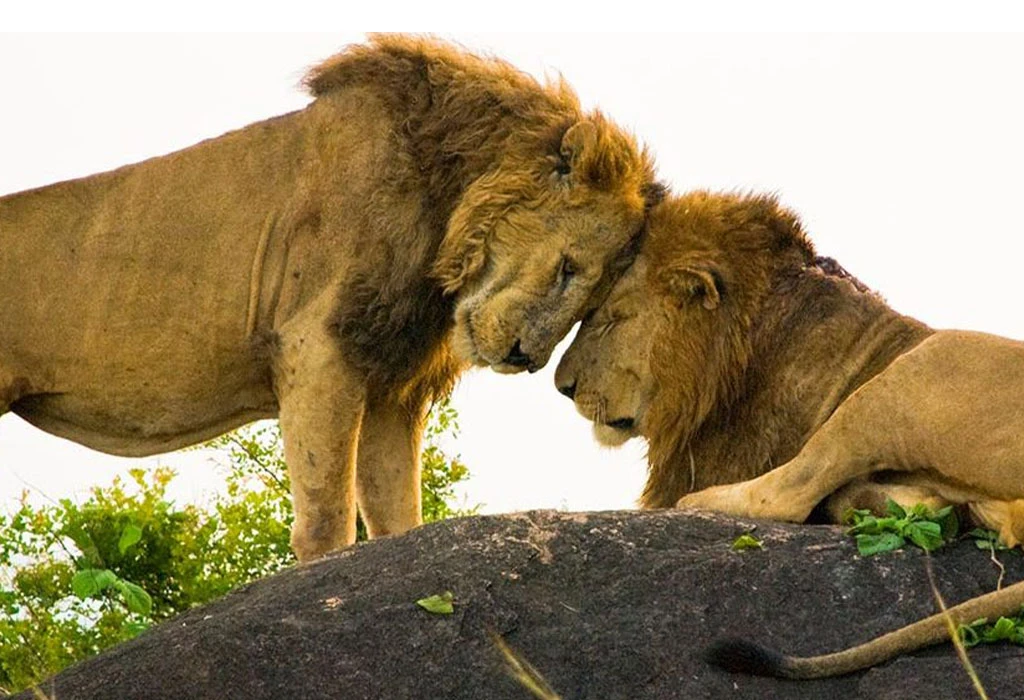
Lions in Kidepo Valley National Park
Lion sightings can be particularly memorable. Large prides may be encountered resting, moving through the grass, or watching potential prey. Leopards are more elusive, but patient observers may spot one resting in a tree or moving quietly through vegetation.
You can also encounter:
- Large buffalo herds.
- Elephants crossing the plains.
- Giraffes feeding among scattered trees.
- Zebras moving across the grasslands.
- Antelopes grazing in open areas.
- Warthogs searching for food.
What I appreciate about Kidepo is the feeling of space around these encounters. Instead of simply ticking animals off a checklist, you can spend time observing their behavior and interaction with the environment.
Kidepo Is a Remarkable Destination for Bird Watching
Kidepo is also an excellent destination for bird enthusiasts. The park supports a large variety of bird species, including birds of prey, savannah specialists, and colorful smaller species.
Large raptors can often be seen soaring above the plains, while secretary birds walk through the grasslands searching for prey. Bee-eaters, rollers, sunbirds, and other smaller birds add movement and color to the landscape.

For experienced birdwatchers, Kidepo offers opportunities to search for species associated with Uganda’s northeastern region. For casual travelers, however, no specialist knowledge is necessary. Simply slowing down during a game drive can reveal an impressive variety of birdlife.
This combination of Kidepo wildlife and bird watching makes the park suitable for travelers who want more than the traditional big-game safari.
Rare and Nocturnal Wildlife Adds Another Dimension
Some of Kidepo’s most intriguing wildlife is difficult to see. Animals such as caracals, aardwolves, and bat-eared foxes are elusive, and sightings depend heavily on timing and conditions.
This uncertainty adds excitement to the experience.
A safari is not simply about seeing everything on a predetermined list. Instead, it is about paying attention to tracks, calls, movement, and changes in the landscape. An experienced guide can help visitors understand these subtle signs.
Night also transforms the park. If your safari itinerary includes an authorized night activity, the experience can reveal a completely different side of Kidepo. The sounds become more noticeable, while nocturnal animals become active after sunset.
The Narus Valley: A Wildlife-Rich Part of Kidepo
The Narus Valley deserves special attention because its permanent water sources make it one of the park’s most important wildlife areas.
During dry periods, water becomes a critical resource. Consequently, animals tend to concentrate around areas where they can drink and feed. This can create excellent opportunities for wildlife observation.
The valley also provides an impressive contrast to the drier Kidepo Valley. While the wider landscape may appear harsh and golden, the Narus area can support greener vegetation and greater concentrations of wildlife.
For travelers planning a Kidepo Valley National Park safari, including the Narus Valley in the game-drive itinerary is therefore highly worthwhile.
The Kidepo Valley and Its Iconic Borassus Palms
The Kidepo Valley itself offers some of the park’s most memorable scenery.
The seasonal Kidepo River does not always contain flowing water, yet its broad sandy or dry channel creates a distinctive feature within the landscape. Borassus palms rise from the valley, creating an almost surreal scene against the surrounding plains and mountains.
At sunrise, the landscape can appear soft and golden. Later in the day, the changing light reveals different textures across the valley.
For photographers, this combination of palms, mountains, wildlife, and open plains provides countless opportunities. Even without professional equipment, the scenery creates photographs that capture the character of northeastern Uganda.
Cultural Experiences Around Kidepo
A Kidepo safari should not end with wildlife.
The communities surrounding the park provide another important dimension to the destination. Cultural experiences can introduce travelers to traditions, livelihoods, music, crafts, and stories that are closely connected to the region.
The Karamojong people are particularly associated with the area. Their pastoral traditions have developed around cattle and life in a challenging semi-arid environment.
A responsible cultural visit should focus on respectful interaction rather than treating communities simply as tourist attractions. Listening to local guides and community members can provide a deeper understanding of their history and contemporary way of life.
For adventurous travelers, excursions toward the Morungole Mountains can provide opportunities to learn about the Ik people. Such experiences require careful planning, local guidance, and respect for community customs.
Why Kidepo Is Called the “Valley of Wonders”
Kidepo is often described as the “Valley of Wonders,” a name that reflects the park’s unusual combination of scenery, wildlife, remoteness, and cultural richness.
The appeal becomes clearer after spending time there.
There are no guarantees on a safari. You may hope to see a cheetah, leopard, or caracal and instead spend hours watching elephants, giraffes, buffaloes, and antelopes. However, that uncertainty is part of what makes wildlife travel exciting.
Kidepo rewards travelers who slow down and allow the landscape to reveal itself gradually.
Best Time to Visit Kidepo Valley National Park
The best time for a Kidepo Valley safari depends on what you want to experience.
The drier months generally make wildlife easier to locate because animals concentrate around available water sources and vegetation becomes less dense. At the same time, the landscapes can become extremely dry, creating the classic golden-savana appearance associated with Kidepo.
The wetter months transform the park. Vegetation becomes greener, migratory and resident birds can be particularly rewarding, and the scenery takes on a fresh appearance.
Therefore, rather than asking for one universally perfect season, consider your priorities:
- Wildlife viewing: Drier periods can make animals easier to locate.
- Bird watching: Wetter periods can offer excellent birding opportunities.
- Photography: Different seasons provide dramatically different landscapes.
- Fewer visitors: Kidepo’s remoteness generally contributes to a quieter safari atmosphere throughout the year.
Experiya Tour Company can help travelers choose a suitable travel period based on their interests, available time, and preferred safari style.
Planning a Kidepo Valley National Park Safari
Because Kidepo is remote, preparation matters.
Travelers should allow enough time for the journey rather than trying to squeeze the park into a rushed itinerary. A longer stay provides more opportunities for game drives, photography, cultural encounters, and simply enjoying the landscape.
A well-planned itinerary may combine Kidepo with other northern Uganda attractions, depending on the available travel time.
Before traveling, consider:
- Your preferred transport option.
- Number of nights in the park.
- Game-drive schedule.
- Accommodation category.
- Cultural activities.
- Weather and road conditions.
- Photography and birding interests.
Working with Experiya Tour Company can also make it easier to coordinate transport, accommodation, park activities, and guiding into one practical itinerary.
Why Is Kidepo Valley National Park Unique?
Ultimately, Kidepo Valley National Park is unique because several exceptional qualities come together in one destination. Its remote location creates a strong sense of wilderness. Its landscapes differ from Uganda’s wetter and greener regions. Its wildlife includes species that are difficult to find elsewhere in the country, while its open plains provide excellent opportunities for traditional game viewing.
At the same time, Kidepo offers something beyond wildlife.
Its cultural heritage, dramatic mountains, seasonal valleys, Borassus palms, enormous skies, and quiet atmosphere create an experience that feels distinctly different from other Ugandan safari destinations.
That is why a Kidepo Valley National Park safari is about more than checking animals off a list. It is about experiencing a landscape at its own pace.
Frequently Asked Questions About Kidepo Valley National Park
What makes Kidepo Valley National Park unique?
Kidepo is unique because of its remote location, dramatic savannah landscapes, unusual wildlife, extensive open plains, rich birdlife, and cultural experiences. It also supports several species that are uncommon or absent in many other Ugandan parks.
Is Kidepo Valley National Park worth visiting?
Kidepo can be an excellent choice for travelers seeking a remote safari experience, diverse wildlife, dramatic scenery, and fewer crowds. However, visitors should be prepared for the long journey or consider flying into the region.
What animals can I see in Kidepo?
Wildlife commonly associated with Kidepo includes lions, elephants, buffaloes, giraffes, zebras, leopards, cheetahs, ostriches, greater kudu, lesser kudu, Jackson’s hartebeest, and several other antelope species. Rare animals such as caracals and aardwolves may also occur but are not guaranteed sightings.
Where is Kidepo Valley National Park located?
Kidepo Valley National Park is located in northeastern Uganda, near the country’s borders with South Sudan and Kenya. Its remote position is one of the major reasons the park has retained its distinctive wilderness character.
How long should I spend in Kidepo?
A stay of several nights allows travelers to enjoy multiple game drives and explore different areas of the park without rushing. The ideal duration depends on the overall Uganda safari itinerary and whether you also want to include cultural experiences.
Can I combine Kidepo with other Uganda safari destinations?
Yes. Kidepo can be incorporated into a longer Uganda itinerary that includes destinations such as Murchison Falls, Ziwa Rhino Sanctuary, or other northern and western attractions. The best combination depends on your available time and preferred transport arrangements.
Is Kidepo good for photography?
Yes. The park offers exceptional photographic subjects, including wildlife, mountains, Borassus palms, expansive savannahs, birds, and dramatic sunrise and sunset scenes. The open landscapes can also provide excellent compositions with animals against distant mountains.
Why should I book a Kidepo safari with Experiya Tour Company?
Experiya Tour Company can help organize the practical elements of a Kidepo safari, including transportation, accommodation, game drives, guiding, and cultural activities. A customized itinerary can also be designed around wildlife viewing, photography, birding, or cultural exploration.
Final Thoughts
Kidepo Valley National Park does not need to compete with Uganda’s other safari destinations. It offers something different.
The long journey, remote setting, dramatic valleys, rare wildlife, cultural encounters, and vast open landscapes combine to create a safari experience that feels personal and authentic. Once you leave the park, it is often the sense of space and silence that remains strongest in your memory.
For travelers searching for a unique safari in Uganda, Kidepo deserves serious consideration. With thoughtful planning and enough time to explore, the Kidepo Valley National Park safari experience can become one of the most memorable parts of an East African adventure.