How Do Lions Communicate? A Closer Look at Africa’s Most Social Big Cat
May 2, 2026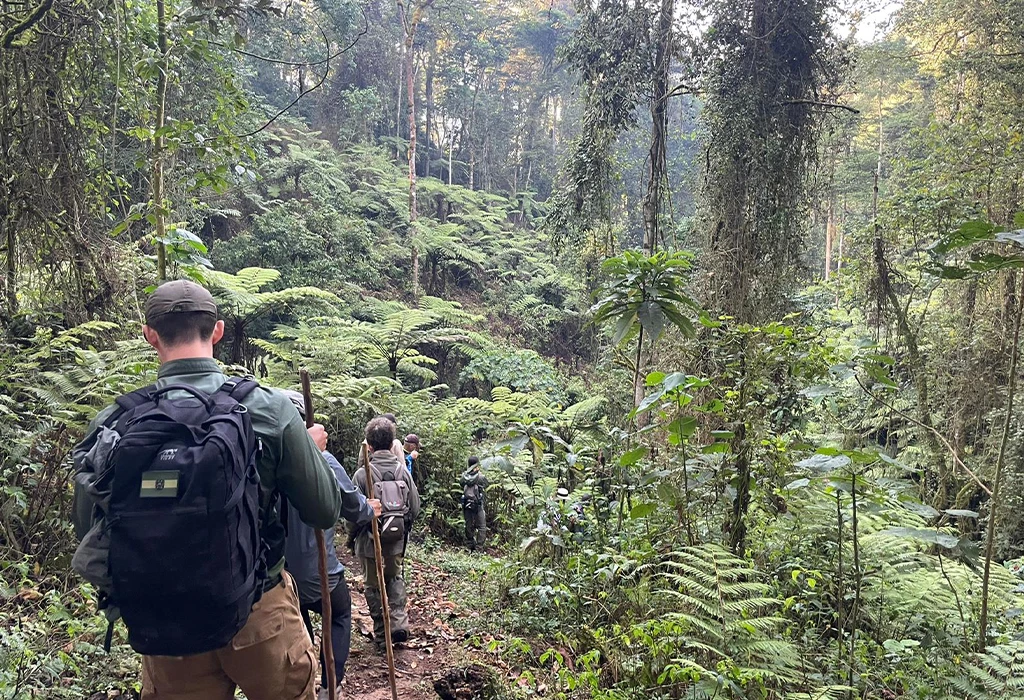
Is Bwindi impenetrable national park safe for tourist walks?
May 4, 2026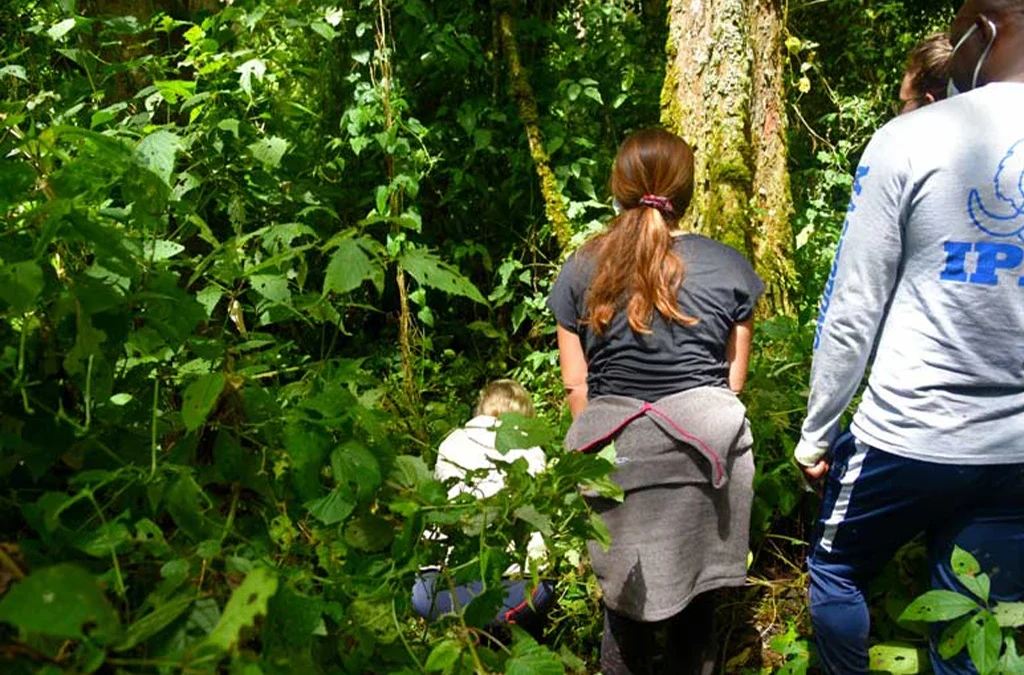
Bwindi Impenetrable National Park is one of those rare places that feels untouched by time. Tucked away in southwestern Uganda along the edge of the Albertine Rift Valley, this ancient rainforest draws travelers from all over the world and for good reason. The moment you step into Bwindi, the air feels different: cool, misty, and alive with the sounds of birds and distant rustling in the thick forest. It’s not just a destination; it’s an experience that stays with you long after you leave.
The Magic of Mountain Gorillas
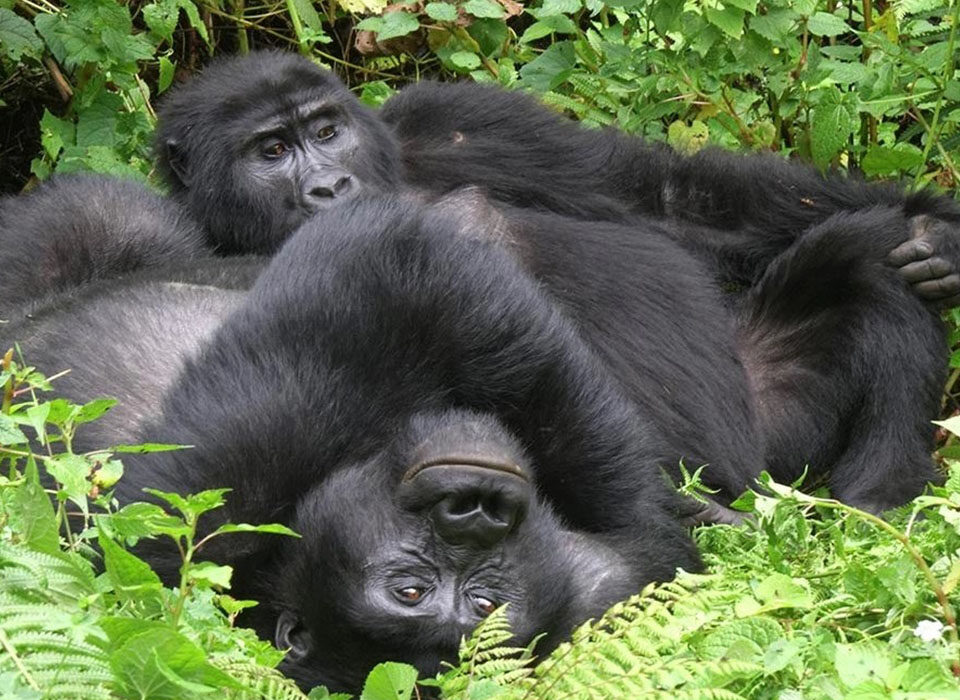
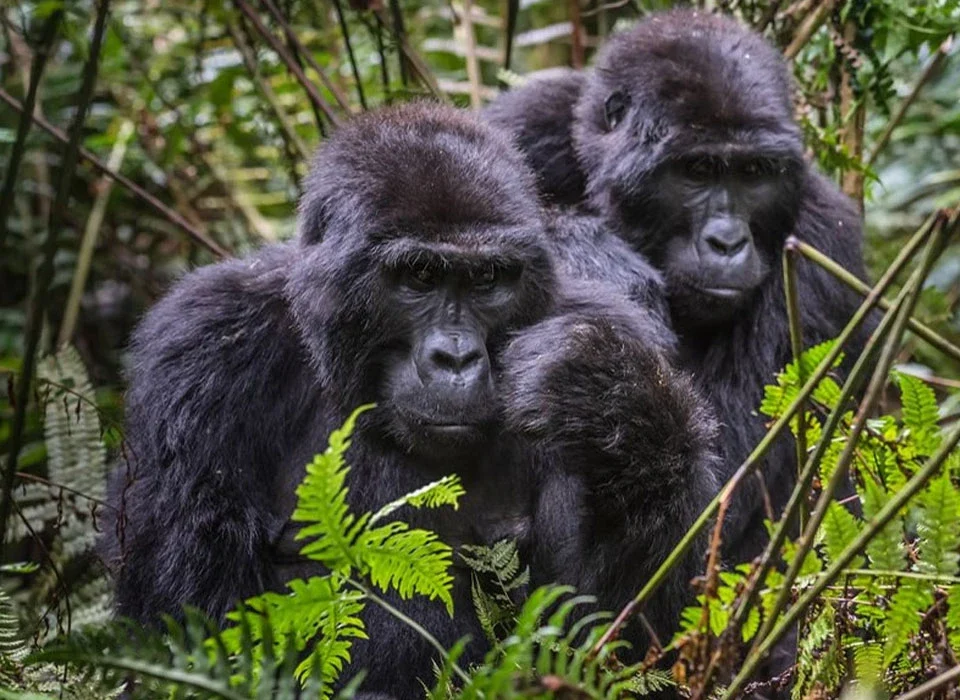
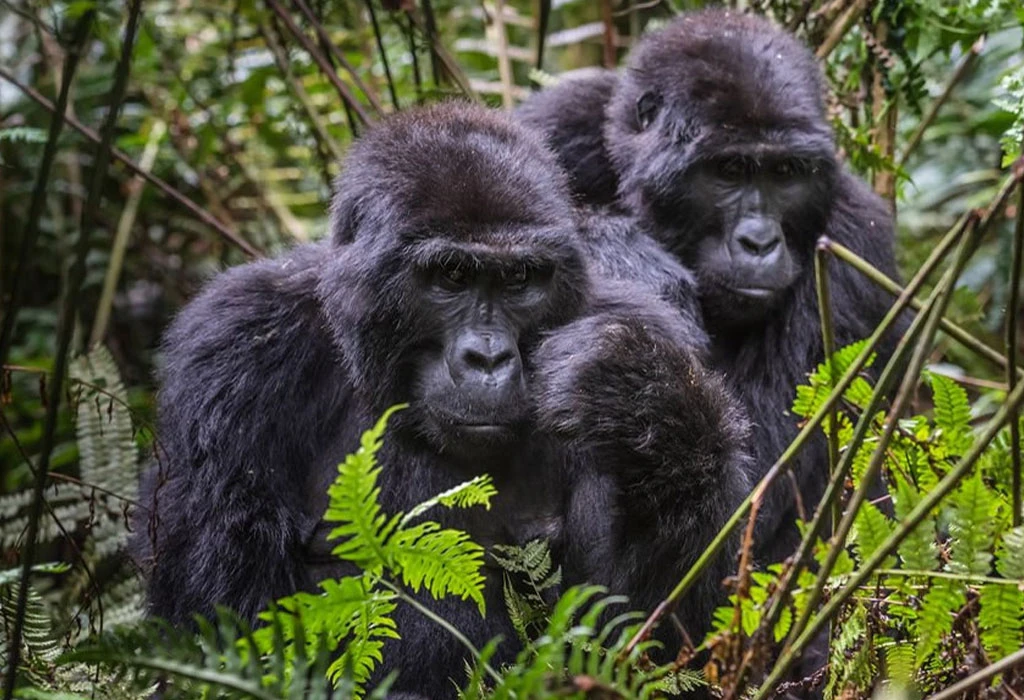
The primary reason most travelers journey to Bwindi is simple: mountain gorillas. This park is home to nearly half of the world’s remaining population, making it one of the most important conservation areas on Earth. Seeing these gentle giants in their natural habitat is not just a wildlife encounter it’s something deeply moving.
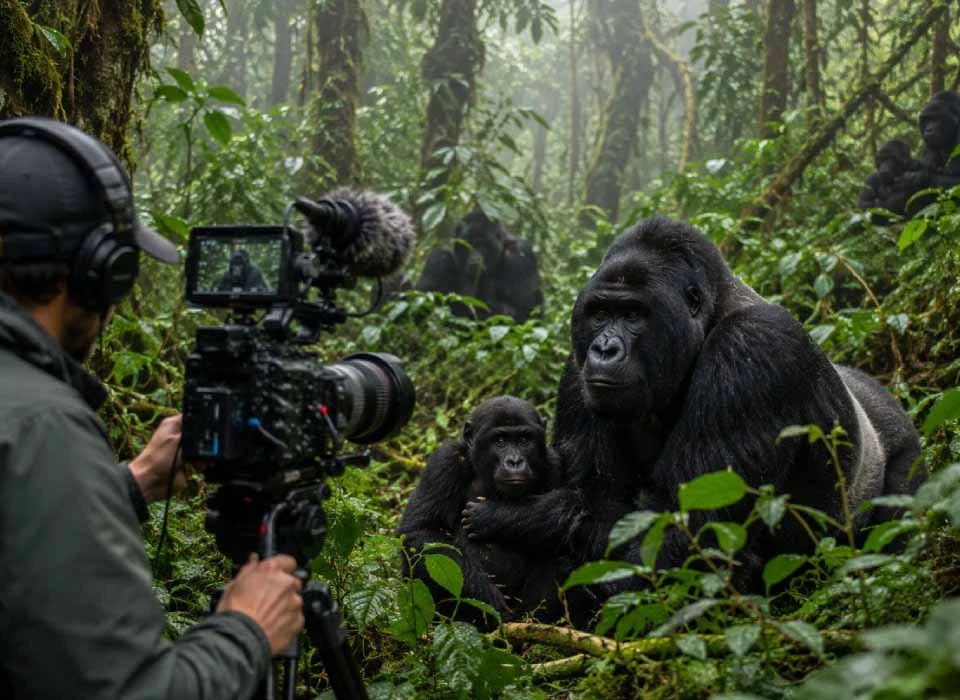
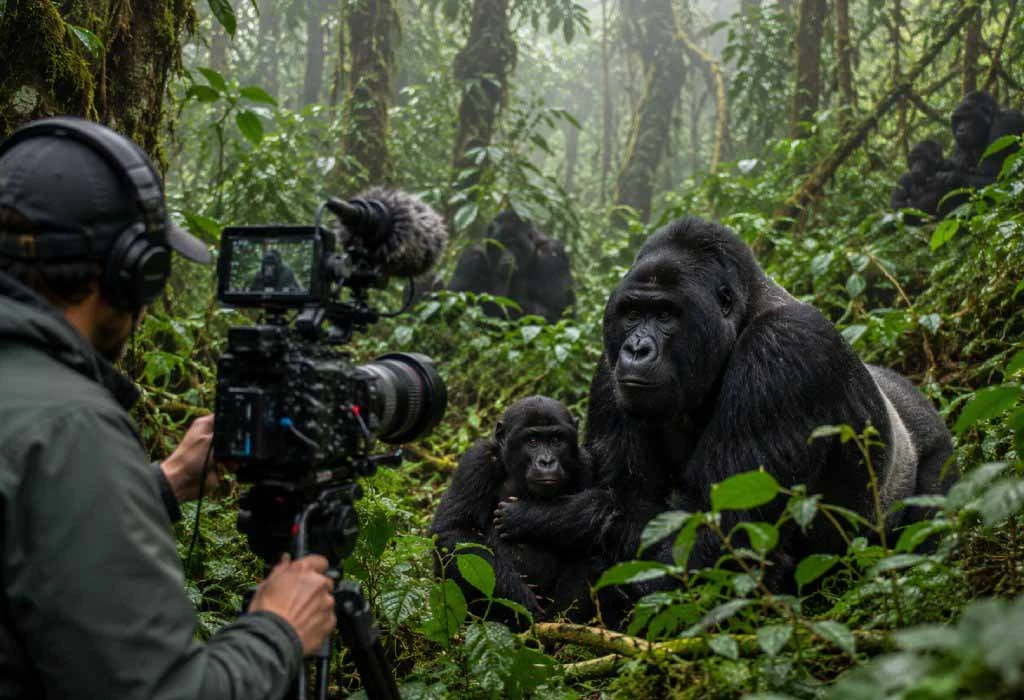
Gorilla trekking is the highlight of any visit. You wake up early, gather with guides and trackers, and then head into the forest. The trek itself can be challenging, depending on where the gorillas are that day. Sometimes it takes a couple of hours; other times, it can take much longer. But once you find them, everything else fades away. Watching a silverback quietly observe his family or seeing a young gorilla play just a few meters away creates a powerful connection. It’s one of those moments where you feel both small and incredibly lucky at the same time.
A Forest Like No Other
Beyond the gorillas, Bwindi is one of Africa’s oldest and most biologically diverse rainforests, estimated to be over 25,000 years old. Covering roughly 321 square kilometers, the park rises from about 1,160 meters to over 2,600 meters above sea level. This variation in altitude supports an incredible range of ecosystems.
As you move through the forest, you notice how dense it is hence the name “Impenetrable.” Thick vines, towering trees, and moss-covered branches create a layered, almost mystical environment. It’s home to more than just gorillas. You may encounter black-and-white colobus monkeys, red-tailed monkeys, and even forest elephants, though they are rarely seen. Bird lovers, in particular, find Bwindi fascinating, with hundreds of bird species, many of which are endemic to the Albertine Rift.
Cultural Encounters with the Batwa
Another reason people visit Bwindi is to connect with its cultural heritage. The Batwa people, often referred to as the original forest dwellers, once lived within the forest before it was designated a national park. Visiting a Batwa community offers insight into a way of life that was closely tied to the forest for generations.
Listening to their stories, watching traditional dances, and learning about their survival skills gives your trip a deeper meaning. It’s a reminder that conservation is not just about wildlife but also about people and their history.
Getting to Bwindi
Reaching Bwindi is part of the adventure. Most international travelers arrive through Entebbe International Airport. From there, you can either take a domestic flight or travel by road.
Driving to Bwindi takes about eight to nine hours, depending on the sector you’re visiting. It’s a long journey, but it offers a chance to see Uganda’s changing landscapes from bustling towns to rolling hills and tea plantations. Alternatively, a domestic flight to either Kihihi or Kisoro airstrip significantly shortens travel time. From these airstrips, it’s just a short drive to the park.
Understanding Permits and Park Access
To trek gorillas, you need a permit issued by the Uganda Wildlife Authority. These permits are limited and in high demand, so booking well in advance is essential, especially during peak travel seasons.
The cost of a gorilla trekking permit contributes directly to conservation efforts and supports local communities. Knowing that your visit helps protect these endangered animals adds a meaningful dimension to the experience. In addition to gorilla trekking, visitors can also pay park entry fees for other activities like guided nature walks or cultural visits.
Each day, only a limited number of permits are issued to ensure minimal disturbance to the gorillas. This controlled approach keeps the experience intimate and sustainable.
Best Time to Visit Bwindi
Bwindi can be visited throughout the year, but some months offer more favorable trekking conditions. The drier seasons, typically from June to September and December to February, are the most popular. During these periods, the trails are less muddy and easier to navigate.
That said, Bwindi is a rainforest, and rain can fall at any time. Even in the wetter months, trekking is still possible, and the forest looks even more vibrant. The gorillas remain in the park year-round, so sightings are not limited to a specific season.
A Brief History of Bwindi
The name “Bwindi” comes from a local phrase meaning “a place of darkness,” which reflects the forest’s dense canopy. Historically, the area was first designated as a forest reserve in 1932. Later, it became a sanctuary to protect its unique wildlife, especially the mountain gorillas.
In 1991, Bwindi was officially declared a national park, and since then, it has become a global conservation success story. Today, it hosts over 20 habituated gorilla families spread across four main sectors: Buhoma, Ruhija, Rushaga, and Nkuringo.
Where to Stay in Bwindi
Accommodation in Bwindi ranges from simple budget lodges to high-end luxury camps. Each sector of the park offers different options, and where you stay often depends on the location of your gorilla permit.
Many lodges blend seamlessly into the forest environment, offering stunning views and a peaceful atmosphere. Waking up to the sounds of the forest is part of the charm.
What to Pack for a Gorilla Trek
Packing for Bwindi requires a bit of preparation. The forest environment can be unpredictable, so it’s best to come prepared for both sunshine and rain. Sturdy hiking boots are essential, as the trails can be steep and slippery. Long-sleeved shirts and trousers help protect against insects and thorny vegetation.
A light rain jacket is a must, along with gloves for gripping branches during the trek. Don’t forget essentials like drinking water, snacks, and a good camera. Hiring a porter at the park is also a great idea they help carry your bag and make the trek easier while supporting the local community.
Why Bwindi Leaves a Lasting Impression
Bwindi Impenetrable National Park is more than just a travel destination. It’s a place where nature, wildlife, and culture come together in a way that feels genuine and unfiltered. Whether it’s the quiet moment of locking eyes with a gorilla, the sounds of the forest at dawn, or the stories shared by local communities, Bwindi offers something rare: authenticity.
People come for the gorillas, but they leave with so much more a deeper appreciation for nature and a sense of connection that’s hard to put into words.