
Why Tourists Visit Bwindi Impenetrable National Park
May 4, 2026
Bush Camping in Uganda’s Savannah Parks
May 4, 2026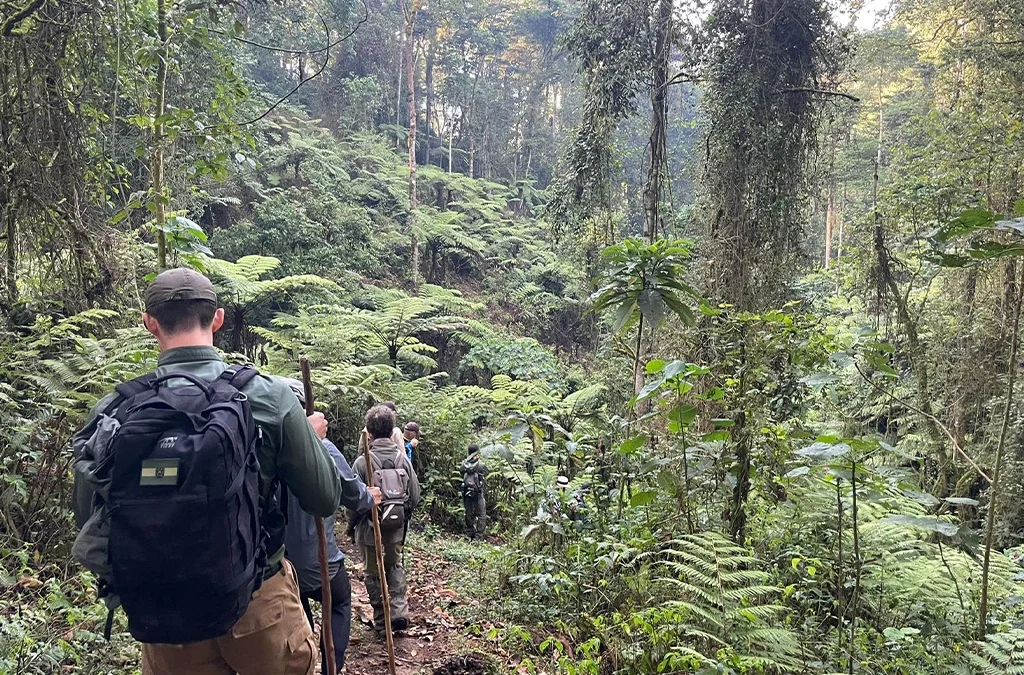
Bwindi Impenetrable National Park stands as one of Africa’s oldest and most biologically rich rainforests. Tucked away in southwestern Uganda, this UNESCO World Heritage Site feels like stepping into a living, breathing time capsule. The forest’s dense canopy, mist-covered hills, and winding trails create an atmosphere that is both mysterious and inviting.
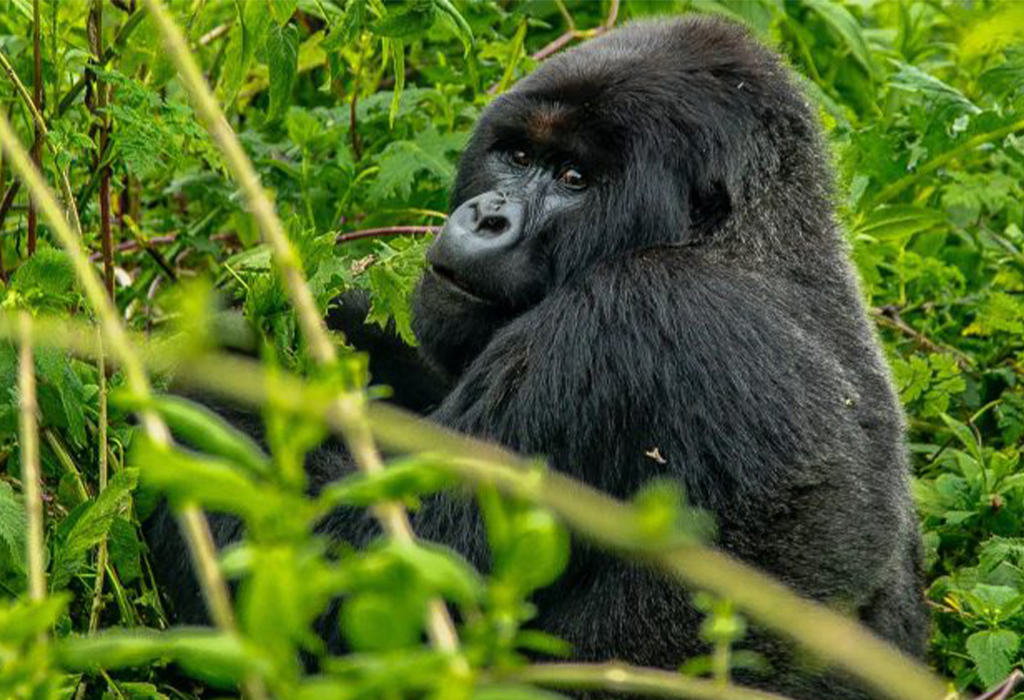
What makes Bwindi truly remarkable, however, goes far beyond its scenery. The park shelters nearly half of the world’s remaining mountain gorillas, making it one of the most important conservation areas on the planet. Because of this, Bwindi has grown into one of Uganda’s most visited national parks, attracting travelers who want to experience wildlife in its purest form.
Exploring Bwindi’s Four Sectors
Bwindi is divided into four main sectors: Buhoma, Ruhija, Rushaga, and Nkuringo. Each one offers a slightly different experience, yet all share the same untamed beauty that defines the park.
Buhoma, located in the north, is the most developed and often serves as the main entry point for visitors. It offers easier access and well-established trails. In contrast, Nkuringo and Rushaga in the south present a more rugged terrain, with steeper slopes and quieter paths that feel far removed from the outside world. Ruhija, set in the eastern region, strikes a balance between accessibility and seclusion, often rewarding visitors with exceptional birdlife.
Because of these variations, your experience in Bwindi can differ significantly depending on where you begin. Still, each sector provides access to unforgettable forest walks and close encounters with nature.
The Forest Walk Experience
Walking through Bwindi is not just an activity—it’s an immersive journey. The moment you step under the forest canopy, everything changes. The air cools, the sounds soften, and the forest begins to reveal its secrets slowly.
Before setting off, park rangers brief visitors and help select suitable trails based on fitness levels and interests. You never walk alone. Experienced guides lead every trek, and armed rangers accompany groups to ensure safety. Their presence allows you to focus entirely on the experience while they handle navigation and security.
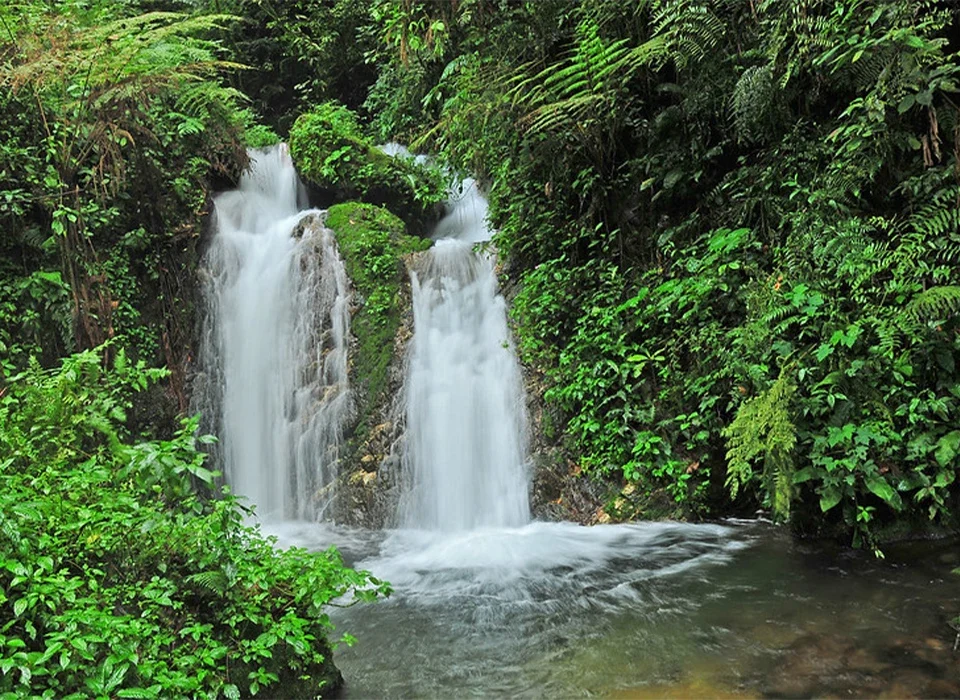
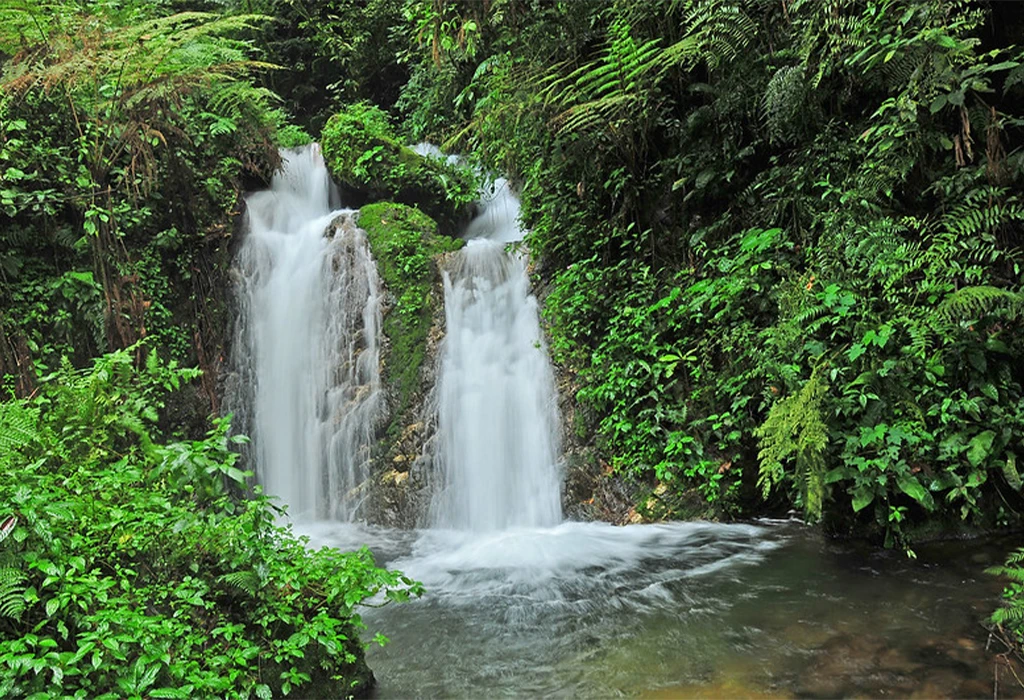
As you move deeper into the forest, you begin to notice the details. Towering trees stretch high above, their roots twisting across the ground. Along the way, you may spot various monkey species swinging through the branches, colorful butterflies drifting across the path, and birds calling from hidden perches. Occasionally, the sound of flowing water leads you to a quiet river or a small waterfall tucked within the greenery.
Every step feels alive, and no two walks are ever the same.
Popular Trails in Bwindi
Among the many trails in Bwindi, the Ivy River Trail stands out for its scenic beauty and sense of adventure. Starting from Nkuringo, this trail stretches about seven kilometers into the forest before continuing toward Buhoma. The journey typically takes around four hours, depending on pace and stops along the way. The first section to Ivy River takes about two hours and offers plenty of opportunities to spot primates and birds, especially if you carry binoculars.
As you follow the trail, the landscape shifts subtly. Gentle slopes give way to thicker vegetation, and the forest grows quieter except for distant wildlife sounds. For those staying in Buhoma, this trail provides a rewarding way to connect the southern and northern sectors.
Another remarkable route is the Kashasha River Trail. This trail also links Nkuringo to Buhoma but takes a slightly different path. It begins at Nkuringo and descends through community land before entering the forest buffer zone. The trek passes through a junction of rivers, creating a striking natural landmark along the way.
The Kashasha route takes about five hours from Nkuringo to Buhoma. However, the return journey can stretch to six or even seven hours due to steep climbs. While more demanding, this trail rewards hikers with varied scenery and a deeper sense of isolation.
When to Visit Bwindi for Forest Walks
Timing your visit can shape your overall experience in Bwindi. The dry months—January, February, June, July, August, and September—are generally the most favorable for forest walks. During this period, trails remain relatively firm, and slopes are easier to navigate. Vegetation is also less dense, which improves visibility and makes wildlife spotting more rewarding.
In addition, animals tend to gather near remaining water sources, increasing your chances of seeing them. However, these months are also the busiest, so accommodations fill up quickly. Planning ahead becomes essential if you want to secure your preferred lodge.

That said, the wet season brings its own charm. The forest becomes lush and vibrant, with deep green tones that create stunning photographic opportunities. Fewer visitors mean quieter trails and a more intimate experience with nature. Although paths can be muddy and more challenging, the cooler temperatures often make long walks more comfortable.
In truth, Bwindi offers something meaningful throughout the year—it simply depends on the kind of experience you seek.
Getting to Bwindi Impenetrable National Park
Reaching Bwindi is part of the adventure. You can either travel by air or by road, depending on your schedule and preferences.
Flying offers the quickest route. A domestic flight from Kajjansi Airstrip near Kampala takes about two hours and lands at either Kisoro or Kihihi airstrip. From there, a short drive connects you to your lodge or trekking sector. This option saves time and reduces travel fatigue, making it ideal for those on tighter itineraries.
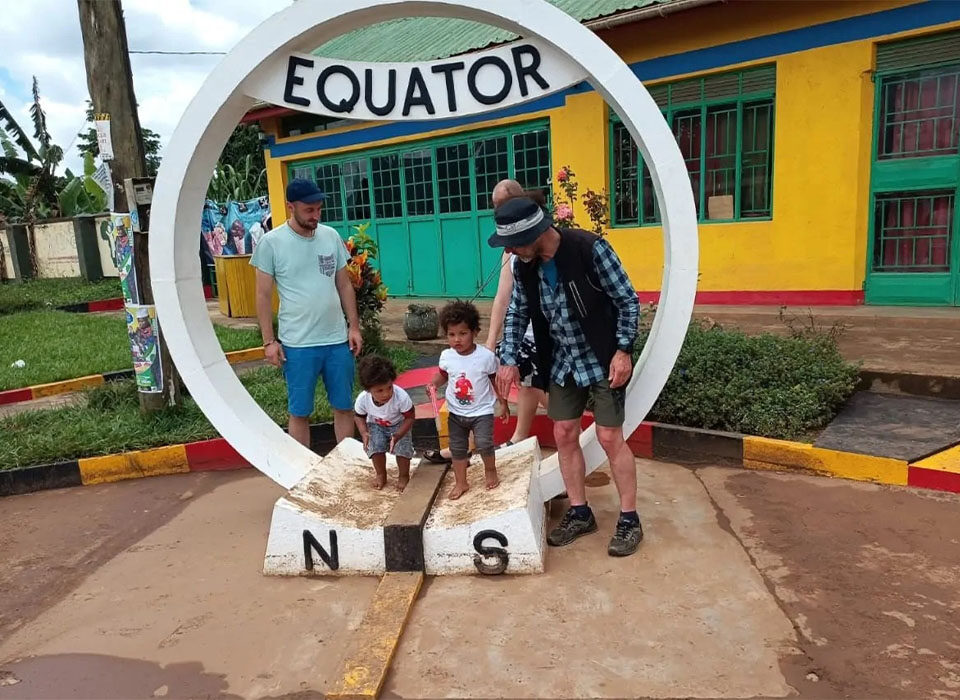
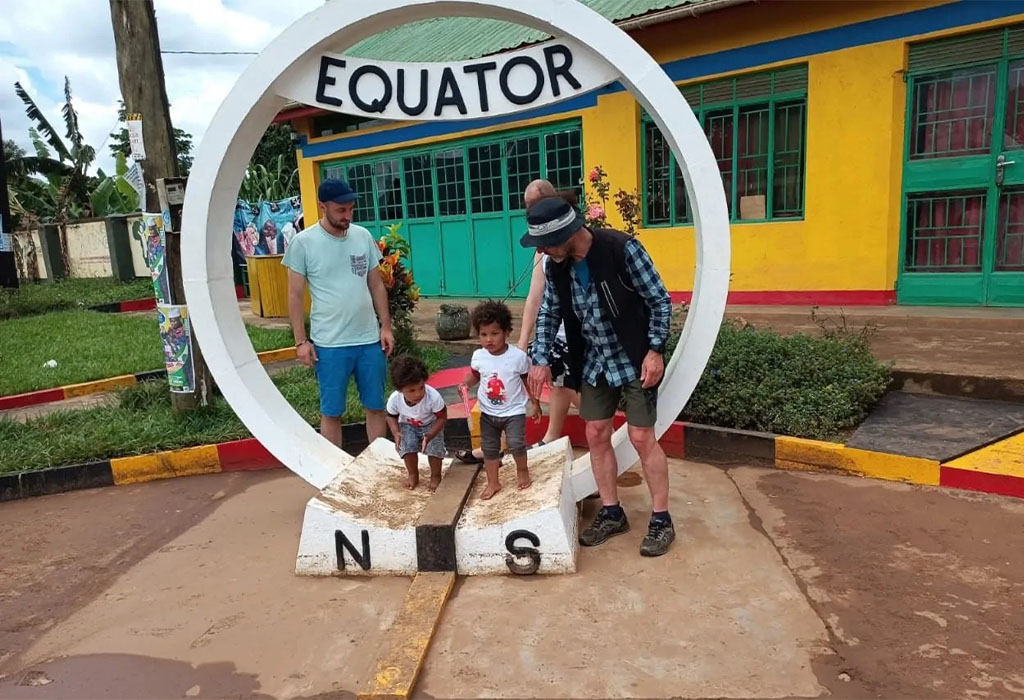
On the other hand, traveling by road provides a more immersive journey through Uganda’s countryside. The drive typically takes eight to nine hours from Kampala, winding through changing landscapes that range from bustling towns to rolling hills and tea plantations. Along the way, you can stop at the Equator for photos or pause to take in scenic viewpoints.
Alternatively, some travelers choose to enter Uganda through Kigali in Rwanda. From Kigali, the drive to Bwindi takes about four hours via the Cyanika or Katuna border. This route is often more convenient for those combining Uganda and Rwanda in one itinerary. In such cases, an East African tourist visa simplifies travel by allowing multiple entries between Uganda, Kenya, and Rwanda.
Where to Stay in Bwindi
Accommodation in Bwindi spreads across all four sectors, giving you the flexibility to stay close to your chosen trail or gorilla trekking starting point. Each area offers options that range from simple and comfortable lodges to high-end retreats with stunning forest views.
In Buhoma, lodges sit near the park entrance and often overlook the forest canopy. Nkuringo, perched on higher ground, provides dramatic views of the Virunga Mountains and a quieter atmosphere. Rushaga offers convenient access to multiple gorilla families, while Ruhija appeals especially to bird lovers seeking a more remote setting.
No matter where you stay, waking up to the sounds of the forest and stepping into nature within minutes becomes part of the experience.
Why Bwindi Leaves a Lasting Impression
There’s something about Bwindi that stays with you long after you leave. Perhaps it’s the silence of the forest, broken only by distant calls of wildlife. Or maybe it’s the sense of scale standing among trees that have existed for centuries, knowing that life here continues much as it always has.
Forest walks in Bwindi are not rushed experiences. Instead, they invite you to slow down, observe, and connect with nature in a meaningful way. Whether you’re watching monkeys leap between branches or simply listening to the rustle of leaves, every moment feels grounded and real.
Planning Your Bwindi Experience
Organizing a visit to Bwindi requires thoughtful planning, especially if you intend to include gorilla trekking or guided forest walks. Experiya Tour Company specializes in designing tailored itineraries that bring together permits, accommodation, and transportation seamlessly.
With experienced staff and strong partnerships across the region, every detail is handled with care from securing permits to arranging comfortable stays near your chosen sector. The goal is simple: to create a smooth, memorable journey that allows you to focus entirely on the experience.
Bwindi is not just a destination; it is a place that invites exploration, reflection, and connection. And once you walk its trails, you begin to understand why so many travelers consider it one of Africa’s most extraordinary wonders.