
Hiking and Nature Walks in Queen Elizabeth National Park
April 28, 2026
Rwanda Gorilla Trekking Rules and Etiquette
April 29, 2026
“Gorilla Trekking Trends 2026” has shifted from a distant dream to a carefully planned, high-value travel experience. In 2026, travelers no longer search casually; they ask detailed, practical, and highly specific questions before committing to a safari. As a result, search trends reveal a more informed, conservation-aware, and experience-driven audience. These travelers want clarity on costs, deeper encounters, ethical impact, and personalized itineraries.
Below is a refined look at the most important gorilla trekking trends shaping traveler decisions in 2026.
1. Uganda vs Rwanda Permit Price Comparison
First and foremost, permit cost remains the starting point for most travelers. The comparison between gorilla trekking in Uganda (USD 800) and Rwanda (USD 1,500) continues to dominate search behavior.
However, travelers in 2026 go beyond simple price checks. They now evaluate the total safari cost, including accommodation, transport, and overall experience. For instance, many compare trekking in Bwindi Impenetrable National Park with Volcanoes National Park, weighing dense rainforest immersion against dramatic volcanic landscapes.
Moreover, logistics play a bigger role than before. Uganda often offers a more budget-friendly but longer journey, while Rwanda provides quicker access with higher upfront costs. Consequently, travelers are making decisions based on value, not just price.
2. Growing Demand for Gorilla Habituation Experiences
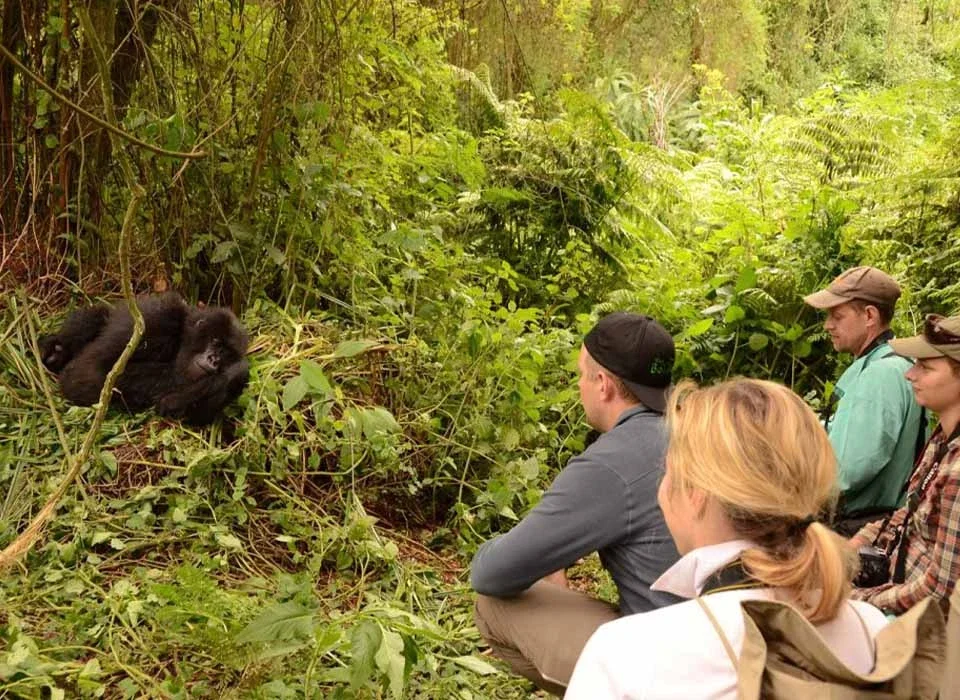
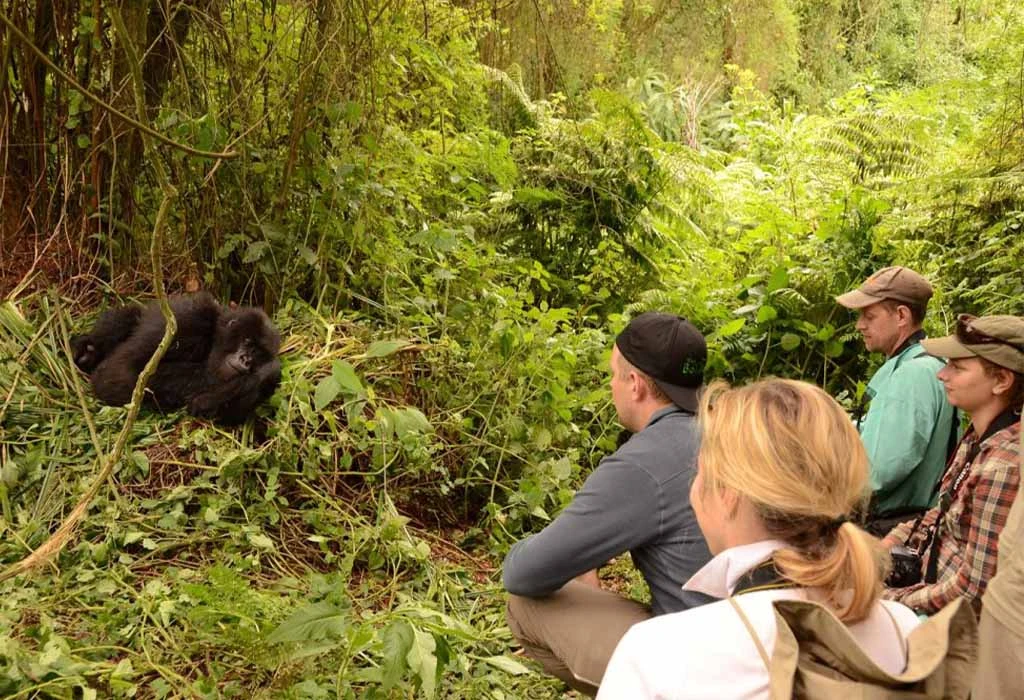
Another major trend is the rising interest in the Gorilla Habituation Experience. This unique activity, available only in Bwindi Impenetrable National Park, allows visitors to spend an entire day with a semi-habituated gorilla family.
Unlike the standard one-hour trek, this full-day experience offers deeper insight into gorilla behavior. As a result, it appeals strongly to repeat visitors and wildlife enthusiasts seeking a richer, more immersive encounter.
In addition, travelers now value quality of time over quantity of destinations. Instead of rushing through multiple parks, they prefer fewer locations with more meaningful experiences. This shift highlights a growing appreciation for conservation and wildlife education, “Gorilla Trekking Trends 2026”.
3. Increased Focus on Fitness and Physical Preparation
At the same time, travelers are becoming more realistic about the physical demands of gorilla trekking. The steep terrain and dense vegetation require stamina, balance, and endurance.
As a result, many people now search for practical fitness preparation tips before their trip. These include:
- Cardiovascular training, such as hiking or brisk walking
- Strength exercises for legs and core
- Practice on uneven or hilly terrain
Importantly, there is also growing awareness of hiring porters. Rather than viewing it as a weakness, travelers now recognize porter support as both helpful and socially impactful, since it directly benefits local communities.
4. Strong Shift Toward Sustainable and Responsible Travel
Equally important, sustainability has become a defining factor in decision-making. Travelers in 2026 want to know how their visit contributes to conservation and local communities.
They actively research:
- How revenue supports gorilla conservation
- Community benefit programs
- Eco-friendly lodge practices
- Local employment opportunities
Because of this, superficial “eco” claims are no longer enough. Travelers expect transparency and measurable impact. Safari providers like Experiya Tour Company that demonstrate genuine conservation partnerships are gaining more attention and trust, “Gorilla Trekking Trends 2026”.
5. Rise of Combined Gorilla and Big Five Safaris
In addition, travelers increasingly seek multi-destination itineraries that combine gorilla trekking with classic savanna safaris. This trend reflects a desire for a complete African wildlife experience.
Popular combinations include:
- Gorilla trekking in Bwindi Impenetrable National Park, followed by safaris in Serengeti National Park and Ngorongoro Crater
- Gorilla trekking in Volcanoes National Park, combined with game drives in Maasai Mara National Reserve
- Rwanda gorilla trekking paired with wildlife viewing in Akagera National Park
These itineraries offer both rainforest primate encounters and open savanna wildlife viewing, creating a more diverse and satisfying journey.
6. Growth in Solo Gorilla Trekking Travel
Meanwhile, solo travel continues to gain momentum, and gorilla trekking is no exception. In 2026, more individuals, especially solo female travelers and older adventurers, are planning independent gorilla safaris.
Their searches typically focus on:
- Safety in remote park areas
- Group trekking dynamics
- Accommodation security
- Managing single supplement costs
Fortunately, gorilla trekking is conducted in guided groups, “Gorilla Trekking Trends 2026”, which naturally creates a shared and social experience. As a result, solo travelers often feel both safe and included throughout the journey.
7. Best Time and Weather-Based Planning
Finally, timing remains a critical consideration. Although gorilla trekking is available year-round in both Uganda and Rwanda, seasonal differences significantly affect the experience.
Travelers now search for month-specific advice, such as:
- Best months for dry trails
- Rainfall patterns and hiking conditions
- Permit availability during peak seasons
Generally, the dry seasons from June to September and December to February offer easier trekking conditions. However, the wet seasons provide lush scenery and fewer crowds, which appeals to photographers and budget-conscious travelers, “Gorilla Trekking Trends 2026”.
Conclusion
In summary, gorilla trekking trends in 2026 reflect a more thoughtful and informed traveler. People are no longer satisfied with basic information; they want detailed comparisons, deeper experiences, and meaningful impact.
They carefully evaluate cost versus value, prioritize immersive encounters like habituation experiences, and demand ethical transparency from tour operators such as Experiya Tour Company. At the same time, they seek well-balanced itineraries, prepare physically for the trek, and plan their trips around precise seasonal conditions.
Ultimately, this shift benefits both travelers and conservation. More informed decisions lead to better experiences, while increased awareness strengthens support for protecting mountain gorillas and their fragile habitats.