
What Makes Uganda the Best-Value Safari Destination?
August 11, 2026
Is It Safe to Visit Gorillas in Uganda?
August 11, 2026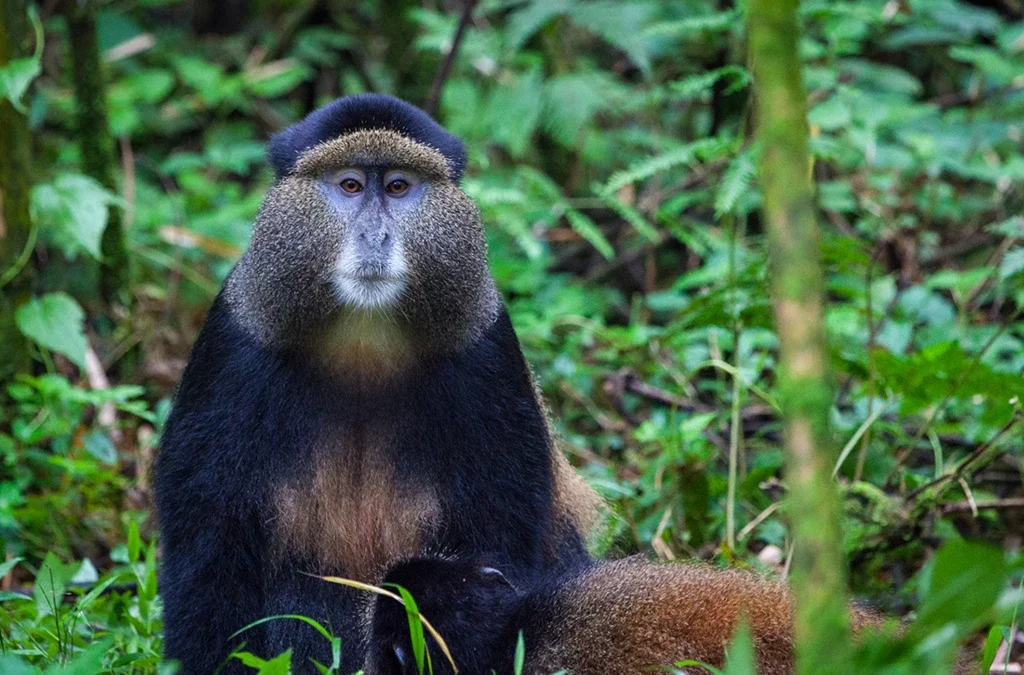
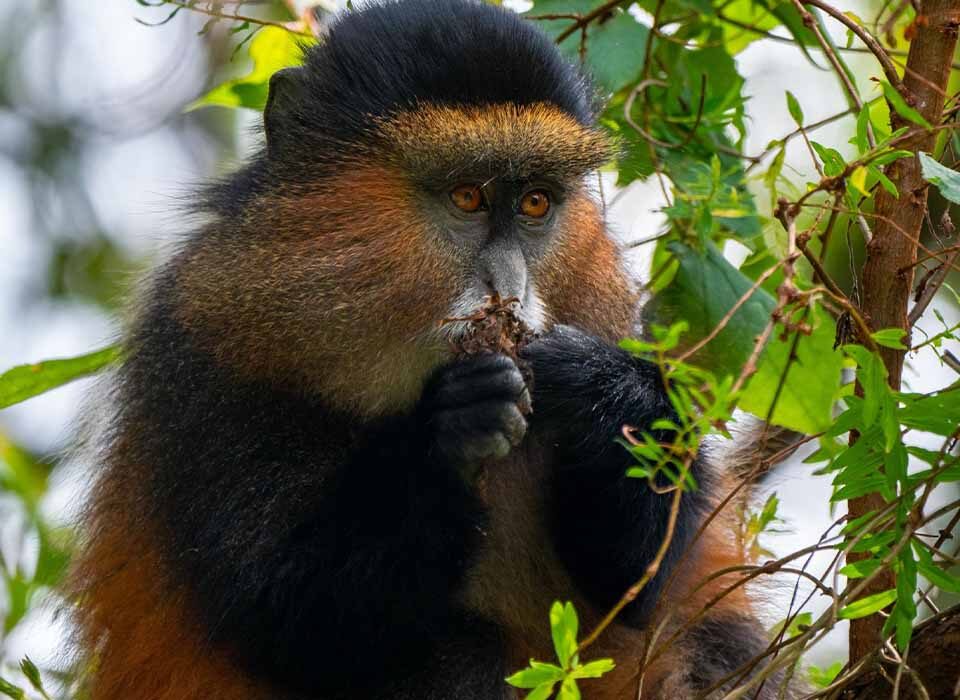
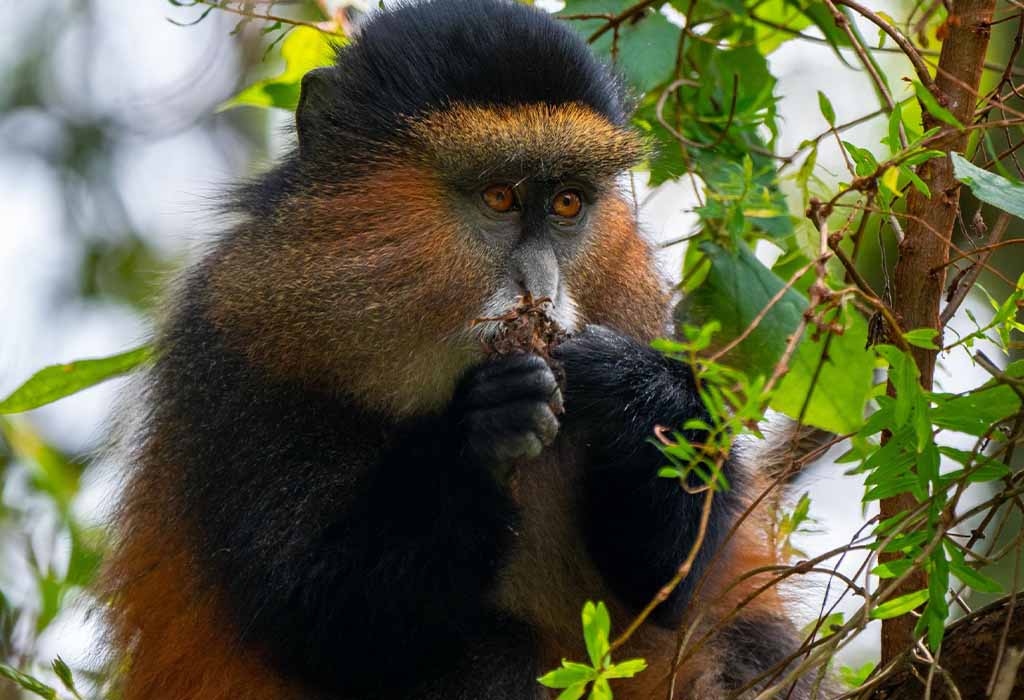
Golden monkeys (Cercopithecus kandti) are among the most fascinating primates found in Africa. Their striking golden-orange fur, expressive faces, and playful behavior make them a favorite among wildlife enthusiasts. However, these beautiful monkeys are not widely distributed. They occupy a very small range in the Albertine Rift of Central Africa, making their habitat especially important for their survival.
If you are wondering where golden monkeys live, what their natural habitat looks like, and why conservation matters, this guide explores everything you need to know.
Where Do Golden Monkeys Live?
Golden monkeys live in the Virunga Mountains, a volcanic mountain range that stretches across Rwanda, Uganda, and the Democratic Republic of Congo (DRC). This unique ecosystem provides the forests, bamboo, climate, and food sources that these primates need to survive.
The Virunga Mountains contain several protected areas, including Volcanoes National Park in Rwanda, Mgahinga Gorilla National Park in Uganda, and Virunga National Park in the Democratic Republic of Congo. Together, these protected landscapes form an important refuge for golden monkeys and other rare wildlife species.
Because golden monkeys have such a restricted natural range, travelers have only a few places where they can see them in the wild. For many visitors, Uganda and Rwanda provide the most accessible opportunities to experience golden monkey trekking.
Golden Monkeys in Rwanda
In Rwanda, golden monkeys live primarily in Volcanoes National Park in the northern part of the country. The park is famous worldwide for its mountain gorillas, but it also protects an important population of golden monkeys.
Volcanoes National Park covers part of the Virunga volcanic mountain range and contains dense bamboo forests, montane vegetation, and rugged volcanic landscapes. These conditions create an ideal environment for golden monkeys.
Golden monkey trekking in Volcanoes National Park gives visitors the opportunity to walk through the forest with experienced guides and search for habituated golden monkey groups. The experience can be particularly rewarding because the monkeys often move quickly through the vegetation, jump between branches, and feed on bamboo shoots and leaves.
Golden Monkeys in Uganda
Uganda is another excellent destination for seeing golden monkeys in their natural environment. They live in Mgahinga Gorilla National Park, located in southwestern Uganda near the borders with Rwanda and the Democratic Republic of Congo.
Although Mgahinga is one of Uganda’s smallest national parks, it protects an exceptionally rich ecosystem. The park forms part of the larger Virunga Conservation Area and contains three major volcanic mountains: Mount Gahinga, Mount Muhabura, and Mount Sabyinyo.
Golden monkey trekking is one of the main attractions in Mgahinga. Visitors can explore the bamboo and montane forests while searching for these energetic primates. The experience combines wildlife viewing with an opportunity to appreciate the spectacular scenery of southwestern Uganda.
For travelers planning an African primate adventure, Experiya Tour Company can help organize golden monkey trekking experiences in Mgahinga and combine them with other activities such as gorilla trekking, cultural encounters, and wildlife safaris.
Golden Monkeys in the Democratic Republic of Congo
Golden monkeys also occur in Virunga National Park in the Democratic Republic of Congo. Virunga is one of Africa’s oldest national parks and contains an extraordinary variety of habitats, from forests and wetlands to volcanic landscapes.
However, conservation and tourism activities in parts of the park have faced significant challenges over the years. Security concerns and political instability have affected access to some areas.
As a result, Uganda’s Mgahinga Gorilla National Park and Rwanda’s Volcanoes National Park remain among the more accessible destinations for travelers interested in seeing golden monkeys.
What Habitat Do Golden Monkeys Prefer?
Golden monkeys prefer high-altitude forests with abundant bamboo and other vegetation. They particularly favor areas where bamboo grows densely because it provides an important source of food and cover.
The forests of the Virunga Mountains offer a cool and moist environment. Mist frequently covers the mountains, while rainfall supports thick vegetation throughout much of the year. These conditions help maintain the bamboo and other plants on which golden monkeys depend.
Unlike animals that prefer open savannahs, golden monkeys have adapted to life in forested mountain environments. Their agility allows them to move through thick vegetation, climb trees, and travel across steep terrain while searching for food.
Why Is Bamboo Important to Golden Monkeys?
Bamboo plays a central role in the daily lives of golden monkeys. The animals feed on different parts of bamboo, particularly young shoots and leaves. They also supplement their diet with fruits, flowers, leaves, and other available plant material.
Consequently, healthy bamboo forests provide golden monkeys with a dependable food supply. The dense vegetation also gives them shelter and places where they can move away from potential predators or other disturbances.
However, golden monkeys do not depend exclusively on bamboo. Their ability to feed on a variety of plant materials allows them to adapt to seasonal changes in food availability.
What Is the Climate Like in Their Habitat?
Golden monkeys live in a cool, wet mountain environment. Temperatures generally remain lower than those found in the warmer lowland areas of Central Africa, particularly at higher elevations.
Frequent rainfall and mist help maintain the lush vegetation of the Virunga Mountains. At the same time, the monkeys’ thick fur helps protect them from the cooler mountain conditions.
Their physical abilities also suit the rugged environment. Golden monkeys can move rapidly through dense vegetation and across uneven terrain as they search for food and interact with other members of their groups.
How Do Golden Monkeys Live in Their Habitat?
Golden monkeys are highly social primates. They normally live in groups that can contain several individuals and, in some cases, more than 30 animals.
Much of their day involves feeding, moving through the forest, grooming, playing, and communicating with one another. The forest provides enough vegetation for these activities while giving the groups opportunities to move between feeding areas.
Their social behavior also makes golden monkey trekking especially interesting. Visitors may observe adults feeding while younger monkeys play nearby. At other times, the entire group may move quickly through the bamboo, creating a lively and unpredictable wildlife encounter.
What Threatens Golden Monkey Habitat?
Despite living in protected areas, golden monkeys continue to face several threats. Habitat loss remains one of the biggest concerns. Human population growth around the Virunga region increases demand for agricultural land, firewood, and other natural resources.
Deforestation can reduce the amount of suitable habitat available to golden monkeys. It can also divide forest areas into smaller sections, making it harder for wildlife populations to move freely.
Climate change may create additional challenges. Changes in rainfall, temperature, and vegetation patterns could affect bamboo growth and other food sources. In addition, human-wildlife interactions can increase when communities and wildlife compete for limited resources.
How Are Golden Monkeys Protected?
Conservation organizations and national park authorities continue to protect golden monkeys through habitat management, law enforcement, research, and community involvement.
Volcanoes National Park, Mgahinga Gorilla National Park, and Virunga National Park provide protected environments where golden monkeys can feed, reproduce, and move with reduced human disturbance.
Researchers also monitor golden monkey populations to understand their behavior, health, habitat use, and population trends. This information helps conservationists develop better strategies for protecting the species.
Furthermore, responsible tourism contributes to conservation. Golden monkey trekking creates employment for guides, trackers, rangers, drivers, and hospitality workers. It can also provide income for communities living near protected areas, giving local people greater incentives to support wildlife conservation.
Why Should We Protect Golden Monkey Habitats?
Protecting golden monkey habitat benefits far more than one species. The forests of the Virunga Mountains support numerous plants, mammals, birds, reptiles, and insects. Protecting these forests therefore helps preserve an entire ecosystem.
Healthy forests also provide important environmental benefits, including water catchment, soil protection, and carbon storage. At the same time, sustainable tourism can create valuable economic opportunities for communities around the national parks.
For travelers, choosing responsible tourism operators such as Experiya Tour Company can help support conservation-focused tourism while creating meaningful experiences in the communities and protected areas visited.
The Future of Golden Monkeys
Golden monkeys have a remarkably small natural range, which makes protecting their habitat especially important. Their survival depends on maintaining healthy mountain forests across Rwanda, Uganda, and the Democratic Republic of Congo.
Although habitat loss, human pressure, and climate change present ongoing challenges, conservation efforts provide hope for the future. Protected areas, scientific research, community participation, and responsible tourism can all contribute to the long-term survival of the species.
Ultimately, seeing golden monkeys in the wild is more than a memorable wildlife experience. It is an opportunity to appreciate one of Central Africa’s most unique primates and understand why its mountain forest home deserves protection. By conserving the Virunga Mountains, we protect golden monkeys while also preserving one of Africa’s most remarkable ecosystems for future generations.