Top Birding Sites in Rwanda
October 7, 2026
The Batwa Trail in Mgahinga Gorilla National Park
October 7, 2026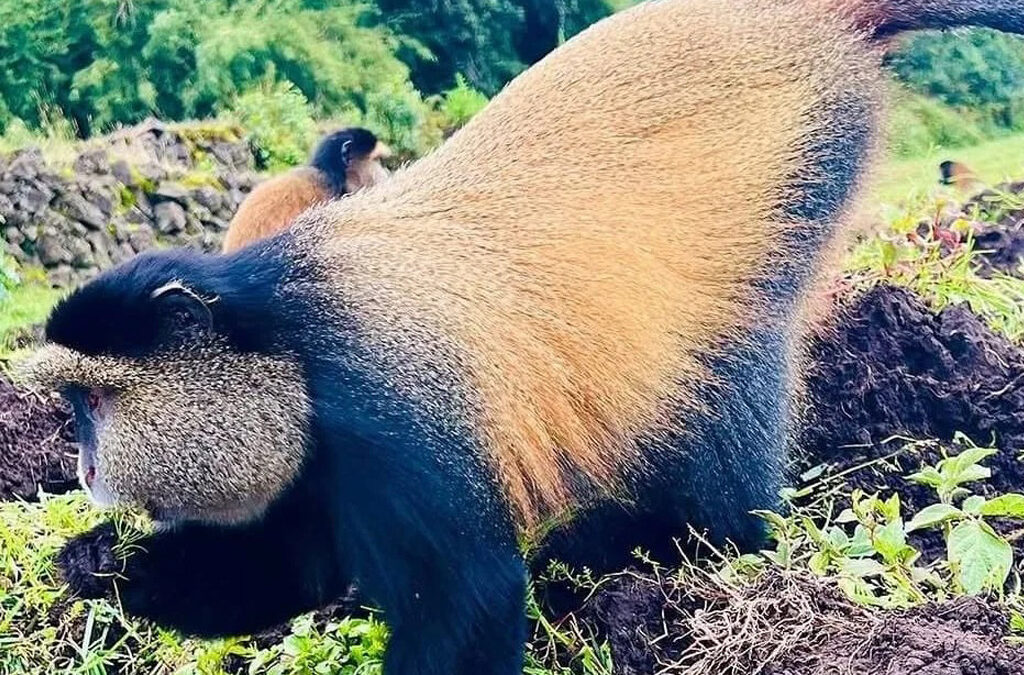
Volcanoes National Park is one of Rwanda’s most remarkable wildlife destinations, especially for travelers who dream of seeing mountain gorillas in their natural habitat. Located in the far northwest of the country, the park protects a spectacular section of the Virunga Mountains, where mist-covered slopes, bamboo forests, montane vegetation, and volcanic peaks create an extraordinary environment for wildlife.
Although most visitors associate the park with gorilla trekking, the animals in Volcanoes National Park extend beyond the famous mountain gorillas. The forest supports golden monkeys, buffaloes, bushbucks, giant forest hogs, duikers, spotted hyenas, and numerous smaller mammals. The park also provides habitat for many bird species, reptiles, amphibians, and other forest creatures.
Walking through this ancient mountain forest with Experiya Tour Company gives you a different appreciation of Rwanda’s wildlife. The forest is never completely silent. You may hear birds calling from the canopy, see signs left by animals along a trail, or suddenly find yourself close to a troop of golden monkeys moving quickly through the bamboo.
Where Is Volcanoes National Park?
Volcanoes National Park lies in northwestern Rwanda, close to the borders with Uganda and the Democratic Republic of Congo. The park forms part of the larger Virunga conservation landscape, which also includes Mgahinga Gorilla National Park in Uganda and Virunga National Park in the Democratic Republic of Congo.
The landscape is dominated by a chain of volcanic mountains, including Mount Karisimbi, Mount Bisoke, Mount Muhabura, Mount Gahinga, and Mount Sabyinyo. Their high elevations create cool, wet conditions that support montane forests and other specialized habitats.
The park covers about 160 square kilometers, making it relatively small compared with some African savannah parks. However, its ecological importance is enormous because it protects one of the world’s remaining populations of mountain gorillas.
What Animals Live in Volcanoes National Park?
The animals found in Volcanoes National Park have adapted to a high-altitude environment that differs considerably from the open savannahs commonly associated with African safaris. Some species are easy to find, while others remain hidden in thick vegetation and are rarely seen by visitors.
The most notable animals include:
- Mountain gorillas
- Golden monkeys
- African buffaloes
- Bushbucks
- Giant forest hogs
- Duikers
- Spotted hyenas
- Forest elephants, which are extremely rare in the Virunga landscape
- Various rodents and smaller forest mammals
Among these animals, mountain gorillas and golden monkeys provide the most reliable and memorable wildlife encounters for visitors.
1. Mountain Gorillas
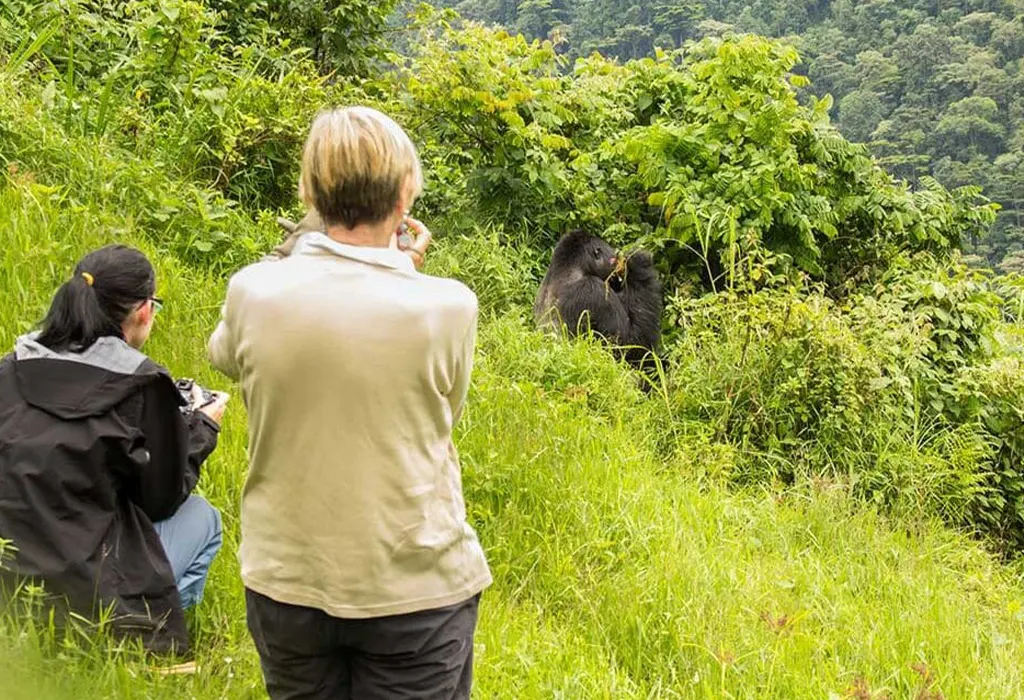
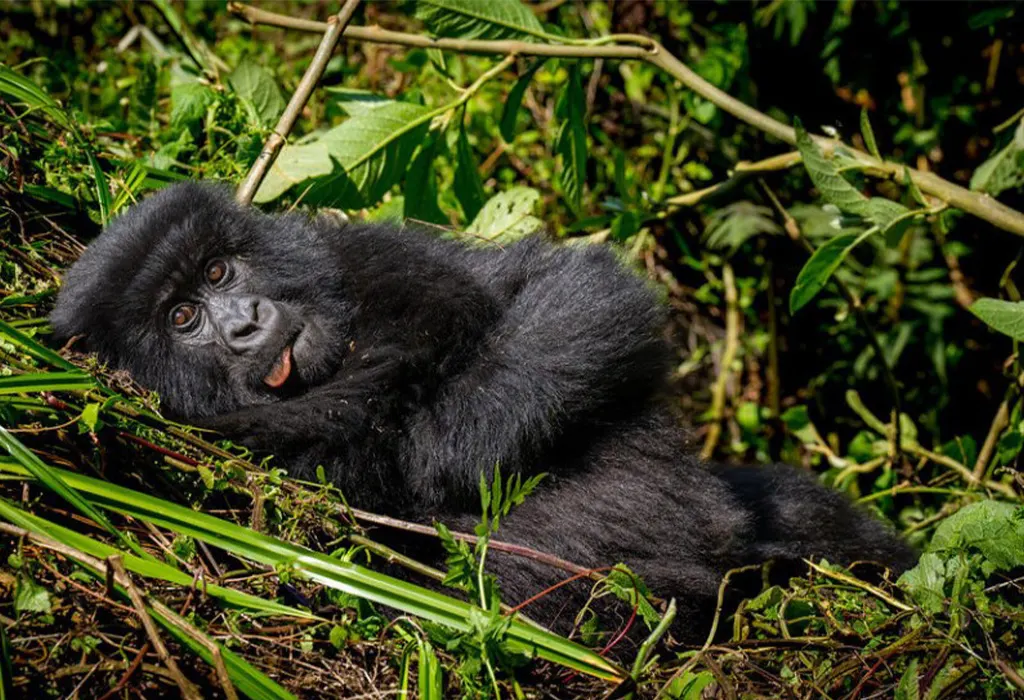
Mountain gorillas are undoubtedly the most famous animals in Volcanoes National Park. For many travelers, seeing these great apes is the main reason for visiting Rwanda.
The gorillas live in the dense forests and bamboo zones of the Virunga Mountains. They spend much of their day feeding, resting, moving through the forest, and interacting with members of their family groups. Each gorilla has its own personality, and experienced trackers can often help visitors understand the behavior they observe.
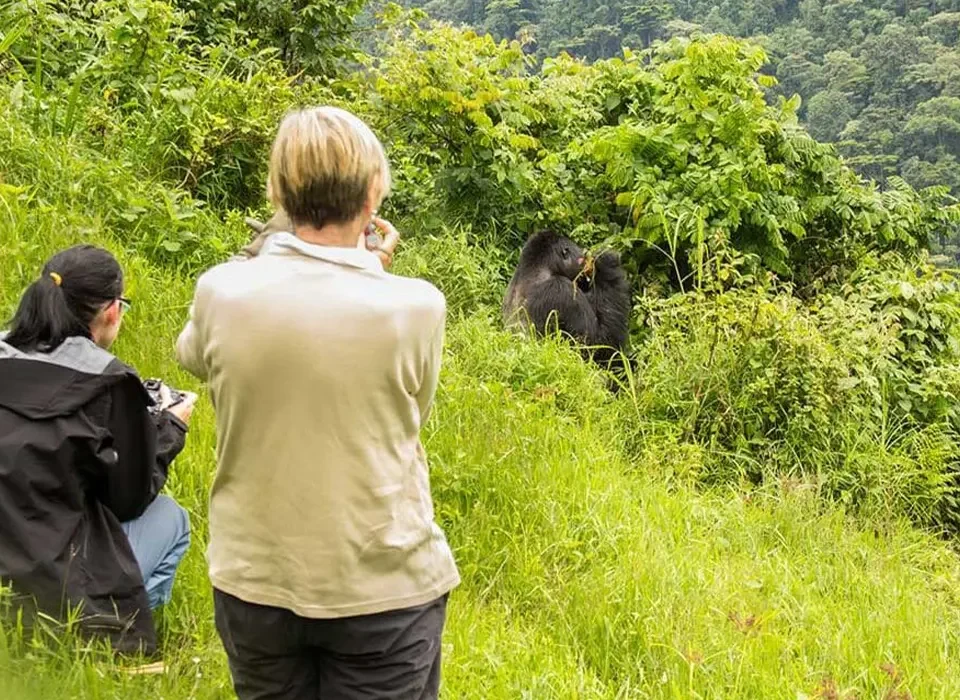
A gorilla trekking experience usually begins early in the morning at the park headquarters. After briefing and allocation to a gorilla group, visitors enter the forest with trained guides and trackers. The trek can be relatively short or physically demanding, depending on where the gorillas spent the previous night.
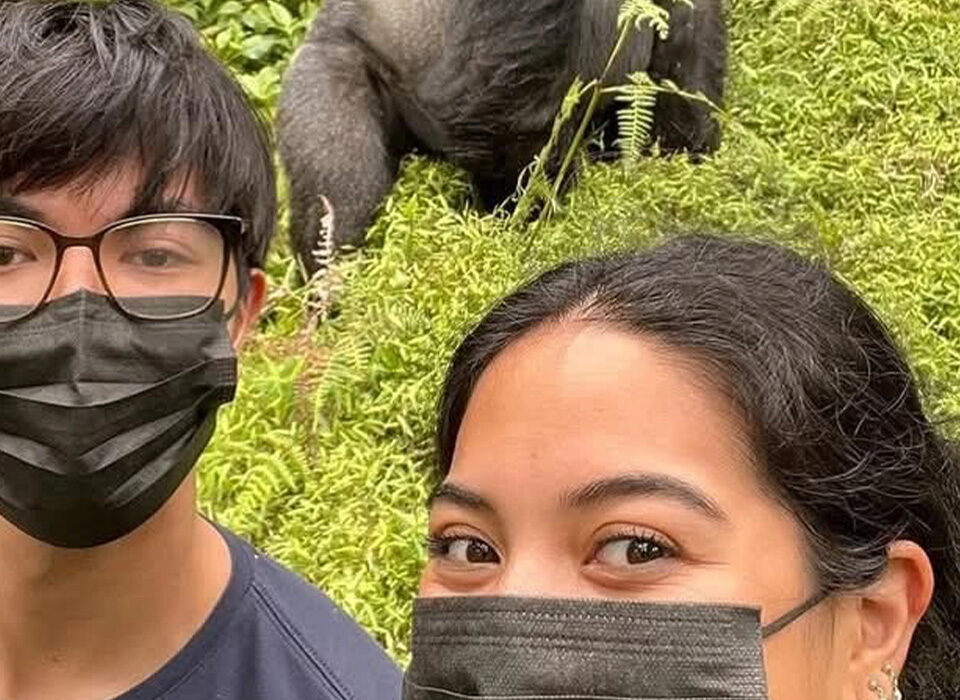
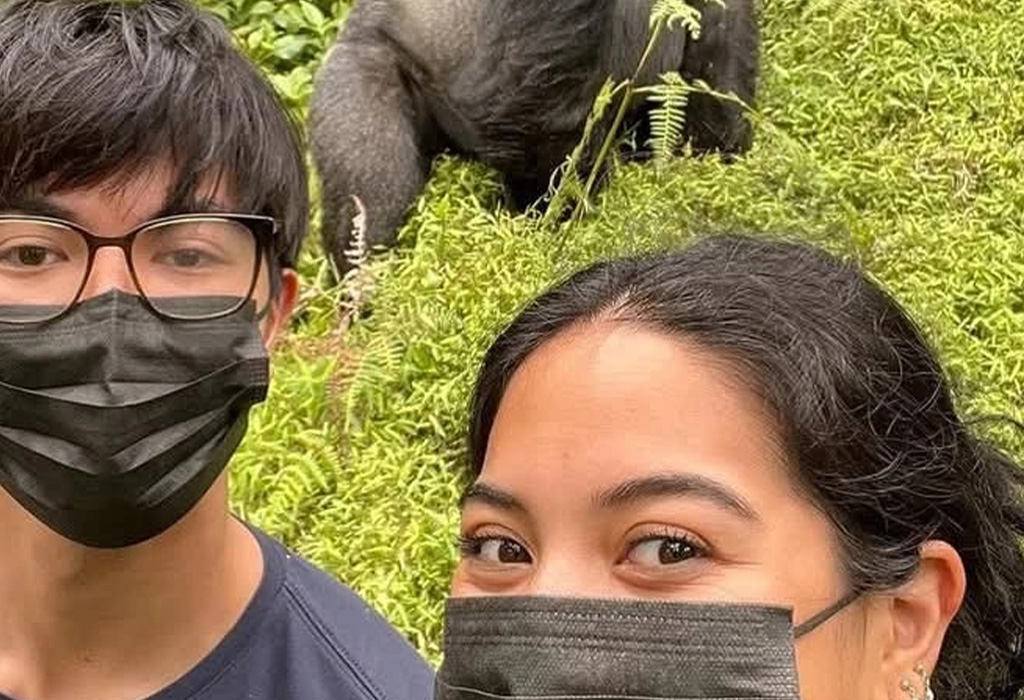
When you finally encounter the gorillas, the experience feels remarkably personal. A silverback may sit quietly nearby while younger gorillas play around him. Mothers carefully watch their infants, while other members of the family feed among the vegetation.
This close observation is carefully managed to protect both visitors and gorillas. Visitors must follow the instructions of the park guides and maintain the required distance from the animals.
Why Mountain Gorillas Are Special
Mountain gorillas are critically important to Rwanda’s conservation story. Their population has benefited from decades of conservation work, research, tourism revenue, veterinary support, and cooperation among countries within the Virunga region.
A gorilla trekking permit therefore provides much more than access to the forest. It contributes to a conservation system that helps protect the gorillas and the habitat on which they depend.
2. Golden Monkeys
Golden monkeys are another major attraction among the animals in Volcanoes National Park. These beautiful primates are endemic to the Albertine Rift and are easily recognized by their striking golden-orange fur.
They spend much of their time moving through bamboo forests, feeding on young leaves, shoots, fruits, flowers, and other vegetation. Unlike gorillas, golden monkeys can move rapidly through the trees and thick bamboo, so following them can be an exciting experience.
Golden monkey trekking provides an excellent alternative for travelers who want to experience Rwanda’s forest wildlife without focusing entirely on gorillas.
You may watch a troop feeding quietly in the bamboo before they suddenly move higher into the vegetation. Their playful behavior, quick movements, and distinctive appearance make them particularly enjoyable to observe.
3. African Buffaloes
African buffaloes also occur within the wider Volcanoes National Park ecosystem. These powerful herbivores are more commonly associated with grasslands and savannahs, but they can also survive in the forested mountain environment.
Buffaloes usually move in groups and feed on grasses and other vegetation. Seeing one in the dense forest can be an unexpected moment because visibility is often limited.
They are also powerful wild animals and should never be approached without trained guides. While they may appear calm from a distance, buffaloes can become aggressive when they feel threatened.
4. Bushbucks
Bushbucks are among the quieter mammals you may encounter while exploring the forest. These antelopes prefer areas with dense vegetation, where they can feed while remaining protected from predators.
Their shy behavior means that visitors often see them briefly before they disappear into the vegetation. They feed on leaves, shoots, flowers, and other plant material.
For wildlife enthusiasts, even a short bushbuck sighting adds another layer to the Volcanoes National Park experience. The excitement comes not only from seeing the most famous animals but also from noticing the smaller and less predictable species living around them.
5. Giant Forest Hogs
The giant forest hog is one of the more unusual mammals associated with the forests of the Albertine Rift. It is the largest wild pig species in Africa and can inhabit forest and highland environments.
Giant forest hogs are generally shy and spend much of their time searching for food. They may feed on grasses, roots, fallen fruits, and other vegetation.
Because they prefer thick habitats and can move away quickly when disturbed, encountering one requires patience and a little luck. Nevertheless, their presence demonstrates the ecological diversity of Volcanoes National Park beyond its famous primates.
6. Duikers
Several species of small antelope, commonly known as duikers, inhabit forest environments within the region. Duikers are generally compact animals that move quietly through dense vegetation.
They often feed on leaves, fruits, flowers, and other plant material. Their small size and secretive behavior make them easy to overlook, particularly when visitors are concentrating on finding gorillas or golden monkeys.
However, walking slowly and paying attention to movement along the forest floor can sometimes reveal these shy antelopes.
7. Spotted Hyenas
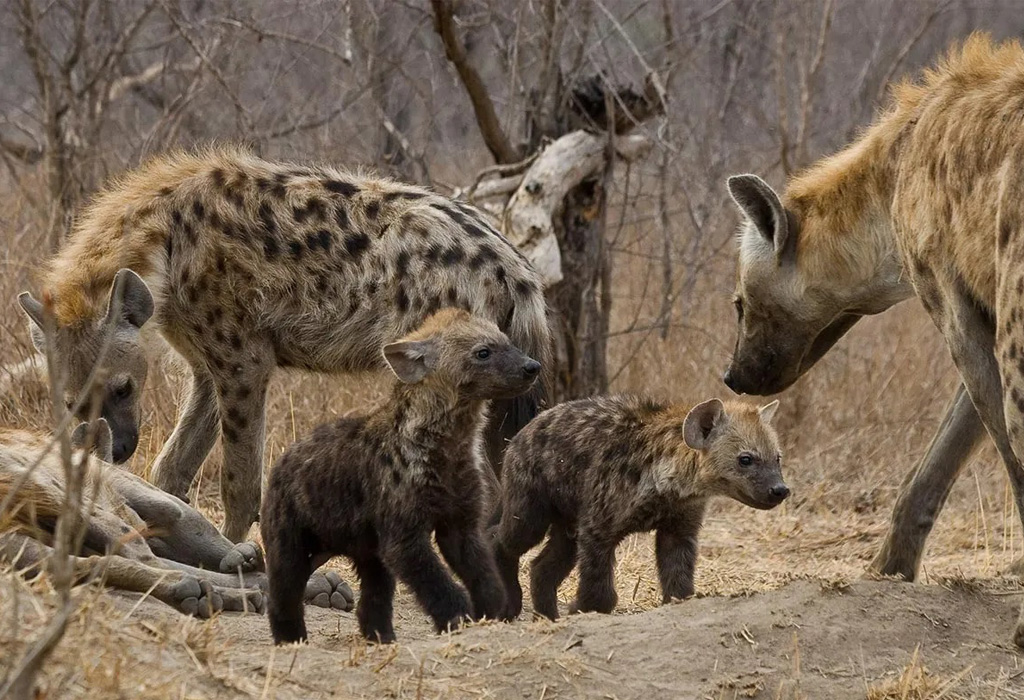
Spotted hyenas are also associated with the broader wildlife of the Volcanoes region. They are highly adaptable predators and scavengers that can occupy a range of habitats.
A hyena sighting in the thick mountain forest is much less predictable than a gorilla or golden monkey encounter. These animals are primarily active at night and tend to avoid people.
Nevertheless, their presence forms an important part of the ecological balance. Predators help regulate prey populations and contribute to the overall health of natural ecosystems.
8. Forest Elephants and Other Rare Wildlife
The Virunga landscape has historically supported a variety of large mammals, including elephants. However, elephant sightings in Volcanoes National Park are exceptionally rare and should not be treated as a regular attraction.
The same applies to several other forest mammals that may occur in the wider ecosystem but remain difficult to see. Dense vegetation, rugged terrain, high altitude, and the animals’ naturally secretive behavior make wildlife viewing different from a traditional savannah game drive.
This is why a visit to Volcanoes National Park should not be planned around a long list of guaranteed animal sightings. Instead, the experience is about entering a remarkable mountain ecosystem and discovering what the forest reveals.
Birds and Other Wildlife in Volcanoes National Park
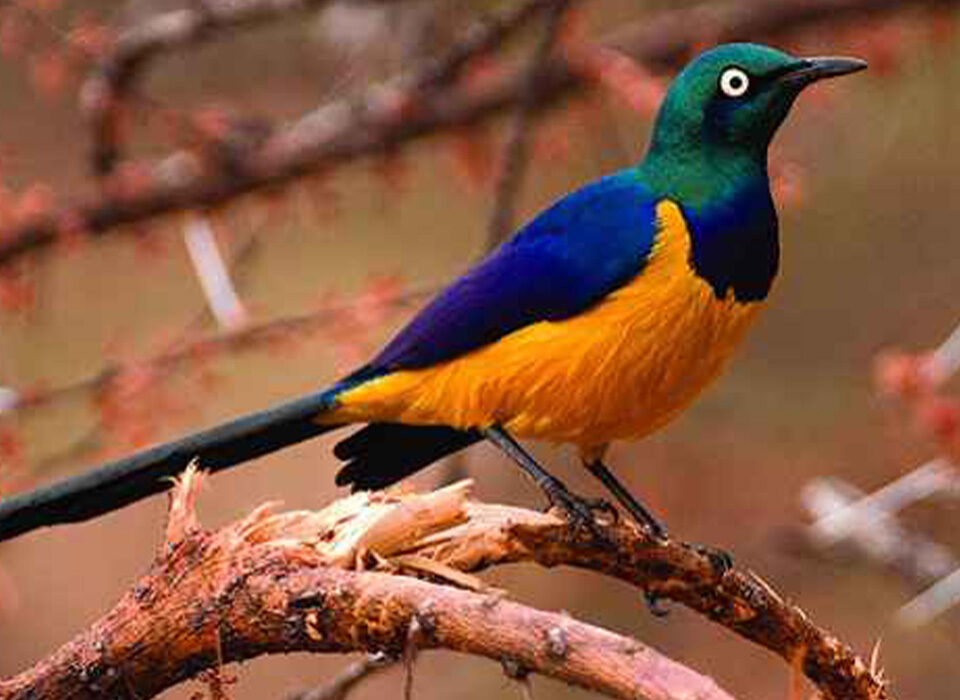
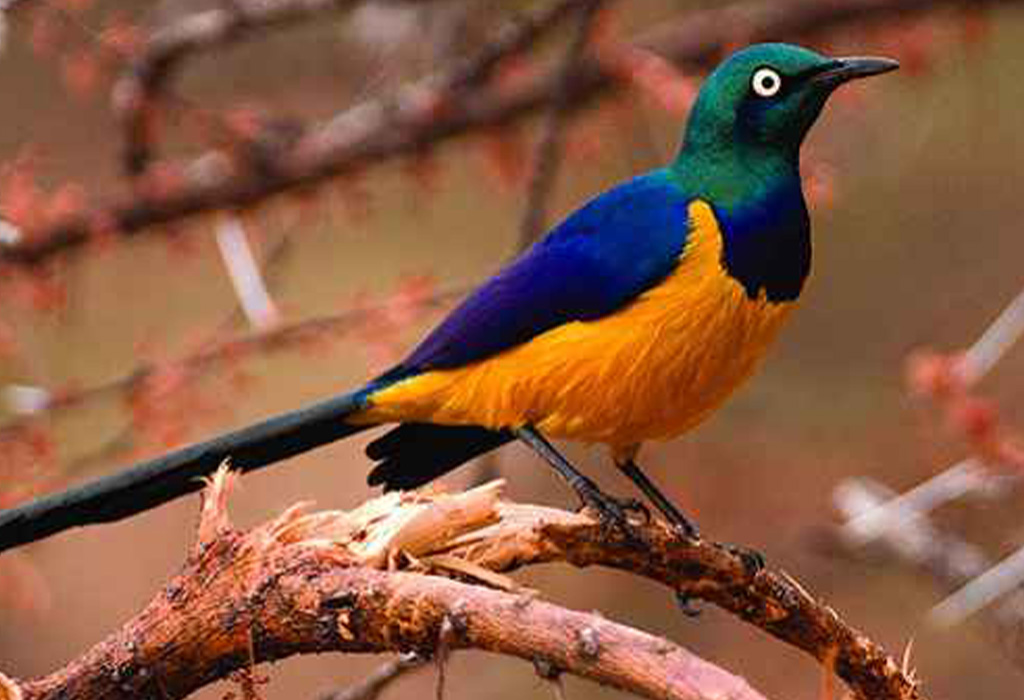
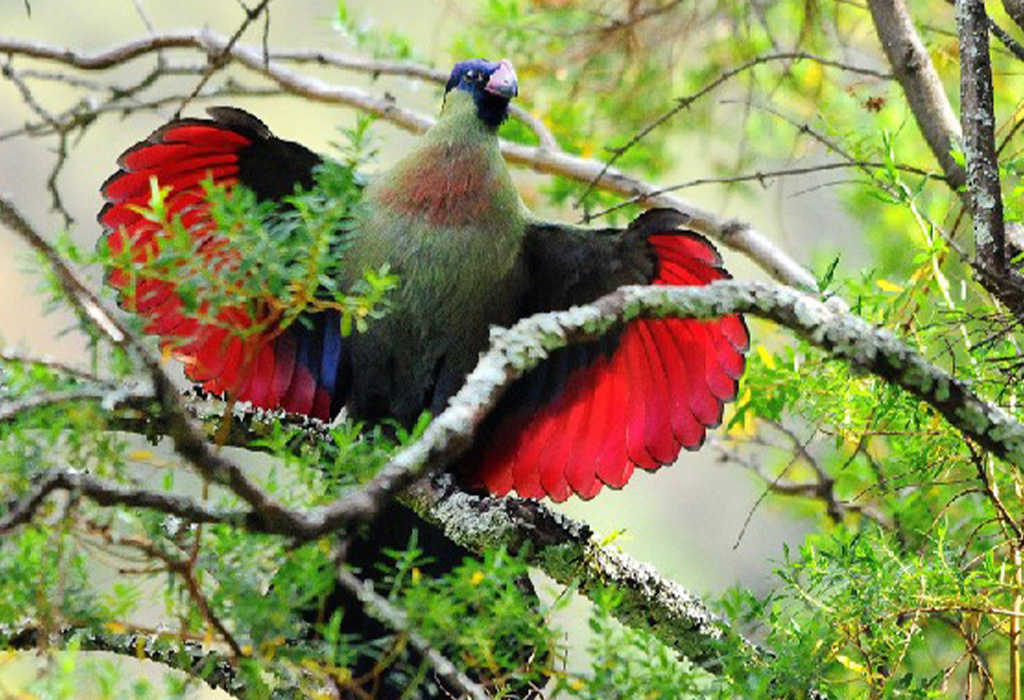
Although the main focus of this article is the animals in Volcanoes National Park, the park also supports an impressive range of birdlife. Its location within the Albertine Rift makes it particularly valuable for birdwatchers.
Some visitors may encounter species such as the Rwenzori turaco, handsome francolin, Rwenzori double-collared sunbird, white-starred robin, and several other forest birds.
The park also contains reptiles, amphibians, insects, butterflies, and countless smaller organisms that play important roles in the forest ecosystem.
Consequently, taking time to observe the environment rather than focusing only on large mammals can make a forest walk much more rewarding.
Best Way to See Animals in Volcanoes National Park
The best way to experience the wildlife of Volcanoes National Park depends on the species you want to see. Gorilla trekking and golden monkey trekking provide the most structured wildlife encounters.
However, the forest itself is part of the experience. A guided nature walk can introduce visitors to plants, birds, smaller mammals, and signs of wildlife that they might otherwise miss.
Experiya Tour Company can help travelers organize their Volcanoes National Park experience, including transportation, accommodation, permits, guiding arrangements, and other activities around Rwanda.
For the best experience:
- Start your activity early in the morning.
- Wear comfortable hiking shoes with good grip.
- Carry waterproof clothing because mountain weather can change quickly.
- Follow your guide’s instructions throughout the trek.
- Keep your voice low when approaching wildlife.
- Bring binoculars for birds and distant animals.
- Carry enough drinking water for the trek.
Why Visit Volcanoes National Park for Wildlife?
Volcanoes National Park offers something that many conventional safari destinations cannot provide. Here, wildlife viewing takes place within a dramatic mountain environment rather than across wide-open plains.
The combination of volcanic peaks, misty forests, bamboo, wildlife, and local communities creates an experience that feels deeply connected to the landscape. Most importantly, visitors have an opportunity to observe some of Africa’s most remarkable primates in their natural environment.
For travelers interested in wildlife in Volcanoes National Park Rwanda, the destination also provides an opportunity to understand how conservation and responsible tourism can work together.
Every trek requires patience. Sometimes the forest remains quiet for long periods. Then, without warning, you may hear branches moving above you or discover a family of gorillas resting only a short distance away. Those moments are what make mountain wildlife experiences so powerful.
Frequently Asked Questions About Animals in Volcanoes National Park
What is the main animal in Volcanoes National Park?
The mountain gorilla is the most famous animal in Volcanoes National Park. The park protects an important population of mountain gorillas, making it one of the world’s premier gorilla trekking destinations.
Are golden monkeys found in Volcanoes National Park?
Yes. Golden monkeys live in Volcanoes National Park and are one of Rwanda’s important primate attractions. Visitors can participate in guided golden monkey trekking to observe them in their natural habitat.
What other animals live in Volcanoes National Park?
Other wildlife includes buffaloes, bushbucks, giant forest hogs, duikers, spotted hyenas, and numerous smaller mammals. Some species are rarely encountered because of the dense forest and mountainous terrain.
Can I see animals besides gorillas?
Yes. Golden monkey trekking, nature walks, birdwatching, and other guided forest activities provide opportunities to encounter different species. However, sightings of less common mammals are not guaranteed.
Is Volcanoes National Park good for wildlife lovers?
Absolutely. The park is especially rewarding for travelers interested in primates, mountain ecosystems, conservation, and birdlife. Gorilla trekking provides the most famous wildlife experience, while golden monkeys add another memorable dimension.
Final Thoughts on Animals in Volcanoes National Park
The animals in Volcanoes National Park tell a story much bigger than gorilla trekking alone. Mountain gorillas may attract travelers from around the world, but golden monkeys, buffaloes, bushbucks, giant forest hogs, duikers, birds, and countless smaller creatures all contribute to the life of this extraordinary mountain ecosystem.
What makes the experience special is the setting. Walking beneath the misty Virunga Mountains, listening to birds in the canopy, following fresh tracks through bamboo, and eventually coming face-to-face with a mountain gorilla creates memories that are difficult to reproduce anywhere else.
With responsible planning and the guidance of Experiya Tour Company, a visit to Volcanoes National Park can become more than a wildlife trip. It can be an opportunity to appreciate Rwanda’s conservation success, understand the importance of protecting mountain habitats, and experience some of Africa’s most fascinating wildlife at close range.