Best Time for Gorilla Trekking in 2026
July 7, 2026
What Is the Best Weather for Mgahinga Gorilla Trekking?
July 7, 2026
Uganda is widely celebrated for its unforgettable gorilla trekking adventures, breathtaking mountain scenery, and rich biodiversity. Yet beyond the famous rainforests and wildlife lies another remarkable experience that deserves equal attention—the Batwa cultural experience. While many visitors come to Bwindi Impenetrable National Park or Mgahinga Gorilla National Park hoping to encounter endangered mountain gorillas, those who take time to learn about the Batwa people often leave with a much deeper appreciation of Uganda’s cultural and conservation story.
A Batwa cultural experience is far more than a cultural performance. It offers an opportunity to understand the history of one of Africa’s oldest Indigenous communities, learn how they once lived in harmony with the rainforest, and discover how they continue to preserve their traditions despite significant challenges. Through carefully guided cultural encounters arranged by Experiya Tour Company, visitors gain meaningful insight into the lives, customs, and resilience of the Batwa people.
Understanding the Batwa People
Before joining a Batwa cultural experience, it helps to understand who the Batwa are and why their story is so important.
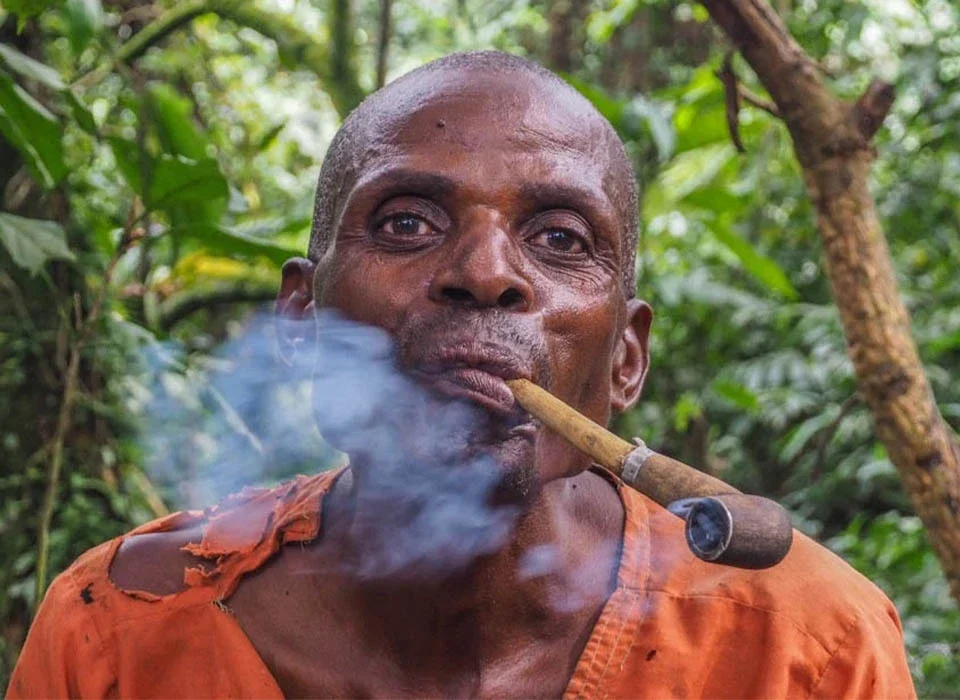
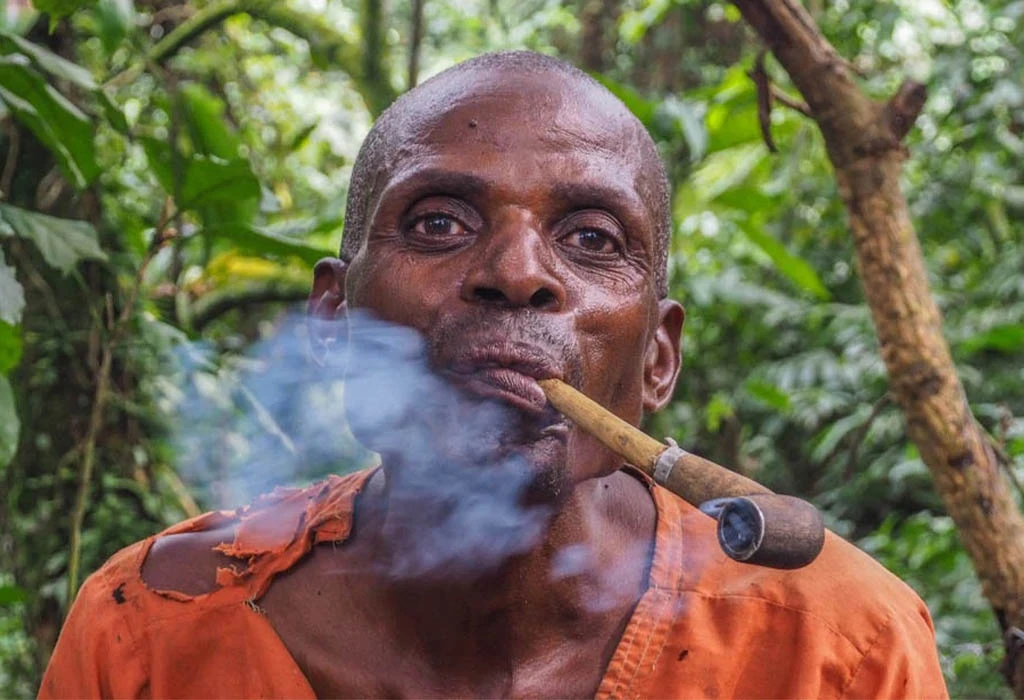
The Batwa are believed to be among the earliest inhabitants of the forests that stretch across southwestern Uganda, Rwanda, Burundi, and parts of the Democratic Republic of Congo. For countless generations, they lived as skilled hunter-gatherers, depending entirely on the rainforest for food, medicine, shelter, and spiritual guidance.
Rather than changing the forest to suit their needs, the Batwa adapted to its rhythms. They developed remarkable knowledge of medicinal plants, edible fruits, animal behavior, and seasonal changes. Their understanding of the rainforest allowed them to survive while maintaining a respectful relationship with nature.
However, life changed dramatically in the early 1990s when Bwindi Impenetrable National Park and Mgahinga Gorilla National Park were officially established to protect endangered mountain gorillas. Although conservation has brought enormous benefits for wildlife, it also resulted in the Batwa being relocated from the forests they had called home for generations.
Today, many Batwa communities live outside the protected areas. Despite losing direct access to their ancestral forests, they continue to preserve their cultural identity by sharing their traditions, knowledge, music, and history with visitors from around the world.
Where Can You Experience Batwa Culture?
Visitors can enjoy Batwa cultural experiences around both Bwindi Impenetrable National Park and Mgahinga Gorilla National Park. Although each destination introduces travelers to Batwa traditions, the experiences differ slightly.
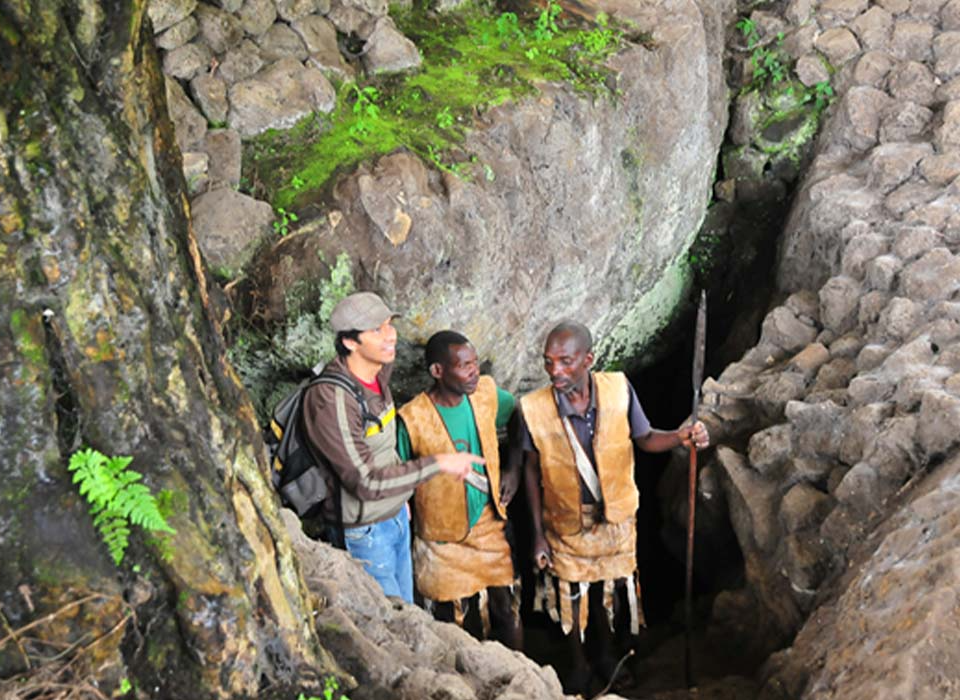
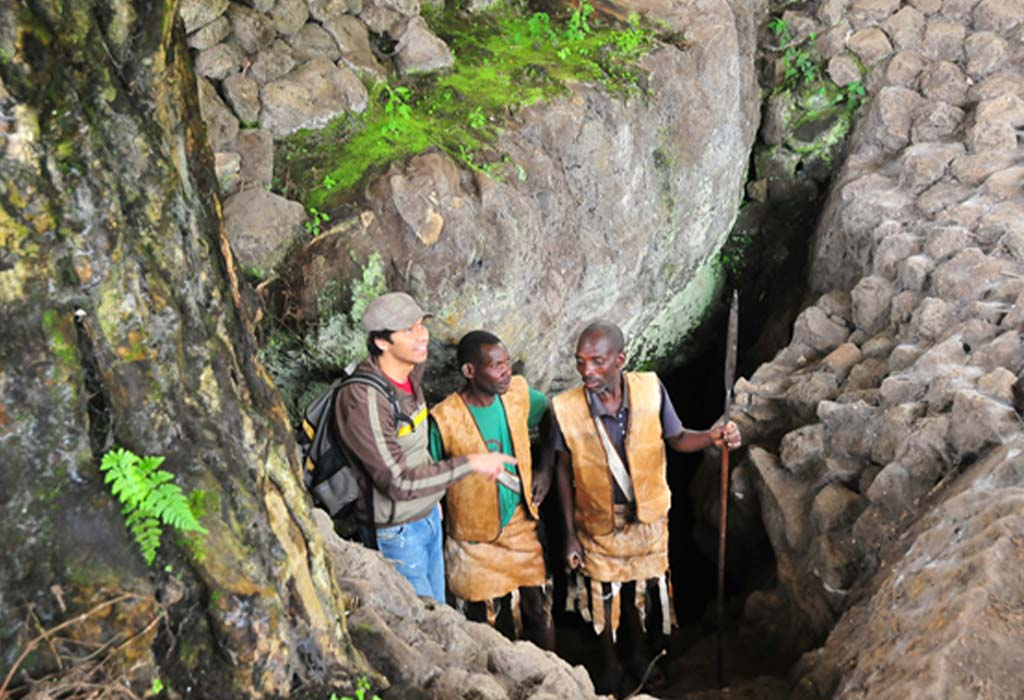
In Mgahinga Gorilla National Park, the famous Batwa Trail offers one of the most immersive cultural activities in Uganda. Batwa guides lead visitors through sections of the forest while explaining how their ancestors hunted, gathered food, collected medicinal plants, and found shelter. Along the trail, guests also visit sacred sites, including Garama Cave, which once served as an important meeting place and refuge for the Batwa community.
Around Bwindi, particularly in Buhoma and Nkuringo, the experience focuses more on cultural interaction within Batwa communities located near the forest. Visitors enjoy storytelling sessions, traditional demonstrations, music, dance, and conversations with local families who willingly share their experiences and traditions.
Although the settings vary, both locations provide authentic opportunities to learn directly from the Batwa themselves rather than simply observing their culture from a distance.
Walking Through the Forest with Batwa Guides
One of the most memorable parts of the Batwa cultural experience is the guided forest walk. Instead of viewing the rainforest as ordinary vegetation, visitors begin to see it through the eyes of people who depended on it for survival.
As you walk beneath towering trees and dense vegetation, Batwa guides explain how they identified edible plants, tracked animals, and located clean water sources. They demonstrate traditional hunting techniques, including the use of bows, arrows, and handmade traps, while explaining how every hunting practice respected the balance of nature.
Throughout the walk, guides also introduce visitors to medicinal plants that continue to play an important role in traditional healing. Their detailed knowledge reflects centuries of close interaction with the forest environment.
Rather than presenting rehearsed performances, the guides share personal stories passed down through generations, making every explanation feel genuine and deeply meaningful.
Discovering Traditional Batwa Homes
Another fascinating part of the experience involves visiting a reconstructed Batwa homestead.
Here, visitors discover how families once built shelters using branches, leaves, vines, and other natural materials gathered from the forest. Guides explain how these simple structures protected families from changing weather while blending naturally into their surroundings.
Inside the homestead, guests learn how food was prepared over open fires, how cooking utensils were made from locally available materials, and how families organized their daily lives. Visitors also gain insight into traditional child-rearing practices, marriage customs, and community cooperation.
Many experiences include demonstrations by respected Batwa elders or traditional healers, who explain how specific herbs treated illnesses long before modern healthcare became available. These conversations provide valuable insight into Indigenous knowledge that continues to benefit many rural communities today.
Exploring Sacred Places
The forest holds deep spiritual significance for the Batwa people, and several cultural experiences introduce visitors to important heritage sites.
One of the highlights near Mgahinga is Garama Cave, a large volcanic cave that once served as a royal gathering place and temporary shelter. Local guides explain how community ceremonies, storytelling sessions, and important meetings took place inside the cave.
Standing within these sacred spaces encourages visitors to reflect on the Batwa’s profound connection to the forest. Every cave, tree, and pathway carries memories that cannot be fully appreciated through photographs alone.
These moments often become the emotional highlight of the journey because they reveal that the rainforest represents much more than a wildlife habitat—it is also a place of cultural identity and historical significance.
Experiencing Music, Dance, and Storytelling
As the cultural visit continues, guests are welcomed with traditional Batwa songs, dances, and oral storytelling.
Music has always played an essential role in Batwa society. Songs celebrate successful hunts, important ceremonies, births, marriages, and seasonal events. Likewise, traditional dances express joy, unity, and respect for ancestors.
Visitors are often invited to participate by learning simple dance movements or joining community celebrations. These interactions create genuine moments of cultural exchange while fostering mutual respect between visitors and hosts.
Storytelling adds another powerful dimension to the experience. Elders share legends, historical accounts, and personal memories that help preserve Batwa heritage for younger generations. Listening directly to these stories creates a far richer understanding than reading about them in books or watching documentaries.
How Long Does the Experience Last?
The Batwa cultural experience can easily fit into most safari itineraries.
Standard experiences generally last between two and four hours, making them ideal additions to gorilla trekking holidays. Travelers with more time can choose full-day cultural programs that include longer forest walks, traditional cooking demonstrations, extended storytelling sessions, and additional opportunities to interact with community members.
Experiya Tour Company can help travelers choose the option that best matches their interests, schedule, and overall Uganda safari itinerary.
What Does a Batwa Cultural Experience Cost?
Prices vary depending on location, duration, and the activities included. Standard Batwa cultural experiences generally cost around US$80 per person, although rates may differ depending on the community and tour arrangements. Group bookings sometimes receive discounted rates, while full-day experiences typically cost more because they include additional activities and extended interaction with local guides.
Since prices occasionally change, it is always advisable to confirm current rates when planning your safari with Experiya Tour Company.
Supporting Conservation and Community Development
Choosing a Batwa cultural experience does much more than enrich your holiday. It also creates meaningful benefits for local communities.
A significant portion of tourism revenue supports education programs that give Batwa children better access to schooling. Income generated through cultural tourism also contributes to healthcare services, community development initiatives, and cultural preservation projects.
Equally important, tourism provides employment opportunities for Batwa guides, performers, artisans, and community leaders. By sharing their knowledge and traditions, they can earn sustainable incomes while strengthening pride in their cultural heritage.
This support helps ensure that traditional skills, language, music, and oral history continue to thrive despite the challenges of displacement and modernization.
Why You Should Include This Experience in Your Uganda Safari
Many visitors naturally focus their Uganda itinerary on mountain gorilla trekking. While seeing these magnificent primates remains an unforgettable experience, combining wildlife encounters with cultural activities creates a much richer journey.
Learning about the Batwa reveals the human history behind the forests you explore during gorilla trekking. It helps visitors understand the relationship between conservation, Indigenous communities, and sustainable tourism.
Rather than viewing Bwindi and Mgahinga solely as wildlife destinations, travelers begin to appreciate them as landscapes shaped by both nature and people over thousands of years.
For this reason, many guests describe the Batwa cultural experience as one of the most meaningful parts of their Uganda safari.
Final Thoughts
A Batwa cultural experience offers far more than an afternoon of sightseeing. It invites visitors to step into the remarkable story of one of East Africa’s oldest Indigenous communities and to understand how culture, history, and conservation are deeply connected.
Throughout the experience, you will walk through ancient forests, discover traditional survival skills, visit historic sites, listen to captivating stories, and share genuine moments with people who continue to preserve their heritage with dignity and pride.
When you travel with Experiya Tour Company, this experience becomes more than another activity on your itinerary. It becomes an opportunity to learn directly from the Batwa, support community-based tourism, and gain a deeper understanding of Uganda’s extraordinary cultural landscape.
Long after your safari ends, the memories of the Batwa people, their resilience, wisdom, and enduring connection to the forest, will remain one of the most meaningful parts of your journey.