Can You Go Trekking When Pregnant?
August 14, 2026
What to Do and See in Kalinzu Forest Reserve
August 15, 2026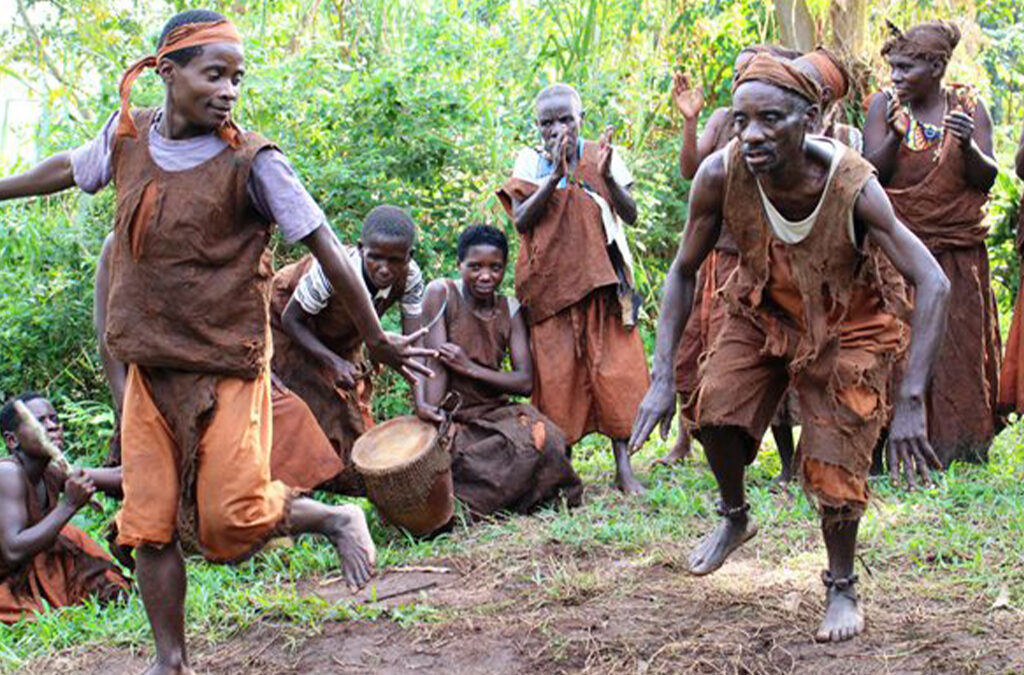
A gorilla trekking adventure in Ruhija, in the eastern part of Bwindi Impenetrable National Park, offers much more than an encounter with mountain gorillas. By adding a community visit to your itinerary, you can discover the everyday lives, traditions, challenges, and aspirations of the people who live around the forest. Experiya Tour Company can help you combine gorilla trekking with meaningful community experiences that allow you to explore Ruhija beyond its spectacular forests.
Many families around Bwindi depend on small-scale farming for their livelihoods. They grow crops, keep livestock, and participate in other activities that support their households. Consequently, visiting a community project gives travelers an opportunity to learn about rural life while making a positive contribution to local initiatives.
Why Include a Community Visit in Ruhija?
Gorilla tourism plays an important role in supporting conservation and communities surrounding Bwindi. However, the benefits of tourism become even more meaningful when visitors interact respectfully with local people and support appropriate community initiatives.
A community visit can introduce you to local farming practices, traditional food preparation, handicrafts, education initiatives, water projects, and cultural activities. Instead of simply passing through the area after your gorilla trek, you get an opportunity to understand how conservation and tourism connect with the lives of neighboring communities.
Furthermore, these experiences create opportunities for cultural exchange. You can share stories with local residents, learn about their traditions, and gain a deeper appreciation of the communities that live alongside one of Africa’s most important forests.
Experience Rural Life in Ruhija
One of the most rewarding community experiences involves spending time with local families. The people of Ruhija have strong connections to agriculture, and a visit can give you a glimpse into their daily routines.
Depending on the arrangement made with the community, you may participate in activities such as harvesting crops, preparing local food, drying agricultural produce, or learning about traditional farming methods. You may also taste locally prepared dishes and discover how ingredients grown around the community become part of everyday meals.
This type of experience offers something that a conventional sightseeing tour cannot provide. Rather than simply observing the community, you interact with residents and learn directly from them.
Visit Local Schools and Support Education
Education remains an important area for community development around rural parts of Uganda. Some schools serve children from widely scattered villages, meaning that learners may travel considerable distances to attend classes.
A responsible visit to a local school can therefore become a meaningful part of your Ruhija experience. Travelers may learn about the school’s achievements, challenges, and development priorities. Where permitted and appropriately organized, visitors can support schools through useful educational materials or contributions toward specific community-approved needs.
However, it is important to coordinate any donation or school visit in advance. This approach ensures that your support addresses genuine priorities rather than providing items that the school does not require.
Discover the Batwa Cultural Experience
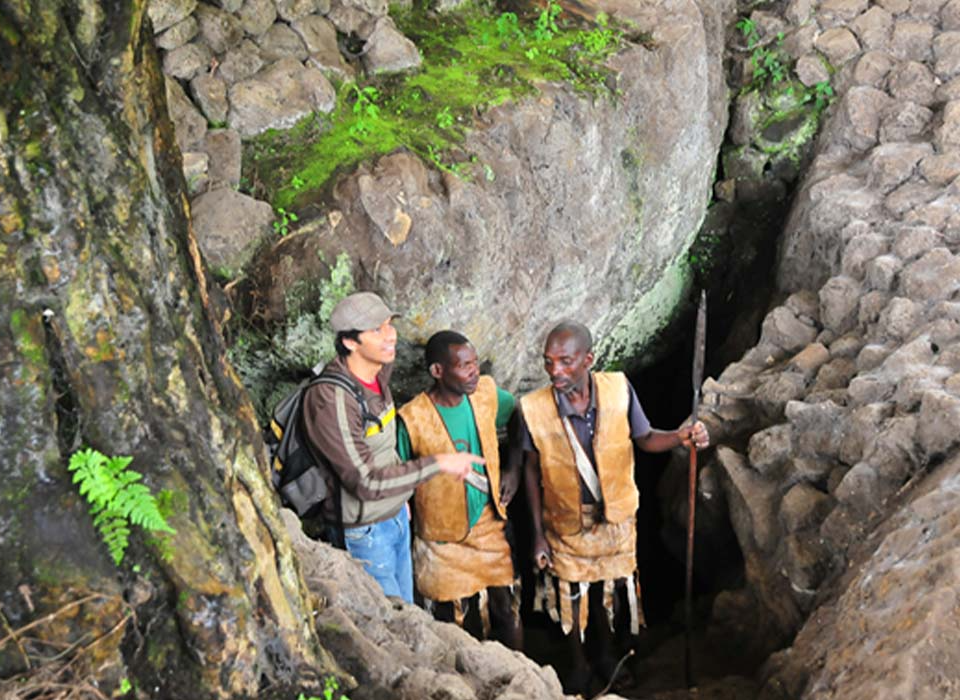
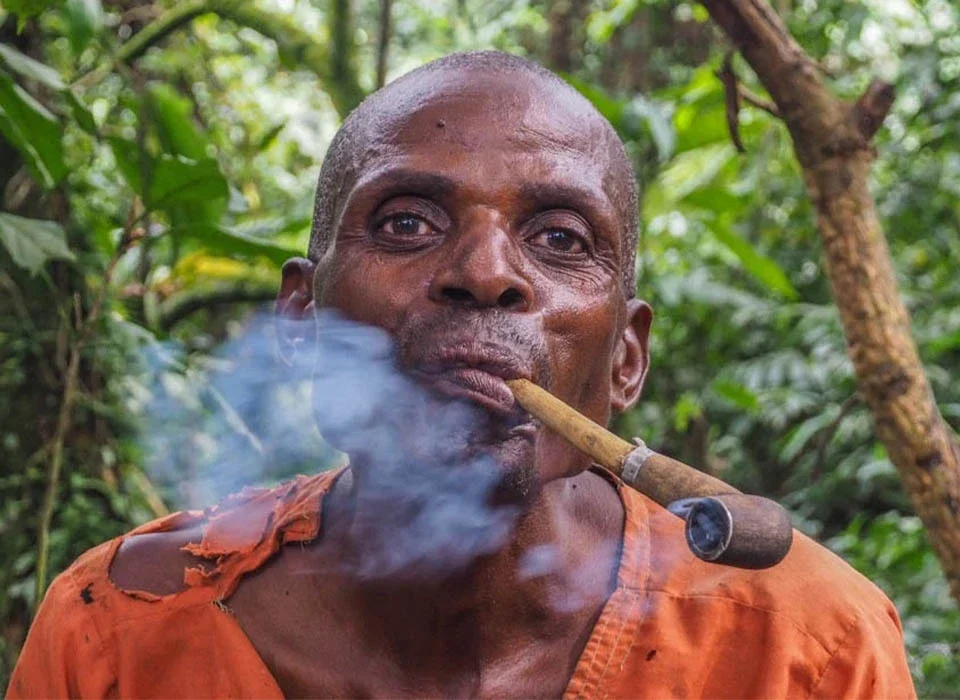
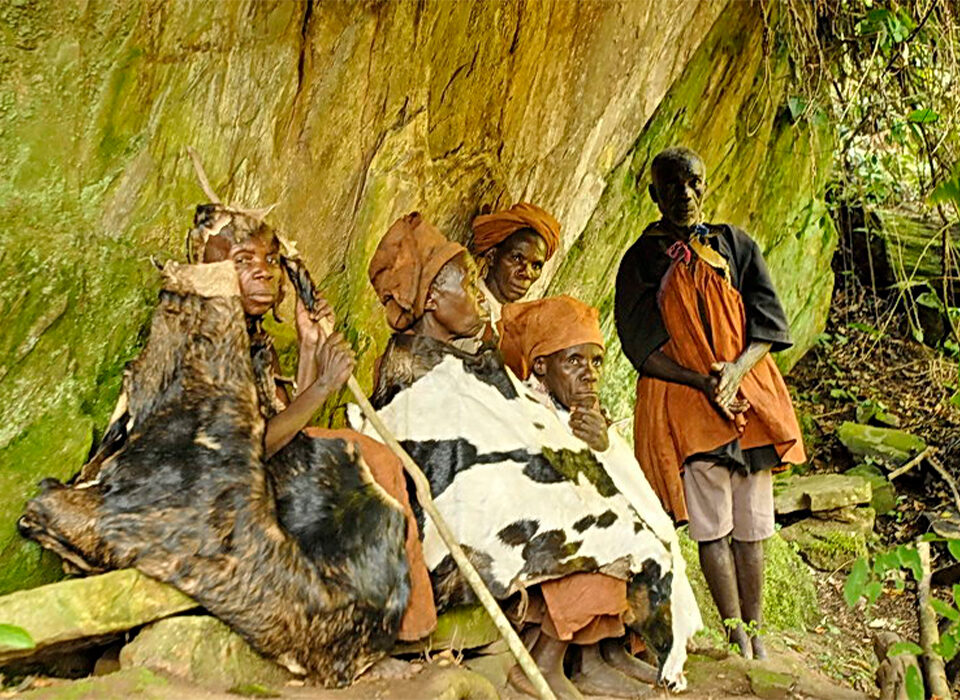
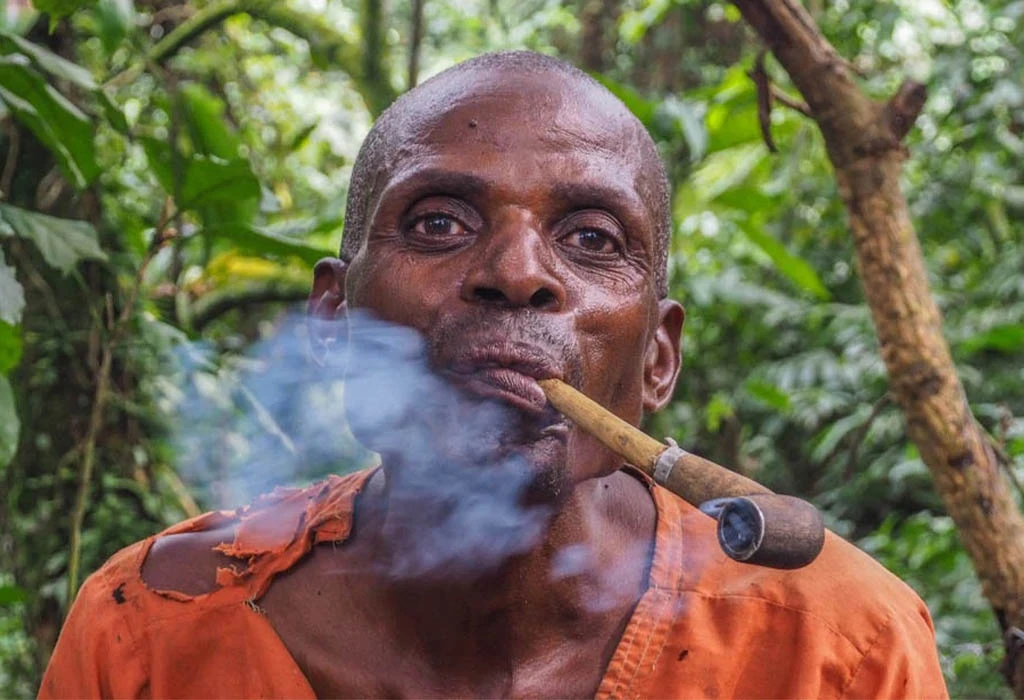
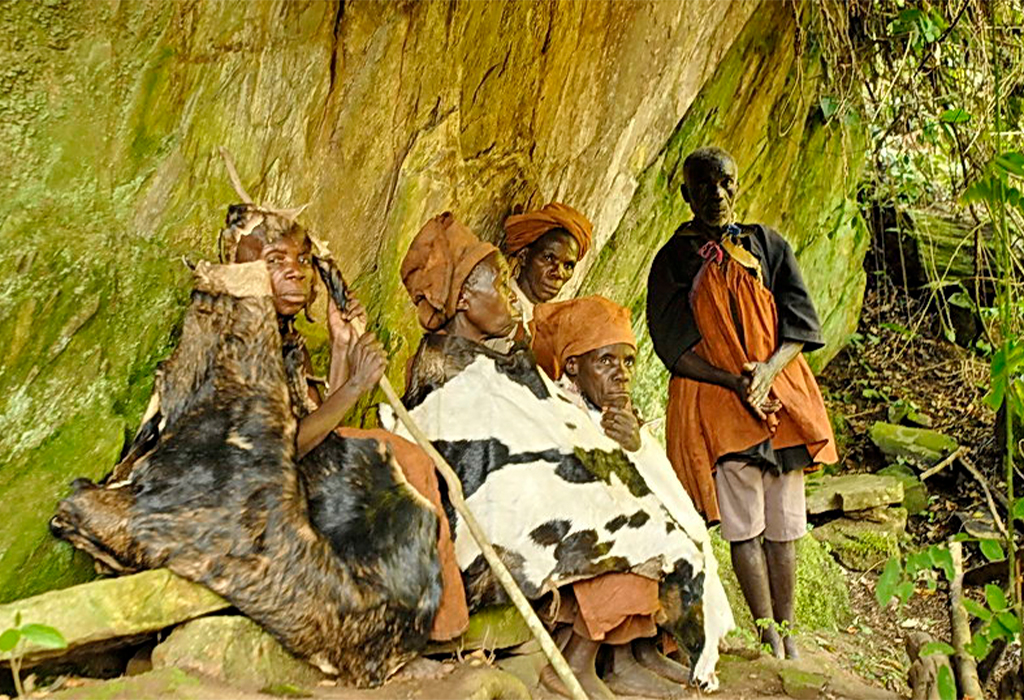
The Batwa have a long history connected to the forests of the Albertine Rift. Before their displacement from Bwindi, they depended heavily on the forest for food, medicine, shelter, and other resources.
A Batwa cultural experience allows visitors to learn about aspects of this heritage through storytelling, demonstrations, music, traditional knowledge, and explanations of forest life. These experiences can provide valuable insight into the historical relationship between indigenous communities and Bwindi.
Most importantly, travelers should approach such visits with respect. The Batwa community has experienced significant social and economic changes, and cultural tourism should promote dignity, community participation, and fair benefits.
Support Community Development Projects
Ruhija and surrounding communities benefit from different development initiatives, including projects related to education, healthcare, clean water, roads, agriculture, and livelihoods. When properly organized, tourism can contribute to these efforts.
Experiya Tour Company encourages travelers to support community projects through responsible and transparent channels. Rather than giving money or materials randomly, visitors should work through recognized community organizations, local leaders, or their tour operator.
This approach helps ensure that contributions reach the intended beneficiaries and that local communities remain actively involved in decisions affecting their development.
What to Know Before Visiting a Community Project
Planning is essential for a successful community experience. Before visiting a project, arrange the activity with a reputable local contact, community organization, or tour operator. Some projects may require advance permission, particularly schools and organized community initiatives.
It is also advisable to purchase any agreed supplies before traveling into remote areas because shopping opportunities around rural communities can be limited. If you plan to provide educational materials, medical supplies, or other assistance, confirm the specific needs beforehand.
Language can sometimes present a challenge because residents may primarily communicate in local languages. Therefore, traveling with a knowledgeable local guide can make communication easier and help you understand local customs.
You should also ask permission before taking photographs of people, homes, schools, or community activities. Respecting privacy is an important part of responsible tourism.
Prepare for Ruhija’s Terrain
Ruhija sits within a mountainous landscape, and some community areas can involve steep slopes and uneven trails. As a result, visitors should maintain a reasonable level of fitness, especially if they intend to combine community walks with gorilla trekking.
Good footwear is particularly important. Sturdy hiking or safari boots provide better grip on muddy and uneven ground, especially during the rainy season. A rain jacket, comfortable clothing, drinking water, and other basic trekking essentials can also make your experience more comfortable.
During wet weather, the trails can become slippery and muddy. Nevertheless, the rainy season transforms the surrounding landscape into a lush green environment and can provide beautiful scenery for travelers who are prepared for the conditions.
Best Time for Gorilla Trekking and Community Visits
Ruhija can be visited throughout the year, although many travelers prefer the relatively drier periods from June to September and December to February. During these months, trekking trails are generally easier to navigate, although weather conditions in the mountains can change at any time.
The wetter months, particularly March to May and parts of October and November, bring more rainfall. However, the forest becomes exceptionally green, and the scenery can be spectacular. Travelers who visit during this period should simply prepare for muddy trails and unpredictable weather.
Importantly, mountain gorillas remain in Bwindi throughout the year. Gorilla trekking therefore remains possible during both dry and wet seasons.
What to Expect on a Ruhija Gorilla Trek
Ruhija is one of the four main gorilla trekking sectors of Bwindi, alongside Buhoma, Rushaga, and Nkuringo. The sector is known for its impressive forest scenery and mountain gorilla experiences involving habituated gorilla families.
Your trekking day begins with a briefing before you enter the forest with trained guides and trackers. The trek may involve steep terrain, dense vegetation, and changing weather conditions. Once you locate your assigned gorilla family, visitors are allowed a limited period with the animals under strict Uganda Wildlife Authority guidelines.
Besides gorillas, Ruhija is also renowned for birdwatching. The area, particularly around the Mubwindi Swamp trail, offers opportunities to look for several forest bird species, including species associated with the Albertine Rift. Therefore, bird enthusiasts can combine gorilla trekking with a rewarding birding experience.
You may also encounter other wildlife, including monkeys and other forest species, although sightings are never guaranteed.
Combining Gorilla Trekking with Other Uganda Safaris
A Ruhija gorilla trek can form part of a broader Uganda safari. After exploring Bwindi, travelers can continue to destinations such as Queen Elizabeth National Park for game drives and a boat cruise along the Kazinga Channel. You can also add chimpanzee trekking in Kibale National Park or explore other destinations depending on the length of your trip.
For honeymooners, a combination of gorilla trekking, wildlife viewing, cultural experiences, and relaxing accommodation creates a memorable Uganda adventure. For birdwatchers, Ruhija can also be combined with other important birding destinations across the country.
Travel Responsibly with Experiya Tour Company
A visit to Ruhija should benefit both the traveler and the local community. Experiya Tour Company can help organize responsible gorilla trekking and community experiences while connecting visitors with appropriate local guides and community initiatives.
When you choose to explore a community project, you do more than add another activity to your itinerary. You create an opportunity to understand rural Uganda, support local livelihoods, appreciate cultural heritage, and recognize the important relationship between communities and conservation.
Ultimately, your gorilla trek in Ruhija can become much more than a wildlife encounter. By meeting local people, learning their stories, exploring their way of life, and supporting responsible community initiatives, you leave Bwindi with not only unforgettable memories of mountain gorillas but also a deeper connection to the people and places that make this destination truly special.