Why Do Gorillas Knuckle Walk?
May 15, 2026
When Is the Best Time to Visit Gorillas in Rwanda?
May 16, 2026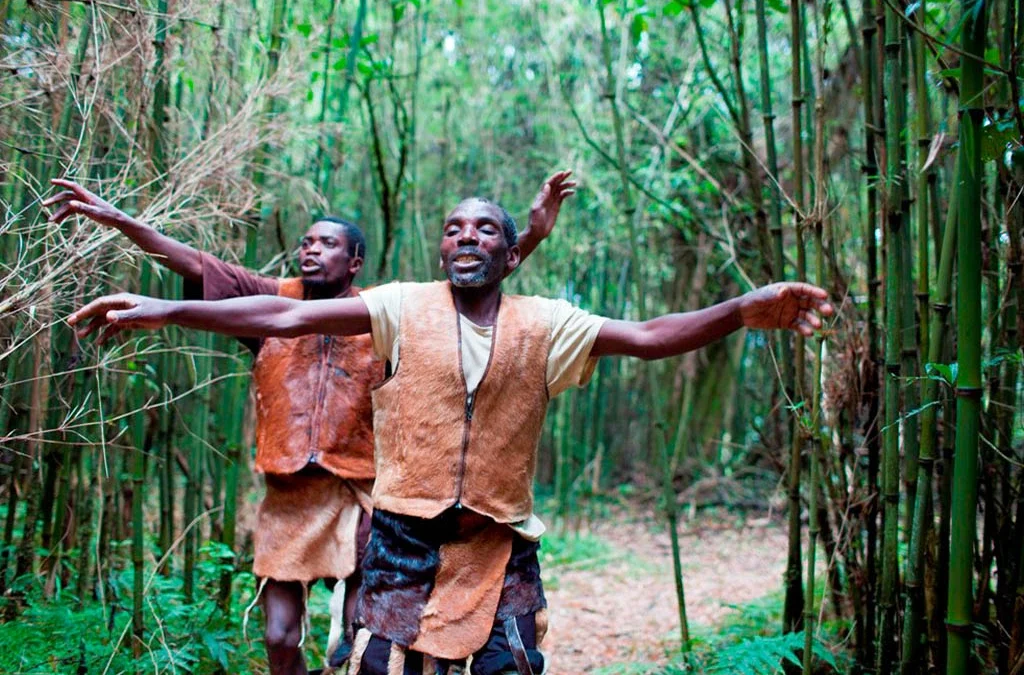
Gorilla trekking in East Africa ranks among the world’s most extraordinary wildlife experiences. Every year, thousands of travelers visit Uganda and Rwanda to encounter endangered mountain gorillas in their natural habitat. This growing tourism industry has strengthened conservation efforts, created employment opportunities, and boosted national economies. However, behind the success of gorilla tourism lies a deeper human story involving the Batwa people, one of the oldest indigenous communities in the Great Lakes region.
For the Batwa, the rise of gorilla trekking has brought both opportunity and hardship. While tourism has opened limited economic pathways, it has also intensified the effects of historical displacement and cultural loss. Understanding this relationship helps travelers appreciate the broader social and cultural realities connected to gorilla conservation.
Who Are the Batwa People?
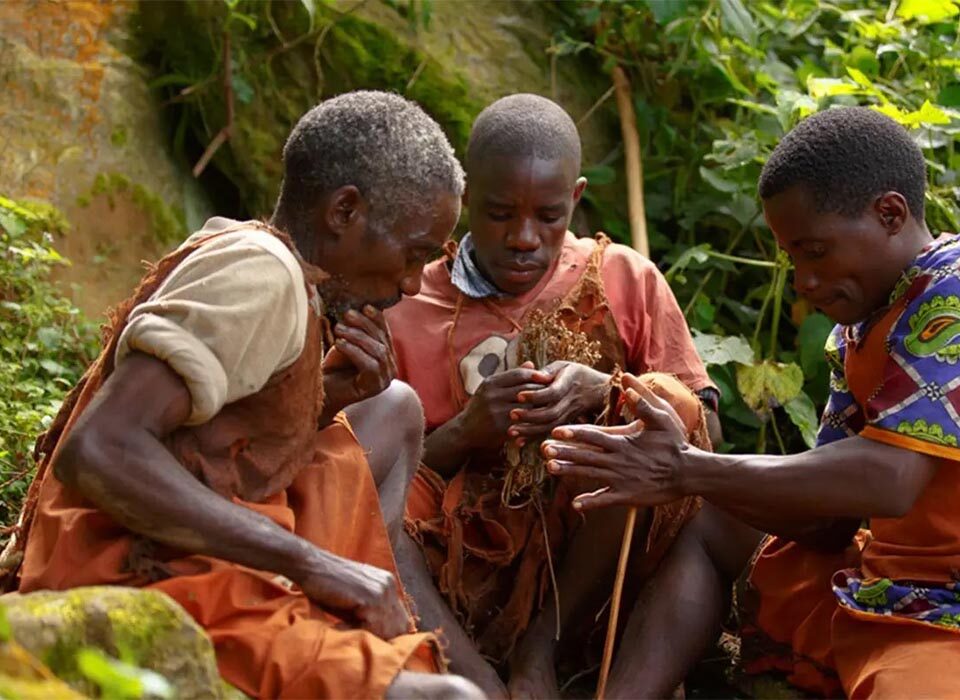
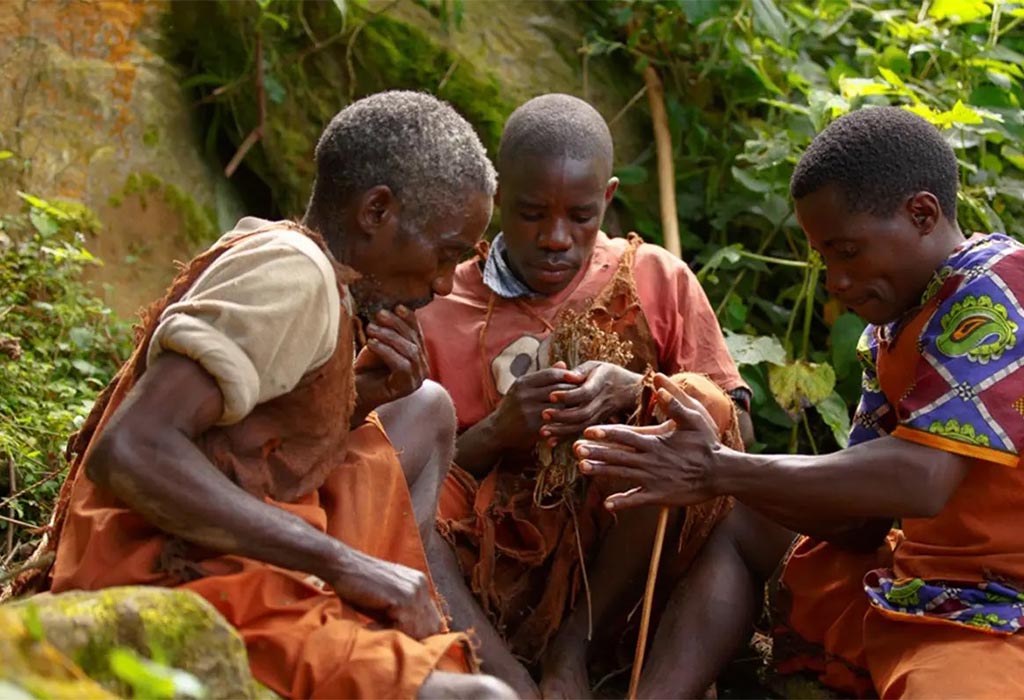
The Batwa people are among the earliest known inhabitants of the forests of Central and East Africa. For centuries, they lived in harmony with the dense rainforests surrounding present-day Uganda, Rwanda, Burundi, and parts of the Democratic Republic of Congo. Their traditional lifestyle depended entirely on the forest ecosystem.
The Batwa survived as hunter-gatherers, relying on wild fruits, medicinal plants, honey, and small game. Beyond providing food and shelter, the forest shaped their spiritual beliefs, cultural identity, and social traditions. Sacred sites hidden deep within the forest played an important role in ceremonies, storytelling, and ancestral worship.
Over time, neighboring agricultural communities expanded into the region. As a result, the Batwa gradually lost influence and became socially marginalized. Many communities exchanged forest products for cultivated food and tools, yet they maintained a strong connection to their ancestral lands. Even with increasing outside pressure, the forest remained central to their identity and way of life.
Historical Marginalization of the Batwa
The marginalization of the Batwa did not begin with modern tourism. Instead, it developed over centuries through political, social, and economic exclusion.
As kingdoms and organized societies expanded across East Africa, the Batwa often became isolated from mainstream political systems. Many communities lost access to land ownership and economic opportunities. In several regions, ruling elites viewed them as inferior and pushed them into dependent roles such as hunting, pottery, and entertainment.
Colonial rule worsened these inequalities. European administrations introduced new land policies that prioritized plantations, conservation reserves, and commercial agriculture. Consequently, many Batwa communities lost access to forest areas they had occupied for generations. Colonial narratives frequently portrayed them as “primitive,” a stereotype that continued long after independence.
Without legal protection or political representation, the Batwa struggled to defend their land rights. This historical exclusion created conditions that still affect many communities today, including poverty, low access to education, and limited healthcare services.
Gorilla Conservation and Forced Evictions
The establishment of national parks for mountain gorilla conservation marked a major turning point in Batwa history. Although conservation efforts successfully protected endangered gorillas, they also displaced indigenous communities from ancestral forests.
During the late twentieth century, governments in Uganda and Rwanda created protected areas such as Bwindi Impenetrable National Park, Mgahinga Gorilla National Park, and Volcanoes National Park. Conservation authorities restricted hunting, farming, and permanent settlement inside these forests to protect wildlife habitats.
Unfortunately, many Batwa families were evicted without compensation or alternative land arrangements. Authorities removed them from the forests they had depended on for centuries. For the Batwa, this displacement represented far more than the loss of shelter or hunting grounds. It severed their spiritual and cultural connection to the land.
After eviction, many Batwa settled near park boundaries where they faced difficult living conditions. Without land ownership, farming skills, or stable employment, numerous families experienced severe poverty. Some communities struggled with malnutrition, poor housing, and social discrimination.
At the same time, gorilla conservation gained international recognition. Mountain gorilla populations slowly recovered due to strict protection measures and regulated tourism. However, the Batwa often remained excluded from the benefits generated by the growing tourism industry.
The Growth of Gorilla Trekking Tourism
Over the years, gorilla trekking transformed into one of East Africa’s most valuable tourism activities. Travelers from around the world now visit Uganda and Rwanda to observe mountain gorillas in their natural environment. This tourism boom has generated millions of dollars in revenue and supported conservation programs across the region.
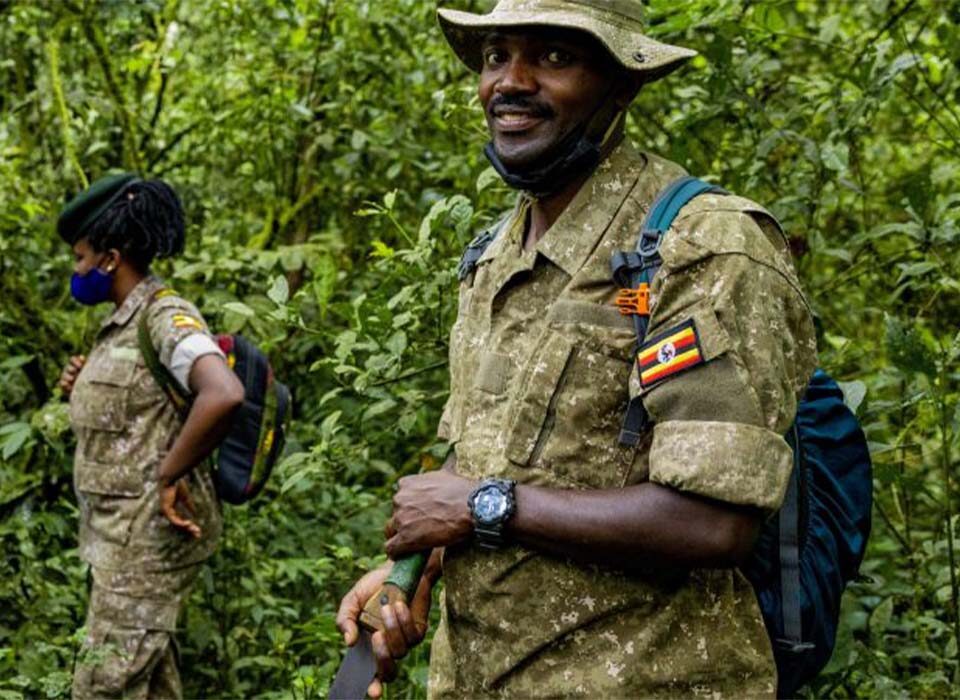
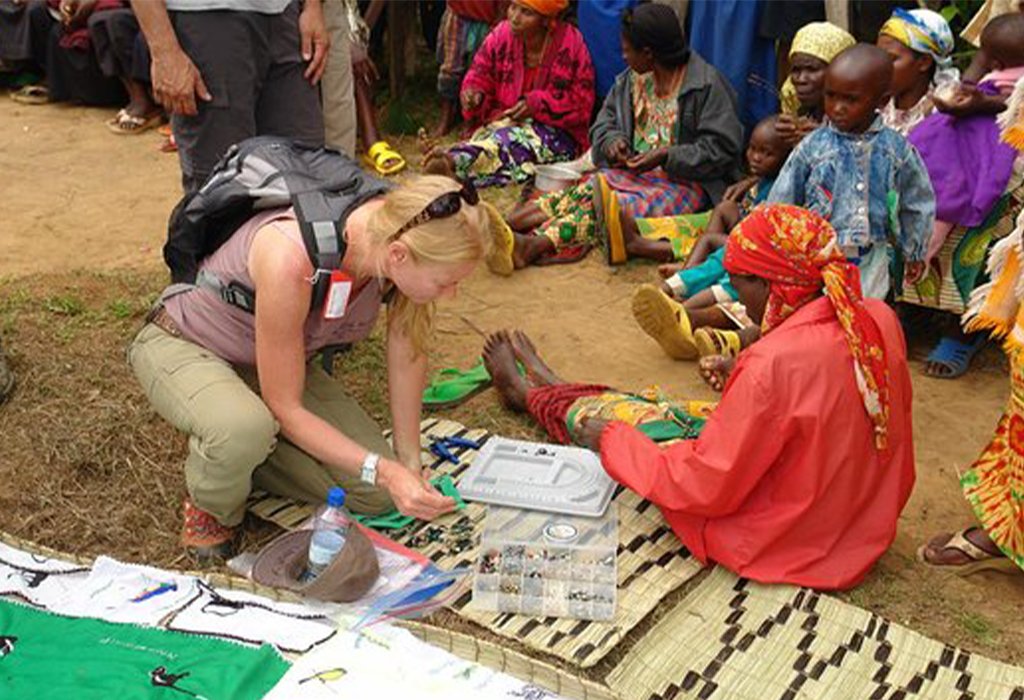
As tourism expanded, some Batwa individuals gained access to new economic opportunities. Several communities began participating in tourism activities as guides, porters, performers, and cultural interpreters. Cultural tourism initiatives also emerged near gorilla trekking destinations, allowing visitors to learn about Batwa traditions, music, dance, and forest survival skills.
In some areas, revenue-sharing programs funded community projects such as schools, clinics, and water systems. Tourism also increased global awareness about the Batwa and their historical struggles.
Experiya Tour Company works with responsible tourism initiatives that encourage visitors to engage respectfully with local communities while supporting conservation and cultural preservation efforts.
Challenges Facing the Batwa in Tourism
Despite these opportunities, tourism has not solved the deeper challenges facing the Batwa people. In many cases, benefits remain limited and unevenly distributed.
Although some Batwa individuals work within the tourism sector, many communities still receive only a small share of gorilla tourism revenue. Decision-making processes often exclude indigenous voices, leaving communities with little control over tourism development in their areas.
Additionally, dependence on tourism creates vulnerability. The COVID-19 pandemic demonstrated how quickly tourism income can disappear during global crises. When travel restrictions halted gorilla trekking, many Batwa families lost their primary source of income almost overnight.
Cultural tourism also presents concerns about authenticity and representation. In some cases, tourism activities reduce the Batwa culture to staged performances designed primarily to entertain visitors. This approach risks reinforcing stereotypes rather than promoting genuine cultural understanding.
Moreover, structural challenges continue to affect many Batwa communities. Landlessness remains one of the most serious issues. Without secure land rights, families struggle to establish stable livelihoods through farming or community development projects. Limited access to education and healthcare further restricts long-term opportunities for younger generations.
Creating More Inclusive Tourism
For gorilla tourism to create meaningful change, conservation and tourism stakeholders must adopt more inclusive approaches that actively involve Batwa communities.
One important step involves recognizing indigenous rights through Free, Prior, and Informed Consent (FPIC). This approach ensures that communities participate in decisions affecting their land, culture, and livelihoods. Rather than treating the Batwa as passive beneficiaries, tourism initiatives should empower them as equal partners.
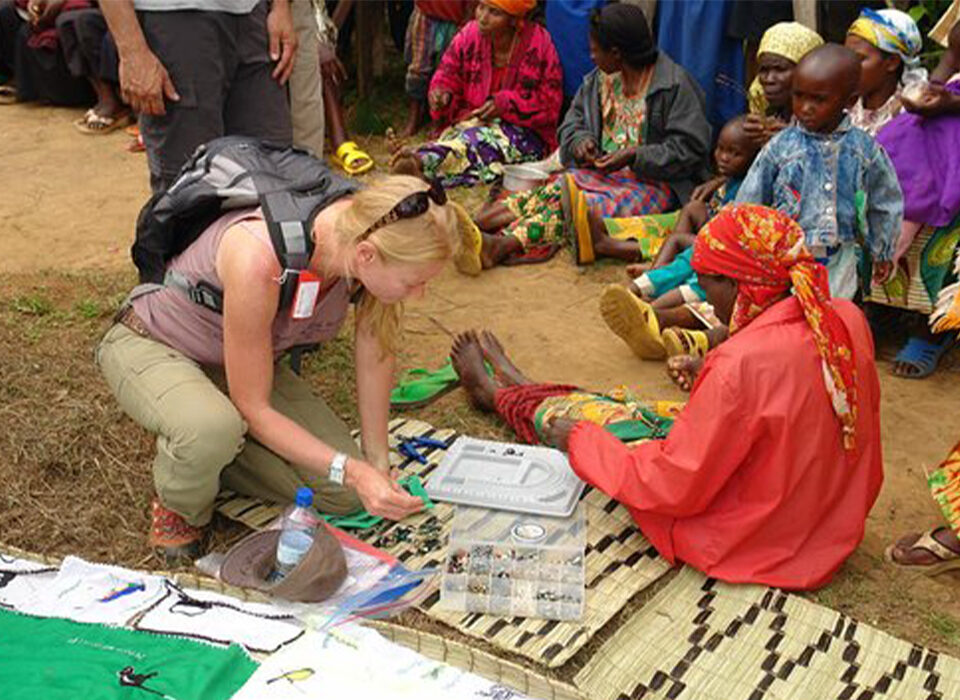
Community-led tourism projects offer another promising solution. Batwa-managed cultural trails, craft centers, storytelling experiences, and eco-tourism businesses can create more sustainable income while preserving cultural identity. When communities manage their own tourism enterprises, they gain greater control over how their culture is represented.
Long-term investment in education also plays a critical role. Access to schools, vocational training, and scholarship programs can help younger Batwa generations participate more fully in the tourism economy and other sectors. Healthcare services, housing support, and legal protection for land rights remain equally important.
Responsible tourism operators, including Experiya Tour Company, can contribute by promoting ethical travel experiences that respect indigenous communities and encourage fair economic participation.
Conservation and Community: A Complex Relationship
The relationship between gorilla conservation and the Batwa community remains deeply complex. On one hand, conservation programs have protected one of the world’s most endangered primates and preserved critical rainforest ecosystems. Gorilla trekking also supports local economies and creates international awareness about wildlife protection.
On the other hand, these conservation successes came at a high human cost for indigenous communities displaced from ancestral lands. Many Batwa families continue to live with the long-term consequences of eviction, poverty, and cultural disruption.
This reality does not mean conservation efforts should end. Instead, it highlights the importance of balancing environmental protection with human rights and social justice. Conservation becomes more sustainable when local communities actively benefit from and participate in protecting natural resources.
Why Travelers Should Care
Modern travelers have an important role in shaping the future of sustainable tourism in East Africa. Every travel decision influences conservation efforts and community livelihoods.
When visitors choose responsible operators, support community-based tourism initiatives, and engage respectfully with local cultures, they help create a more inclusive tourism model. Learning about the Batwa experience also encourages a deeper understanding of the social realities connected to wildlife conservation.
Gorilla trekking is more than a wildlife adventure. It is also an opportunity to reflect on the relationship between conservation, culture, and indigenous rights.
Conclusion
Gorilla trekking in East Africa has transformed mountain gorilla conservation and strengthened regional tourism economies. Nevertheless, the impact on the Batwa people remains both positive and painful. Tourism has introduced employment opportunities and increased cultural visibility, yet it has not fully addressed the historical injustices caused by displacement and marginalization.
A more inclusive future depends on fair revenue sharing, stronger land rights, improved education, and genuine community participation in tourism development. By supporting ethical and community-focused tourism, travelers can contribute to both wildlife conservation and the dignity of indigenous communities.
When you visit destinations such as Bwindi Impenetrable National Park or Volcanoes National Park with Experiya Tour Company, your journey becomes more than a gorilla trekking experience. It also becomes part of a broader effort to support conservation, cultural preservation, and sustainable community development across East Africa.