Does Gorilla Trekking Take Place Every Day in Bwindi Impenetrable National Park?
May 15, 2026
Impact of Gorilla Trekking on the Batwa People
May 15, 2026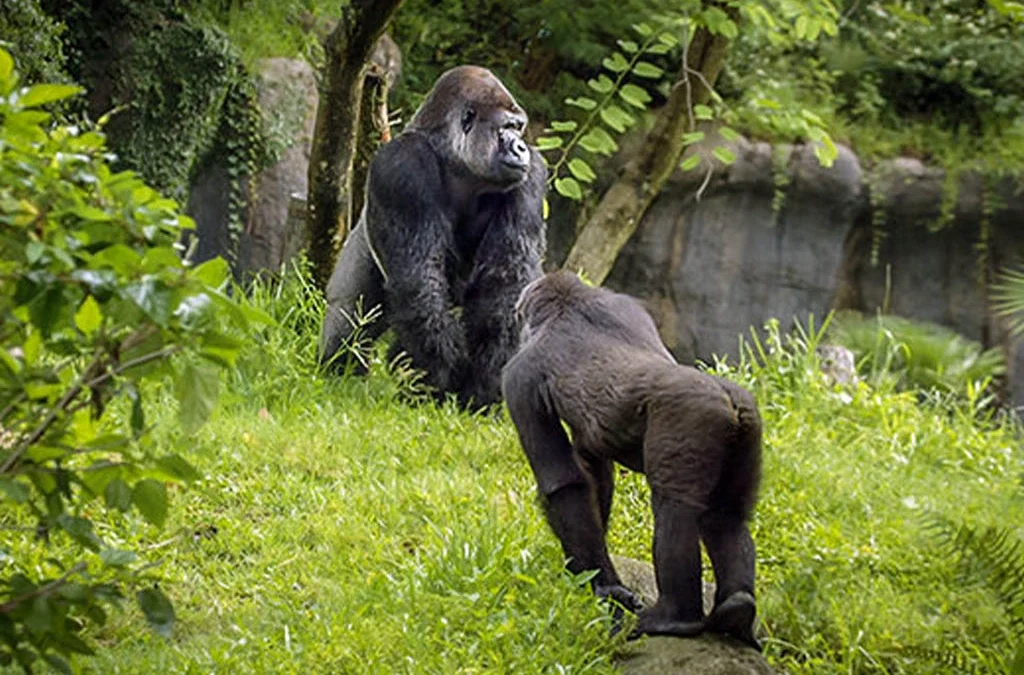
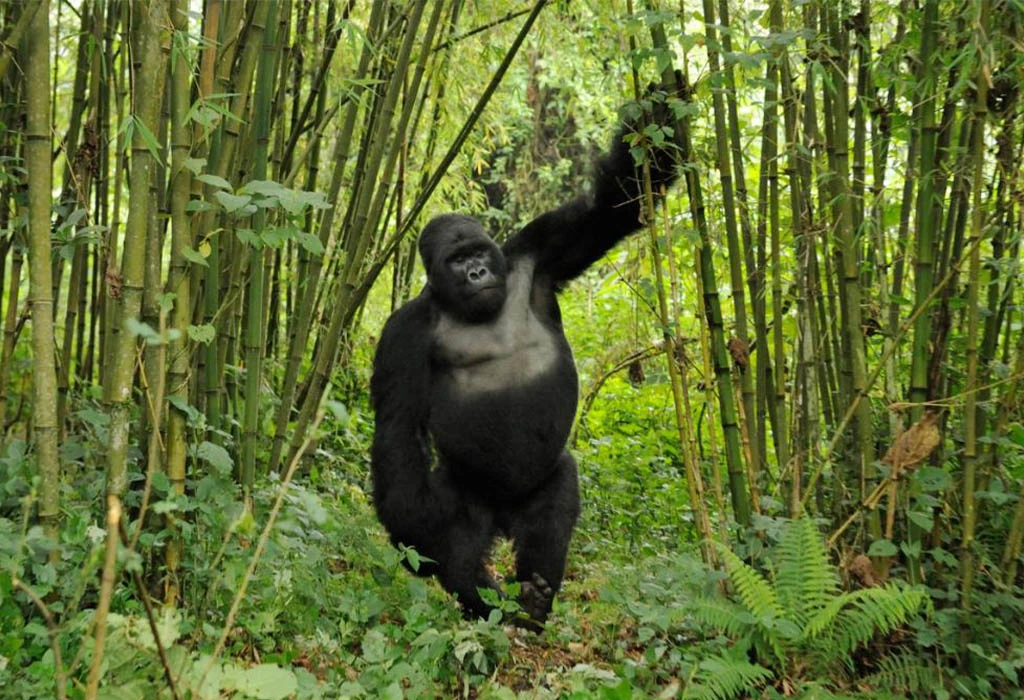
One of the most fascinating sights during a gorilla trekking safari is watching a massive silverback move calmly through the forest on all fours. This unique style of movement, known as gorilla knuckle walking, has captured the attention of scientists, conservationists, and travelers for generations. Whether you encounter mountain gorillas in Uganda or observe them in wildlife documentaries, knuckle walking remains one of the most recognizable behaviors in the primate world.
Gorillas are the largest living primates on Earth. Adult silverbacks can weigh more than 180 kilograms, yet they move through thick forests with remarkable balance and agility. Instead of walking upright like humans, gorillas support their upper body weight on the knuckles of their hands while moving on all fours. This specialized movement helps them travel efficiently across steep slopes, muddy trails, tangled vegetation, and dense rainforest floors.
Understanding why gorillas knuckle walk reveals much more than simple movement. It offers insight into gorilla anatomy, evolution, survival, and adaptation to life in Africa’s rugged mountain forests. For travelers on gorilla safaris, observing this behavior up close often becomes one of the most unforgettable moments of the entire experience.
What Is Gorilla Knuckle Walking?
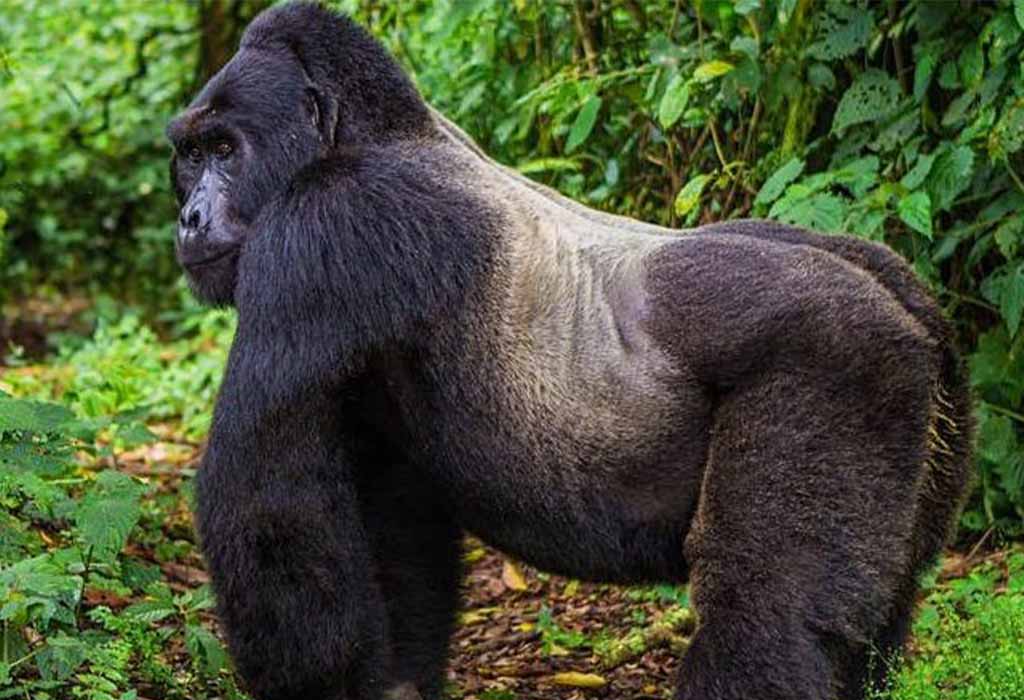
Gorilla knuckle walking refers to a form of quadrupedal movement where gorillas walk using both their feet and the knuckles of their hands. Instead of placing their palms flat on the ground, gorillas curl their fingers inward and support themselves on the outer joints of their fingers.
This movement allows gorillas to distribute their body weight evenly while protecting the delicate bones and tissues inside their hands. Since gorillas possess enormous upper-body strength, walking on the knuckles provides the support and stability they need to move comfortably through challenging terrain.
Although gorillas appear heavy and powerful, they move with surprising smoothness and control. Their movement through the forest often looks effortless, especially when they navigate steep hillsides or dense vegetation.
Unlike humans, whose bodies evolved mainly for upright walking, gorillas evolved for a lifestyle that combines climbing, foraging, and quadrupedal movement. As a result, knuckle walking became the most efficient way for them to travel.
Why Do Gorillas Walk on Their Knuckles?
The main reason gorillas knuckle walk lies in their physical structure and evolutionary adaptation. Gorillas have broad chests, long muscular arms, and extremely strong shoulders. Because their upper bodies are so large and powerful, walking upright for long periods would require too much energy.
Knuckle walking allows gorillas to move naturally while supporting their weight more effectively. It also helps them maintain balance on uneven ground and travel efficiently through thick forests.
Mountain gorillas live in environments filled with steep volcanic slopes, muddy trails, fallen branches, and dense vegetation. In these conditions, stable movement becomes essential for survival. Knuckle walking gives gorillas the flexibility to climb, feed, rest, and move quickly whenever necessary.
Additionally, this movement protects their fingers, which they rely on for climbing, grasping vegetation, and interacting socially within their groups.
The Anatomy Behind Gorilla Knuckle Walking
The gorilla’s body perfectly supports knuckle walking. Every part of its anatomy reflects adaptation to life in rugged forest habitats.
Gorillas possess arms that are significantly longer than their legs. In fact, an adult gorilla’s arm span can exceed two meters. These long arms help distribute body weight evenly during movement and provide excellent reach while climbing or feeding.
Their shoulders also differ greatly from human shoulders. Gorilla shoulder joints allow a wider range of motion and provide the strength needed to support heavy body weight on the forelimbs.
The wrists contain strong ligaments and reinforced bone structures that stabilize the hands during movement. Thick skin around the knuckles protects against friction and repeated ground contact.
Furthermore, gorillas curl their fingers inward while walking. This posture protects the long fingers needed for gripping branches and handling food. Their curved fingers remain highly functional even though they regularly support the animal’s weight.
Even the gorilla spine differs from the human spine. Gorillas have a shorter lower back designed to support quadrupedal posture instead of upright walking.
How Gorilla Walking Differs From Human Walking
Although humans and gorillas share a common evolutionary ancestry, their movement styles differ dramatically.
Humans evolved primarily for bipedal locomotion, meaning walking upright on two legs. Gorillas, however, evolved for quadrupedal movement using all four limbs.
During gorilla knuckle walking, body weight spreads across both the forelimbs and hind limbs. Humans place most of their weight on the legs and feet while walking upright.
Human hands evolved mainly for precision and tool use. Gorilla hands, on the other hand, balance both strength and flexibility. They must support massive body weight while still allowing gorillas to climb and manipulate vegetation.
Interestingly, gorillas can stand upright for short periods. Silverbacks sometimes walk briefly on two legs during displays or while carrying food. However, upright walking requires far more energy for gorillas than knuckle walking.
Do All Gorillas Knuckle Walk?
All gorilla species use knuckle walking as their primary form of movement on the ground. This includes mountain gorillas, eastern lowland gorillas, western lowland gorillas, and Cross River gorillas.
However, slight differences exist depending on habitat and lifestyle. Mountain gorillas living on steep volcanic slopes often move differently from lowland gorillas inhabiting flatter rainforests.
Young gorillas learn knuckle walking gradually as they grow. Infant gorillas depend heavily on their mothers during the early months of life. As juveniles become stronger, they begin practicing movement while playing and exploring their surroundings.
Watching young gorillas develop coordination during trekking experiences often delights visitors. Their playful movements and curiosity add excitement to gorilla encounters.
Gorilla Knuckle Walking and Evolution
Scientists continue studying gorilla knuckle walking to better understand primate evolution and the origins of human locomotion.
One major scientific question asks whether knuckle walking evolved once in a shared ancestor of gorillas and chimpanzees or whether each species developed it independently.
Research suggests that knuckle walking became an efficient adaptation for large primates living in forested environments. The ability to combine climbing with stable ground movement gave these animals a major survival advantage.
Some scientists also believe early human ancestors may have retained traits linked to knuckle-walking ancestors before evolving full bipedalism. Therefore, studying gorillas helps researchers understand the evolutionary path that eventually led humans toward upright walking.
How Fast Can Gorillas Move?
Despite their enormous size, gorillas can move surprisingly fast. During short bursts, adult gorillas may reach speeds of more than 20 miles per hour.
Most of the time, gorillas move calmly while feeding or traveling between resting areas. Their movement appears smooth, controlled, and deliberate rather than clumsy.
Silverbacks sometimes perform dramatic charges during territorial displays. These displays combine powerful knuckle walking, chest beating, and loud vocalizations to intimidate threats. Although these charges rarely end in violence, they demonstrate the incredible strength and confidence of the dominant male.
During gorilla trekking safaris, visitors occasionally witness gorilla families moving quickly through dense vegetation. These moments reveal just how efficient knuckle walking truly is in natural forest environments.
Gorilla Strength and Movement
Gorillas rank among the strongest animals on Earth. Their muscular shoulders, chest, arms, and back directly support the demands of knuckle walking.
A silverback’s strength allows it to climb, pull vegetation, defend family members, and travel across challenging terrain with ease. Knuckle walking distributes weight evenly throughout the body, reducing pressure on individual joints.
This movement style also helps gorillas maintain a powerful posture while navigating forests filled with obstacles and steep terrain.
Without these physical adaptations, survival in such demanding environments would become far more difficult.
Seeing Gorilla Knuckle Walking During Trekking
One of the most emotional moments during gorilla trekking occurs when visitors watch a gorilla family moving naturally through the forest.
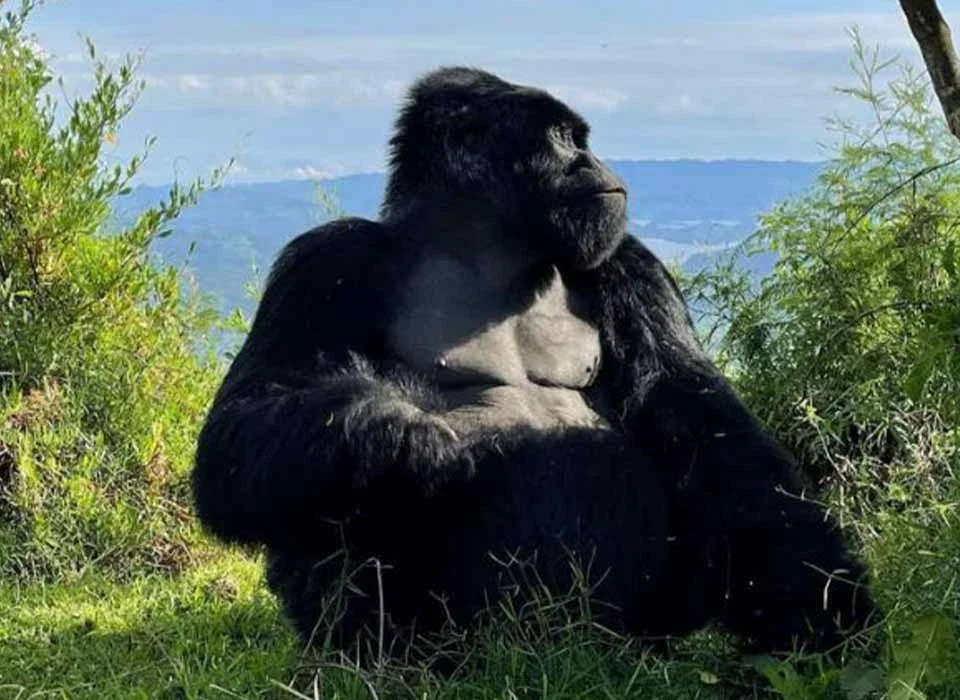
Large silverbacks often lead calmly while juveniles bounce playfully around the group. Mothers carrying infants continue moving steadily despite the extra weight. Every movement highlights the intelligence, strength, and adaptation of these incredible primates.
Observing gorilla knuckle walking firsthand gives travelers a deeper appreciation for gorilla behavior and anatomy. Many visitors leave the forest with a renewed respect for wildlife conservation and the fragile ecosystems gorillas depend on.
Experienced trekking guides often explain gorilla movement patterns during encounters, helping visitors better understand family dynamics and social behavior.
Best Places to Observe Gorilla Knuckle Walking
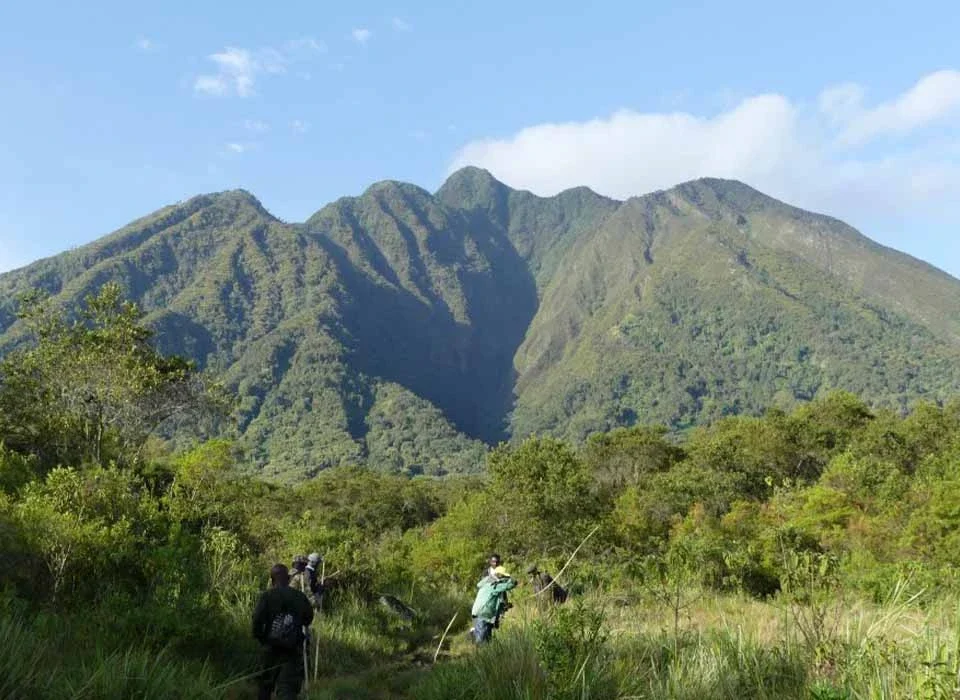
Uganda remains one of the best destinations in the world for observing gorilla knuckle walking in the wild. Bwindi Impenetrable National Park and Mgahinga Gorilla National Park offer unforgettable trekking experiences through ancient rainforests.
Rwanda’s Volcanoes National Park also provides excellent opportunities to observe gorillas moving across bamboo forests and volcanic slopes. Meanwhile, Virunga National Park in the Democratic Republic of Congo delivers adventurous gorilla encounters in dramatic volcanic landscapes.
Each destination offers unique scenery, trekking conditions, and gorilla experiences.
Gorilla Conservation and Research
Researchers closely study gorilla movement to monitor health, behavior, and habitat use. Changes in movement patterns can sometimes indicate injury, illness, aging, or environmental stress.
Conservationists also use movement research to better understand habitat accessibility and group behavior. Protecting forest ecosystems remains critical because gorillas evolved specifically for life in dense vegetation and mountainous terrain.
Habitat destruction threatens natural travel routes and increases physical stress on gorilla populations. Therefore, responsible tourism and conservation funding play a vital role in protecting these endangered primates.
Experience Gorilla Trekking With Experiya Tour Company
Experiya Tour Company specializes in unforgettable gorilla trekking adventures across Uganda, Rwanda, and Congo. Our expertly guided safaris allow travelers to experience close encounters with mountain gorillas while learning about gorilla behavior, conservation, and natural adaptation.
Watching gorillas move gracefully through the forest using knuckle walking creates a powerful connection between humans and the natural world. Every encounter becomes more than a safari experience; it becomes a lasting memory of one of Earth’s most extraordinary species.