
Impact of Gorilla Trekking on the Batwa People
May 15, 2026
Is Gorilla Trekking Difficult for Beginners?
May 16, 2026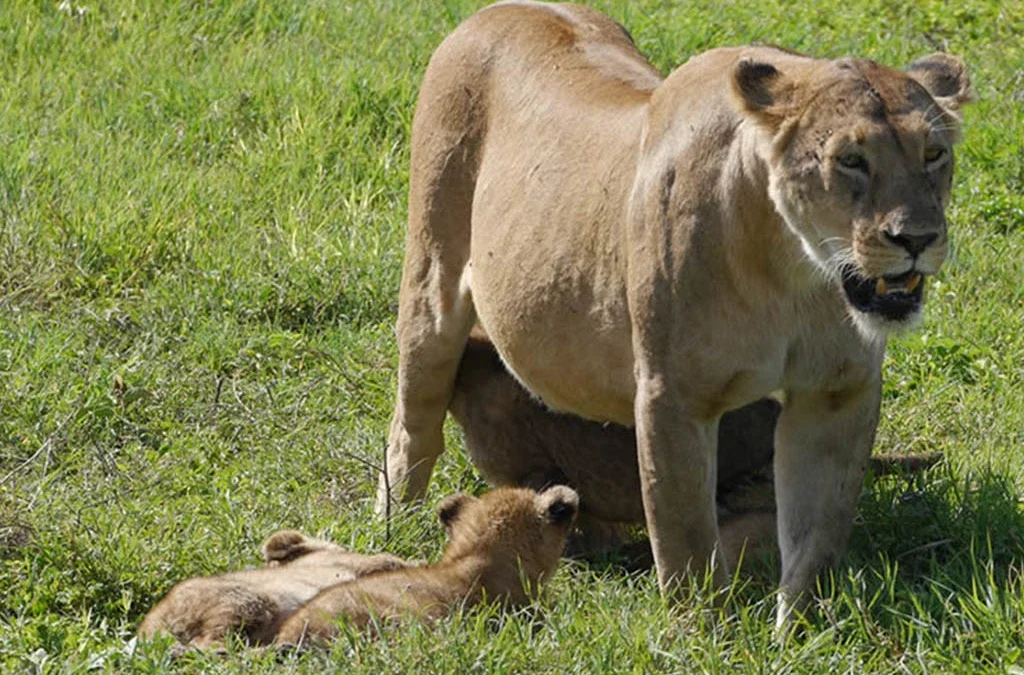
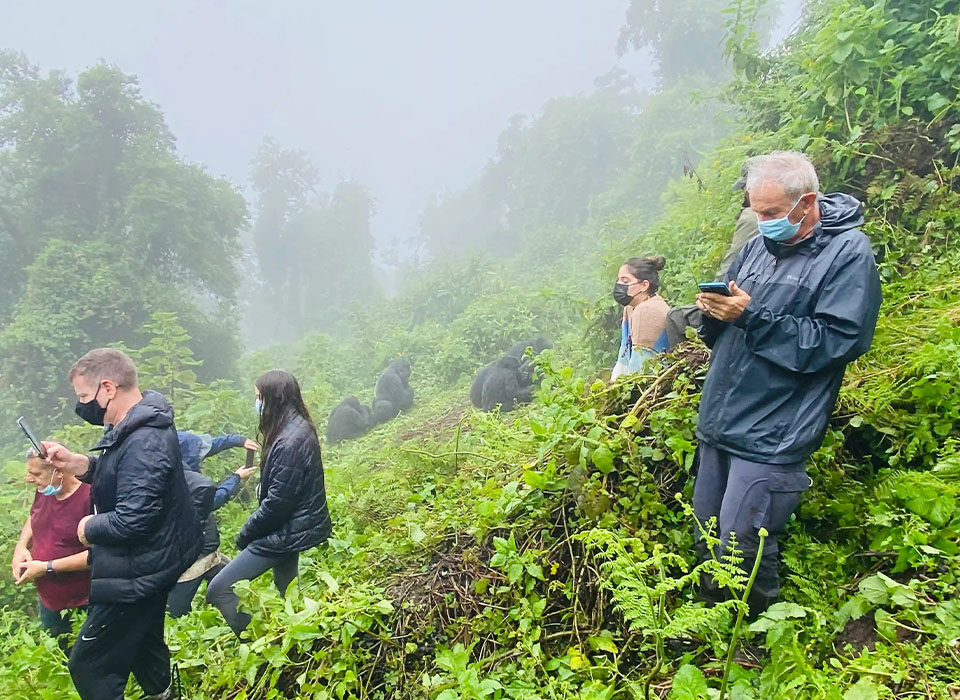
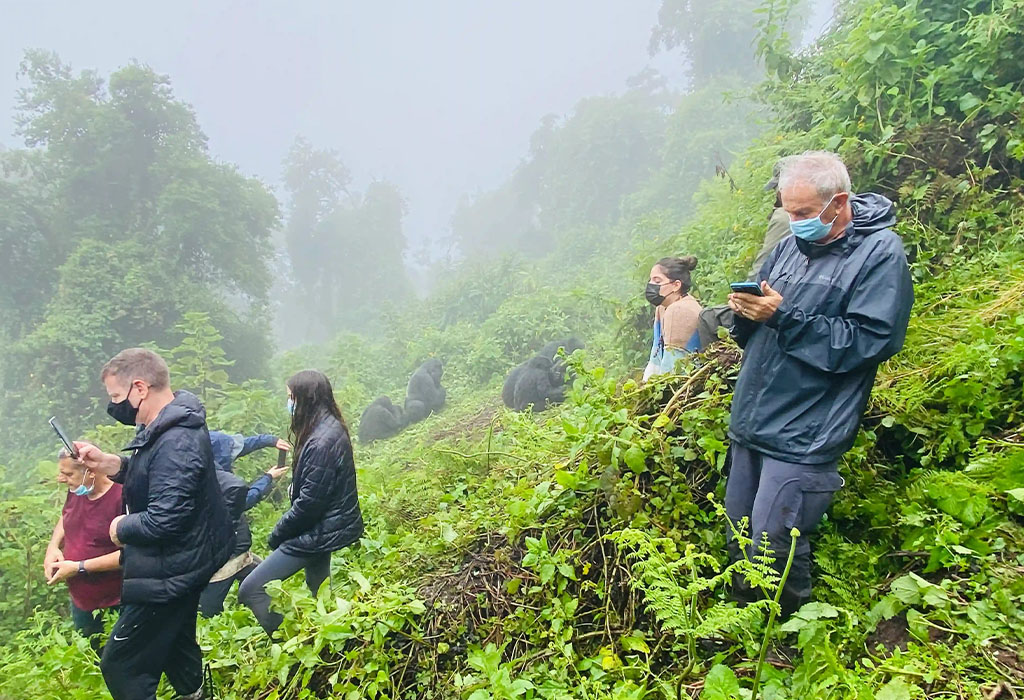
Rwanda offers one of the most unforgettable wildlife experiences in Africa. Trekking through the misty forests of Volcanoes National Park to see mountain gorillas in their natural habitat feels both powerful and deeply personal. Although gorilla trekking takes place throughout the year, some months provide easier hiking conditions, clearer views, and a more comfortable overall experience.
Understanding Rwanda’s seasons helps travelers choose the right time for their adventure. Weather, trail conditions, accommodation prices, and crowd levels all influence the experience. Fortunately, the gorillas remain in the forest year-round, meaning sightings are almost guaranteed regardless of the season.
Best Time to Visit Gorillas in Rwanda
The dry season from June to September is widely considered the best time to visit gorillas in Rwanda. During these months, the forest trails remain drier, firmer, and less slippery, making hiking much easier. Since rainfall has reduced significantly, trekkers enjoy safer walking conditions and clearer visibility inside the dense rainforest.
In addition, photographers prefer this period because brighter skies create better lighting conditions for wildlife photography. Vegetation also becomes slightly thinner, allowing visitors to spot the gorillas more quickly once trackers locate the family.
However, this is also Rwanda’s busiest tourism season. Gorilla permits sell out quickly, especially in July and August. Travelers planning to visit during this period should reserve permits at least six months in advance. Despite the higher demand, the dry season delivers the smoothest trekking experience for most visitors.
December to February Offers a Great Balance
The months between December and February form Rwanda’s second dry season and provide another excellent time for gorilla trekking. Although occasional afternoon showers occur, the trails remain manageable and far less muddy than during the heavy rains.
Travelers visiting during this period often enjoy a quieter experience with fewer tourists in the park. Lodges may also offer slightly lower rates compared to the peak months from June to September. As a result, many visitors see this season as the perfect balance between good weather and moderate travel costs.
Importantly, gorilla behavior does not change with the season. The gorillas continue feeding, resting, and interacting naturally throughout the year. The main difference lies in the hiking conditions rather than the wildlife viewing itself.
Wet Season Challenges from March to May
The long rainy season from March to May creates the most difficult trekking conditions in Rwanda. Heavy rains frequently turn the mountain trails into deep mud, making hikes longer and more physically demanding. Slippery slopes and thick vegetation can slow movement and reduce visibility in the forest.
Although some lodges lower their accommodation rates during these months, the trekking experience becomes more challenging. Travelers may also encounter leeches and wet conditions throughout the hike. Therefore, visitors choosing this season should prepare with waterproof clothing, hiking gaiters, and strong fitness levels.
Even so, budget-conscious travelers sometimes prefer this period because flights and hotels become more affordable. For experienced hikers who do not mind rain and mud, the wet season still offers successful gorilla encounters.
Altitude Matters Throughout the Year
Many travelers focus on rainfall, but altitude often affects trekking more than weather conditions. Volcanoes National Park sits at elevations between 2,400 and 3,000 meters above sea level. Consequently, even fit travelers may feel the effects of thinner air during steep climbs.
Preparing physically before the trip makes a significant difference. Walking regularly, hiking uphill, and improving endurance can help visitors enjoy the trek more comfortably. Regardless of the season, carrying enough drinking water and pacing yourself during the hike remain essential.
The dry season reduces muddy trails, but it does not reduce the physical demands of high-altitude trekking. Proper preparation remains important at any time of year.
Gorilla Permits Remain the Same Price Year-Round
Rwanda charges a standard gorilla trekking permit fee of $1,500 per person throughout the year. Unlike some destinations, permit prices do not change between the dry and wet seasons.
However, travelers can still save money during low seasons through discounted accommodation and cheaper international flights. Many visitors discover that traveling between December and February offers the best overall value because weather conditions remain favorable while crowds decrease slightly.
When planning a gorilla safari, travelers should compare the total trip cost rather than focusing only on permit prices. Flights, transportation, and lodge rates often vary significantly depending on the season.
Gorilla Sightings Are Excellent All Year
One of the greatest advantages of visiting Rwanda is the consistently high success rate for gorilla sightings. The habituated gorilla families remain within Volcanoes National Park year-round, and experienced trackers locate them every morning before trekking groups enter the forest.
As a result, visitors enjoy a success rate of nearly 99 percent regardless of the month. Rain or sunshine rarely affects the ability to find the gorillas. Instead, seasonal differences mainly influence hiking comfort and trail difficulty.
Every trekking group receives one hour with the gorillas after locating them. During this special moment, visitors watch the gorillas feed, groom, play, and interact naturally within the forest environment.
Top Places to Visit Beyond Gorilla Trekking
While Volcanoes National Park remains Rwanda’s main gorilla destination, travelers can enrich their safari by exploring other remarkable attractions across the country.
Near the park, the Ellen DeGeneres Campus of the Dian Fossey Gorilla Fund offers insight into gorilla conservation, research, and veterinary work. Visitors interested in Rwanda’s conservation success stories often find this experience highly educational and inspiring.
The Gorilla Guardians Village, formerly known as Iby’Iwacu Cultural Village, introduces travelers to traditional Rwandan culture through dance performances, storytelling, local crafts, and community experiences led by former poachers who now support conservation.
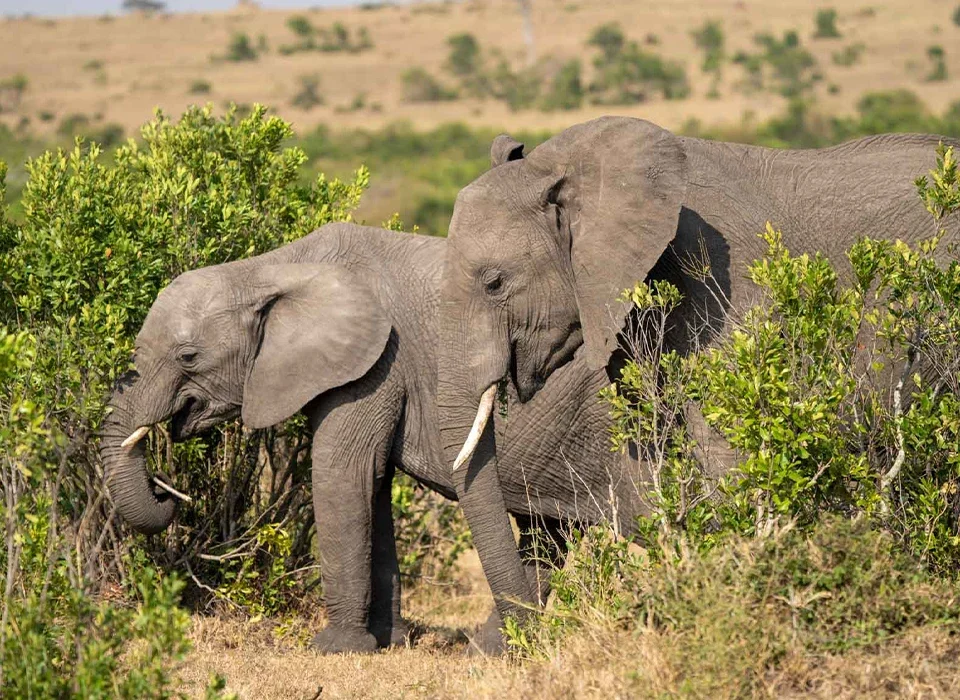
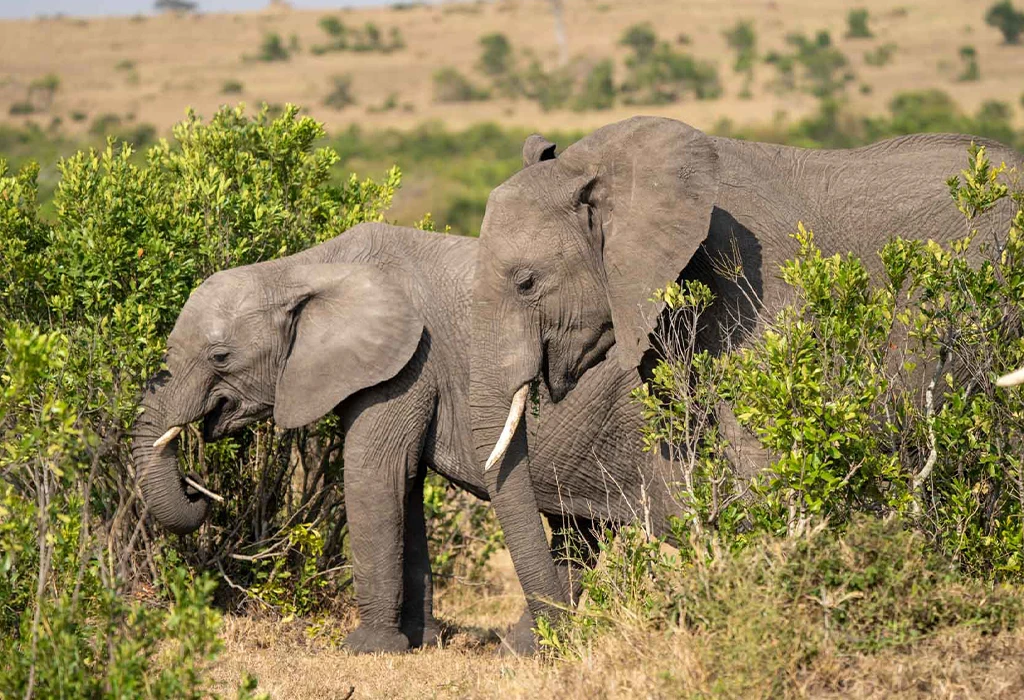
For classic wildlife safaris, Akagera National Park in eastern Rwanda provides opportunities to see lions, elephants, rhinos, giraffes, zebras, and hippos across beautiful savannah landscapes. Meanwhile, Nyungwe Forest National Park offers chimpanzee tracking and thrilling canopy walks above ancient rainforest.
After trekking, many visitors relax along the peaceful shores of Lake Kivu, where they enjoy boat rides, kayaking, swimming, and scenic sunsets.
How to Reach Volcanoes National Park
Most international travelers arrive through Kigali International Airport, Rwanda’s main gateway. From Kigali, the drive to Volcanoes National Park in Kinigi takes approximately two and a half hours on good paved roads.
Private transfers arranged through tour operators remain the most convenient option. Budget travelers can also use public buses from Kigali to Musanze before hiring a taxi to the park area.
For luxury travelers with limited time, helicopter transfers from Kigali to nearby lodges offer a faster and more scenic alternative.
Important Tips for Gorilla Trekking in Rwanda
Travelers should book permits well in advance, especially for peak travel months. Arriving at the park headquarters by 7:00 AM on trekking day ensures smooth registration and group allocation.
Hiring a porter during the trek greatly improves comfort, particularly on steep or muddy trails. Porters assist with carrying bags and helping visitors navigate difficult sections of the forest.
Proper gear also matters. Waterproof hiking boots, rain jackets, gloves, and comfortable clothing help travelers stay prepared for changing mountain weather. Since forest lighting can be dim, photographers should carry cameras suited for low-light conditions.
Most importantly, visitors should respect gorilla trekking rules by maintaining a safe distance, avoiding flash photography, and following ranger instructions throughout the encounter.
Booking Gorilla Safaris with Experiya Tour Company
Experiya Tour Company simplifies the entire gorilla trekking process by handling permits, transportation, accommodation, and guided safari arrangements. Travelers can choose short gorilla trekking packages or combine Rwanda’s gorillas with cultural tours, chimpanzee tracking, or relaxation at Lake Kivu.
The company arranges experienced guides, comfortable 4×4 transport, and carefully selected lodges near Volcanoes National Park. Since permits remain limited throughout the year, early booking remains highly recommended, especially during the dry seasons.
A gorilla safari in Rwanda offers far more than wildlife viewing. It creates a rare connection with nature, conservation, and one of the world’s most extraordinary animals in one of Africa’s most beautiful landscapes.