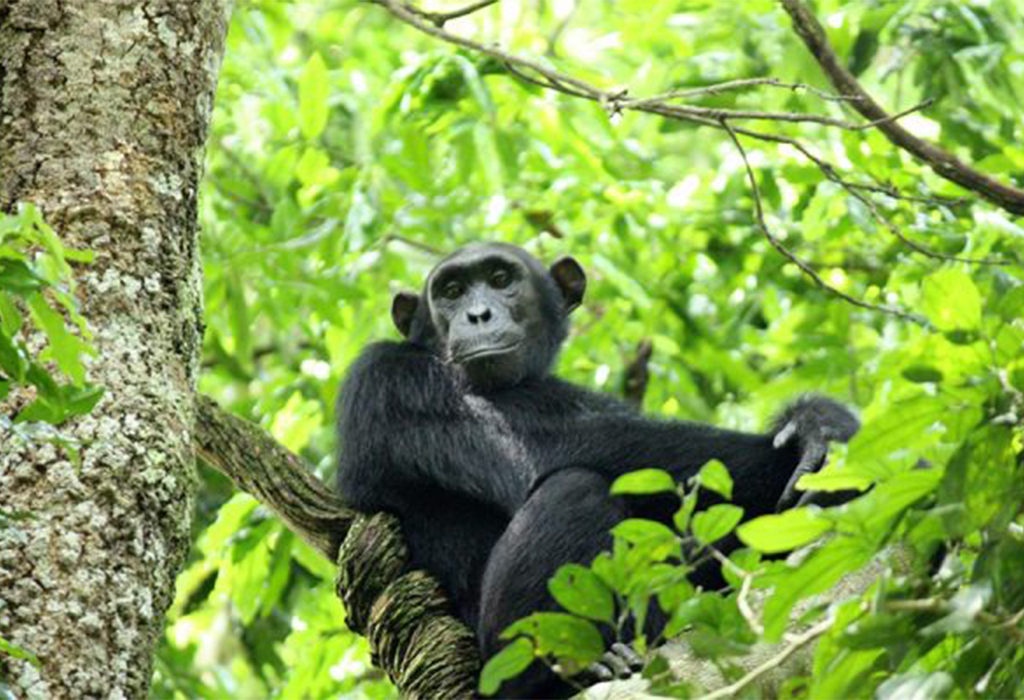
Explore Budongo Forest in Murchison Falls National Park
January 27, 2026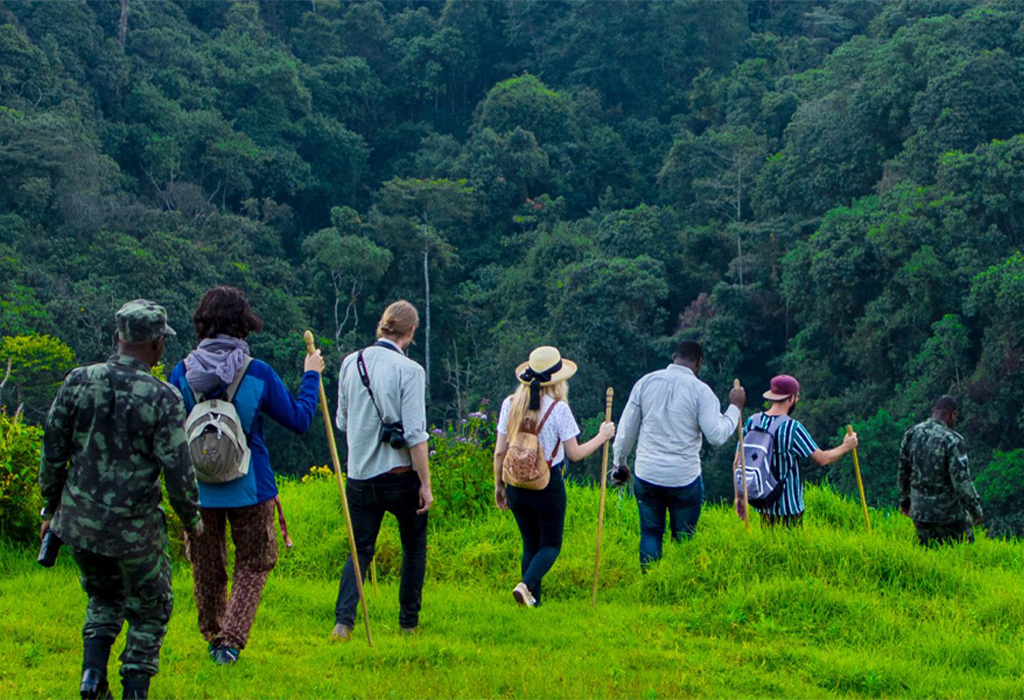
Is Rwanda Safe for Travelers in 2026?
January 27, 2026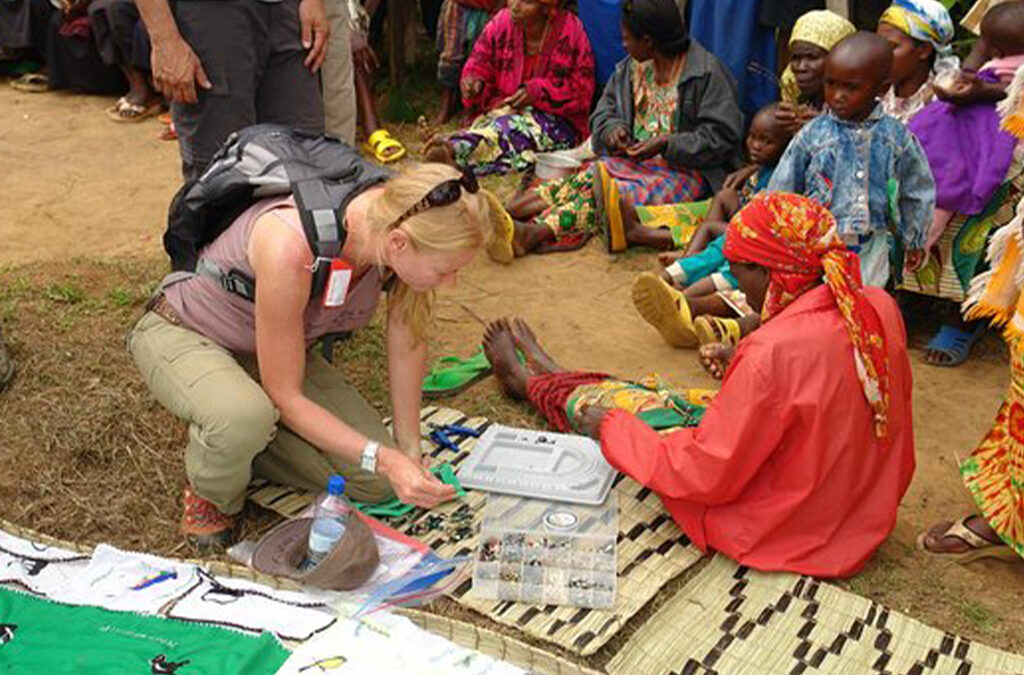
Rwanda, often called the “Land of a Thousand Hills,” is a small, landlocked country in East Africa bordered by Uganda, Tanzania, Burundi, and the Democratic Republic of Congo. Despite its size, Rwanda has built a powerful tourism industry centered on nature, wildlife, and meaningful community experiences.
While mountain gorillas remain the country’s most famous attraction, Rwanda also offers golden monkey tracking, chimpanzee trekking, birdwatching, Lake Kivu adventures, and classic savannah wildlife in Akagera National Park.
But beyond wildlife, Rwanda stands out for something even more inspiring community tourism that directly improves local lives.
Gorilla Tourism: The Foundation of Community Development
Mountain gorillas live only in the Virunga Massif, shared by Rwanda, Uganda, and the DRC. In Rwanda, visitors find them in Volcanoes National Park, located in Musanze District, just a two-hour scenic drive from Kigali.
Since the early days of gorilla tourism in the 1970s, Rwanda has practiced strict, low-impact ecotourism. Only a limited number of visitors track gorillas each day, ensuring both conservation and high-quality visitor experiences.
However, conservation initially restricted nearby communities from accessing forest resources they once depended on. As a result, pressure on the forest continued through illegal hunting, encroachment, and human-wildlife conflict. It became clear that protecting gorillas also meant improving community livelihoods.
How Rwanda Linked Tourism to Community Welfare
After 1994, Rwanda rebuilt its tourism sector with a strong focus on infrastructure, safety, and community involvement. The government, through conservation partnerships, introduced strategies that made local people active participants in tourism.
One of the most impactful initiatives was the revenue-sharing scheme launched in 2005, where 5% of gorilla tourism revenue goes directly into surrounding communities. This funding supports:
- Schools and classrooms
- Health centers
- Clean water projects
- Road improvements
- Tree planting and environmental protection
At the same time, conservation authorities created jobs for local residents as:
- Park rangers
- Guides
- Porters
- Community conservation leaders
These opportunities gave families steady income and a personal stake in protecting gorillas.
Cultural Tourism: Expanding Beyond Wildlife
Rwanda didn’t stop at gorilla tourism. Instead, the country diversified its tourism products by promoting local culture, traditions, and heritage.
Today, visitors can enjoy authentic experiences such as:
- Traditional dance and music performances
- Local food preparation and tasting
- Handicraft and art workshops
- Community walks and storytelling
These cultural encounters enrich the visitor experience while generating income for local families.
Community-Owned Tourism Success Stories
Sabinyo Community Lodge
Located near Volcanoes National Park, Sabinyo Community Lodge is a shining example of community-based tourism. Local communities own the lodge, and profits support schools, health care, and other social projects. Guests enjoy comfortable accommodation while directly contributing to village development.
Iby’Iwacu Cultural Village (Gorilla Guardians Village)
Just outside Volcanoes National Park, Iby’Iwacu Cultural Village offers visitors a hands-on cultural experience. Here, former poachers now work as cultural ambassadors, guiding visitors through Rwanda’s traditions and history.
During a visit, travelers can:
- Stay in traditional-style huts
- Learn how to prepare local dishes and banana beer
- Watch traditional dance and drumming
- Join community walks and storytelling sessions
This transformation from poaching to tourism employment shows how conservation can truly change lives.
Supporting the Batwa Community
The Batwa pygmies were the original forest dwellers of the Virunga region. When national parks were created, they lost access to their ancestral lands and traditional lifestyle.
Tourism has helped support Batwa communities through cultural preservation programs and income-generating activities. Visitors can now learn about Batwa traditions such as:
- Traditional hunting techniques
- Herbal medicine knowledge
- Fire-making skills
- Music and dance
These experiences provide income while preserving a unique cultural heritage that might otherwise disappear.
Conservation Success Through Community Involvement
Community tourism projects such as beekeeping, goat rearing, pig farming, and handicraft production have provided alternatives to poaching and forest exploitation. As local incomes improved, reliance on illegal activities declined.
As a result:
- Poaching has reduced significantly
- Forest encroachment has decreased
- Gorilla populations have steadily increased
This success comes from strong collaboration between communities, conservation authorities, and transboundary partnerships with Uganda and the DRC.
A Model for Sustainable Tourism in Africa
Today, mountain gorillas coexist with the communities that once struggled to survive alongside them. Local people now see gorillas not as competition, but as a valuable shared resource that supports education, healthcare, and better livelihoods.
Rwanda’s community tourism model stands as one of Africa’s greatest conservation success stories proof that when tourism benefits people, people protect wildlife.
Plan Your Rwanda Community & Gorilla Experience
At Experiya Tour Company, we design Rwanda safaris that go beyond wildlife viewing. Our itineraries connect you with local communities, cultural experiences, and conservation stories that make your journey meaningful and unforgettable.
Because in Rwanda, travel doesn’t just change the visitor it transforms the lives of the people who call this beautiful country home.