
Interesting Facts About Lake Kivu
June 5, 2026
Comparing Gorilla Trekking Destinations in Rwanda and Uganda
June 5, 2026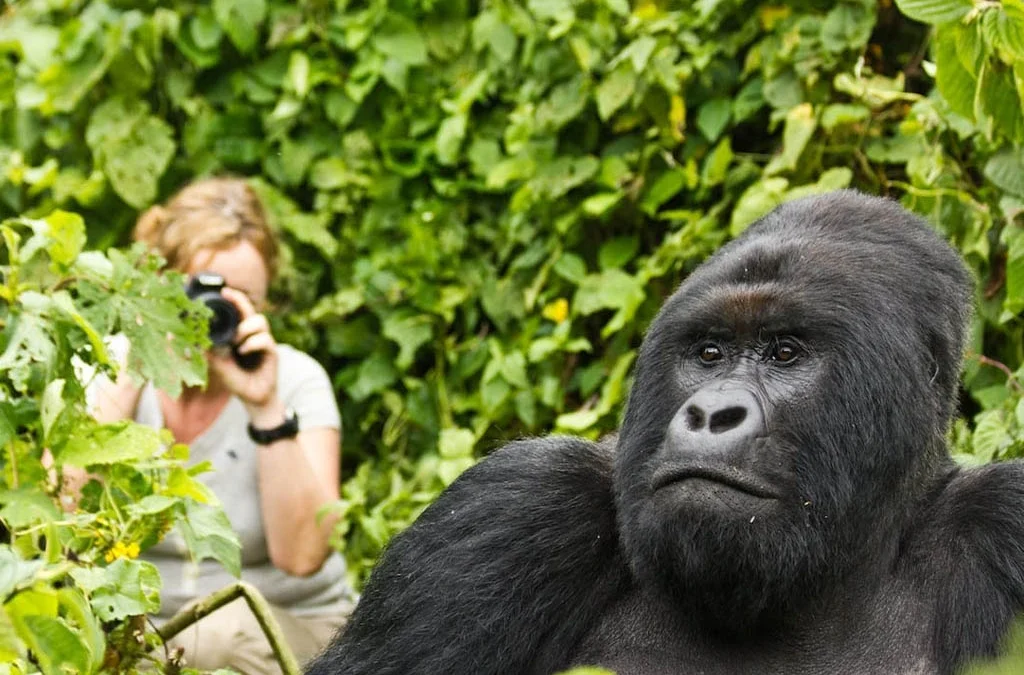
Gorillas are among the most intelligent and captivating animals on the planet. As the largest living primates, they often inspire both admiration and curiosity. Their powerful bodies, impressive strength, and commanding presence can appear intimidating at first glance. However, people who spend time observing gorillas quickly discover a different reality. These remarkable creatures display complex social behaviors, strong family bonds, and surprisingly gentle personalities.
One of the most common questions travelers ask while planning a gorilla safari is: Are gorillas social to humans? The answer is more nuanced than a simple yes or no. Gorillas are naturally social animals within their own groups, and through carefully managed conservation programs, many have become comfortable with the presence of humans. While they do not form human-like friendships with people, they can tolerate and peacefully coexist with humans when interactions occur respectfully and responsibly.
Understanding how gorillas relate to humans helps visitors appreciate these magnificent primates while ensuring safe and meaningful wildlife encounters. At Experiya Tour Company, we believe that learning about gorilla behavior enhances every trekking experience and deepens respect for conservation efforts across East Africa.
Understanding Gorilla Social Behavior
Gorillas are highly social animals that live in stable family groups known as troops or bands. Each group is led by a dominant adult male called a silverback. The silverback serves as the protector, decision-maker, and leader of the family. He guides the group to feeding areas, resolves conflicts, and protects members from potential threats.
Within the troop, gorillas develop strong emotional bonds. Mothers care attentively for their infants, siblings play together, and adults spend time grooming and interacting with one another. These daily interactions strengthen family relationships and maintain harmony within the group.
Researchers have observed that gorillas communicate through a combination of vocalizations, facial expressions, body postures, and gestures. They can express affection, curiosity, reassurance, warning signals, and even grief. Such sophisticated communication demonstrates the advanced social intelligence that gorillas possess.
Because gorillas rely heavily on social connections within their families, they often show curiosity toward humans who enter their environment. However, their interactions with people differ significantly from their interactions with fellow gorillas.
How Gorillas Respond to Humans
In the wild, gorillas generally avoid unnecessary contact with humans. Historically, human activities such as hunting, habitat destruction, and encroachment created reasons for gorillas to be cautious around people. As a result, wild, unhabituated gorillas often retreat when they detect human presence.
Nevertheless, gorillas do not naturally view humans as prey or enemies. Instead, they typically assess people based on behavior and perceived threat levels. When humans behave calmly and respectfully, gorillas usually remain relaxed and continue their daily activities.
Conservation programs in Uganda, Rwanda, and the Democratic Republic of Congo have further improved the relationship between gorillas and humans through a process called habituation. During habituation, trained researchers and conservation teams gradually introduce gorillas to human presence over several years. This careful process helps gorillas understand that humans do not pose a threat.
As a result, habituated gorillas often display remarkable tolerance toward visitors. They may continue feeding, grooming, resting, or playing even when tourists observe them from a safe distance. This comfort around humans creates the extraordinary trekking experiences that attract travelers from around the world.
Are Gorillas Friendly Toward Humans?
Many visitors describe gorillas as friendly because of their calm behavior during trekking encounters. However, it is important to understand that gorillas remain wild animals regardless of how relaxed they appear.
Rather than seeking friendship with humans, habituated gorillas simply accept human presence as a normal part of their environment. They may observe visitors with curiosity, especially if they encounter new faces. Young gorillas, in particular, often display playful behavior and may seem intrigued by tourists.
At the same time, gorillas maintain clear social boundaries. They do not depend on humans for companionship, food, or protection. Their strongest relationships remain within their family groups.
Therefore, while gorillas can appear friendly and tolerant, visitors should avoid interpreting their behavior as domestication or affection. Respecting their wild nature remains essential for both human safety and gorilla welfare.
Why Gorilla Trekking Is Safe
One reason gorilla trekking has become one of Africa’s most sought-after wildlife experiences is its exceptional safety record. National park authorities, conservation organizations, and tour operators work together to ensure that interactions remain controlled and respectful.
Before every trek, guides provide detailed briefings about gorilla behavior and visitor conduct. Rangers accompany trekking groups throughout the experience and closely monitor interactions once gorillas are located.
These professional measures significantly reduce the likelihood of negative encounters. Moreover, habituated gorillas have spent years becoming accustomed to human observers, making them generally calm during visits.
Travelers who join gorilla safaris through Experiya Tour Company benefit from experienced guides who understand gorilla behavior and prioritize both visitor safety and conservation principles. By following established guidelines, guests can enjoy unforgettable encounters while minimizing stress on the animals.
How Gorillas Communicate During Human Encounters
Gorillas use various signals to communicate their comfort levels around humans. Understanding these signals helps visitors appreciate the complexity of gorilla behavior.
For example, a relaxed gorilla may continue feeding, grooming another family member, or resting peacefully. Such behaviors indicate that the animal feels secure and unthreatened.
Conversely, a gorilla that feels uncomfortable may display warning signs. A silverback might stand upright, vocalize loudly, slap vegetation, or beat his chest. Although these actions can seem alarming, they often serve as communication rather than aggression.
In most cases, chest-beating functions as a warning signal intended to prevent conflict. The silverback essentially communicates, “Maintain your distance and respect my family.” When visitors follow guide instructions and remain calm, these situations rarely escalate further.
Consequently, understanding gorilla communication contributes significantly to safe and enjoyable trekking experiences.
Situations That May Trigger Defensive Behavior
Although gorillas generally tolerate human presence, certain situations can provoke defensive reactions. Most of these circumstances arise when people ignore established guidelines or unintentionally make gorillas feel threatened.
For instance, approaching too closely can invade a gorilla’s personal space. Similarly, sudden movements or loud noises may startle the animals. Directly challenging a silverback through aggressive body language can also create tension.
In addition, gorillas become especially protective when infants are nearby. Mothers and silverbacks naturally prioritize the safety of young group members and may react defensively if they perceive danger.
Fortunately, such situations remain rare during properly managed treks. Professional guides understand gorilla behavior and help visitors avoid actions that could cause discomfort or stress.
The Emotional Intelligence of Gorillas
One reason people feel such a strong connection with gorillas is their remarkable emotional intelligence. Scientists have documented numerous behaviors that reveal emotional depth and social awareness.
Gorillas comfort distressed family members, care for injured companions, and display signs of mourning after losing loved ones. Mothers demonstrate extraordinary patience while raising their young, and juveniles engage in playful interactions that closely resemble those of human children.
These emotional traits create a sense of familiarity that many visitors find deeply moving. Watching a gorilla family interact often reminds people of their own relationships and social experiences.
As a result, gorilla trekking offers far more than wildlife observation. It provides a unique opportunity to witness the similarities that humans share with one of our closest living relatives.
Conservation and Human-Gorilla Relationships
The relationship between humans and gorillas extends beyond tourism. Conservation efforts play a crucial role in ensuring the survival of gorilla populations throughout East Africa.
Mountain gorillas once faced severe threats from poaching, habitat loss, and disease. Today, conservation initiatives supported by tourism revenue have helped stabilize and increase their populations. Gorilla trekking permits directly contribute to park management, research, anti-poaching efforts, and community development programs.
Furthermore, responsible tourism fosters greater appreciation for wildlife conservation. Visitors who observe gorillas in their natural habitat often become passionate advocates for protecting endangered species and preserving fragile ecosystems.
Through sustainable tourism practices, organizations, governments, local communities, and operators such as Experiya Tour Company continue working together to safeguard gorillas for future generations.
Final Thoughts
So, are gorillas social with humans? In many ways, yes. Gorillas are highly social animals that can become comfortable around humans through carefully managed habituation programs. They often display curiosity, tolerance, and calm behavior during trekking experiences, allowing visitors to observe their fascinating lives at close range.
However, gorillas remain wild animals with their own social structures, instincts, and boundaries. They do not form human-style friendships, but they can peacefully coexist with people who treat them with respect.
By understanding gorilla behavior, following trekking guidelines, and supporting conservation efforts, travelers can enjoy one of the world’s most extraordinary wildlife experiences. Standing just meters away from a gorilla family in the misty forests of East Africa creates a powerful connection that leaves a lasting impression and deepens appreciation for the natural world.