Uganda Chimpanzee Trekking Permits Costs and Prices
June 5, 2026
Are Gorillas Social to Humans?
June 5, 2026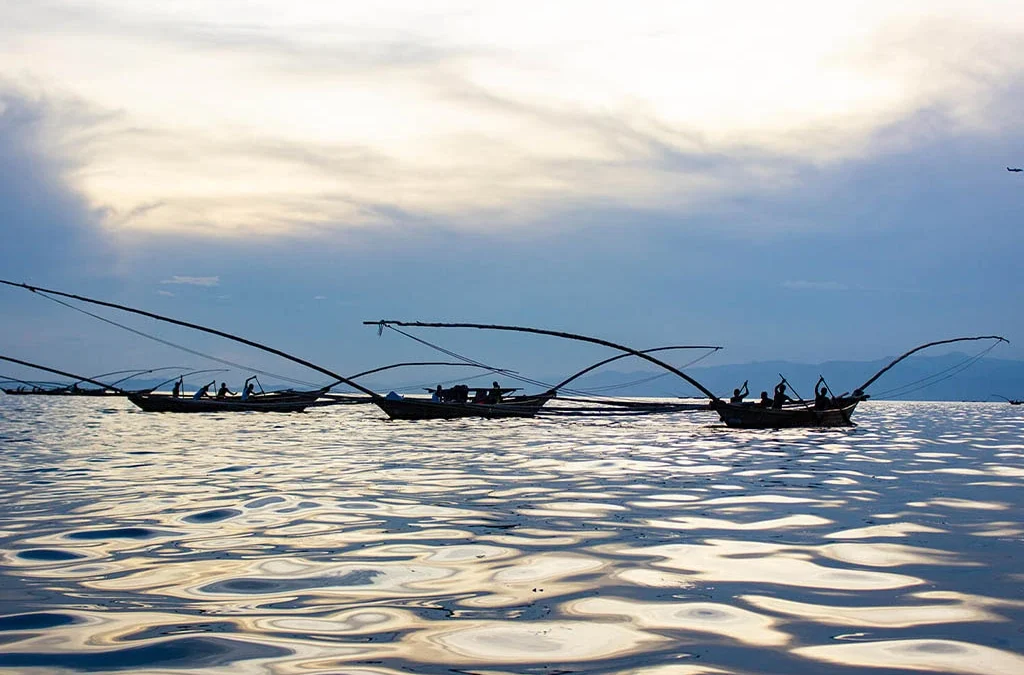
Lake Kivu is one of Africa’s most breathtaking freshwater lakes and a highlight of many Rwanda Safaris. Nestled within the Albertine Rift Valley, the western branch of the East African Rift System, this stunning lake forms a natural border between Rwanda and the Democratic Republic of Congo (DRC). With its sparkling blue waters, lush islands, scenic beaches, and fascinating geological history, Lake Kivu attracts travelers seeking relaxation, adventure, and cultural experiences.
Whether you are planning a beach holiday in Rwanda, combining it with Gorilla Safaris, or simply looking to explore one of Africa’s most beautiful lakes, Lake Kivu offers countless surprises. Here are some of the most interesting facts about Lake Kivu.
Overview of Lake Kivu
Lake Kivu covers approximately 2,700 square kilometers, making it one of the smaller African Great Lakes. The lake stretches about 90 kilometers from north to south and reaches approximately 50 kilometers at its widest point. While both Rwanda and the Democratic Republic of Congo share the lake, about 58 percent of its waters lie within Congolese territory.
Situated at an elevation of around 1,470 meters above sea level, Lake Kivu ranks among the highest major lakes in Africa. Its average depth ranges between 220 and 475 meters, creating a vast freshwater ecosystem surrounded by rolling hills, volcanic landscapes, and picturesque communities.
The lake’s shoreline features rocky formations, sandy beaches, fishing villages, and numerous islands that contribute to its exceptional beauty. As a result, Lake Kivu has become one of Rwanda’s most popular leisure and tourism destinations.
The Geological History of Lake Kivu
Lake Kivu’s formation dates back approximately 15,000 years. Geological studies suggest that volcanic activity and climatic changes played significant roles in shaping the lake.
Long ago, Lake Kivu formed part of a much larger water system. However, volcanic eruptions in the Virunga region created a natural barrier along the northern section of the lake. This geological event separated Lake Kivu from neighboring water bodies and altered its drainage patterns.
Today, the lake drains southward through the Rusizi River, which eventually flows into Lake Tanganyika. This unique geological history continues to influence the lake’s ecosystem and surrounding landscapes.
Moreover, Lake Kivu sits within one of Africa’s most volcanically active regions. The nearby Virunga Volcanoes continue to shape the area’s geology and contribute to the lake’s unusual chemical composition.
A Lake Rich in Natural Gas
One of the most fascinating facts about Lake Kivu is what lies beneath its surface. Unlike most freshwater lakes, Lake Kivu contains enormous quantities of dissolved methane gas and carbon dioxide trapped in its deep waters.
Scientists estimate that the lake holds approximately 55 billion cubic meters of methane gas. Additionally, significant amounts of carbon dioxide remain dissolved at lower depths due to pressure and geological activity.
This unique characteristic results from underwater volcanic springs that continuously release gases into the lake. Over thousands of years, these gases accumulated beneath the surface, creating one of the world’s largest natural methane reserves.
Rather than viewing this resource solely as a risk, Rwanda has invested heavily in methane extraction projects. These projects convert the gas into electricity, helping meet the country’s growing energy demands while reducing environmental concerns.
Why Some Scientists Call Lake Kivu a Natural Time Bomb
The large concentration of dissolved gases beneath Lake Kivu has attracted worldwide scientific attention. Experts classify Lake Kivu as one of only a few lakes globally capable of experiencing a limnic eruption.
A limnic eruption occurs when dissolved gases suddenly rise to the surface and escape into the atmosphere. If a major disturbance triggered such an event, vast quantities of carbon dioxide and methane could be rapidly released from the lake.
Scientists estimate that Lake Kivu contains roughly 300 cubic kilometers of carbon dioxide. A sudden release could potentially affect millions of people living around the lake’s shores.
Fortunately, extensive monitoring programs and methane extraction initiatives continue to reduce potential risks. Modern scientific research helps authorities closely track gas concentrations and maintain safety measures throughout the region.
The Many Islands of Lake Kivu
Lake Kivu features more than 250 islands, each contributing to the lake’s scenic charm. According to environmental studies, approximately 56 of these islands lie within Rwandan waters, while the remainder belong to the Democratic Republic of Congo.
The most famous island is Idjwi Island, which covers over 200 square kilometers. This makes it the second-largest lake island in Africa after Ukerewe Island in Lake Victoria.
Idjwi Island offers visitors an authentic rural experience with beautiful landscapes, traditional communities, and spectacular lake views. In addition, several smaller islands provide excellent opportunities for boating excursions, birdwatching, and photography.
The volcanic rocks that formed these islands also created the dramatic hills and mountains surrounding the lake, giving the region its distinctive appearance.
Wildlife and Aquatic Life
Although Lake Kivu does not support large populations of aquatic mammals such as hippos, it hosts a variety of fish species and freshwater organisms.
Researchers have identified approximately 28 fish species and four species of freshwater crabs within the lake. Fishing remains an important economic activity for local communities along both the Rwandan and Congolese shorelines.
One of the lake’s most remarkable features is the absence of crocodiles and hippos. Consequently, visitors can safely enjoy swimming and water sports without many of the concerns associated with other African lakes.
Furthermore, the calm waters and relatively safe environment make Lake Kivu an ideal destination for families and adventure enthusiasts alike.
Tourism Activities on Lake Kivu
Lake Kivu offers a refreshing contrast to Rwanda’s wildlife experiences. After tracking mountain gorillas or exploring national parks, many travelers choose to unwind along its tranquil shores.
Swimming remains one of the most popular activities thanks to the lake’s safe waters. Visitors also enjoy kayaking across peaceful bays, paddleboarding along scenic coastlines, and taking boat cruises to nearby islands.
Additionally, island-hopping excursions allow travelers to explore hidden beaches, fishing communities, and unique cultural attractions. Coffee tours introduce visitors to Rwanda’s renowned coffee industry, while cultural visits provide insight into local traditions and daily life.
For active travelers, the hills surrounding Lake Kivu offer excellent hiking and cycling opportunities. Birdwatchers can also spot numerous bird species inhabiting the lake’s wetlands and forests.
These diverse activities make Lake Kivu one of the most versatile destinations in Rwanda.
How to Reach Lake Kivu
Getting to Lake Kivu is relatively straightforward. Most visitors begin their journey in Kigali, Rwanda’s capital city.
By road, the drive from Kigali to Lake Kivu takes approximately three hours, depending on the destination along the shoreline. The roads are generally well maintained and provide spectacular views of Rwanda’s famous rolling hills.
The main access towns include Gisenyi, Kibuye (Karongi), and Cyangugu (Rusizi). Public buses regularly connect these towns with Kigali, making transportation affordable and convenient.
Travelers seeking greater comfort can arrange private transfers through Experiya Tour Company. Additionally, charter flights from Kigali to Gisenyi Airport offer a faster alternative for those with limited time.
Best Time to Visit Lake Kivu
Lake Kivu welcomes visitors throughout the year. However, many travelers prefer visiting during Rwanda’s dry seasons when outdoor activities become more enjoyable.
The most favorable months generally occur between June and September and from December to February. During these periods, visitors enjoy sunny skies, comfortable temperatures, and excellent conditions for water sports and sightseeing.
Temperatures around Lake Kivu typically range between 15°C and 27°C, creating a pleasant climate year-round. Even during the rainy seasons, the region remains attractive due to its lush vegetation and fewer tourist crowds.
Ultimately, the best time to visit depends on individual travel preferences and planned activities.
Where to Stay Around Lake Kivu
Lake Kivu offers accommodation options suitable for every budget, ranging from luxury lakeside resorts to comfortable mid-range hotels and affordable guesthouses.
Many properties sit directly along the shoreline, providing stunning views of the lake and surrounding hills. Guests often enjoy peaceful gardens, private beaches, swimming pools, and lakeside dining experiences.
Experiya Tour Company helps travelers select accommodations that match their interests, whether they seek luxury, romance, family-friendly facilities, or adventure-focused experiences. Most hotels emphasize relaxation, allowing visitors to fully appreciate the natural beauty of Lake Kivu.
Final Thoughts
Lake Kivu stands among Africa’s most fascinating and beautiful freshwater lakes. Its dramatic geological history, stunning islands, unique methane reserves, safe swimming waters, and diverse tourism activities create a destination unlike any other.
Whether you want to relax on a beach, kayak across crystal-clear waters, explore local culture, or simply admire breathtaking landscapes, Lake Kivu offers an unforgettable experience. For travelers exploring Rwanda, a visit to Lake Kivu provides the perfect balance between adventure and relaxation, making it a must-see destination on any East African itinerary with Experiya Tour Company.