Are Gorillas Social to Humans?
June 5, 2026
River Kagera on the Border of Isingiro and Tanzania
June 5, 2026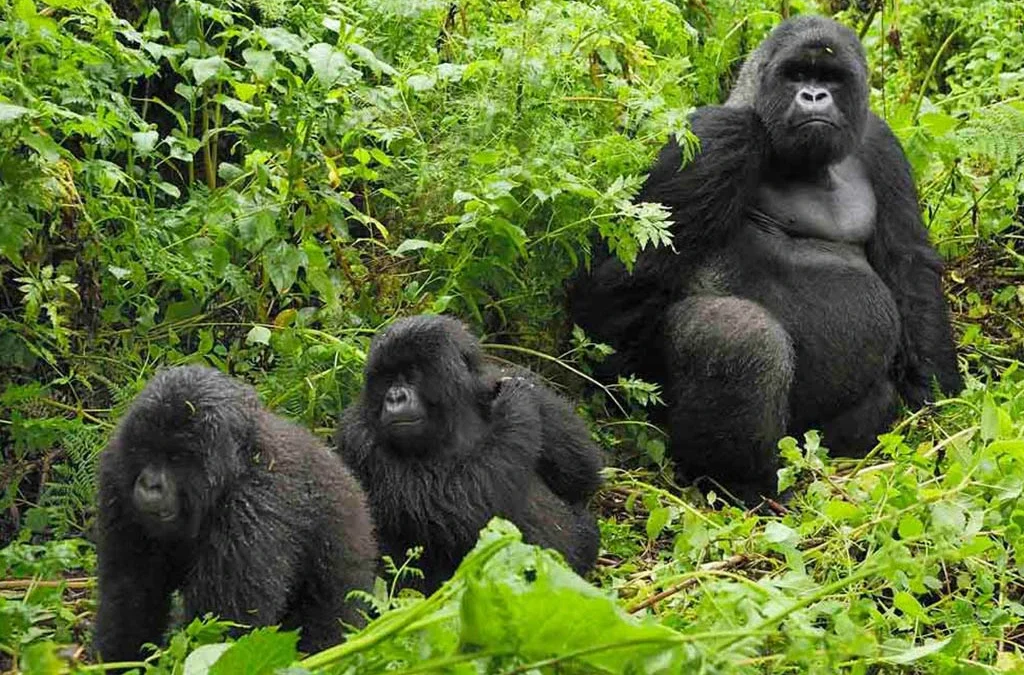
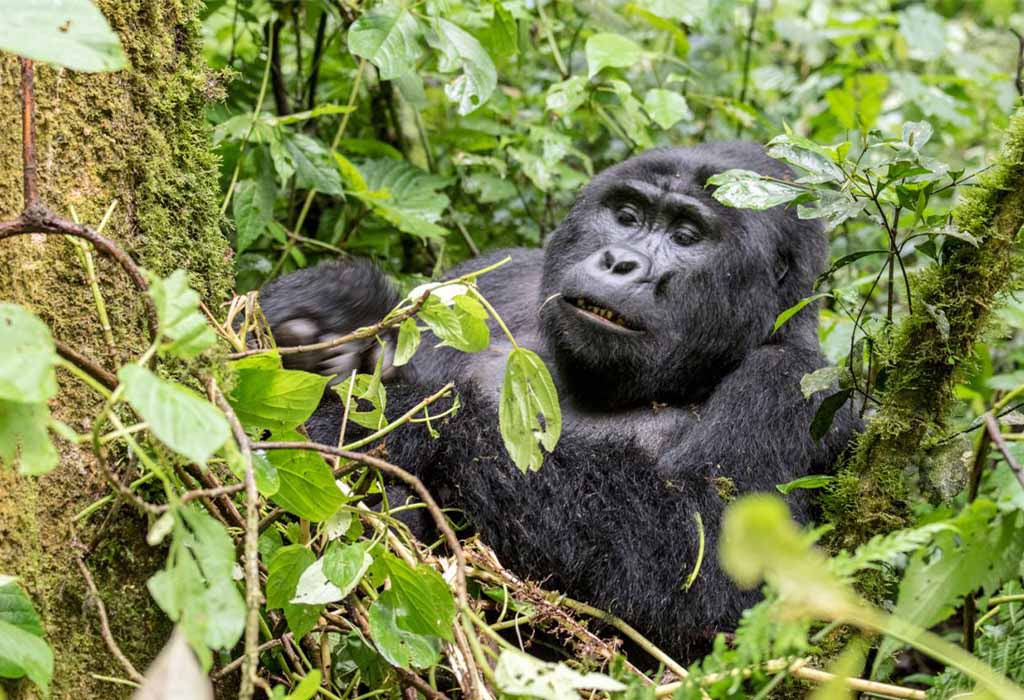
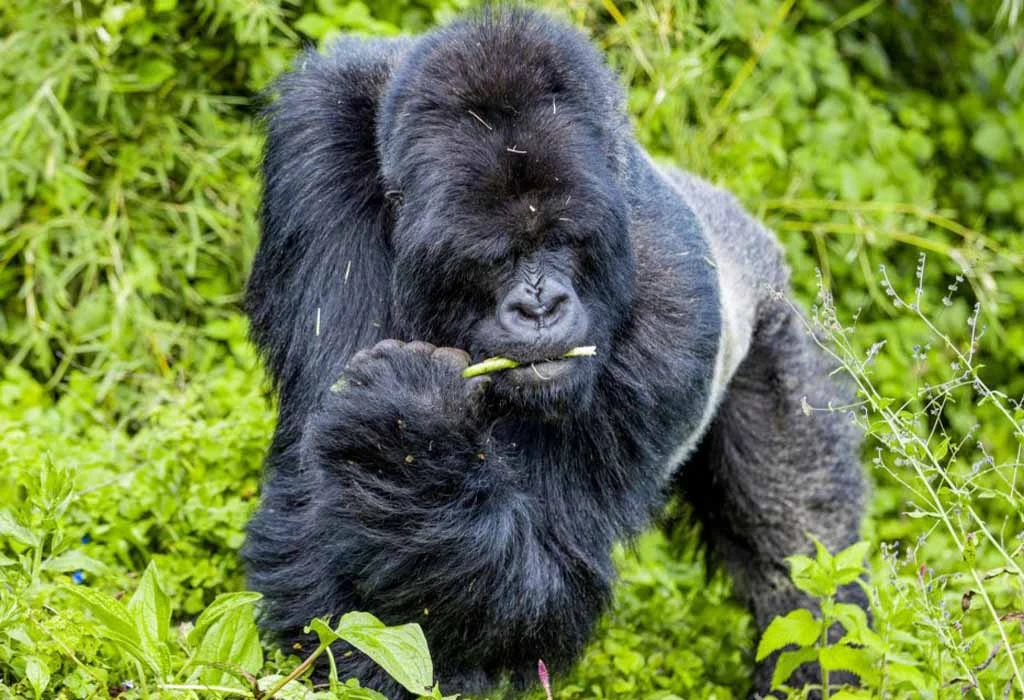
Gorilla trekking ranks among the most extraordinary wildlife experiences in Africa. Every year, thousands of travelers journey to the misty forests of Rwanda and Uganda to spend a precious hour observing endangered mountain gorillas in their natural environment. Watching a gorilla family interact, feed, play, and care for one another creates memories that last a lifetime.
However, many travelers planning a gorilla safari often ask an important question: Are gorillas in Rwanda and Uganda safer to visit?
The simple answer is yes. Mountain gorillas in both Rwanda and Uganda are considered safe to visit thanks to decades of conservation efforts, strict tourism regulations, and professional wildlife management. Both countries have invested heavily in protecting gorillas and creating secure trekking experiences for visitors.
At Experiya Tour Company, travelers frequently seek guidance on choosing between Rwanda and Uganda for their gorilla adventure. Understanding the similarities and differences between these destinations can help you make an informed decision while appreciating the remarkable conservation success behind every trek.
Understanding Mountain Gorilla Habituation
One of the key reasons gorilla trekking remains safe in both Rwanda and Uganda is the successful process of gorilla habituation.
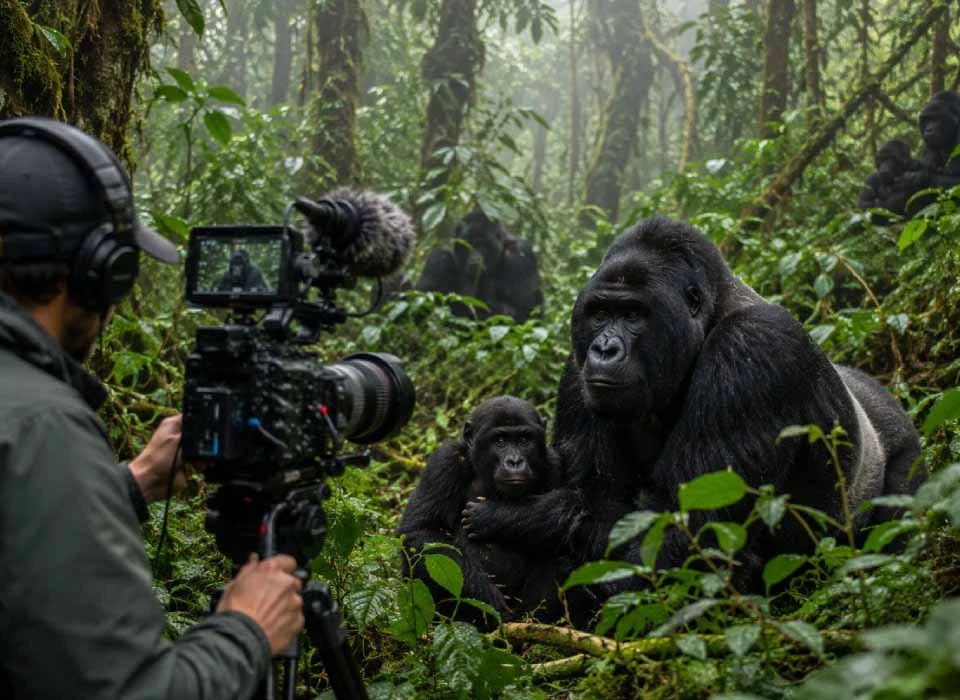
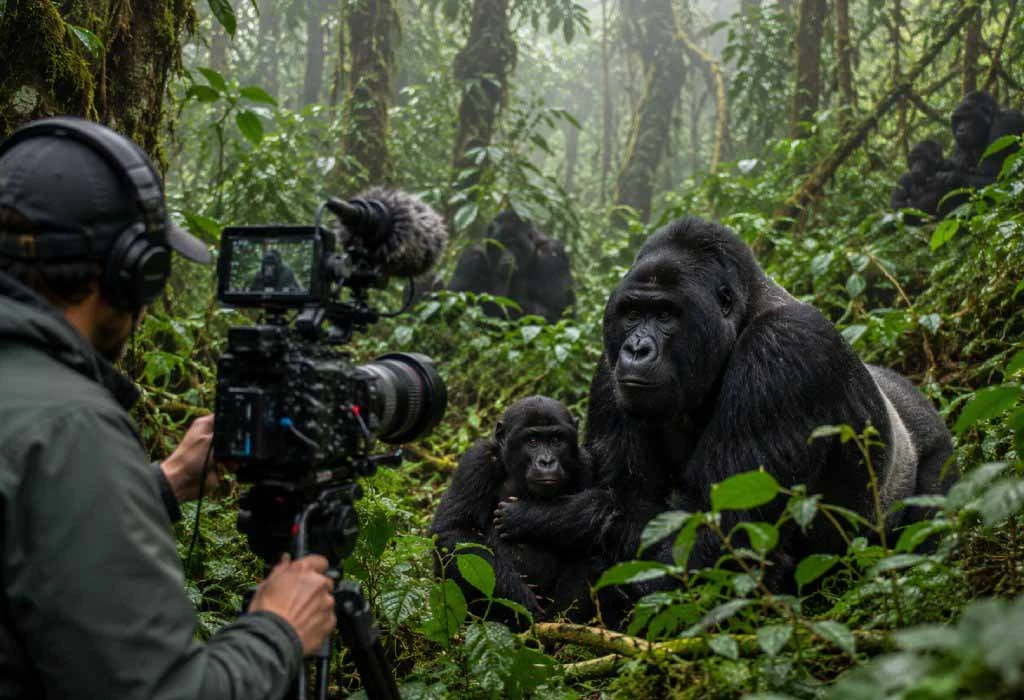
Habituation involves gradually introducing wild gorillas to the presence of researchers, conservationists, and eventually tourists. This process can take several years and allows gorillas to become comfortable with human observers without losing their natural behaviors.
Contrary to common misconceptions, habituation does not tame gorillas or make them dependent on humans. Instead, it helps them recognize people as non-threatening visitors. As a result, gorillas remain calm when trekkers observe them under controlled conditions.
In Rwanda, gorilla families living in Volcanoes National Park have undergone extensive habituation programs. The country’s highly regulated tourism model ensures that only a limited number of visitors interact with each gorilla family each day. This careful management minimizes stress and supports the well-being of the animals.
Similarly, Uganda has successfully habituated several gorilla families in Bwindi Impenetrable National Park and Mgahinga Gorilla National Park. Some groups have become accustomed to tourists, while others participate in special habituation experiences that allow visitors to spend extended periods observing the gradual adaptation process.
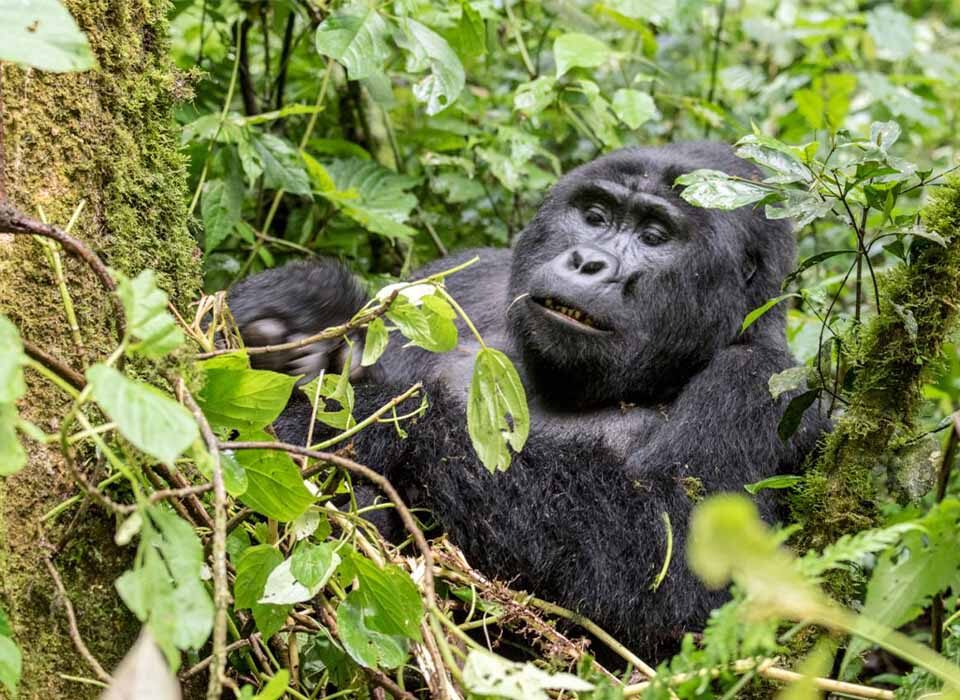
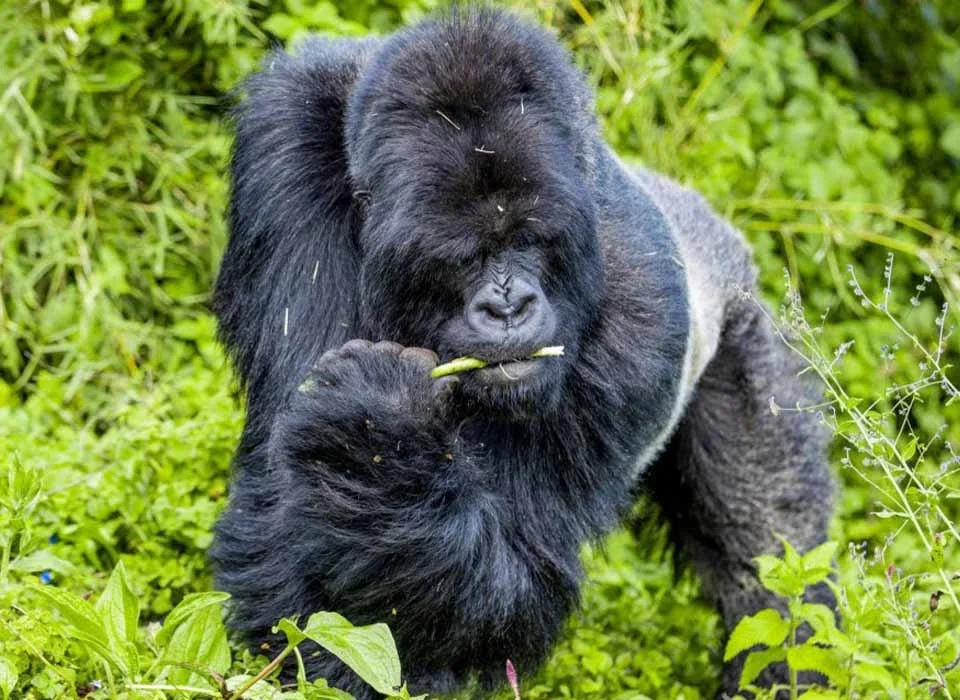
Because of these efforts, gorillas in both countries generally remain relaxed around human visitors, creating safe and rewarding encounters.
Why Gorilla Trekking Is Safe in Rwanda and Uganda
Safety stands at the center of every gorilla trekking experience. Conservation authorities in both countries enforce strict regulations that protect both visitors and gorillas.
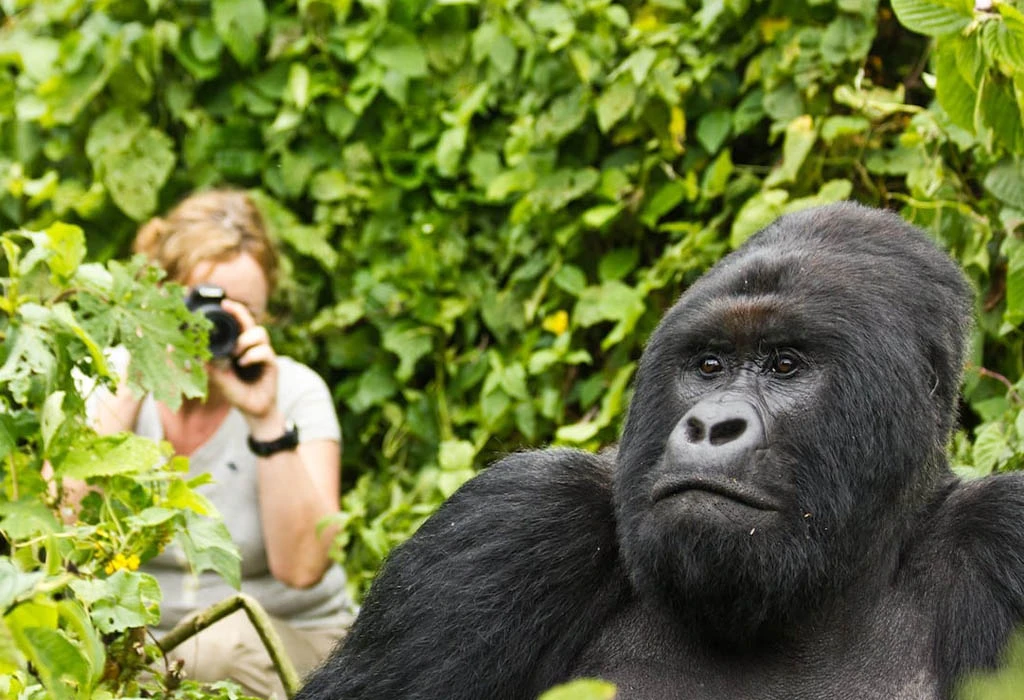
Before each trek begins, experienced guides provide detailed briefings covering appropriate behavior around gorillas. These guidelines help visitors understand how to interact responsibly with the animals while maintaining a safe environment.
For example, trekkers must maintain a recommended distance from gorillas to reduce the risk of disease transmission. Since mountain gorillas share a significant percentage of their DNA with humans, they can contract certain human illnesses. Maintaining proper distance helps protect these endangered primates.
Additionally, professional guides accompany every trekking group throughout the journey. These guides possess extensive knowledge of gorilla behavior and understand how to respond appropriately in different situations. Their expertise helps visitors feel confident and secure during the trek.
Armed rangers also patrol the parks and accompany groups into the forest. While gorillas rarely display aggression toward humans, rangers remain prepared to handle any unexpected wildlife encounters and ensure the safety of all participants.
Furthermore, both Rwanda and Uganda limit the number of trekking permits issued each day. This controlled approach reduces pressure on gorilla families and creates a more intimate experience for visitors.
Thanks to these comprehensive safety measures, gorilla trekking has become one of Africa’s safest wildlife activities.
Comparing Trekking Terrain in Rwanda and Uganda
Although the safety standards remain similar, the trekking environments in Rwanda and Uganda differ considerably. These differences often influence travelers’ preferences when selecting a destination.
Gorilla Trekking in Rwanda
Volcanoes National Park sits within Rwanda’s Virunga Mountains and offers relatively accessible trekking routes. Many gorilla families inhabit areas closer to park boundaries, allowing some visitors to reach them after only a few hours of hiking.
The park’s bamboo forests and volcanic slopes create breathtaking scenery while offering generally shorter trekking times compared to some locations in Uganda.
As a result, Rwanda appeals to travelers seeking a less physically demanding adventure. It also attracts visitors with limited vacation time because Kigali International Airport lies only a few hours from the park.
The relatively easy accessibility contributes to many travelers perceiving Rwanda as a more convenient gorilla trekking destination.
Gorilla Trekking in Uganda
Uganda offers a distinctly different experience, particularly in Bwindi Impenetrable National Park. True to its name, Bwindi features dense rainforest, steep hillsides, and rugged terrain that often require longer and more challenging hikes.
The park’s dramatic landscapes create an authentic wilderness experience that many adventure seekers find incredibly rewarding. Some treks may last several hours before reaching a gorilla family, depending on the group’s location within the forest.
Meanwhile, Mgahinga Gorilla National Park provides a different setting characterized by volcanic terrain and spectacular mountain views.
Although Uganda’s trekking conditions can be more demanding, experienced guides, trackers, and porters support visitors throughout the journey. Their assistance significantly enhances comfort and safety, even on challenging trails.
Ultimately, neither destination is safer than the other. The choice depends largely on your fitness level, travel style, and personal preferences.
Conservation Efforts That Enhance Safety
The remarkable recovery of mountain gorilla populations represents one of the world’s greatest conservation success stories.
Several decades ago, mountain gorillas faced severe threats from habitat loss, poaching, and political instability. Today, thanks to collaborative conservation initiatives, their population continues to grow steadily.
In both Rwanda and Uganda, conservation authorities work closely with local communities, researchers, and tourism stakeholders to protect gorilla habitats and promote sustainable tourism.
Tourism revenue plays a crucial role in these efforts. A significant portion of gorilla permit fees supports conservation projects, park management, ranger patrols, and community development programs.
As local communities benefit from tourism, they become active participants in wildlife protection. This partnership helps reduce illegal activities while strengthening conservation efforts throughout the region.
Organizations involved in gorilla conservation also conduct ongoing health monitoring programs to ensure gorilla populations remain healthy. Veterinary teams regularly assess gorilla families and respond quickly to any health concerns.
These combined efforts create a stable and secure environment for both gorillas and visitors.
How Professional Guides Contribute to Visitor Safety
One of the most reassuring aspects of gorilla trekking is the professionalism of the guides and rangers leading each expedition.
Before entering the forest, guides explain gorilla behavior and teach visitors how to react appropriately during encounters. They advise trekkers to remain calm, avoid sudden movements, and follow instructions at all times.
Throughout the trek, guides communicate with trackers who locate gorilla families ahead of the group. This coordination ensures visitors approach the gorillas safely and respectfully.
When visitors finally reach a gorilla family, guides carefully manage the viewing experience. They monitor both the animals and the group to ensure everyone follows established guidelines.
This professional oversight allows visitors to focus on enjoying the extraordinary encounter while feeling secure in the presence of these powerful animals.
Rwanda vs Uganda: Which Destination Should You Choose?
Since both destinations offer equally safe gorilla trekking experiences, your decision should depend on other factors.
Rwanda may be the better choice if you prefer shorter travel times, relatively easier hikes, and luxury-focused safari experiences. Its excellent infrastructure and proximity to Kigali make it particularly attractive for travelers with limited schedules.
On the other hand, Uganda often appeals to travelers seeking a more adventurous experience. Bwindi’s ancient rainforest, diverse trekking sectors, and generally lower permit costs provide excellent value while delivering unforgettable gorilla encounters.
Many visitors also appreciate Uganda’s broader range of wildlife experiences, which can easily be combined with chimpanzee tracking, game drives, and cultural tours.
At Experiya Tour Company, travelers frequently discover that both countries offer unique advantages, and neither disappoints when it comes to gorilla trekking.
Final Verdict: Are Gorillas in Rwanda and Uganda Safer?
When comparing gorilla trekking destinations, safety should not be a deciding factor because both Rwanda and Uganda maintain exceptionally high standards.
Years of successful habituation programs, strict tourism regulations, professional guiding services, and strong conservation initiatives have made gorilla trekking safe and sustainable in both countries.
Whether you choose the volcanic landscapes of Rwanda or the dense rainforests of Uganda, you can expect a well-organized, secure, and deeply inspiring wildlife experience.
Most importantly, your visit directly supports the conservation of one of the world’s most endangered species while contributing to local communities that help protect these magnificent animals.
With Experiya Tour Company, your gorilla trekking adventure becomes more than a safari; it becomes a meaningful journey into the heart of Africa’s most celebrated conservation success story.