
10 Best Things to Do in Bwindi Impenetrable National Park
July 3, 2026
Choosing Your Ideal Gorilla Trekking Accommodation
July 3, 2026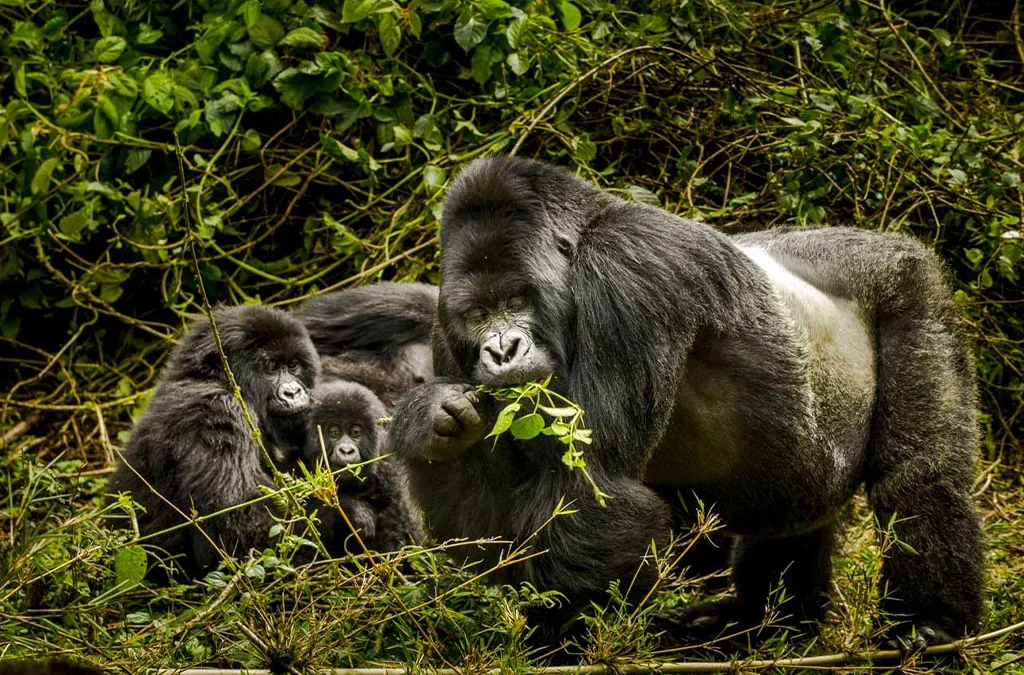
Few wildlife encounters compare to standing just a few meters away from a family of wild mountain gorillas. Hidden within the misty forests of Uganda, Rwanda, and the Democratic Republic of Congo, these remarkable primates offer one of the most unforgettable experiences in Africa. Although their massive size and incredible strength may seem intimidating at first, mountain gorillas are peaceful, intelligent, and highly social animals. Their calm nature has earned them the well-deserved nickname, “gentle giants.”
Understanding gorilla behavior before your trek helps you appreciate these endangered primates while ensuring both your safety and theirs. Every movement, sound, and interaction among gorillas has meaning. By learning how they communicate and live together, you become more than just a visitor—you become a respectful observer supporting their conservation.
At Experiya Tour Company, we believe that every gorilla trek should combine adventure, education, and responsible tourism. Here is everything you need to know about gorilla behavior before stepping into the rainforest.
Understanding the Social Life of Mountain Gorillas
Mountain gorillas live in close-knit family groups that share strong emotional bonds. Unlike many people imagine, gorillas are not solitary animals. Instead, they spend their lives surrounded by family members who depend on one another for protection, companionship, and survival.
A typical gorilla family consists of between five and thirty members. These groups usually include one dominant silverback, several adult females, young blackback males, juveniles, and playful infants. Every member has a specific role that contributes to the stability of the group.
Throughout the day, family members groom one another, play, rest, forage for food, and care for their young. Watching these natural interactions during a gorilla trek reveals striking similarities between gorillas and humans. In fact, mountain gorillas share approximately 98% of their DNA with people, making their behavior surprisingly familiar.
The Silverback: Protector and Leader of the Family
Every gorilla family revolves around a powerful adult male known as the silverback. He earns this title after developing the distinctive silver-gray hair across his back, usually when he reaches about twelve years of age.
The silverback serves as much more than the strongest member of the family. He leads every aspect of daily life. From deciding when the group begins feeding to choosing resting places and sleeping sites, the silverback guides the family’s routine.
Perhaps even more importantly, he protects the group from danger. Whether facing rival gorillas, wild animals, or unfamiliar disturbances, the silverback positions himself between potential threats and his family.
Despite possessing extraordinary strength—estimated to be many times greater than that of an average adult human—the silverback rarely resorts to violence. Instead, he maintains order through confidence, experience, and communication. When disagreements arise among family members, he often intervenes calmly before conflicts escalate.
During your trek, you will likely notice the silverback sitting quietly while observing his family. Although he appears relaxed, he constantly monitors everything happening around him. His calm demeanor reflects confidence rather than weakness.
Mothers and Infants Share Remarkable Bonds
Female gorillas devote enormous care and attention to raising their young. A mother carries her newborn almost constantly during its first months of life, keeping it close for warmth, protection, and feeding.
As infants grow stronger, they begin riding on their mother’s back while she searches for food. This close relationship continues for several years until the young gorilla becomes more independent.
Watching mothers gently groom, cuddle, and nurse their babies often becomes one of the most emotional moments of any gorilla trek. These nurturing behaviors remind visitors how deeply family relationships matter among mountain gorillas.
Young gorillas also spend hours playing together. They wrestle, chase one another through the vegetation, climb trees, and tumble across the forest floor. Although these games may appear rough, they help develop strength, coordination, and social skills that prepare them for adulthood.
How Gorillas Communicate
Mountain gorillas communicate using a fascinating combination of vocal sounds, facial expressions, body posture, and physical gestures. Their communication system helps maintain harmony within the family while avoiding unnecessary conflict.
One of the most common sounds visitors hear is a series of low, rhythmic grunts. These gentle vocalizations generally signal contentment and reassurance. They communicate messages similar to “everything is fine” or “I am comfortable.”
You may also hear soft belching sounds exchanged between family members. Although unusual to human ears, these sounds strengthen social bonds and reassure nearby gorillas that there is no danger.
When gorillas become curious, concerned, or excited, they produce different vocalizations that communicate their emotions clearly to other family members.
Your ranger guide may occasionally imitate some of these reassuring sounds. Rangers have spent years observing gorilla behavior and understand how to communicate in ways that minimize stress for the animals. Always follow your guide’s instructions carefully throughout the experience.
Understanding the Famous Chest Beat
The image of a gorilla beating its chest has become one of the most recognizable symbols of African wildlife. However, popular movies often portray this behavior incorrectly.
Contrary to common belief, chest beating does not always signal aggression.
A silverback may beat his chest to announce his presence, demonstrate confidence, attract females, communicate with neighboring groups, or express excitement. Sometimes younger males also practice chest beating as they mature and develop their social status.
The sound itself travels remarkably far through dense rainforest, allowing gorillas to communicate without direct confrontation.
Occasionally, a silverback may perform a dramatic display that includes chest beating, vocalizations, charging a short distance, or breaking vegetation. These displays usually serve as warnings rather than attacks.
Experienced ranger guides understand these behaviors and know how to interpret the gorillas’ intentions. Remaining calm and following their instructions ensures the encounter remains peaceful.
Why Gorillas Rarely Show Aggression
Although mountain gorillas possess incredible physical power, they generally avoid conflict whenever possible. Their peaceful nature surprises many first-time visitors.
Most aggressive displays serve as communication rather than preparation for physical fights. Gorillas prefer resolving disagreements through vocalizations, posturing, and displays of strength before resorting to violence.
Because gorillas are intelligent social animals, maintaining harmony within the family benefits everyone. Fighting risks injury, making peaceful communication the preferred solution.
This calm temperament explains why gorilla trekking remains one of Africa’s safest wildlife experiences when conducted responsibly.
How You Should Behave Around Mountain Gorillas
Respectful behavior protects both visitors and gorillas during every trekking experience. Since mountain gorillas remain endangered, every visitor shares responsibility for minimizing disturbance.
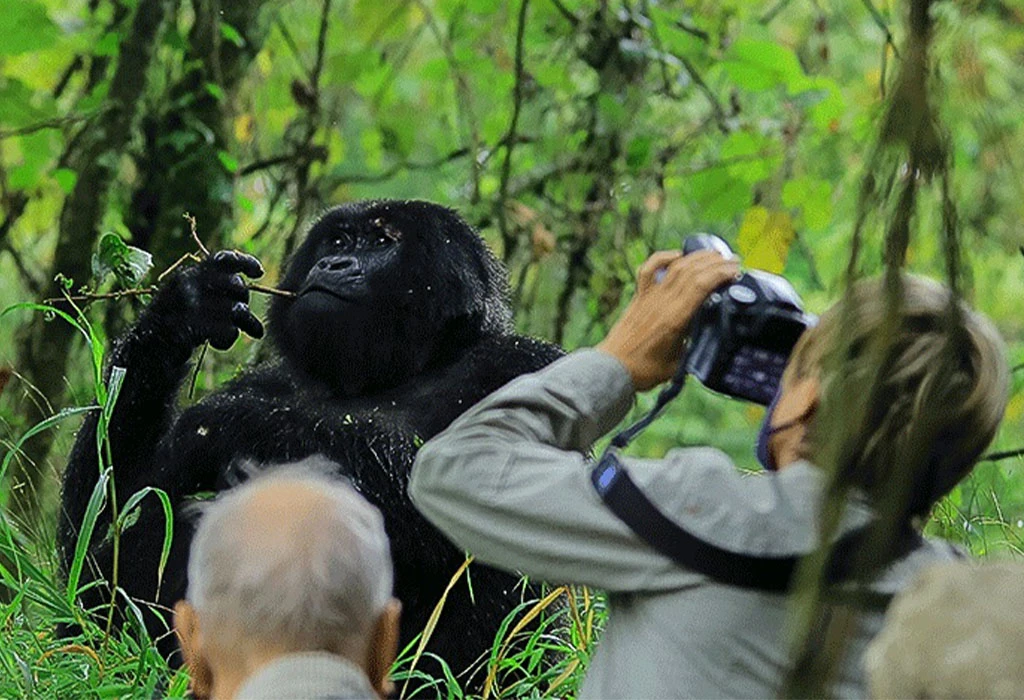
The most important rule involves maintaining an appropriate distance. Visitors should remain approximately 7 to 10 meters away from the gorillas whenever possible. This distance significantly reduces the risk of transmitting human diseases to gorillas, whose immune systems remain vulnerable to many common illnesses.
If a curious gorilla approaches you, resist the temptation to move closer or reach out. Instead, remain calm, stay still, and allow your guide to manage the situation. Gorillas often lose interest quickly and continue their normal activities.
Equally important, avoid making direct eye contact with the silverback. Among gorillas, prolonged staring may appear confrontational. Instead, lower your gaze slightly to demonstrate that you pose no threat.
These simple actions communicate respect and help maintain a peaceful atmosphere throughout the encounter.
The Importance of Staying Quiet and Calm
Silence plays a vital role during gorilla trekking.
Loud conversations, shouting, or sudden noises may alarm the gorillas or prompt the silverback to become more protective of his family. Speaking quietly allows the animals to continue behaving naturally while creating a more intimate wildlife experience for everyone.
Similarly, avoid sudden movements whenever possible. If you need to reposition yourself for a photograph, move slowly and wait for your guide’s approval. Slow, predictable movements help reassure the gorillas that you present no danger.
When visitors remain quiet and patient, gorillas often ignore their presence completely. As a result, you may witness mothers nursing infants, juveniles playing, adults feeding, or family members grooming one another without interruption.
These authentic moments create the unforgettable memories that make gorilla trekking so rewarding.
Why Following Trekking Rules Matters
Every gorilla trekking rule exists for a reason. These guidelines protect endangered gorillas while preserving the quality of the visitor experience.
Because humans and gorillas share nearly identical genetic makeup, diseases that seem minor to people can become life-threatening for gorillas. Even a common cold can spread quickly through a gorilla family.
For this reason, visitors who feel unwell should postpone their trek rather than risk infecting the animals. Responsible tourism always prioritizes wildlife welfare above personal convenience.
Additionally, limiting visitor numbers and keeping encounters to one hour minimizes stress on the gorillas while allowing them to continue their natural routines.
By respecting these regulations, every traveler contributes directly to long-term conservation efforts.
Gorilla Behavior and Conservation
Our understanding of mountain gorillas has grown tremendously over the past several decades. Much of this knowledge stems from years of scientific research and dedicated conservation work in the Virunga Mountains and Bwindi Impenetrable National Park.
Researchers have documented the complex social lives, emotional intelligence, communication methods, and family relationships that define mountain gorilla society. Their discoveries transformed public perceptions, replacing outdated myths with appreciation for these remarkable animals.
Today, gorilla tourism plays a significant role in protecting mountain gorillas. Revenue generated through permits supports national parks, ranger patrols, veterinary care, community development, and habitat protection.
When you participate in a responsibly managed gorilla trek, you directly contribute to safeguarding one of the world’s most endangered primates.
Experience Gorilla Trekking Responsibly with Experiya Tour Company
A gorilla trek offers much more than the chance to photograph wildlife. It provides a rare opportunity to observe intelligent animals living freely in one of Africa’s oldest rainforests. Understanding gorilla behavior allows you to appreciate every interaction, from a mother’s gentle care for her infant to the quiet confidence of a watchful silverback.
At Experiya Tour Company, we design unforgettable gorilla trekking safaris in Uganda, Rwanda, and the Democratic Republic of Congo while promoting responsible tourism and wildlife conservation. Our experienced guides prepare you thoroughly before each trek, ensuring you enjoy a safe, respectful, and deeply rewarding encounter with these magnificent gentle giants.
If you are ready to witness mountain gorillas in their natural habitat, contact Experiya Tour Company today. We will help you plan an unforgettable gorilla trekking adventure that supports conservation while creating memories to last a lifetime.