Is Bwindi impenetrable national park safe for tourist walks?
May 4, 2026
Top Birding Spots in Rwanda’s Forests and Wetlands
May 4, 2026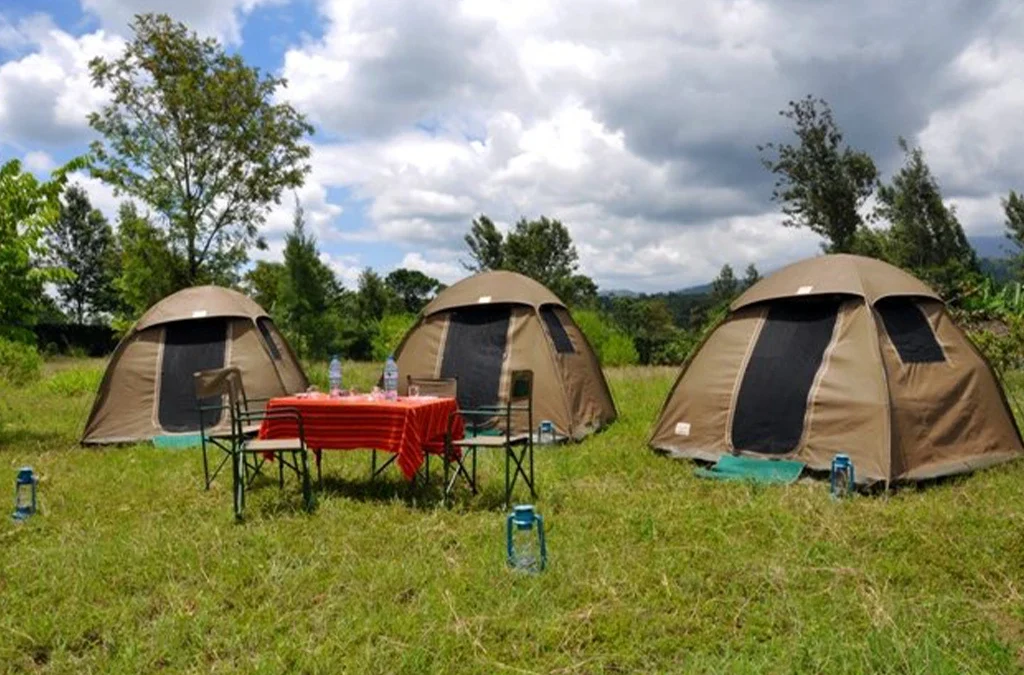
Bush camping in Uganda’s savannah parks is not just another safari activity it is a deeply immersive way to experience the wild. Instead of observing nature from a distance, you step directly into it. You sleep under open African skies, wake to the soft movement of wildlife, and listen as the night comes alive with distant roars and rustling grasses.
I have found that nothing compares to the feeling of being surrounded by raw wilderness with no walls, no barriers, and no distractions. This guide walks you through what bush camping truly feels like, how it works, where to go, and what you should expect when you choose this extraordinary adventure.
What Bush Camping Really Means
Bush camping in Uganda involves setting up camp in designated wilderness zones inside national parks. These are not the typical developed campsites with permanent facilities. Instead, they are remote, open spaces where nature remains untouched.
When I first experienced bush camping, the simplicity struck me the most. We set up our tents on open ground, cooked meals over a small setup, and relied entirely on what we carried. There was something grounding about living with only the essentials. You quickly realize that comfort shifts from luxury to presence fresh air, silence, and space become enough.
In the morning, I unzipped my tent to golden sunlight stretching across the savannah. Antelopes grazed nearby, and birds filled the air with sound. At night, the wilderness transformed. Hyenas called in the distance, insects hummed, and occasionally, a lion’s roar rolled across the plains. It felt both humbling and unforgettable.
Why Bush Camping Feels Different
Bush camping stands apart because it removes the separation between you and the wild. You are no longer a visitor passing through you become part of the environment, even if only for a short time.
What makes it powerful is the uninterrupted connection to nature. You see how animals behave when no vehicles are around. You notice the subtle changes in light, temperature, and sound. Gradually, your senses sharpen.
At first, the silence may feel unfamiliar. However, as the hours pass, it becomes something you appreciate. You start to notice every detail the wind brushing through grass, distant hooves moving, or a sudden stillness that signals something nearby.
This kind of experience slows you down. It encourages awareness and creates a deeper respect for the natural world.
Where to Go for Bush Camping in Uganda
Uganda offers several savannah parks where bush camping is possible, and each one feels completely different.
Queen Elizabeth National Park provides a mix of landscapes, from open plains to crater lakes and acacia woodlands. I remember camping near Kasenyi, where wildlife moved freely across the horizon. At night, lions roared from afar, adding a thrilling edge to the experience. The park feels alive at all hours.
Murchison Falls National Park combines dramatic scenery with abundant wildlife. Camping near the river brings a completely different atmosphere. You hear hippos grunting in the water and wake up to birds calling at sunrise. In the distance, the sound of the falls creates a constant, calming presence that never fades.
Kidepo Valley National Park feels remote in a way that few places do. The journey there already prepares you for something special. Once you arrive, the vastness of the landscape becomes overwhelming in the best way. I found the silence here deeper, the skies wider, and the wildlife more raw. It is the kind of place that stays with you long after you leave.
Lake Mburo National Park offers a gentler introduction. Without lions, the environment feels less intense, which can be ideal if you are new to bush camping. Zebras and antelopes roam freely, and the atmosphere feels calm yet still authentic.
Preparing for the Experience
Preparation shapes your entire bush camping experience. While Experiya Tour Company can organize the logistics, understanding what goes into it helps you feel more confident.
When I prepared for my first trip, I focused on keeping things simple but practical. A reliable tent, comfortable sleeping gear, enough water, and basic cooking equipment made all the difference. Even small details like a good headlamp or warm clothing for early mornings became essential.
You also need to think ahead about meals, water use, and waste management. Since these areas remain untouched, every action matters. The goal is to leave no trace while still enjoying the experience fully.
Safety and the Role of Rangers
Safety plays a central role in bush camping, and Uganda Wildlife Authority ensures that every group has an armed ranger. Their presence allows you to relax while still respecting the unpredictability of the wild.
During my time in the bush, the ranger became both a guide and a source of reassurance. They understood animal behavior, tracked movements, and gave clear instructions when needed. Following their guidance is not optional it is essential.
At night, simple habits make a big difference. Staying within camp, using a torch, and keeping food secure all help reduce risk. Over time, these routines become second nature.
The Atmosphere You Will Never Forget
What stays with you most after bush camping is not just what you see, but what you feel.
The sky, for example, looks completely different without artificial light. Stars stretch endlessly, and the Milky Way becomes visible in a way that feels almost unreal. I remember lying awake for a while, simply watching the sky, listening to the sounds of the savannah.
Then morning arrives quietly. Light spreads slowly across the land, and the world begins to move again. Birds call, animals graze, and the air feels fresh and alive. Each sunrise feels like a new beginning.
These moments are difficult to describe fully because they are deeply personal. Everyone experiences them differently, but they always leave a lasting impression.
Activities That Complement Bush Camping
Bush camping works best when combined with other safari experiences. Early morning and evening game drives allow you to explore wider areas, while guided walks bring you closer to the smaller details of the ecosystem.
I found that even simple activities like sitting quietly at camp or watching animals from a distance added to the experience. Photography becomes more rewarding, especially during golden hours when the light transforms the landscape.
At night, listening becomes an activity on its own. Without distractions, every sound tells a story.
Permits and Practical Planning
Bush camping requires proper planning. You need permits from the Uganda Wildlife Authority, including park entry and ranger escort arrangements. Booking in advance is important, especially during peak seasons.
Working with Experiya Tour Company simplifies the process. They handle logistics, coordinate permits, and ensure everything runs smoothly, allowing you to focus entirely on the experience.
Weather, travel time, and vehicle reliability also play a role. Preparing for these factors helps avoid unnecessary stress and ensures a smoother journey.
Final Thoughts
Bush camping in Uganda’s savannah parks offers something rare and deeply meaningful. It strips away distractions and places you directly in the rhythm of nature. You experience the wild not as a spectator, but as a quiet participant.
Whether you find yourself in the remote valleys of Kidepo, the dramatic landscapes of Murchison Falls, the rich ecosystems of Queen Elizabeth, or the gentle plains of Lake Mburo, each location offers its own version of this experience.
In the end, bush camping is not just about where you go. It is about how you feel while you are there. It slows time, sharpens your senses, and leaves you with memories that feel vivid long after the journey ends.