How to Plan a Comfortable Gorilla Trekking Safari for the Elderly in Uganda and Rwanda
April 27, 2026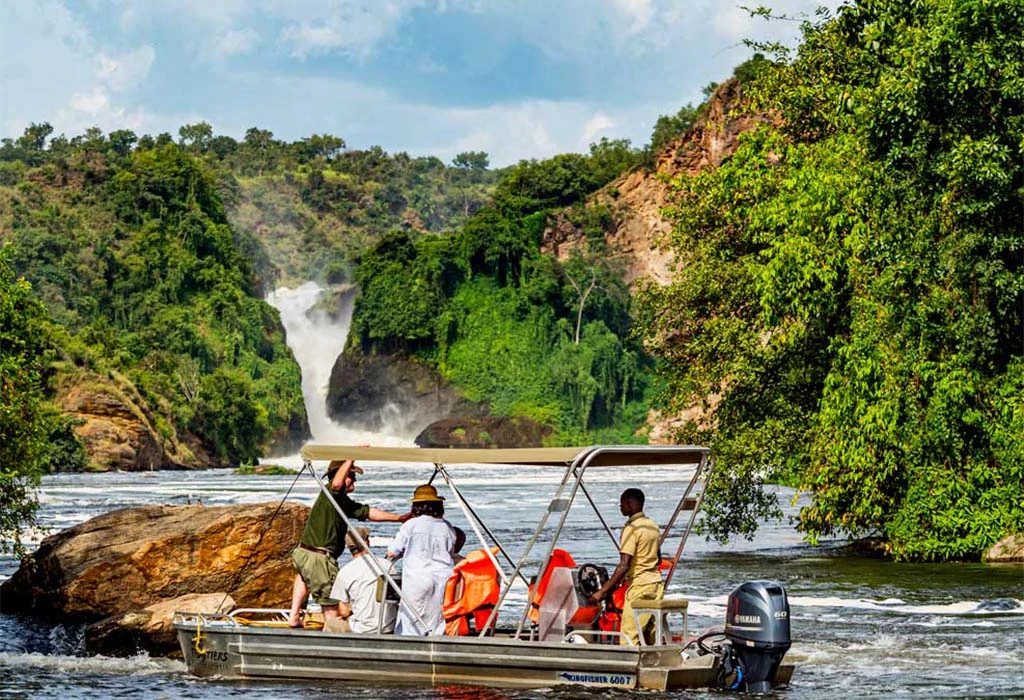
Waterfall Boat Cruise Safari on the Nile – Murchison Falls National Park
April 28, 2026
Walking safaris in Murchison Falls National Park offer a completely different way to experience Uganda’s most iconic wilderness. While many visitors explore the park on game drives or boat cruises, stepping out on foot changes everything. You slow down, you listen more carefully, and you begin to notice the small, intricate details that often go unseen from a vehicle. The crunch of dry leaves under your boots, the distant call of a hornbill, and the faint rustle of movement in the grass all become part of the experience.
I found that walking through this vast landscape brings a sense of connection that is difficult to replicate elsewhere. Instead of observing wildlife from a distance, you feel like a participant in the environment. Every step draws you deeper into the rhythm of the park. However, this intimacy comes with responsibility. Because Murchison Falls is home to large and potentially dangerous animals, all walking safaris take place under the guidance of trained Uganda Wildlife Authority rangers. Their presence not only ensures safety but also enriches the journey with knowledge about animal behavior, plants, and the ecosystem as a whole.
Whether you choose to hike to the top of the falls, wander through forest trails, or explore wetland habitats, each walking experience reveals a unique side of the park.
Hiking to the Top of Murchison Falls
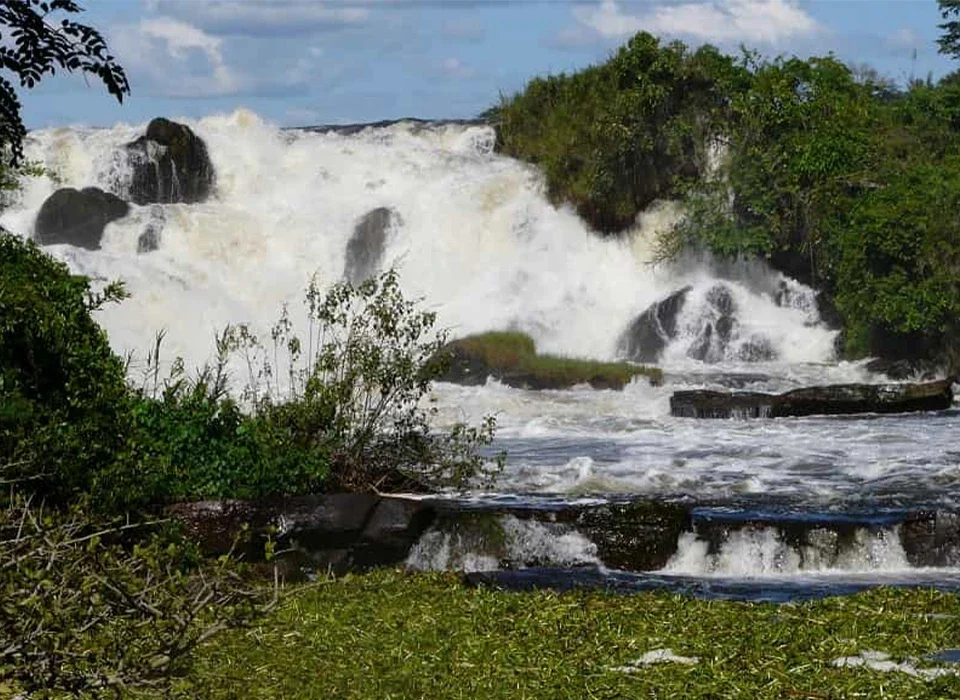
One of the most memorable walking experiences in the park is the hike to the top of Murchison Falls. This is not just a simple trail; it is a journey into the raw power of the Nile. The river flows calmly for miles, almost deceptively peaceful, before it suddenly narrows into a tight gorge only about seven to eight meters wide. Then, with incredible force, it plunges more than forty meters below, creating a roaring cascade that shakes the ground beneath your feet.
Most hikers begin this experience after a boat cruise upstream. The boat drops you off at Baker’s Point, and from there, the real adventure begins. The climb to the top usually takes around forty-five minutes, but it never feels rushed. Along the way, you stop frequently, not out of exhaustion, but because the views demand your attention. Mist rises from the falls and cools the air, while sunlight often forms rainbows that dance above the crashing water.
As I made my way up, I noticed how the sound of the falls grew louder with every step, building anticipation. By the time you reach the summit, the scene feels almost surreal. You stand just meters away from one of the most powerful natural spectacles in Africa, watching the Nile force its way through the narrow rock gap. It is both humbling and exhilarating. At the top, vehicles usually wait to transfer you back, but many visitors linger, reluctant to leave such a dramatic viewpoint.
Exploring Forest Trails on Foot
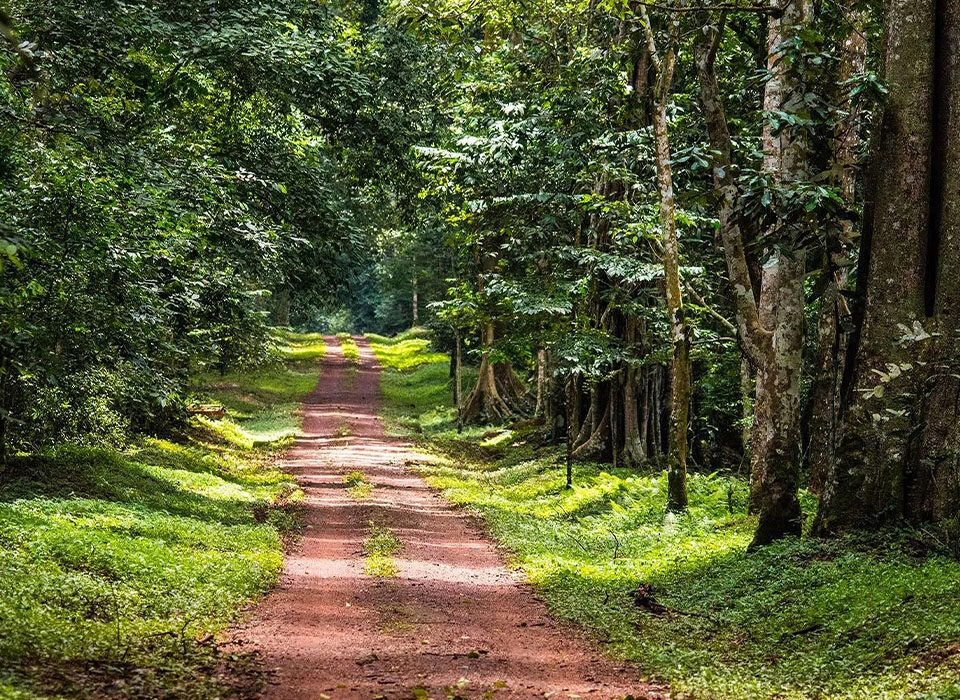
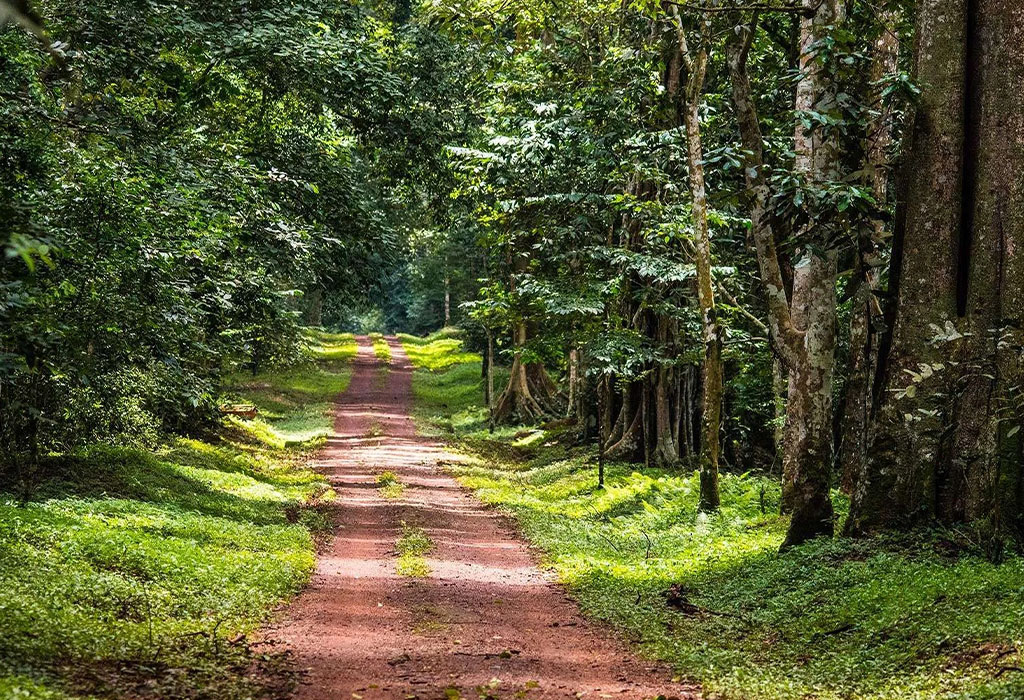
Beyond the open savannah and riverbanks, Murchison Falls National Park hides pockets of dense forest that feel like entirely different worlds. Walking through these areas offers a quieter, more reflective experience. The air is cooler, the light filters softly through the canopy, and the sounds shift from roaring water to gentle rustling leaves and bird calls.
Kaniyo Pabidi stands out as one of the most rewarding forest destinations. Located on the southern edge of the park, this forest is known for its towering mahogany and ironwood trees. As I walked beneath these giants, I felt dwarfed by their size and age. The forest floor is alive with activity, from insects and small mammals to a remarkable variety of birds. Even without tracking chimpanzees, which many visitors come here to do, the walk itself feels rich and engaging.
Bird enthusiasts, in particular, find this area fascinating. Species such as the chocolate-backed kingfisher and the white-thighed hornbill add bursts of color and sound to the forest. At the same time, primates move quietly through the canopy, often revealing themselves only through subtle movement or distant calls.
Rabongo Forest offers another unique experience. Although smaller, it feels like a hidden sanctuary surrounded by expansive grasslands. Walking here feels more intimate, almost like stepping into a secret corner of the park. Guides often point out medicinal plants, explain traditional uses, and highlight the relationships between different species. These insights transform the walk into more than just a scenic activity; it becomes an opportunity to understand the environment on a deeper level.
Discovering the Nile Delta on Foot
For those who love birds and wetland ecosystems, the Nile Delta near Lake Albert provides one of the most rewarding walking experiences in Murchison Falls National Park. This area feels completely different from both the savannah and the forest. The river spreads out into a network of channels, wetlands, and papyrus stands, creating a rich habitat for countless species.
Walking here requires patience and attentiveness. The terrain can be soft and marshy, and the pace is slower. However, this slower rhythm is exactly what makes the experience special. As you move quietly through the wetlands, you begin to notice subtle movements, ripples in the water, distant calls, and the occasional flutter of wings.
The highlight for many visitors is the chance to see the elusive shoebill stork. This prehistoric-looking bird is one of Africa’s most sought-after sightings, and the delta is one of the best places to find it. Guided walks, which typically last between two and four hours, increase the chances of spotting this remarkable species. Even when the shoebill remains hidden, the sheer diversity of birdlife ensures that the walk remains rewarding.
I remember how peaceful the delta felt compared to the thunderous falls. The stillness, broken only by natural sounds, created a sense of calm that lingered long after the walk ended.
Safety and Preparation for Walking Safaris
Walking in Murchison Falls National Park demands careful preparation and respect for the environment. Unlike other forms of safari, you are no longer separated from wildlife by a vehicle. This makes the guidance of a trained ranger essential. Rangers understand animal behavior, recognize signs of nearby wildlife, and know how to react in different situations. Their presence allows you to focus on the experience without unnecessary worry.
Timing also plays an important role. The dry seasons, from June to September and December to February, offer the best conditions for walking. Trails remain firmer, and movement becomes easier. During the rainy months, paths can become slippery and more challenging to navigate.
Proper gear makes a noticeable difference. I quickly realized the importance of sturdy walking shoes, especially on uneven or damp terrain. Lightweight, protective clothing helps guard against insects and sun exposure, while insect repellent adds an extra layer of comfort. Carrying enough drinking water is essential, particularly on longer walks, and a camera allows you to capture moments that words often cannot fully describe.
The weather in the park can change quickly, so packing a light rain jacket is always a wise decision. Even on a sunny morning, conditions can shift, especially near the falls where mist and spray are constant companions.
A Deeper Connection with the Wild
Walking safaris in Murchison Falls National Park offer more than just an activity; they create a deeper connection with the natural world. Instead of rushing from one sighting to another, you move at a human pace, allowing the environment to unfold gradually. You begin to notice patterns, relationships, and details that transform your understanding of the landscape.
Each step reveals something new, whether it is a fresh animal track, a unique plant, or the distant sound of wildlife. Over time, these small discoveries build into a richer, more meaningful experience. The park no longer feels like a place you are visiting; it begins to feel like a place you are part of, even if only briefly.
For travelers seeking something beyond the traditional safari, walking in Murchison Falls National Park provides a refreshing and memorable alternative. It combines adventure, learning, and quiet reflection in a way that few other experiences can match. Long after you leave, the memories of those walks, the sounds, the sights, and the feeling of being immersed in nature remain vivid and unforgettable.