
Nshongi Gorilla Family in Bwindi Impenetrable National Park
June 12, 2026
What to Know About Karuma Falls
June 12, 2026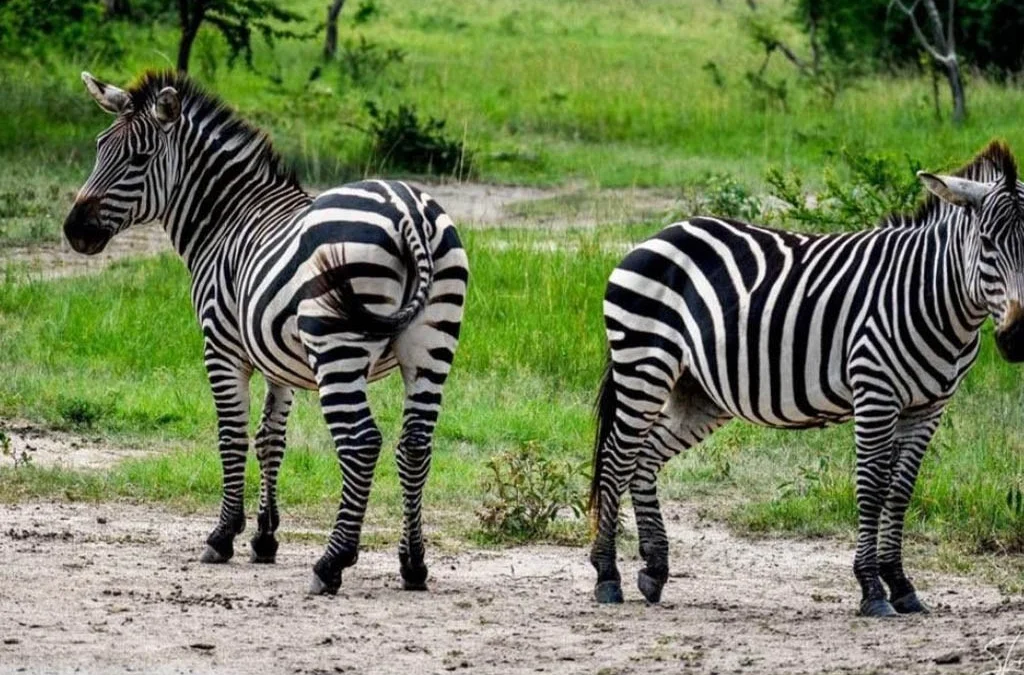
Uganda is one of Africa’s most rewarding safari destinations, offering travelers an incredible diversity of wildlife, landscapes, and cultural experiences. While the country is globally renowned for mountain gorilla trekking and chimpanzee encounters, it is also home to thriving populations of zebras. For visitors seeking to witness these striking animals in their natural habitat, Uganda provides excellent opportunities in some of its most scenic protected areas.
With their distinctive black-and-white stripes and fascinating social behavior, zebras rank among the most recognizable mammals on the African continent. Every zebra has a unique stripe pattern, much like a human fingerprint, making each individual truly one of a kind. Whether you are exploring the savannah plains of Lake Mburo National Park or venturing into the remote wilderness of Kidepo Valley National Park, encountering zebras is often one of the highlights of a Uganda safari.
At Experiya Tour Company, we regularly guide travelers to the best wildlife destinations across Uganda, ensuring memorable encounters with these beautiful animals and many other species.
Understanding the Social Life of Zebras
Before setting out to see zebras in Uganda, it helps to understand their fascinating social structure. Plains zebras, including the Burchell’s zebra found in Uganda, live in closely connected family groups known as harems. A typical harem consists of one dominant stallion, several mares, and their young offspring.
These family groups remain remarkably stable over long periods. The stallion protects the group from predators and rival males, while the mares work together to care for and protect their foals. Young males eventually leave their family groups and form bachelor herds, where they live with other males until they are strong enough to establish their own harems.
Female zebras usually carry their young for approximately 12 to 13 months before giving birth to a foal. Shortly after birth, the newborn can stand and walk, an essential survival adaptation in the African wilderness. Within a few days, the foal begins exploring its surroundings while remaining under the watchful eye of its mother.
What Do Zebras Eat?
Zebras are herbivores and spend much of their day feeding. Their primary diet consists of grasses, making them important grazers within Uganda’s savannah ecosystems. They often feed on tougher grasses that many other herbivores avoid.
Interestingly, zebras play a vital role in maintaining ecological balance. By consuming tall and coarse grass, they create favorable grazing conditions for other animals such as antelopes and buffaloes. During dry periods, when fresh grass becomes scarce, zebras adapt by feeding on leaves, bark, shrubs, stems, and other available vegetation.
Because of their constant need for food and water, zebras frequently move across open plains in search of suitable grazing grounds. This behavior often makes them relatively easy to spot during game drives.
Where to See Zebras in Uganda
Uganda offers several locations where visitors can observe zebras. However, two national parks stand out as the premier destinations: Lake Mburo National Park and Kidepo Valley National Park. Additionally, wildlife conservation centers near Kampala and Entebbe provide opportunities to see zebras in managed environments.
Lake Mburo National Park: Uganda’s Best Zebra Destination
Lake Mburo National Park is widely considered the best place to see zebras in Uganda. Located approximately four hours from Kampala, it is the country’s most accessible savannah national park and hosts the largest zebra population in Uganda.
The park’s rolling grasslands, acacia woodlands, and wetlands create ideal habitat conditions for Burchell’s zebras. Visitors often encounter large herds grazing peacefully alongside impalas, elands, buffaloes, and warthogs.
One of the unique features of Lake Mburo National Park is the opportunity to view wildlife on foot. Unlike many other national parks in East Africa, Lake Mburo offers guided walking safaris led by armed ranger guides. This allows visitors to approach zebras at a safe distance while enjoying a more intimate connection with nature.
In addition, game drives provide excellent opportunities for photography, particularly during the early morning and late afternoon when zebras are most active. The park’s relatively open terrain makes wildlife viewing both easy and rewarding.
For travelers with limited time in Uganda, Lake Mburo remains the most convenient and reliable destination for zebra sightings.
Kidepo Valley National Park: A Remote Wilderness Experience
For those seeking a more adventurous safari, Kidepo Valley National Park offers an unforgettable zebra-viewing experience. Situated in Uganda’s remote northeastern corner, Kidepo is often described as one of Africa’s most spectacular wilderness areas.
The park supports the second-largest population of zebras in Uganda and provides breathtaking scenery characterized by vast savannah plains, rugged mountains, and seasonal river systems. Zebras thrive throughout the park, particularly around the Narus Valley, where water and grazing opportunities attract large concentrations of wildlife.
Unlike some of Uganda’s more visited parks, Kidepo offers a sense of exclusivity and untouched beauty. Visitors can enjoy game drives with relatively few other vehicles, creating a truly authentic safari atmosphere.
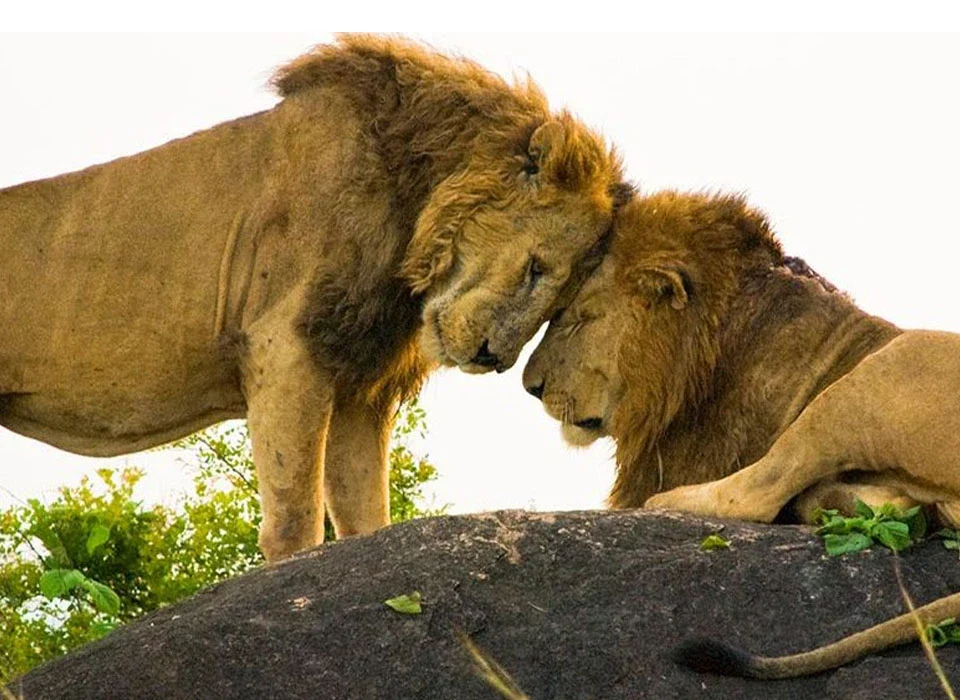
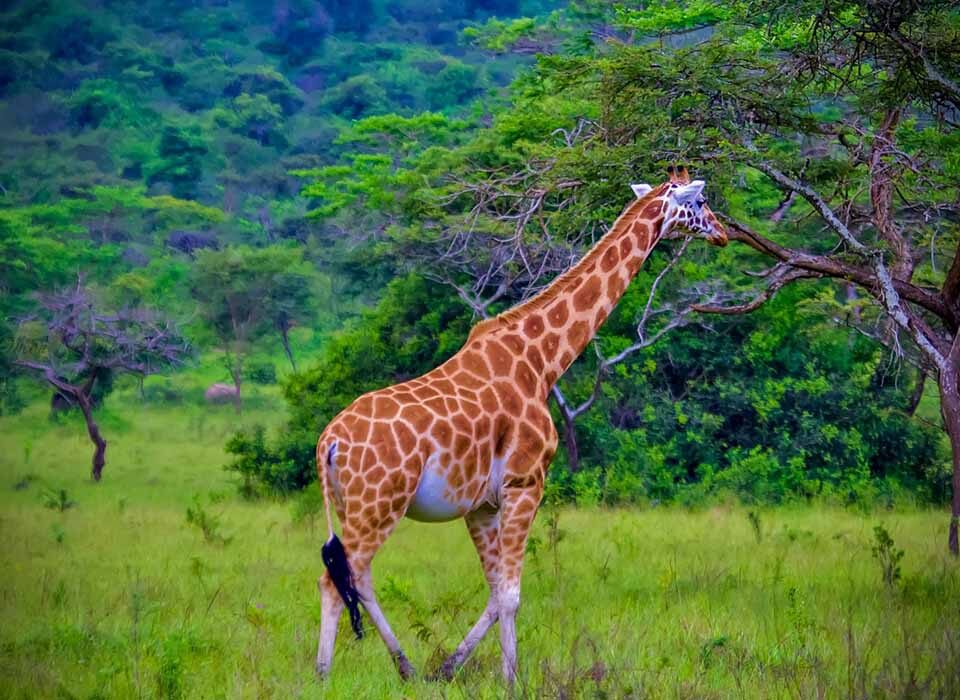
In addition to zebras, Kidepo is home to lions, elephants, cheetahs, leopards, giraffes, buffaloes, ostriches, and numerous antelope species. As a result, travelers often combine zebra viewing with exceptional opportunities for general wildlife photography and exploration.
Seeing Zebras at Wildlife Conservation Centers
Beyond Uganda’s national parks, visitors can also see zebras at selected wildlife conservation facilities.
The Uganda Wildlife Conservation Education Centre (UWEC), located in Entebbe, provides educational wildlife experiences and conservation programs. Here, visitors can observe zebras and learn about their behavior, ecology, and conservation challenges.
Similarly, the CTC Conservation Centre in Butambala District offers opportunities to encounter zebras and other wildlife species in a controlled environment. These facilities are ideal for travelers who may not have time to visit the national parks but still wish to see Uganda’s wildlife up close.
What Else Can You Discover on a Uganda Safari?
While zebras are undoubtedly fascinating, Uganda offers much more than savannah wildlife. The country is famous for hosting nearly half of the world’s remaining mountain gorilla population. Travelers can experience unforgettable gorilla trekking adventures in Bwindi Impenetrable National Park and Mgahinga Gorilla National Park.
Uganda also provides excellent opportunities to see chimpanzees in Kibale Forest National Park, Budongo Forest, Kalinzu Forest, and Kyambura Gorge. These intelligent primates share a remarkable genetic connection with humans, making every encounter both exciting and educational.
Furthermore, Uganda hosts the famous Big Five mammals: lions, leopards, elephants, buffaloes, and rhinos. Visitors can also encounter giraffes, numerous antelope species, crocodiles, hippos, and more than 1,000 bird species.
Combined with stunning landscapes that include mountains, lakes, waterfalls, and forests, Uganda offers one of Africa’s most diverse safari experiences.
The Best Time to Visit Uganda for Zebra Viewing
Timing your safari correctly can significantly enhance your chances of enjoying excellent zebra sightings. The best period to see zebras in Uganda falls during the dry seasons, which typically occur from June to September and from December to February.
During these months, vegetation becomes shorter, improving visibility across the savannah. Wildlife also concentrates around permanent water sources, making it easier for visitors to locate zebras and other animals.
Road conditions remain favorable during the dry season, allowing easier access to various sections of the national parks. Consequently, game drives become more comfortable and productive.
Although zebras can be seen throughout the year, the rainy seasons from March to May and October to November often bring taller vegetation and muddy roads, which can make wildlife viewing more challenging. Nevertheless, these months still offer rewarding experiences for travelers who prefer fewer crowds and lush green scenery.
Conclusion
For anyone wondering where to spot zebras in Uganda, Lake Mburo National Park and Kidepo Valley National Park remain the top destinations. Lake Mburo offers the largest zebra population and easy accessibility, while Kidepo provides a remote and breathtaking wilderness experience. Conservation centers such as the Uganda Wildlife Conservation Education Centre and CTC Conservation Centre also offer additional opportunities to see these remarkable animals.
Whether you are planning your first safari or returning to explore more of East Africa, zebra encounters add excitement and beauty to any wildlife adventure. With expert planning and guidance from Experiya Tour Company, you can enjoy unforgettable zebra sightings alongside Uganda’s incredible array of wildlife, landscapes, and cultural treasures.