
Bush Camping in Uganda’s Savannah Parks
May 4, 2026
Women Best Tourism in Uganda
May 4, 2026
Rwanda may be small in size, but it delivers one of Africa’s most rewarding birding experiences. I quickly realized this while exploring its varied landscapes, where dense montane forests, papyrus wetlands, open lakeshores, and rolling hills all sit within relatively short driving distances. With over 700 recorded bird species, including Albertine Rift endemics and rare wetland specialists, the country offers both diversity and accessibility in a way few destinations can match.
As I moved from one habitat to another, what stood out most was how seamlessly Rwanda blends conservation with tourism. Well-maintained trails, protected ecosystems, and easy logistics make birding here feel both immersive and manageable. Whether you are an experienced birder or just beginning, Rwanda provides a deeply engaging journey through sound, color, and movement.
Nyungwe National Park: A Montane Birding Stronghold
Nyungwe National Park remains the heartbeat of forest birding in Rwanda. Walking beneath its towering canopy, I found myself surrounded by layers of life, from the forest floor to the treetops. The park stretches across more than 1,000 square kilometers, and its mix of bamboo zones, swampy valleys, and ridgelines creates ideal conditions for a wide range of species.
What makes Nyungwe exceptional is its concentration of Albertine Rift endemics. As I followed trails like Bigugu and Kamiranzovu, I encountered species such as the Rwenzori Turaco, Regal Sunbird, and Red-collared Mountain Babbler. The forest feels alive with constant calls, and each step reveals something new. The canopy walkway, in particular, offers a different perspective, allowing you to observe birds moving through the upper forest layers.
In addition, the cool climate and well-marked trails make it possible to bird comfortably throughout the day. Nyungwe does not just offer sightings; it delivers a full sensory experience that stays with you long after you leave.
Volcanoes National Park: High-Altitude Birding with Dramatic Views
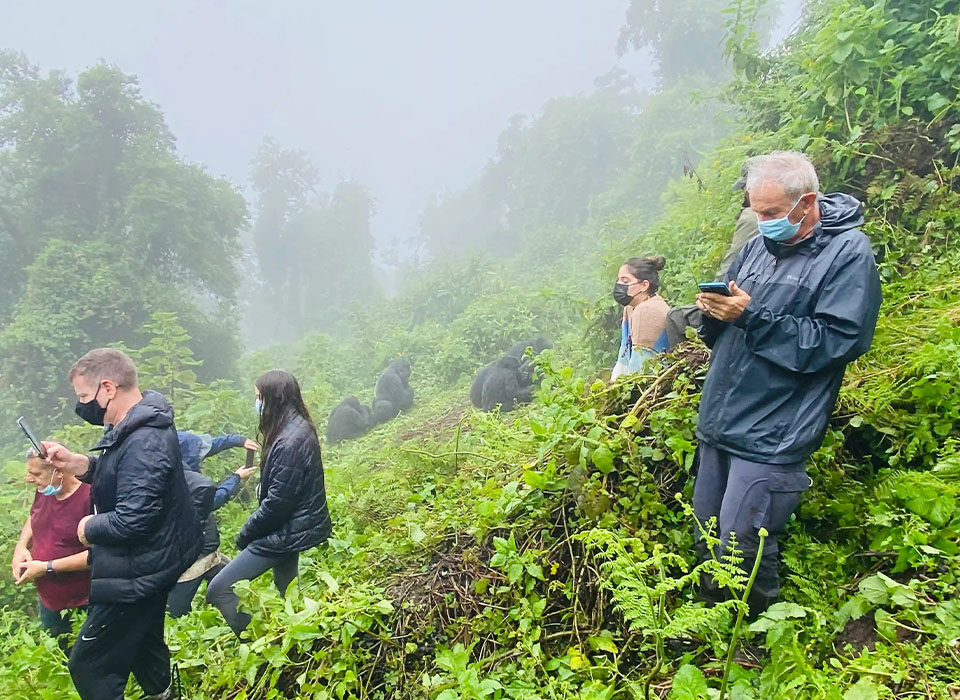
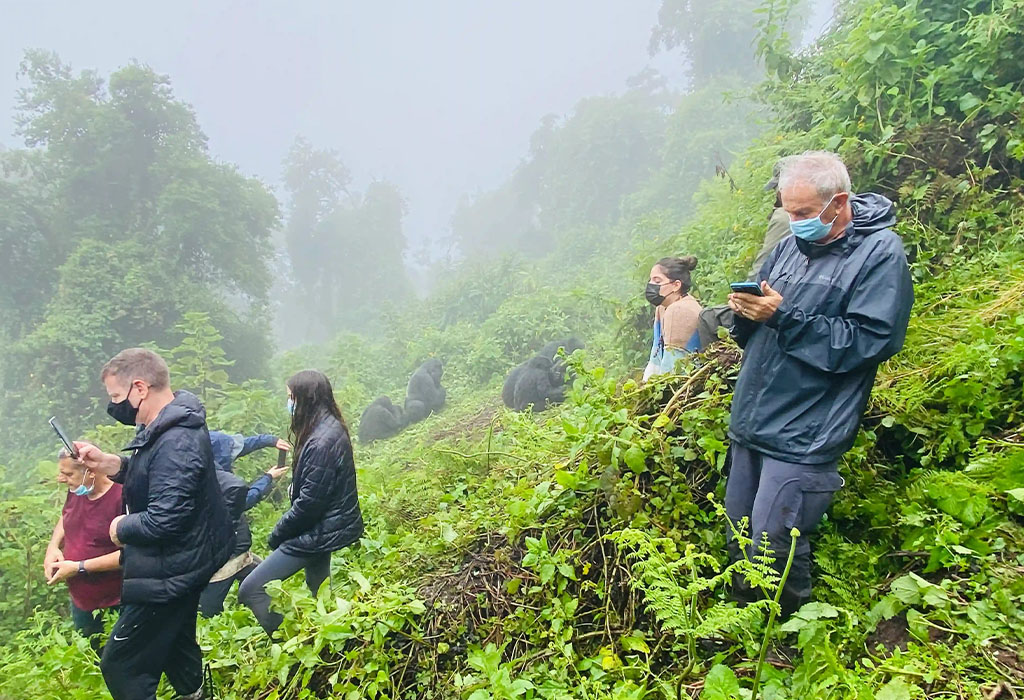
While many travelers visit Volcanoes National Park for gorilla trekking, I discovered that its birdlife deserves equal attention. The park’s mist-covered slopes and bamboo forests create a striking setting, and early mornings here are especially productive.
As I moved along the forest edges, I noticed how altitude shapes the birdlife. Species such as the Dusky Crimsonwing and Archer’s Robin-Chat thrive in these cooler environments, while sunbirds flash through the vegetation in bursts of color. The varied terrain allows you to encounter different species within a relatively short distance, which keeps the experience dynamic.
Moreover, the proximity to Kigali makes Volcanoes an easy addition to any itinerary. With Experiya Tour Company, combining primate trekking and birding here feels natural rather than rushed, giving you time to appreciate both.
Akagera National Park: Wetlands and Waterbirds in Abundance
In contrast to Rwanda’s forests, Akagera National Park opens up into wide savannahs and expansive wetlands. I found this shift refreshing, as it introduces a completely different birding environment. The lakes, especially Lake Ihema, attract an impressive range of waterbirds and papyrus specialists.
Boat safaris here stand out as one of the most rewarding experiences. Gliding across the water, I observed African Fish Eagles perched above the shoreline while jacanas walked effortlessly across floating vegetation. With patience, it is also possible to spot the elusive Shoebill, a highlight for many birders.
Akagera’s open landscapes make bird identification easier, and the sheer number of species ensures constant activity. It is a place where you can slow down, scan the horizon, and enjoy uninterrupted views of birds in their natural habitats.
Rugezi Marsh: Quiet Wetlands with Rare Species
Rugezi Marsh offers a completely different pace. Located in Rwanda’s northern highlands, this Ramsar-listed wetland feels calm and undisturbed. As I spent time here, I appreciated the simplicity of birding in open marshland, where visibility allows for longer and more focused observation.
The marsh supports species such as the Grey Crowned Crane and Grauer’s Swamp Warbler, both of which are a delight to encounter. Because the area receives fewer visitors, the experience feels more personal. There are no crowds, no distractions just the quiet rhythm of nature.
This sense of stillness makes Rugezi particularly appealing if you enjoy birding without interruption. It is a place where patience pays off and subtle movements reveal hidden species.
Gishwati–Mukura National Park: A Regenerating Forest Gem
Gishwati–Mukura National Park may be smaller than Nyungwe, but it offers a unique and intimate birding experience. As I explored its trails, I noticed how the regenerating forest creates opportunities to observe species moving between different vegetation zones.
The park supports several Albertine Rift endemics, including the Ruwenzori Batis and Red-throated Alethe. Because the forest is less dense in some areas, visibility improves, making it easier to track birds as they move through the canopy.
What stands out most here is the sense of discovery. Gishwati–Mukura feels less explored, and that adds to its charm. With Experiya Tour Company, visiting this park becomes a chance to experience both conservation in action and rewarding birding in a peaceful setting.
Kigali and Surrounding Wetlands: Urban Birding Surprises
Kigali surprised me more than I expected. Despite being a capital city, it offers excellent birding opportunities within and around its green spaces. Locations such as Nyarutarama Lake, Nyabarongo Wetlands, and Umusambi Village provide easy access to a wide range of species.
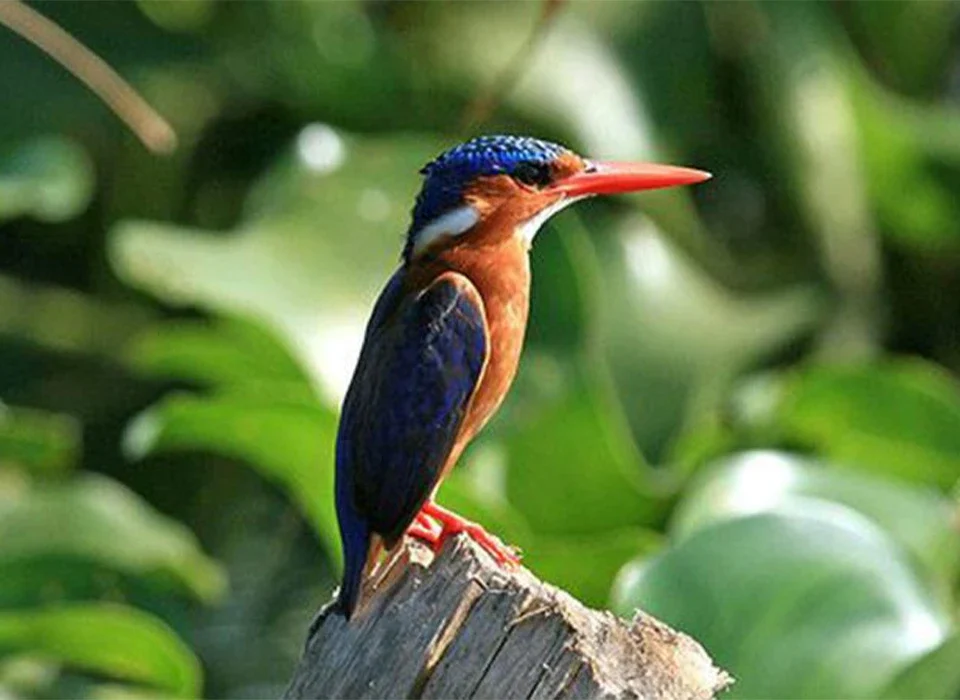
As I explored these areas, I encountered everything from kingfishers and weavers to Grey Crowned Cranes. Umusambi Village, in particular, stands out for its conservation work with rescued cranes, allowing close and responsible viewing.
Urban birding here feels effortless. You can step out for a few hours and still enjoy meaningful sightings, which makes Kigali an ideal starting or ending point for a birding journey.
Lake Kivu: Relaxed Birding Along Scenic Shores
Lake Kivu offers a more relaxed approach to birding. Its shores stretch across several towns, and each section presents a mix of waterbirds and forest-edge species. As I spent time along the lake, I noticed how the combination of farmland, rocky outcrops, and vegetation creates diverse habitats.
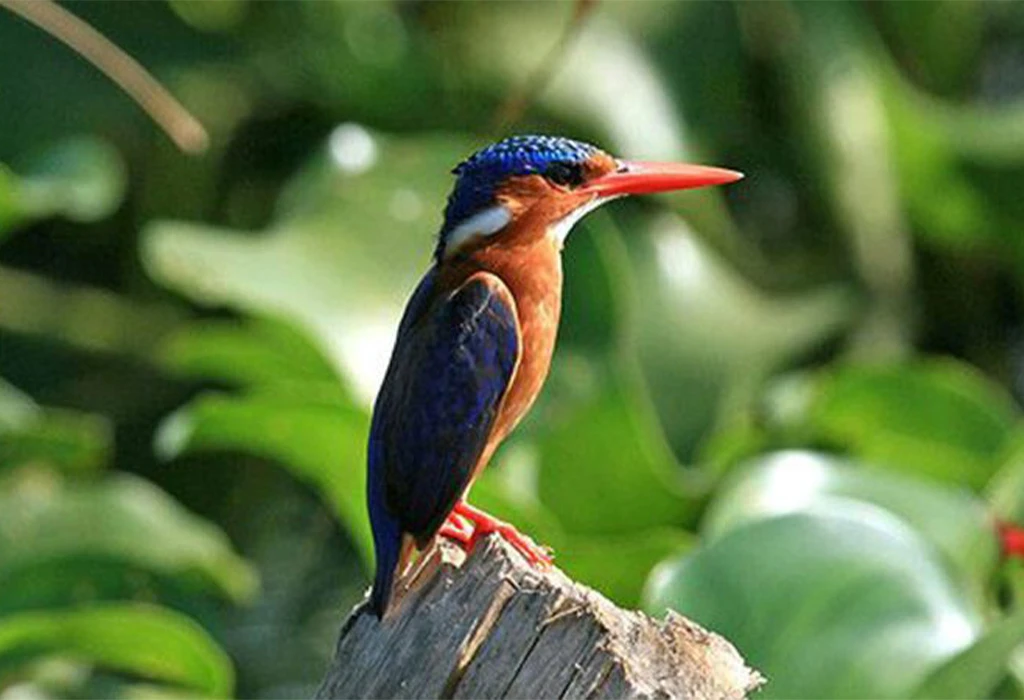
Species such as Pied Kingfishers and Yellow-backed Weavers appear frequently, and the calm atmosphere allows you to enjoy birding at your own pace. Lake Kivu works particularly well as a transition between more intense birding locations, offering both rest and rewarding sightings.
Cyamudongo Forest: Small but Remarkable
Although Cyamudongo Forest covers a small area, it delivers surprisingly rich birdlife. I found it especially rewarding for targeted birding, as certain species here are easier to locate than in larger forests.
Walking through this compact forest, I encountered birds like the Blue-headed Sunbird and Ruwenzori Turaco. Because the area is manageable, you can explore it thoroughly within a short time. However, patience remains essential, as some species require careful observation.
Bugesera and Nyabarongo Wetlands: Papyrus Specialists and Open Views
Finally, the wetlands of Bugesera and Nyabarongo complete Rwanda’s birding circuit. These areas provide excellent opportunities to observe papyrus specialists and aquatic species in open environments.
As I moved through these wetlands, I noticed how the lakes and marshes attract a variety of birds, including African Pygmy Geese and jacanas. The accessibility of these locations makes them ideal for shorter excursions without compromising on quality.
A Complete Birding Experience in Rwanda
Rwanda brings together forests, wetlands, and lakes into one cohesive birding destination. From the dense canopies of Nyungwe to the open waters of Akagera and the quiet marshes of Rugezi, each location offers something distinct. At the same time, the country’s compact size allows you to experience all these habitats without long travel times.
With thoughtful planning through Experiya Tour Company, exploring these birding spots becomes both seamless and enriching. Every destination adds a new layer to the experience, whether you are searching for rare endemics or simply enjoying the presence of birds in their natural environment.
In the end, Rwanda does more than meet expectations. It invites you to slow down, observe closely, and connect with nature in a way that feels both personal and unforgettable.