What Activities Are Included in Batwa Cultural Tours?
May 30, 2026
What Can Tourists Experience in Budongo Forest?
May 30, 2026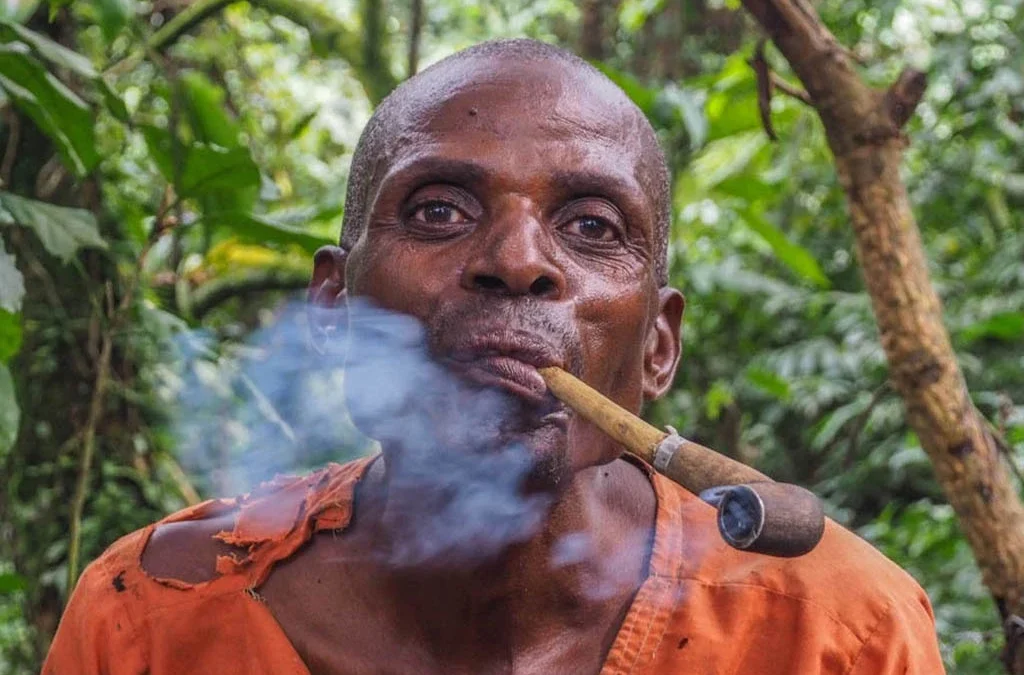
The Batwa people of Bwindi and Mgahinga are among the oldest indigenous communities in East Africa. Often described as the original forest dwellers of the Great Lakes region, the Batwa lived for centuries within the ancient rainforests surrounding Bwindi Impenetrable National Park and Mgahinga Gorilla National Park. Long before conservation boundaries were introduced, the Batwa depended entirely on the forest for survival, spirituality, medicine, and cultural identity.
Today, travelers exploring Uganda and Rwanda increasingly seek experiences that go beyond wildlife encounters. A visit to the Batwa communities offers a rare opportunity to connect with living history while discovering the traditions, resilience, and cultural heritage of one of Africa’s most fascinating indigenous groups. Through carefully guided cultural experiences organized by Experiya Tour Company, visitors gain meaningful insight into the Batwa way of life while supporting sustainable community tourism initiatives.
The Ancient Forest Life of the Batwa People
For generations, the Batwa lived as hunter-gatherers deep within the forests of Bwindi and Mgahinga. Their survival depended on an intimate understanding of nature and the rainforest ecosystem. Unlike agricultural communities that settled permanently in villages, the Batwa traditionally lived a semi-nomadic lifestyle, moving through the forest as they searched for food, medicinal plants, and safe shelter.
The forest provided everything they needed. Men hunted small animals using bows, arrows, and traps, while women gathered wild fruits, roots, mushrooms, and honey. They also collected medicinal herbs and plants used to treat illnesses and injuries. This deep knowledge of the rainforest developed over centuries and became a central part of Batwa identity.
In addition, the Batwa built temporary shelters using branches, grass, leaves, and other natural materials found within the forest. Their homes blended naturally into the environment, reflecting a lifestyle built around harmony with nature rather than dominance over it.
Spiritual beliefs also shaped daily life. The Batwa considered the forest sacred and believed ancestral spirits lived within the trees, caves, and mountains. Ceremonies, songs, and rituals connected the community to nature and reinforced respect for the environment. Even today, many elders continue sharing stories about the spiritual importance of the forest with younger generations and visitors.
The Impact of Conservation on the Batwa Community
The creation of Bwindi Impenetrable National Park and Mgahinga Gorilla National Park brought major changes to the Batwa people. In the early 1990s, governments established these protected areas to conserve endangered mountain gorillas and preserve biodiversity. As a result, the Batwa were relocated from the forests they had called home for centuries.
Although conservation efforts helped protect wildlife and promote tourism, the displacement created significant social and economic challenges for the Batwa community. Suddenly, families who had depended entirely on forest resources had to adapt to a completely different way of life outside the rainforest.
Without land ownership, formal education, or farming experience, many Batwa families faced poverty and social marginalization. However, despite these hardships, the community has worked hard to preserve its traditions, language, music, and cultural identity.
Today, cultural tourism plays an important role in supporting Batwa livelihoods. Visitors who participate in Batwa experiences help create employment opportunities, support local education projects, and contribute to cultural preservation programs. Experiya Tour Company works closely with local communities to ensure tourism benefits the Batwa directly while promoting respectful and ethical cultural interactions.
Experiencing Batwa Culture During a Safari
A Batwa cultural tour offers far more than a simple village visit. Instead, it provides an immersive journey into the traditions, stories, and daily experiences of one of Africa’s oldest indigenous communities.
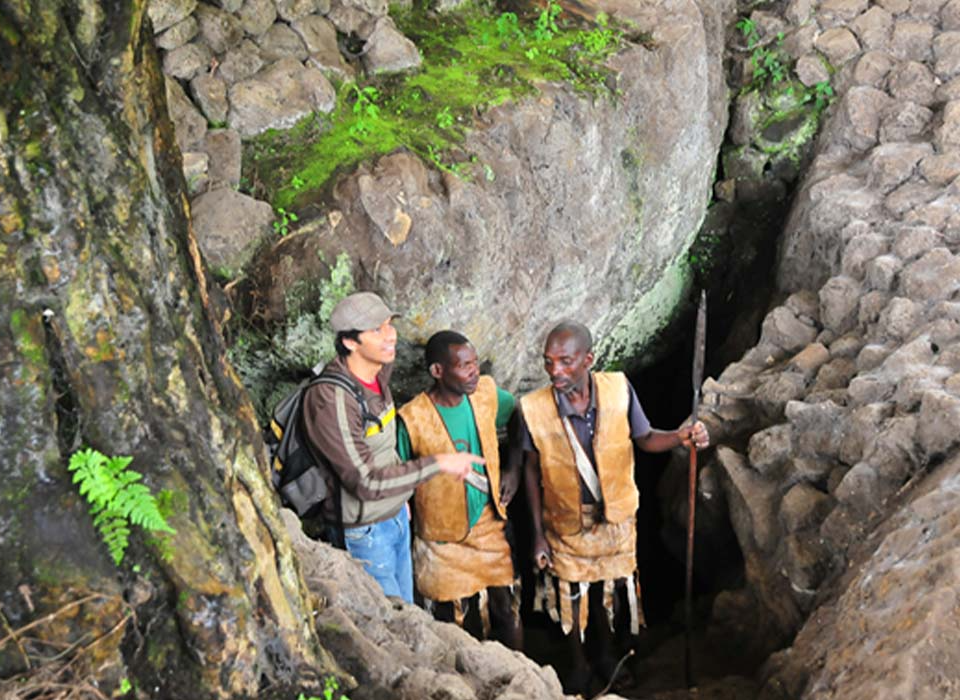
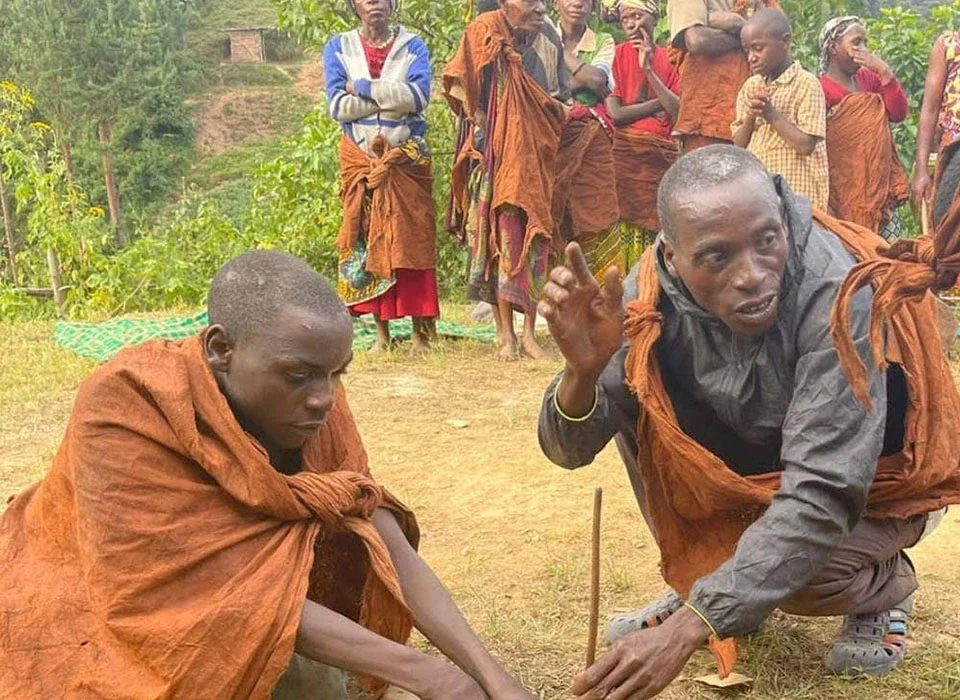
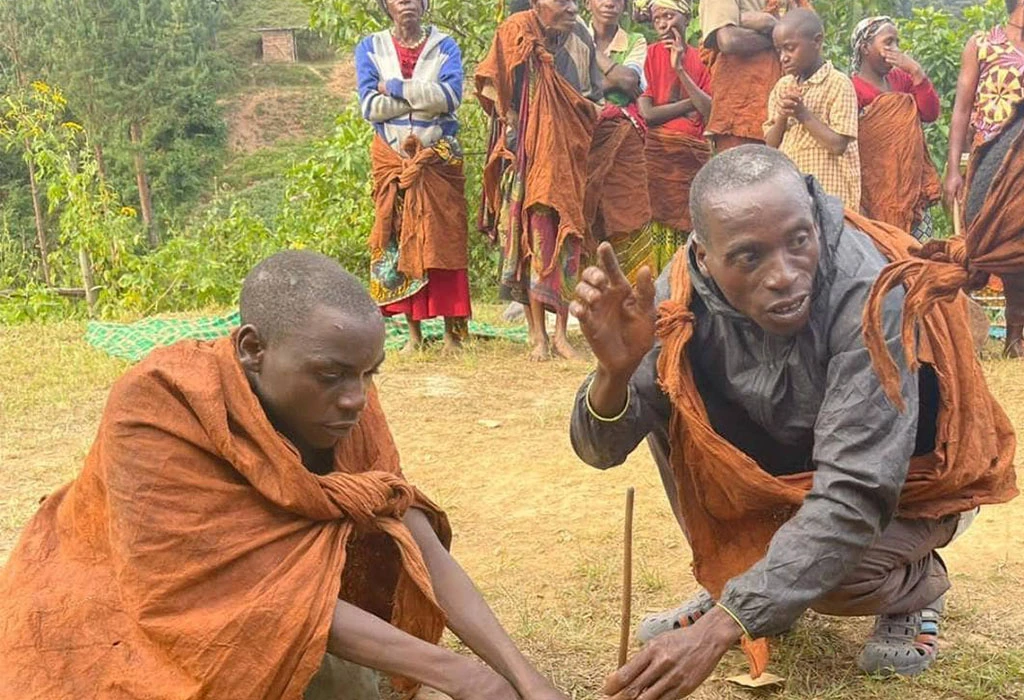
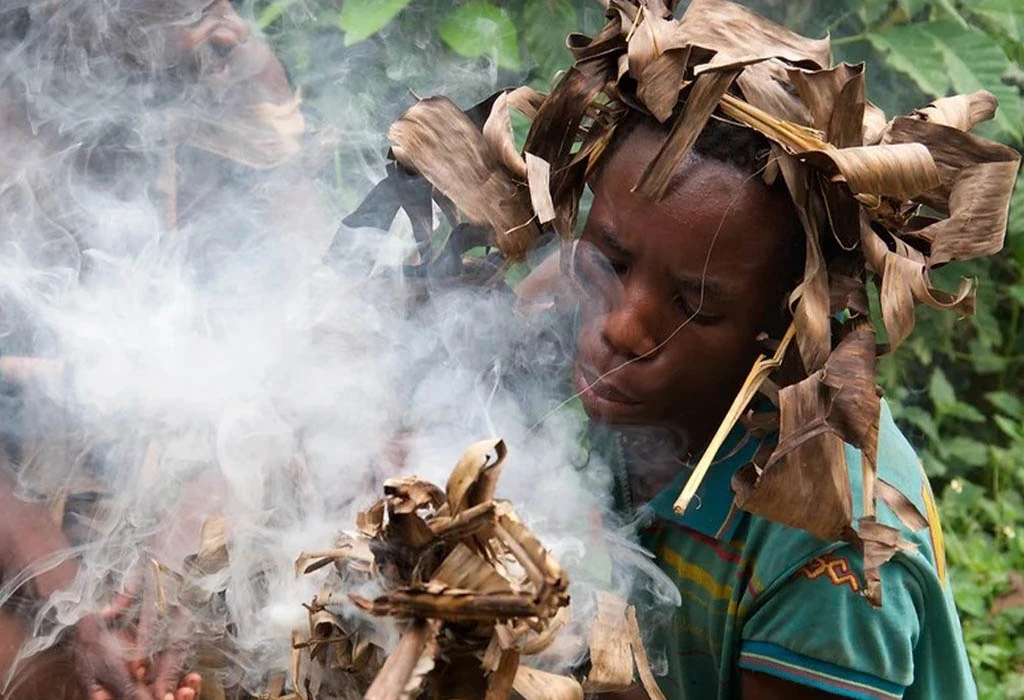
During guided experiences around Bwindi and Mgahinga, Batwa guides often lead visitors through forest trails while demonstrating ancient survival techniques. Travelers learn how the Batwa hunted small animals, gathered edible plants, collected honey, and made traditional fire using local materials. These demonstrations reveal the remarkable skills that allowed the community to survive within dense rainforest environments for generations.
Storytelling also forms a central part of the experience. Community elders share oral histories, legends, and traditional beliefs that have passed from one generation to another for centuries. Their stories preserve memories of life inside the forest while teaching visitors about Batwa spirituality, family structures, and cultural customs.
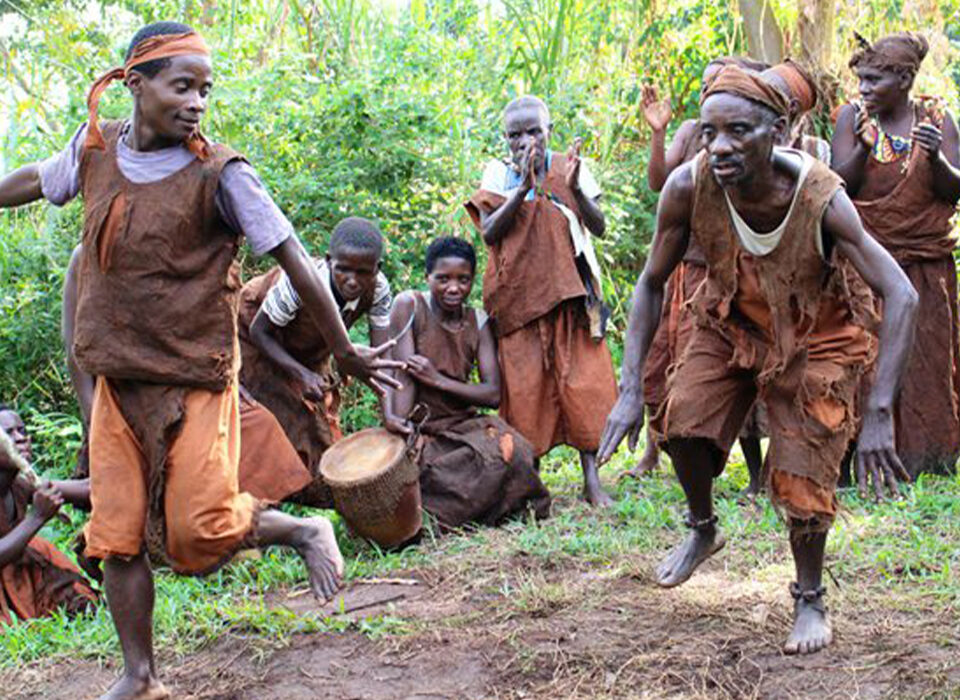
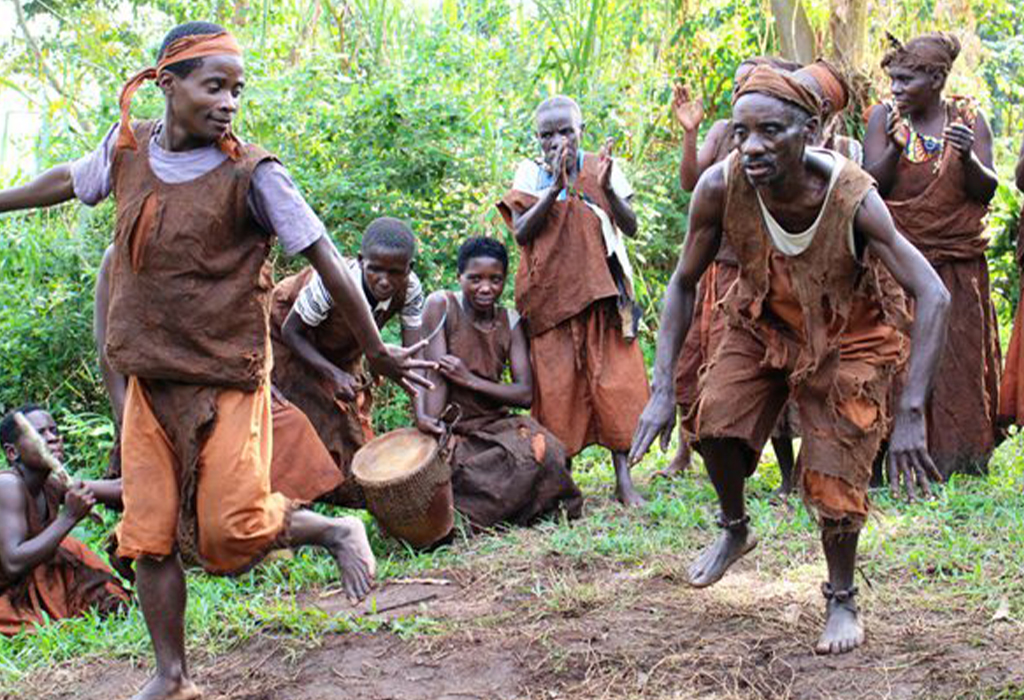
In many communities, visitors also participate in traditional music and dance performances. Energetic drumming, singing, and dancing celebrate important cultural events, hunting traditions, and community ceremonies. These performances create emotional and memorable moments while helping preserve Batwa artistic heritage for future generations.
Furthermore, guests often have opportunities to interact with local artisans who produce handmade baskets, crafts, musical instruments, and beadwork. Purchasing these products directly supports Batwa families and encourages the continuation of traditional craftsmanship.
Why Batwa Cultural Experiences Matter
Cultural tourism has become increasingly important in East Africa because modern travelers seek authentic human connections alongside wildlife adventures. While gorilla trekking remains a major attraction in Bwindi and Mgahinga, many visitors now appreciate the value of learning about the communities that historically lived alongside these forests.
Batwa cultural experiences help travelers understand the relationship between indigenous communities and conservation. They also encourage deeper appreciation for Africa’s cultural diversity and historical heritage.
Moreover, these experiences give the Batwa an opportunity to share their own stories in their own voices. Rather than being viewed only through the lens of history, the community actively participates in preserving and presenting its traditions to the world.
Responsible tourism also creates practical benefits. Income generated through cultural visits can support education, healthcare, housing, and community development projects. When managed ethically, tourism becomes a powerful tool for cultural preservation and economic empowerment.
Experiya Tour Company promotes community-based tourism that respects local traditions while creating positive and sustainable travel experiences for both visitors and host communities.
The Best Time to Visit the Batwa Communities
Travelers can visit Batwa communities throughout the year, although weather conditions may influence the overall experience. The dry seasons, which typically run from June to September and December to February, offer the most comfortable conditions for village walks, forest trails, and outdoor cultural activities. During these months, paths remain less slippery, making movement easier for visitors.
However, the rainy seasons from March to May and October to November also bring unique beauty to the region. The forests become greener, mist covers the hills, and the landscapes appear especially dramatic for photography. Although rainfall may occur, these quieter months often provide more personal and intimate cultural encounters with fewer tourists.
Regardless of the season, Batwa experiences remain rewarding because the focus centers on cultural exchange, storytelling, and human connection rather than weather conditions alone.
Why Choose Experiya Tour Company?
Experiya Tour Company specializes in creating meaningful East African travel experiences that combine wildlife, culture, adventure, and responsible tourism. Our carefully designed itineraries allow travelers to experience the rich heritage of the Batwa people while exploring the breathtaking landscapes of Bwindi and Mgahinga.
Our experienced guides provide valuable cultural and historical insights that transform ordinary tours into educational and inspiring journeys. In addition, we work closely with local communities to ensure tourism directly benefits the Batwa people through fair partnerships and sustainable practices.
We believe travel should create lasting memories while also supporting cultural preservation and community empowerment. Therefore, every Batwa cultural experience we organize emphasizes respect, authenticity, and meaningful interaction.
For travelers seeking more than a traditional safari, meeting the Batwa people offers an unforgettable opportunity to connect with one of Africa’s oldest living cultures. Their stories, traditions, resilience, and deep connection to nature continue to inspire visitors from around the world.
Through expertly guided journeys by Experiya Tour Company, travelers not only discover the beauty of Bwindi and Mgahinga but also gain a deeper understanding of the people whose lives have remained closely tied to these ancient forests for generations.