Bizenga River in Bwindi Forest
August 14, 2026
Why Visit Community Projects in Ruhija on Your Gorilla Trek?
August 15, 2026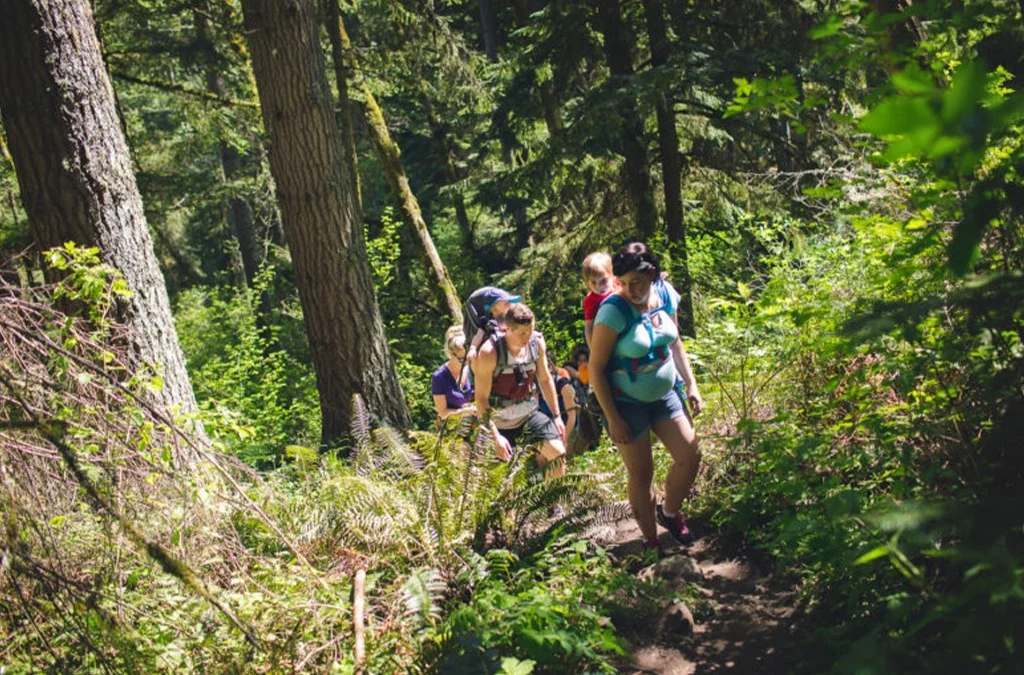
Pregnancy is a beautiful journey, but it also comes with important changes that can affect how you travel, exercise, and enjoy outdoor adventures. For women who love nature and exploring new destinations, pregnancy does not necessarily mean giving up every outdoor activity. In some circumstances, expectant mothers can continue enjoying gentle trekking, provided they take the right precautions and receive medical clearance.
Experiya Tour Company understands that every pregnancy is different. Therefore, before planning a trekking adventure while pregnant, it is important to consider your health, the stage of your pregnancy, the trail’s difficulty, and the availability of medical support. With careful planning, a suitable destination, and guidance from a qualified healthcare professional, some pregnant women may safely enjoy a relaxing experience in nature.
Consult Your Healthcare Professional First
The most important step before trekking during pregnancy is to speak with your doctor or midwife. Your healthcare provider understands your medical history and can determine whether physical activity is appropriate for you.
A healthy woman with an uncomplicated pregnancy may be able to continue moderate physical activity if she was already active before becoming pregnant. However, certain pregnancy complications may require you to avoid strenuous exercise or activities that involve difficult terrain.
For that reason, never rely solely on general travel advice. Instead, obtain professional medical guidance based on your individual circumstances. If your healthcare provider advises against trekking, take that recommendation seriously and choose a gentler holiday experience instead.
Consider the Stage of Your Pregnancy
The stage of pregnancy can significantly influence how comfortable and practical trekking will be.
During the first trimester, some women experience morning sickness, tiredness, dizziness, and reduced energy. Although others may feel perfectly well, these symptoms can make a long or demanding trek uncomfortable.
The second trimester is often more comfortable for many expectant mothers because early-pregnancy symptoms may improve and energy levels can increase. Nevertheless, comfort varies from one woman to another, so there is no universal period that is automatically safe for everyone.
As pregnancy progresses into the third trimester, balance, mobility, and stamina can change. The growing abdomen can also make steep trails, slippery paths, and long walks more difficult. Therefore, shorter and easier nature walks may be more appropriate than demanding mountain treks.
Choose an Easy and Suitable Trail
Once your healthcare provider approves physical activity, choose your trekking destination carefully. A pregnancy-friendly trek should not involve unnecessary physical risks.
Look for relatively flat, well-maintained trails with safe walking surfaces. Avoid routes that require climbing over rocks, crossing dangerous streams, navigating steep slopes, or walking along exposed edges.
Furthermore, consider the distance. A short nature walk with plenty of opportunities to rest may be far more suitable than an all-day trek. You should also check whether there are places to sit, access to drinking water, toilets, and reasonable access to transportation if you need to leave the trail.
The goal is not to prove how far you can walk. Instead, the goal should be to enjoy the environment comfortably and safely.
Avoid High-Altitude Trekking Without Medical Advice
Altitude deserves special attention during pregnancy. As altitude increases, oxygen availability decreases, and some destinations can expose travelers to altitude-related illness.
For this reason, pregnant travelers should discuss high-altitude trips with their healthcare provider before making arrangements. A demanding trek in a mountainous environment may not be appropriate, particularly if the destination is remote or far from medical facilities.
Instead, consider lower-altitude destinations with accessible accommodation and emergency services. This approach allows you to enjoy beautiful scenery without unnecessarily increasing the physical demands of your trip.
Keep the Pace Comfortable
Pregnancy is not the time to push yourself beyond your normal limits. If you receive medical approval to trek, maintain a comfortable pace and allow yourself plenty of time.
Take regular breaks, especially when walking in warm or humid conditions. You should be able to speak comfortably while walking rather than struggling to catch your breath.
Additionally, remember that your energy levels can change from one day to another. A distance that feels easy one morning may feel exhausting on another day. Listen to your body and adjust your plans accordingly.
There is no need to keep up with faster members of your travel group. Your safety and comfort should always come first.
Stay Hydrated and Eat Properly
Good hydration becomes particularly important when travelling during pregnancy. Carry sufficient drinking water and drink regularly rather than waiting until you become extremely thirsty.
You should also take nutritious snacks that are easy to carry. Fresh fruit, nuts, whole-grain snacks, or other suitable foods can help maintain your energy during a gentle trek.
Furthermore, avoid trekking when you are hungry, dehydrated, or already feeling unusually tired. Hot weather can increase fluid loss and fatigue, so consider walking during cooler parts of the day whenever possible.
Wear Comfortable Clothing and Footwear
The right clothing can make a major difference to your comfort. Choose loose, breathable clothing that accommodates your changing body and allows you to move easily.
Comfortable walking shoes with good grip are especially important because pregnancy can affect balance. Avoid footwear that is slippery, uncomfortable, or poorly fitted.
You may also want to consider sun protection, including a hat, sunscreen, and lightweight clothing that protects your skin. If you carry a backpack, keep it light and avoid unnecessary weight.
Trek With an Experienced Guide
If you decide to explore a natural destination during pregnancy, consider travelling with an experienced guide. A knowledgeable guide can help you choose an appropriate route, maintain a comfortable pace, and respond if you experience difficulties.
At Experiya Tour Company, responsible travel should always prioritize the well-being of travelers. Before booking a trek, communicate your pregnancy status and any recommendations from your healthcare provider. This information can help your tour operator suggest a more suitable experience.
A guide should also know where the nearest road, accommodation, health facility, or other support services are located.
Know When to Stop
Perhaps the most important rule is to recognize when your body is telling you to stop.
Do not continue trekking if you feel unwell, unusually weak, dizzy, or severely short of breath. Similarly, seek urgent medical attention if you experience warning signs such as vaginal bleeding, leaking fluid, painful or regular contractions, severe abdominal pain, chest pain, fainting, or other symptoms that concern you.
When something does not feel right, it is better to end the trek and seek professional advice rather than trying to complete the planned route.
Choose Comfort Over Adventure
Pregnancy can change your priorities, and that is perfectly normal. You do not have to choose the most challenging trail to enjoy Uganda’s incredible landscapes.
Instead, consider gentle forest walks, scenic nature trails, cultural experiences, lakeside walks, or other low-impact activities where you can enjoy the surroundings without putting unnecessary strain on your body.
Uganda offers diverse landscapes, from forests and wetlands to savannahs and scenic countryside. With careful planning, an expectant mother may still enjoy the country’s natural beauty while choosing activities that match her level of comfort and medical advice.
Plan for Rest and Recovery
Rest should form an important part of your travel plans. Avoid creating an itinerary that requires several hours of trekking every day.
After a walk, give yourself time to sit down, hydrate, eat, and relax. Comfortable accommodation can also make your journey much easier.
Rather than filling every day with activities, leave room for slower mornings and additional rest whenever necessary. A flexible itinerary allows you to change plans if you become tired or uncomfortable.
Can You Go Gorilla Trekking While Pregnant?
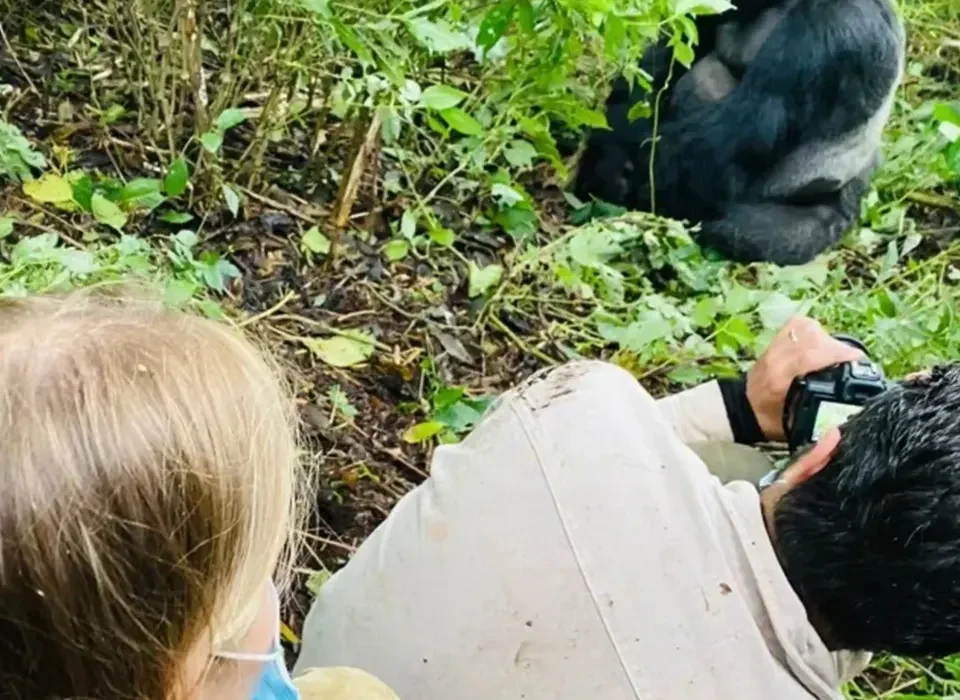
Gorilla trekking deserves additional consideration because it can involve steep, muddy, uneven, and sometimes physically demanding forest terrain. The duration and difficulty of a trek can also vary considerably depending on where the gorilla family is located.
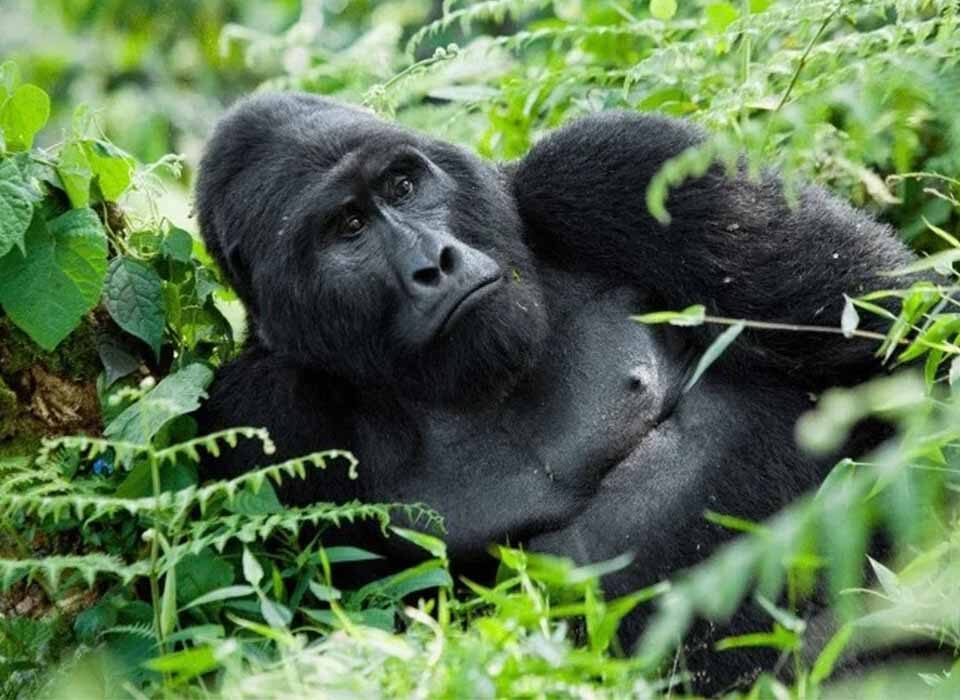
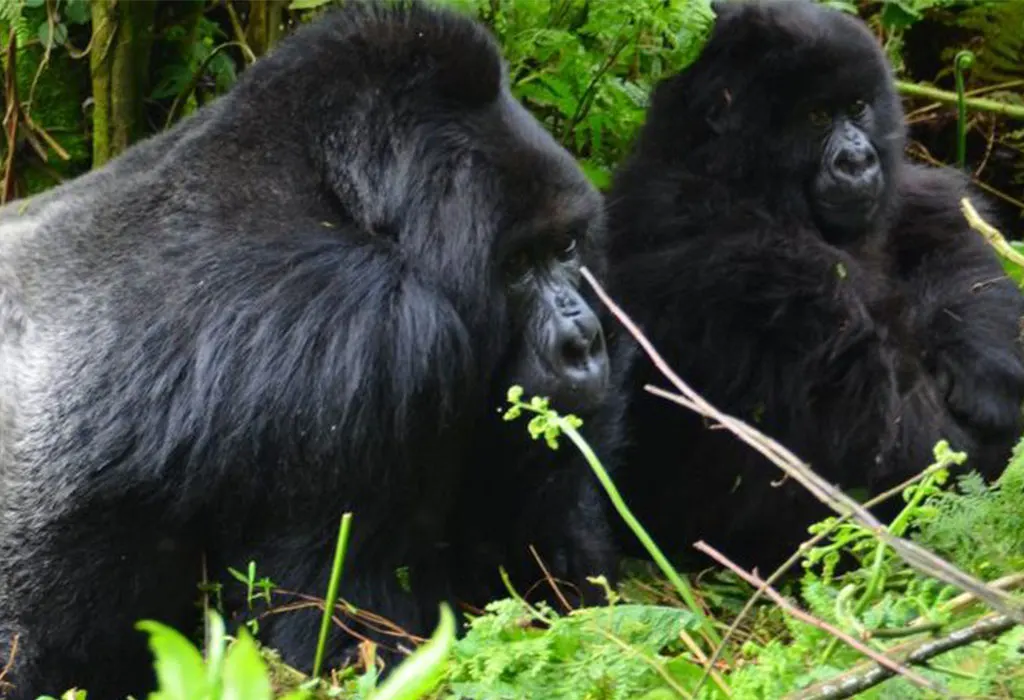
Therefore, pregnancy does not automatically make every outdoor activity unsafe, but gorilla trekking should only be considered after discussing it with your healthcare professional. The unpredictable nature of the terrain means that a standard fitness level may not be enough to guarantee comfort or safety.
If your doctor advises against gorilla trekking, consider alternative wildlife and cultural experiences that involve less demanding walking. Your travel experience can still be memorable without taking unnecessary risks.
Enjoy Nature Responsibly During Pregnancy
Spending time outdoors can be refreshing and emotionally uplifting. The peaceful surroundings, fresh air, beautiful landscapes, and opportunity to disconnect from everyday routines can make a holiday particularly enjoyable.
However, pregnancy calls for a different approach to adventure. Instead of focusing on endurance, focus on comfort, relaxation, and meaningful experiences.
Take photographs, enjoy the scenery, learn about local communities, observe wildlife from safe locations, and permit yourself to slow down. Sometimes, the best travel memories come from simply being present rather than completing the most difficult trek.
Final Thoughts
So, can you go trekking when pregnant? In some cases, yes, but it depends on your individual pregnancy, medical advice, fitness level, and the nature of the trek. Pregnancy should never be treated as a one-size-fits-all experience.
Before travelling, consult your healthcare professional, choose an easy and safe route, avoid unnecessary risks, stay hydrated, eat well, wear comfortable footwear, and travel with experienced guides. Most importantly, listen to your body and be prepared to stop whenever you feel uncomfortable.
Experiya Tour Company encourages expectant mothers to approach adventure thoughtfully. You do not have to give up your love for nature during pregnancy; instead, you can adapt your journey to suit your changing needs. With proper planning and professional medical guidance, your time in Uganda can remain meaningful, relaxing, and memorable while you put your health and your baby’s well-being first.