Unique Features of Kibale National Park
September 1, 2026
Uganda Gorilla Trekking Packing List: What to Pack for Your Bwindi Safari
September 2, 2026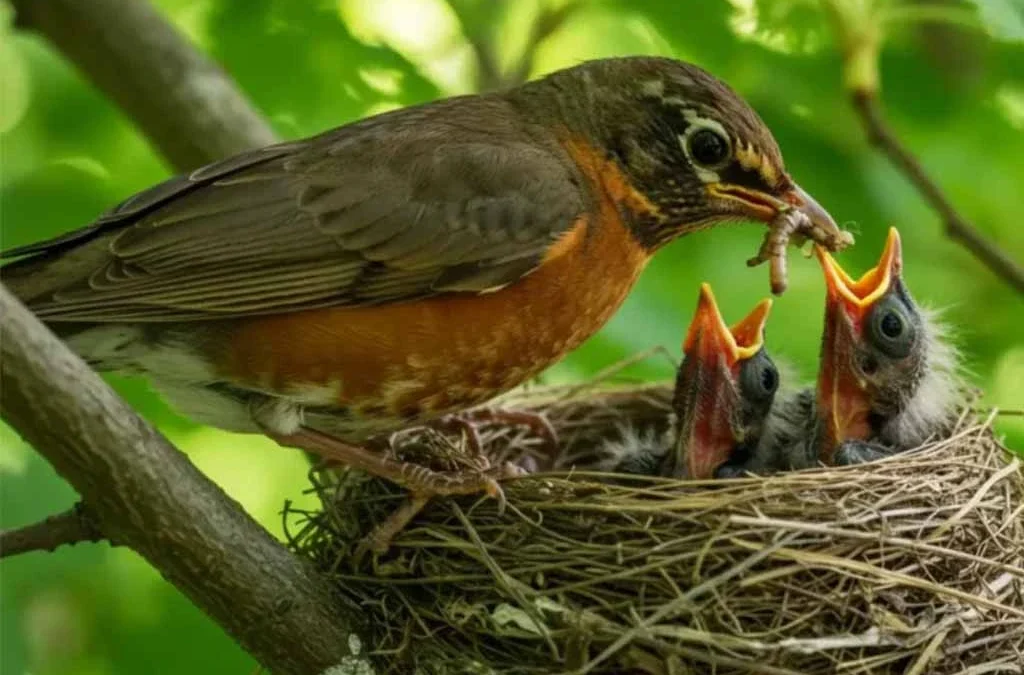
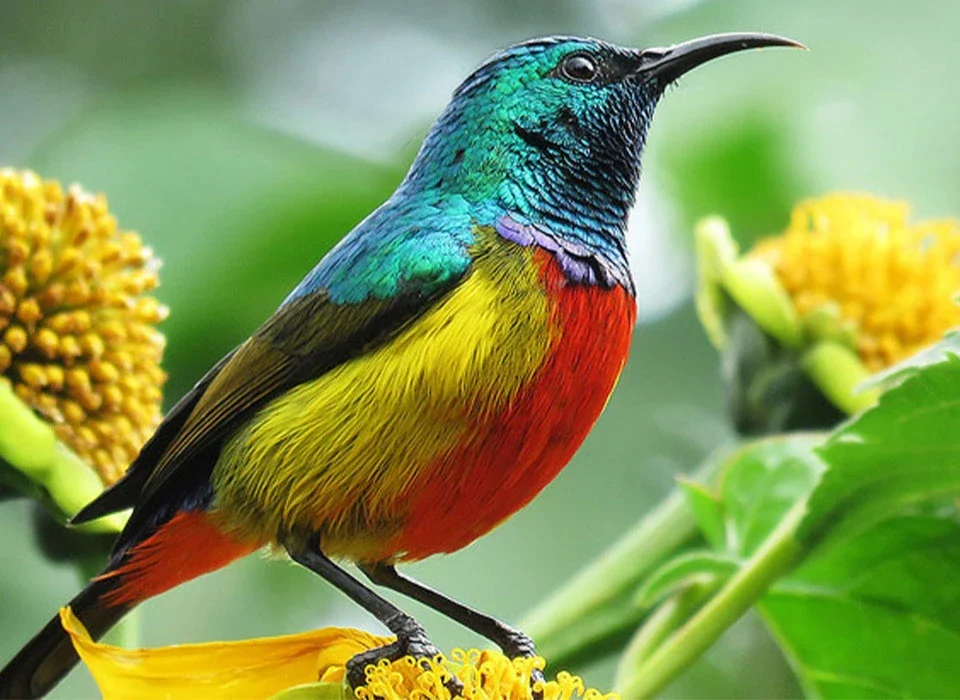
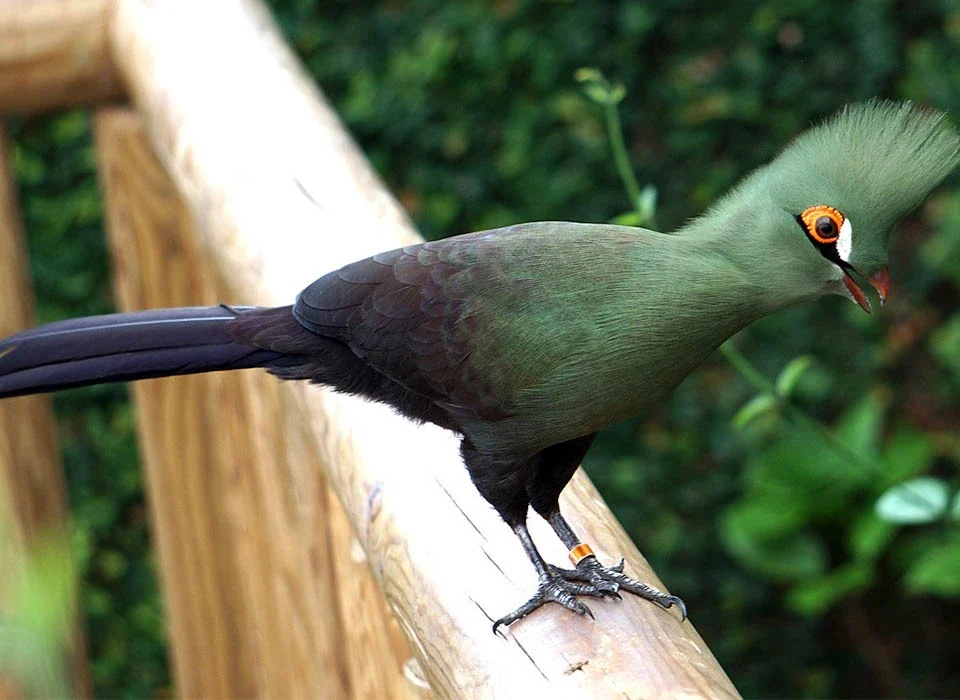
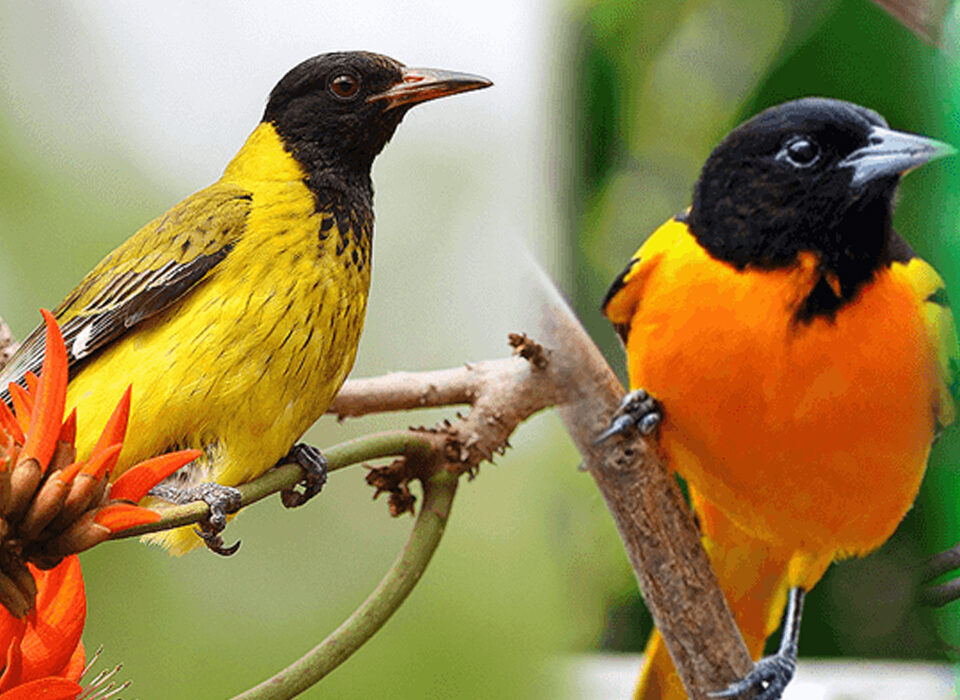
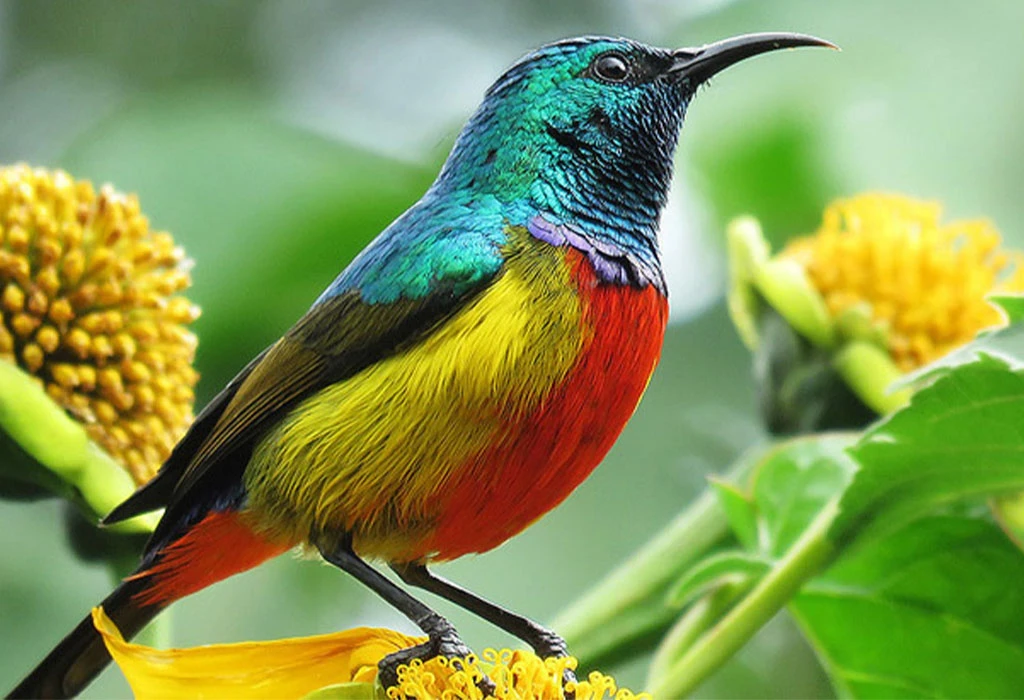
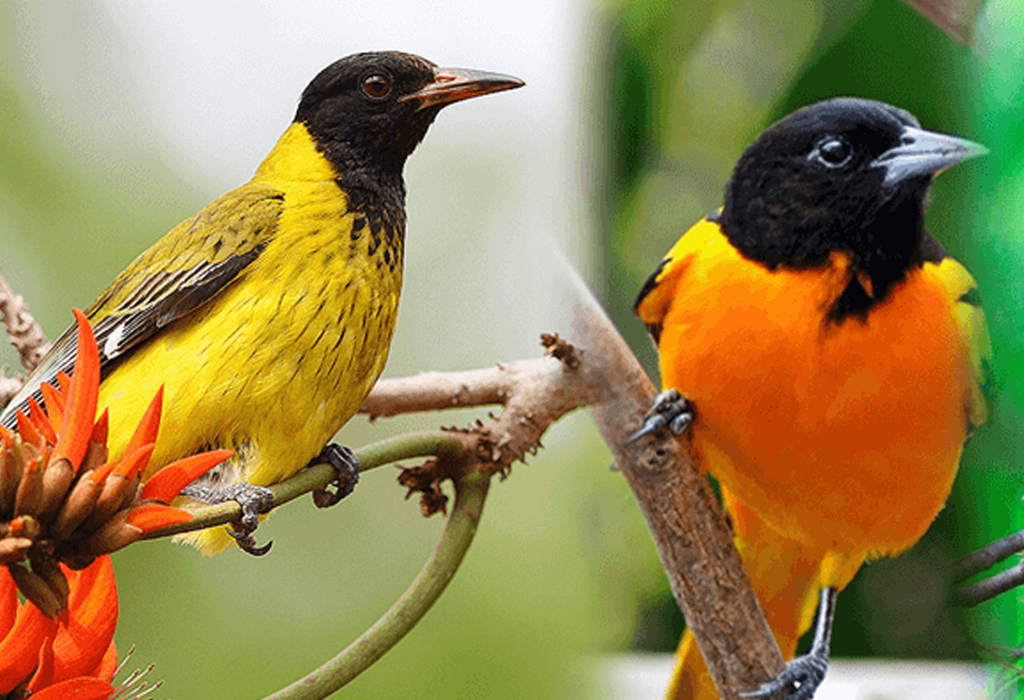
Uganda may be known for its mountain gorillas, chimpanzees, and classic savannah safaris, but it is also one of Africa’s most rewarding birdwatching destinations. With more than 1,000 recorded bird species, the country offers remarkable diversity across forests, wetlands, lakes, mountains, and savannah landscapes.
While many travelers prefer Uganda’s drier months, experienced birdwatchers often look forward to the rainy season. In fact, birding enthusiasts sometimes consider the wet season a “secret season” because it combines abundant bird activity, fewer visitors, lush scenery, and excellent opportunities to observe breeding and migratory species.
For travelers planning a birding adventure with Experiya Tour Company, the wet season can therefore be an excellent time to explore Uganda’s remarkable birdlife.
When Is the Wet Season in Uganda?
Uganda experiences rainfall throughout much of the year, but the country generally has two main wet periods. The first usually occurs from March to May, while the second commonly falls between October and November.
Rainfall patterns can vary depending on the region and altitude. Some areas may receive showers outside these periods, while others experience relatively dry conditions for longer.
Although rain can occasionally make trails muddy and roads challenging, it also transforms Uganda’s landscapes. Forests become greener, wetlands fill with water, flowers bloom, and insects become more active. These changes create ideal conditions for many bird species.
Why Birdwatching Is Excellent During the Wet Season
Birds Have More Food Available
One of the biggest advantages of birdwatching during the rainy season is the abundance of food. Rain supports the growth of plants and encourages the emergence of insects, worms, fruits, seeds, and nectar.
As a result, birds become highly active as they search for food and feed their young. Instead of remaining hidden for long periods, many species move through vegetation, wetlands, forest edges, and open habitats in search of nourishment.
For birdwatchers, this increased activity can create excellent opportunities to observe different species in their natural environments.
The Breeding Season Brings Increased Bird Activity
The wet season coincides with breeding activity for many bird species in Uganda. Birds take advantage of the plentiful food and favorable environmental conditions to build nests, lay eggs, and raise their young.
During this period, birders may observe fascinating behaviors such as courtship displays, nest building, territorial calls, and adults carrying food to their chicks.
The increased vocal activity is particularly useful for experienced birders. Even when a bird remains hidden in dense vegetation, its distinctive call can help an expert guide locate it.
Migratory Birds Add More Variety
Uganda sits along important African bird migration routes, making it a valuable destination for observing migratory species. During the migration season, visitors may encounter birds that spend part of the year in Uganda before continuing to other parts of Africa or returning to their breeding grounds.
This seasonal movement adds another layer of excitement to birdwatching. A destination that already has impressive resident birdlife can become even more rewarding when migrant species arrive.
Fewer Tourists Mean a More Peaceful Experience
Another advantage of visiting Uganda during the rainy season is the reduced number of tourists at many destinations.
With fewer visitors on trails and in parks, birdwatchers can enjoy quieter surroundings. This matters because birds can easily be disturbed by excessive noise and movement.
A quieter environment allows travelers to spend more time listening to bird calls, scanning tree canopies, and observing feeding or breeding behavior without large crowds nearby.
For photographers, the peaceful atmosphere can also make it easier to wait patiently for the perfect opportunity.
Wetlands Become Especially Productive
Uganda’s wetlands become particularly interesting during periods of increased rainfall. Rising water levels can create productive feeding grounds for waterbirds and other wetland species.
The wet conditions also encourage insects and other small organisms to become more active. Birds take advantage of this food supply, making wetlands excellent places to observe feeding behavior.
This is one reason destinations such as Mabamba Swamp and other papyrus wetlands remain important locations for birdwatching. For visitors hoping to see specialized wetland species, the rainy season can offer rewarding encounters.
Top Birdwatching Destinations in Uganda
Bwindi Impenetrable National Park
Bwindi is famous worldwide for its mountain gorillas, but its dense rainforest also supports an impressive variety of birds. The park is particularly important for birders interested in Albertine Rift species and forest birds.
Depending on the area visited, birdwatchers can look for species such as the African green broadbill, handsome francolin, regal sunbird, African broadbill, and various robin-chats and flycatchers.
Combining birdwatching with gorilla trekking can make a visit to Bwindi even more memorable.
Kibale National Park
Kibale is best known for its chimpanzees and diverse primate population, yet it also ranks among Uganda’s important forest birding destinations.
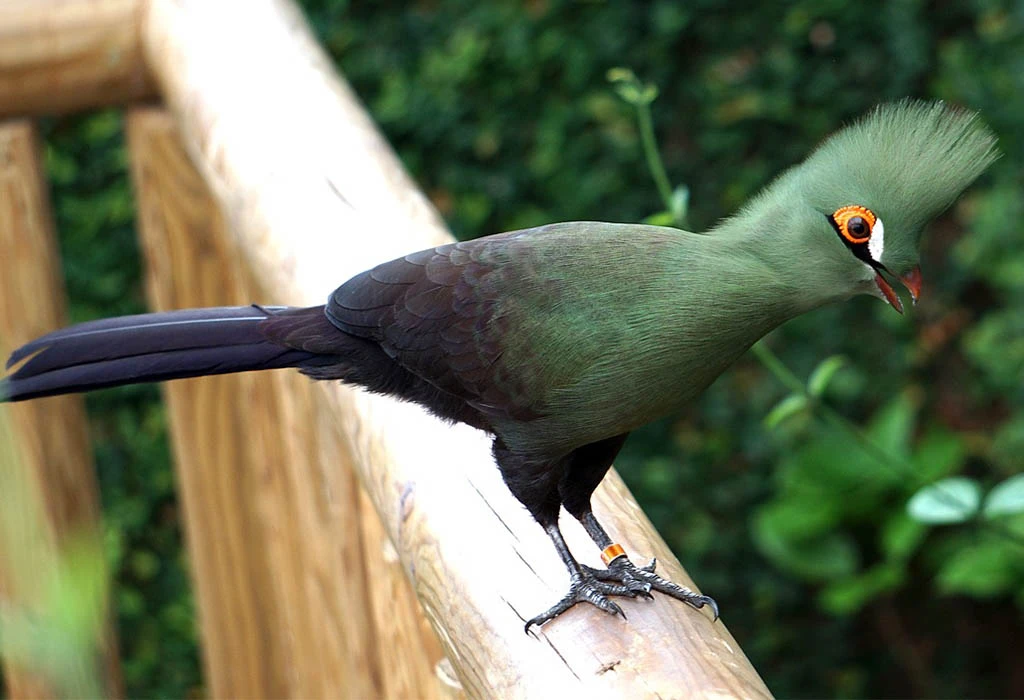
The forest and surrounding habitats support species such as the green-breasted pitta, African crowned eagle, red-chested owlet, great blue turaco, black-and-white-casqued hornbill, and various forest flycatchers.
The lush conditions during the wet season make the forest particularly vibrant and active.
Semuliki National Park
Located in western Uganda near the Democratic Republic of Congo, Semuliki protects a unique lowland forest ecosystem. Its location within the Albertine Rift makes it especially attractive to serious birdwatchers.
Visitors can search for species including the Nkulengu rail, Congo serpent eagle, yellow-footed flycatcher, red-throated bee-eater, fire-crested alethe, and long-tailed hawk.
The park’s forest environment offers a different birding experience from Uganda’s savannah parks.
Kidepo Valley National Park
For travelers seeking a more remote birding adventure, Kidepo Valley National Park offers an extraordinary experience. Located in northeastern Uganda, the park combines rugged mountains, open plains, valleys, and dry-country habitats.
Its birdlife includes species associated with northeastern Uganda and the wider Karamoja region. Birdwatchers may encounter the Karamoja apalis, black-breasted barbet, Abyssinian roller, Clapperton’s francolin, piapiac, black coucal, and crimson-rumped waxbill, among many others.
The park is also an excellent destination for combining birdwatching with traditional wildlife viewing.
Lake Mburo National Park
Lake Mburo offers a convenient birding destination for travelers moving between Kampala and western Uganda. Its mixture of acacia woodland, open savannah, rocky areas, and papyrus wetlands supports a wide range of species.
Birdwatchers can look for African finfoot, red-faced barbet, papyrus gonolek, Ross’s turaco, Tabora cisticola, and white-winged swamp warbler, among others.
The park’s wetlands become especially attractive when rainfall increases.
Mgahinga Gorilla National Park
Although Mgahinga is Uganda’s smallest national park, its location within the Virunga mountain range gives it exceptional ecological importance.
The park’s montane forests provide habitat for species such as the Rwenzori turaco, Rwenzori double-collared sunbird, strange weaver, cinnamon-chested bee-eater, and dusky turtle dove.
Birdwatching here can be combined with gorilla trekking or volcano hiking, creating a diverse adventure in southwestern Uganda.
Mabamba Swamp
Located on the shores of Lake Victoria, Mabamba Swamp is one of Uganda’s most famous wetland birding sites. Its biggest attraction is the elusive shoebill, a bird that many travelers specifically visit Uganda to find.
The swamp also supports species such as the African fish eagle, African pygmy goose, lesser jacana, African rail, papyrus gonolek, white-backed duck, and various weavers and herons.
A canoe excursion through the papyrus channels provides a quiet and effective way to explore the wetland.
Plan Your Wet-Season Birding Safari with Experiya Tour Company
The rainy season should not discourage bird lovers from visiting Uganda. Instead, it offers a different perspective of the country’s wildlife and landscapes. Forests become greener, wetlands become more productive, birds become increasingly active, and migratory species add to the diversity.
Of course, travelers should prepare for occasional heavy showers by carrying waterproof clothing, suitable footwear, binoculars, and protective covers for cameras and other equipment.
With careful planning and an experienced local guide, a wet-season birding safari can become one of the most rewarding ways to discover Uganda.
Experiya Tour Company can help travelers explore Uganda’s forests, wetlands, mountains, and savannahs while searching for some of the country’s most remarkable bird species. Whether your goal is to find the shoebill at Mabamba, explore Albertine Rift forests, or combine birdwatching with a gorilla or chimpanzee experience, Uganda offers an exceptional setting for an unforgettable birding adventure.