
Why the Wet Season Is the Best Time for Birdwatching in Uganda
September 1, 2026
Trekking Gorillas in Uganda on Your Wedding Anniversary
September 2, 2026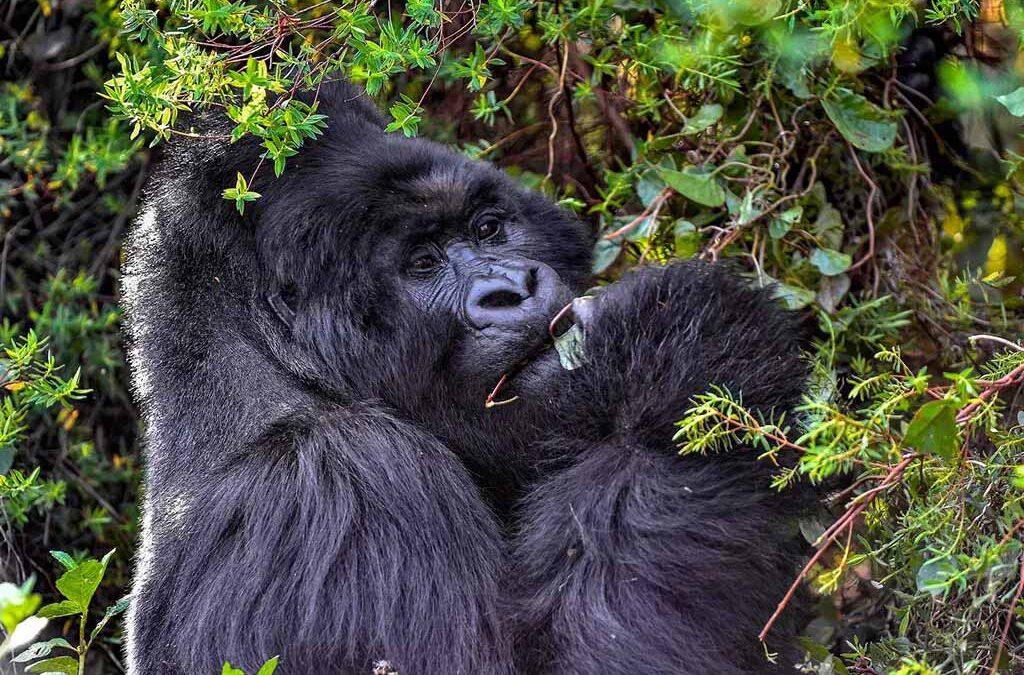
A gorilla trekking adventure in Uganda takes you deep into a beautiful but challenging rainforest environment. The trails can be steep, muddy, wet and slippery, so packing the right equipment can make a major difference to your experience.
Whether you are trekking in Bwindi Impenetrable National Park or Mgahinga Gorilla National Park, you should prepare for changing weather, thick vegetation, slippery trails and long hours in the forest. A good pair of hiking boots, waterproof clothing, comfortable trousers, gloves and a reliable daypack are among the most important items to carry.
At Experiya Tour Company, we encourage travelers to prepare for both sunshine and rain because weather conditions in southwestern Uganda can change quickly. Your exact packing needs may also depend on the gorilla trekking sector and the time of year you visit.
Why Packing Properly Matters for Gorilla Trekking in Uganda
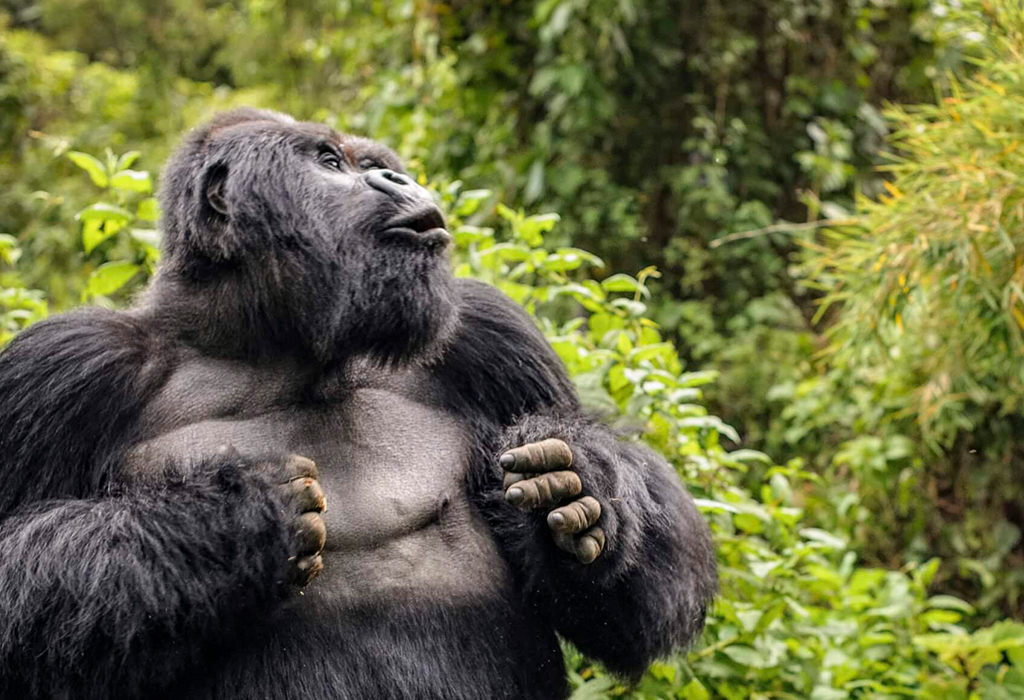
Gorilla trekking is different from an ordinary wildlife safari. Instead of staying in a vehicle, you spend several hours walking through dense forest in search of a habituated gorilla family.
Bwindi’s terrain includes steep slopes, exposed roots, thick vegetation and muddy trails. Rain can also make some sections particularly slippery. Therefore, clothing and footwear that work well on a city tour or conventional game drive may not be suitable for gorilla trekking.
The trek can also vary considerably in duration. Sometimes trackers locate the gorillas relatively close to the starting point. On other days, you may spend several hours hiking before reaching the family.
For that reason, pack for a full day in the forest even when you expect a short trek.
The Best Footwear for Gorilla Trekking
Your hiking boots are arguably the most important item on your packing list.
Choose comfortable, waterproof hiking boots with good ankle support and strong traction. Deep, well-spaced treads are particularly useful because they provide better grip on muddy trails and steep slopes.
Most importantly, break in your boots before traveling to Uganda. Wearing new boots for the first time during a gorilla trek can lead to painful blisters and discomfort.
Waterproof boots are helpful, but they are not enough on their own. Wear good-quality hiking socks and consider carrying an extra pair in your daypack in case your feet get wet.
In particularly wet conditions, some travelers also choose to hire rubber boots near the park. However, well-fitted hiking boots usually provide better support on long and uneven hikes.
Wear Long, Comfortable and Protective Clothing
The rainforest can be warm, cool, wet and humid within the same day. Dressing in layers allows you to adjust easily as conditions change.
Wear lightweight, quick-drying long-sleeved shirts and long trekking trousers. These protect your skin from vegetation, insects, branches and other natural obstacles along the trail.
Neutral colors such as brown, green, grey and khaki are suitable for a forest environment. Avoid very bright clothing where possible.
Also, avoid jeans if you have better alternatives. Denim becomes heavy when wet and takes a long time to dry. Quick-drying trekking trousers are much more comfortable.
Travelers should also avoid military-style camouflage clothing because civilians are not permitted to wear military camouflage in Uganda.
Pack a Waterproof Jacket
Rain is always possible in Bwindi, even during the drier months.
A lightweight waterproof rain jacket should therefore have a permanent place in your daypack. Choose one that is breathable and easy to pack when you are not using it.
During wetter months, waterproof trousers can also be useful. They provide additional protection when rain falls heavily or when you have to move through wet vegetation.
Remember that staying dry is not only about comfort. Wet clothing can make a long trek considerably more tiring, especially when temperatures drop.
Gaiters and Gloves Are Extremely Useful
Knee-high gaiters are highly recommended for gorilla trekking in Uganda. They help prevent mud, water, insects and vegetation from getting inside your boots.
They are especially useful during the wetter months when trails become muddy.
A pair of sturdy gardening or trekking gloves is another simple but valuable addition. You may need to hold branches or vegetation for balance while walking through difficult sections of the forest. Gloves protect your hands from thorns, rough plants and insects.
What to Carry in Your Daypack
A comfortable daypack should contain everything you may need during several hours in the forest without becoming unnecessarily heavy.
Carry enough drinking water to stay hydrated throughout the trek. Around two litres is a useful starting point, although travelers expecting a longer trek may need more.
You should also carry your packed lunch or snacks according to your safari arrangements. Energy bars, fruit, nuts and other lightweight snacks can provide useful energy during a demanding hike.
Other useful items include sunscreen, insect repellent, lip balm, tissues, wet wipes, personal medication and a small first-aid kit.
A few blister plasters are particularly useful because even experienced hikers can develop foot problems during a long trek.
Protect Your Camera and Electronics
Bwindi’s rainforest environment can be extremely wet, so protect your camera, phone and other electronics from moisture.
Use waterproof bags or dry pouches inside your backpack. A rain cover for your backpack provides an additional layer of protection.
Carry spare camera batteries or a power bank because you may spend several hours away from your lodge.
Photography is one of the highlights of gorilla trekking, but always follow the instructions of your ranger. Do not use flash photography around the gorillas, and maintain the required viewing distance.
Binoculars and Other Safari Equipment
Binoculars are not essential for the actual gorilla viewing experience because you can observe the animals relatively closely under ranger guidance. However, they become valuable if you combine gorilla trekking with birdwatching or other wildlife activities.
Bwindi is also an outstanding birding destination, so bird enthusiasts may want to bring binoculars and a suitable camera lens.
A walking stick can also be helpful on steep and muddy trails. In many cases, trekking poles or walking sticks can be obtained locally or provided as part of your trekking arrangements.
Important Documents and Personal Items
Keep your passport and other important travel documents secure. Your passport may be required during permit verification and other official procedures.
It is also wise to carry some local currency in small denominations. You may need cash for porter services, tips or small purchases around the trekking area.
Keep your valuables to a minimum. Gorilla trekking is an active experience, and carrying unnecessary items only adds weight.
What to Pack During Uganda’s Wet Seasons
Uganda can receive rainfall throughout the year, but some periods are generally wetter than others.
During the wetter months, place greater emphasis on waterproof clothing, gaiters, spare socks and waterproof bags. Your backpack should have a rain cover, while sensitive electronics should remain inside waterproof pouches.
During relatively drier periods, you should still carry a rain jacket because showers can occur unexpectedly.
In other words, never leave your rain protection behind simply because the forecast looks favorable.
Packing for Different Gorilla Trekking Sectors
Your trekking sector can influence how much preparation you need.
Some parts of Bwindi have particularly steep terrain, so good footwear, walking support and physical preparation become even more important. If your trek takes place in a sector where longer hikes are possible, carry sufficient water, food and extra clothing.
Mgahinga Gorilla National Park sits at a higher elevation, so mornings can feel cooler. A warm fleece or light sweater is therefore useful, especially for early morning activities.
Before your safari, Experiya Tour Company can help you understand the conditions expected in your trekking sector and advise you on what to carry.
Remember the Gorilla Trekking Rules
Packing the right equipment is only one part of responsible gorilla trekking.
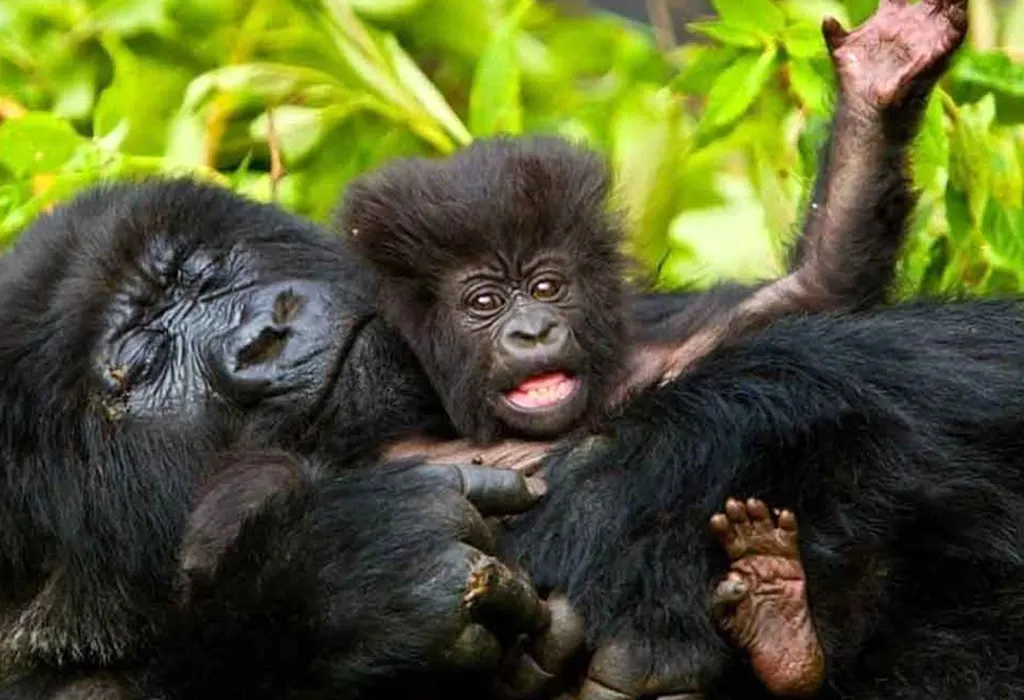
Visitors must follow the instructions of park rangers and maintain the required distance from gorillas. Avoid trekking when you are sick, particularly if you have symptoms of a respiratory infection, because mountain gorillas are vulnerable to human illnesses.
Do not leave rubbish in the forest. Everything you bring into the park should come back out with you.
You should also avoid unnecessary noise and never attempt to touch, feed or provoke the gorillas.
Can You Hire Gorilla Trekking Gear in Uganda?
Yes. Some trekking areas and lodges can provide or arrange items such as walking sticks, rain ponchos, gaiters and rubber boots.
However, you should not depend entirely on hiring equipment locally. Proper hiking boots, comfortable trousers and personal clothing should be purchased and tested before your safari.
If you are flying on a small domestic aircraft, check the baggage allowance before packing because luggage restrictions can be tighter than on international flights. Soft-sided travel bags are generally more practical for safari travel than large hard-shell suitcases.
Your Simple Uganda Gorilla Trekking Checklist
Before leaving for your safari, make sure you have comfortable waterproof hiking boots, long trousers, long-sleeved shirts, a waterproof jacket, warm layers, hiking socks, gaiters, gloves and a comfortable daypack.
Also carry drinking water, lunch or snacks, insect repellent, sunscreen, personal medication, a small first-aid kit, tissues, waterproof bags, your camera and spare batteries.
Most importantly, pack light but prepare for changing conditions. You do not need to carry your entire travel wardrobe into the forest.
Make Your Gorilla Trekking Adventure Memorable
Gorilla trekking in Uganda is an experience that combines adventure, wildlife and unforgettable encounters with one of the world’s most remarkable animals. The better you prepare, the more comfortable and enjoyable your trek will be.
Bwindi and Mgahinga offer different landscapes and trekking experiences, but both reward visitors who arrive properly prepared.
With the right clothing, reliable footwear, adequate water and sensible rain protection, you can focus less on the weather and terrain and more on the incredible experience ahead.
Experiya Tour Company can help you plan your Uganda gorilla trekking safari, including permits, accommodation, transportation, trekking arrangements and practical advice on preparing for your adventure in Bwindi or Mgahinga.
Pack wisely, respect the forest and follow your ranger’s guidance. Then get ready for one of Africa’s most unforgettable wildlife experiences.