Top Things to Do During Your Safari in Rwanda
August 1, 2026
What to Expect on the Nyungwe Canopy Walk in Rwanda
August 1, 2026
A Rwanda–Uganda safari is often associated with unforgettable gorilla trekking adventures, thrilling game drives, and meaningful cultural encounters. While these experiences remain the highlights for many visitors, birdwatching has become an increasingly popular addition to safari itineraries. Whether you are an experienced birder or simply enjoy spending time in nature, birdwatching offers a rewarding way to experience the incredible biodiversity of East Africa.
The good news is that birdwatching fits naturally into almost any Rwanda–Uganda safari. Rather than requiring a separate trip, it can be combined with gorilla trekking, wildlife viewing, boat cruises, and guided forest walks. As you travel between national parks and scenic landscapes, you will encounter an astonishing variety of bird species that make every journey even more memorable.
At Experiya Tour Company, many safari itineraries can easily be customized to include birdwatching opportunities alongside the region’s famous wildlife experiences, allowing travelers to enjoy the very best of both countries.
Why Birdwatching Makes Your Safari Even More Rewarding
Adding birdwatching to your Rwanda–Uganda safari creates a richer and more complete wildlife experience. Both countries are internationally recognized as exceptional birding destinations because they protect a remarkable variety of habitats. From mist-covered mountain forests and volcanic slopes to wetlands, lakeshores, open savannahs, and tropical rainforests, every ecosystem supports its own unique collection of birdlife.
Uganda alone is home to more than 1,090 recorded bird species, representing nearly half of Africa’s bird species. Rwanda, despite its smaller size, boasts over 700 bird species, making it one of the continent’s leading destinations for bird enthusiasts.
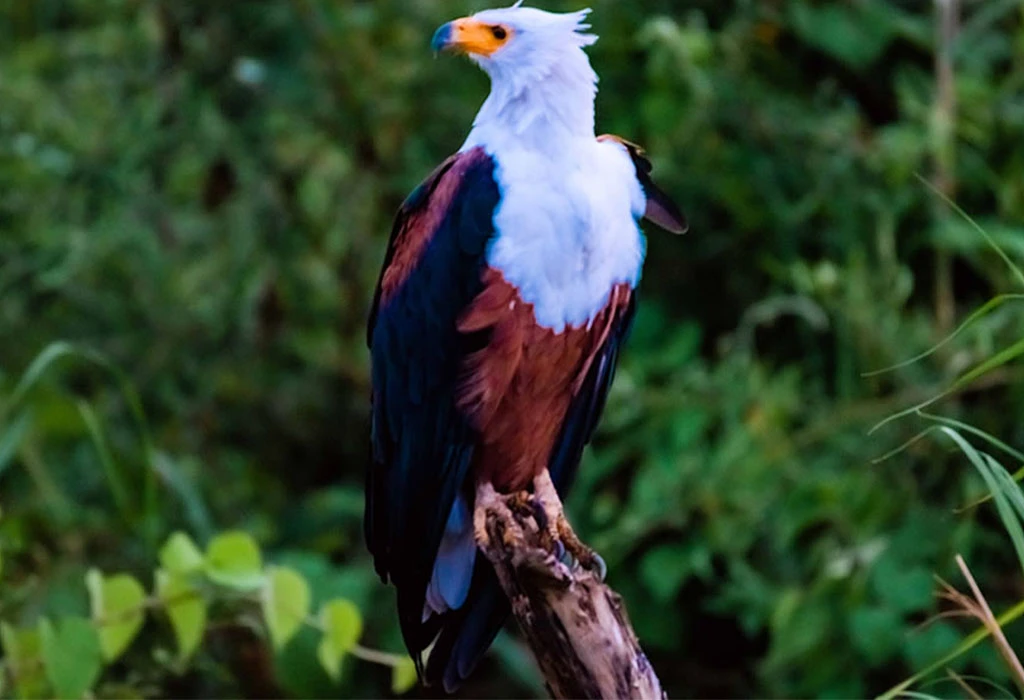
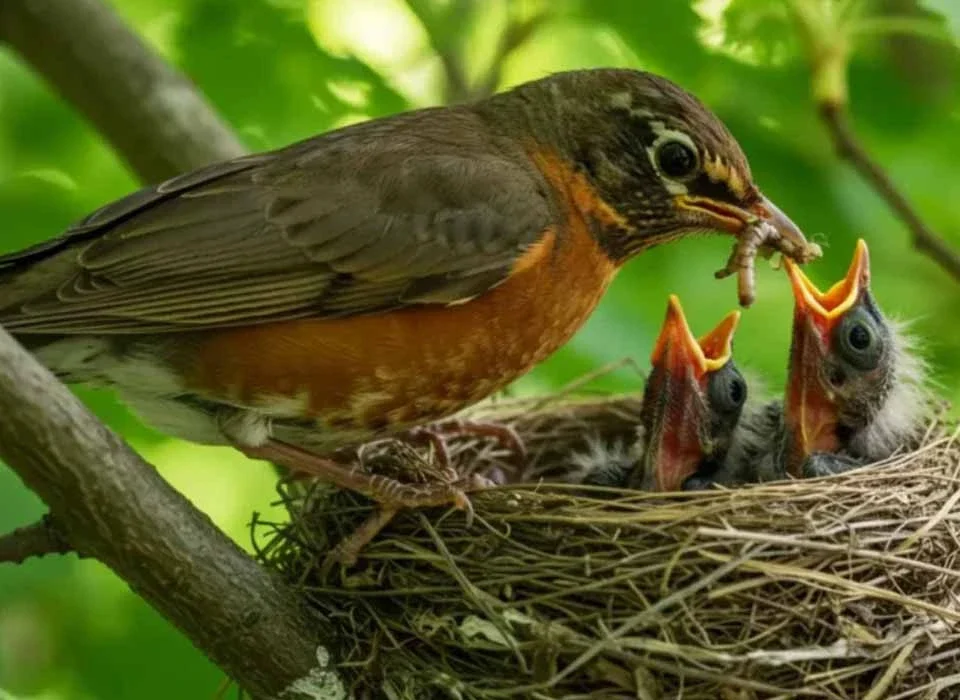
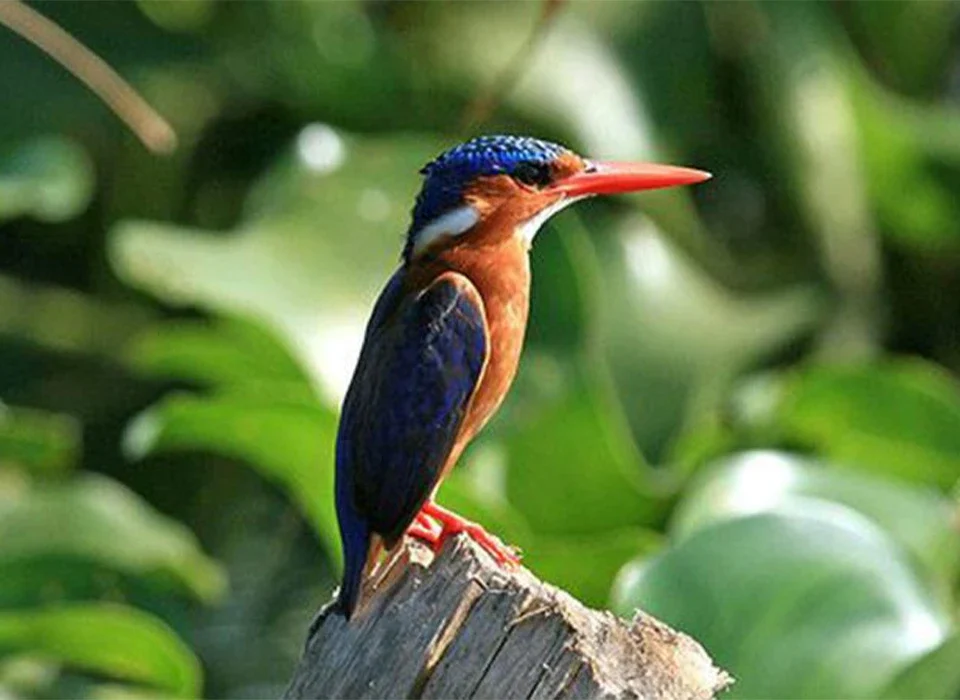
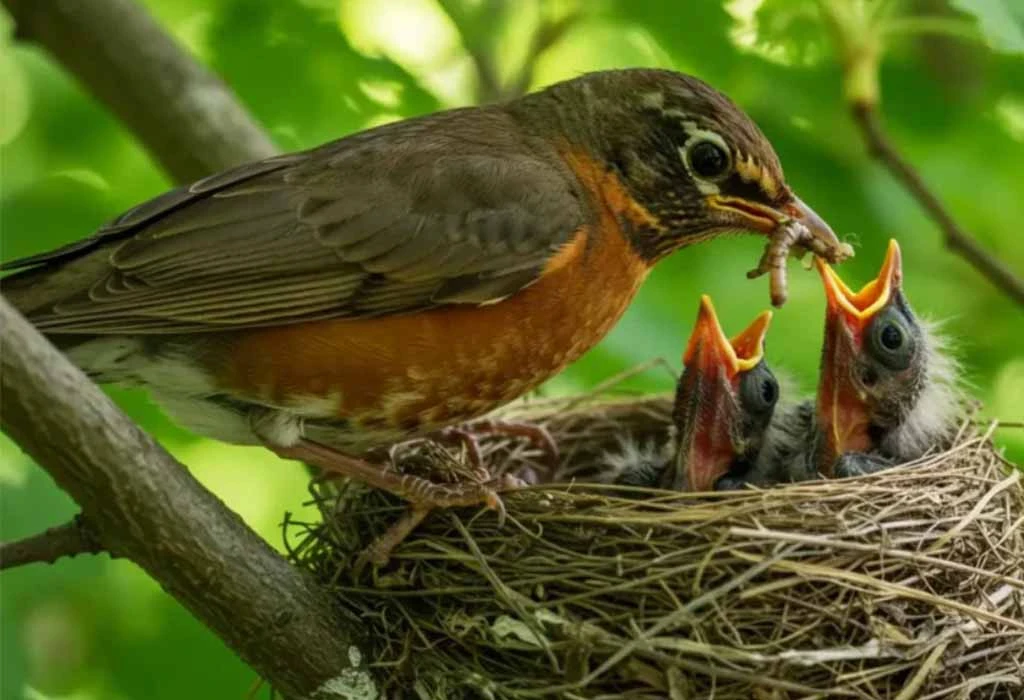
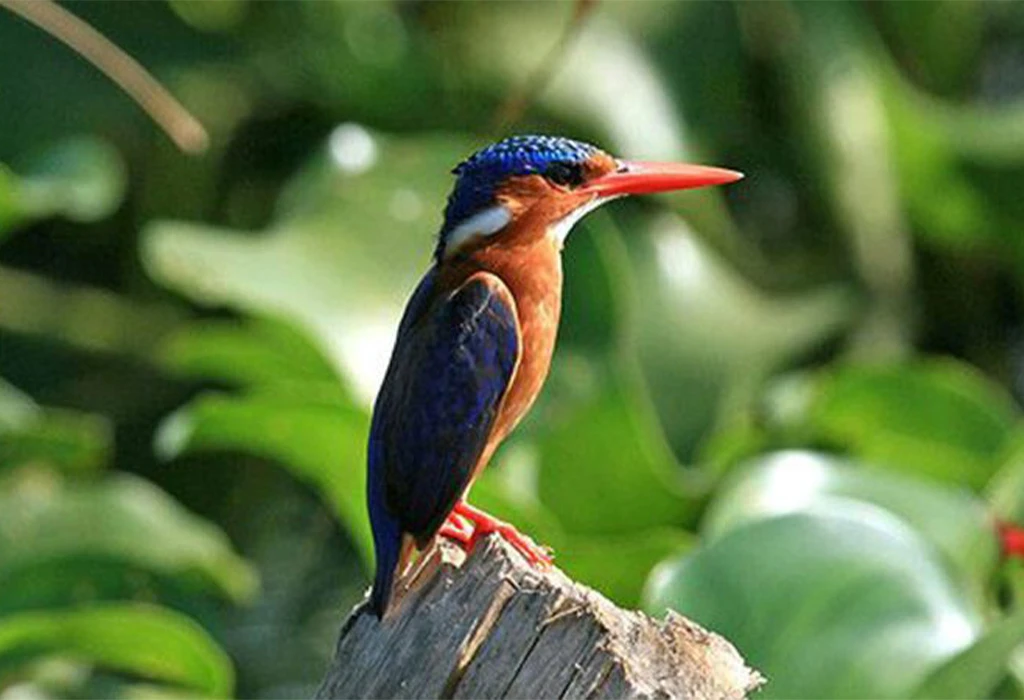
As you travel through these diverse environments, you may spot colorful turacos, elegant sunbirds, powerful eagles, kingfishers, hornbills, bee-eaters, and many rare Albertine Rift endemic species. Even travelers who do not consider themselves birdwatchers often find themselves captivated by the beauty, colors, and songs of these remarkable birds.
Birdwatching also encourages visitors to appreciate the smaller details of nature. Instead of focusing only on large mammals, travelers begin noticing the rich ecosystems that support every form of wildlife. Consequently, the safari becomes more educational, relaxing, and immersive.
Birdwatching Easily Fits into Existing Safari Plans
One of the greatest advantages of birdwatching is its flexibility. Unlike activities that require dedicated permits or extensive planning, birdwatching naturally complements almost every safari experience.
Early morning game drives often reveal birds at their most active. Guided forest walks provide excellent opportunities to identify woodland species, while boat cruises introduce visitors to waterbirds living along rivers and lakes. Even relaxing at a safari lodge can become a rewarding birding experience, as many lodges attract numerous colorful species to their gardens and surrounding forests.
As a result, travelers rarely need to change their itinerary significantly. Instead, birdwatching becomes an enjoyable part of the overall safari rather than a separate activity.
Experienced guides also help visitors identify different species while explaining their behavior, habitats, migration patterns, and conservation importance. This deeper understanding allows travelers to connect more meaningfully with the natural world.
Volcanoes National Park Offers More Than Gorilla Trekking
Volcanoes National Park in Rwanda is best known as one of the world’s premier destinations for mountain gorilla trekking. However, beyond its famous gorillas lies an exceptional birdwatching destination that many visitors overlook.
Located within the spectacular Virunga Mountains, the park features bamboo forests, montane woodlands, alpine vegetation, and volcanic slopes. These diverse habitats provide ideal conditions for many rare and endemic bird species.
Birdwatchers exploring the park frequently search for Albertine Rift endemics, including the beautiful Rwenzori turaco, handsome francolin, dusky crimsonwing, strange weaver, and several colorful sunbird species. Because the park spans different elevations, each section supports unique bird communities, making every guided walk a new adventure.
Many travelers choose to spend an extra day in Volcanoes National Park after their gorilla trek. This additional time allows them to enjoy the park’s remarkable birdlife while experiencing another side of Rwanda’s successful conservation efforts.
Bwindi Impenetrable National Park Is a Birdwatcher’s Paradise
Across the border in southwestern Uganda, Bwindi Impenetrable National Park offers another extraordinary birdwatching experience. Although the park is famous for protecting nearly half of the world’s remaining mountain gorillas, it also ranks among Africa’s finest forest birding destinations.
This ancient rainforest shelters more than 350 bird species, including over 20 Albertine Rift endemics. Thick vegetation, towering trees, and untouched forest create ideal habitats for species rarely found anywhere else.
As visitors walk along Bwindi’s forest trails, they hear birds calling from every direction. With patience and the guidance of experienced birding guides, they may observe species such as the African green broadbill, Shelley’s crimsonwing, Grauer’s swamp warbler, and numerous colorful flycatchers, robin-chats, and turacos.
Birdwatching in Bwindi also reveals the interconnected beauty of the rainforest. Along the trails, visitors often encounter butterflies, orchids, unique tree species, and small forest mammals. Consequently, the experience extends far beyond birds alone.
Combining gorilla trekking with birdwatching makes Bwindi one of East Africa’s most rewarding destinations for nature lovers.
Other Outstanding Birdwatching Destinations
While Volcanoes National Park and Bwindi receive much attention, several other protected areas further enhance Rwanda–Uganda birdwatching safaris.
Nyungwe Forest National Park in Rwanda stands among Africa’s oldest montane rainforests. The forest supports hundreds of bird species, including many Albertine Rift endemics that attract dedicated birders from around the world. Its extensive trail network allows visitors to explore pristine forest while searching for rare species hidden within the canopy.
Akagera National Park presents a completely different birding environment. Its lakes, wetlands, papyrus swamps, savannahs, and woodlands support an impressive variety of waterbirds, storks, herons, fish eagles, kingfishers, and migratory species. Bird photographers particularly appreciate the park because of its open landscapes and excellent lighting conditions.
In Uganda, Queen Elizabeth National Park remains one of the country’s richest birding areas, with more than 600 recorded bird species. The famous Kazinga Channel provides outstanding opportunities to observe African fish eagles, pelicans, cormorants, bee-eaters, saddle-billed storks, pied kingfishers, and countless other aquatic birds while enjoying a scenic boat cruise.
Another must-visit destination is Mabamba Swamp, located near Entebbe. This internationally recognized wetland is best known as one of Africa’s most reliable locations for spotting the legendary shoebill stork. Seeing this prehistoric-looking bird in its natural habitat ranks among the most exciting experiences for birdwatchers visiting Uganda.
Together, these destinations create an exceptional birdwatching circuit that complements gorilla trekking, wildlife safaris, and cultural experiences.
The Best Time to Include Birdwatching
Fortunately, birdwatching remains rewarding throughout the year in both Rwanda and Uganda. Each season offers unique opportunities, allowing visitors to enjoy excellent birding regardless of their travel dates.
The dry seasons, which generally occur between June and September and again from December to February, provide the easiest conditions for birdwatching. During these months, forest trails remain relatively dry, game drives become more comfortable, and visibility improves for both wildlife viewing and photography.
In addition, several migratory bird species arrive during different times of the year, increasing the overall diversity of birds that visitors can observe.
Meanwhile, the rainy seasons offer their own advantages. Forests become greener and more vibrant, food becomes abundant, and many birds enter their breeding season. During this period, birds display their brightest breeding plumage while becoming increasingly active, creating exceptional opportunities for photographers and nature enthusiasts.
Therefore, every season offers something unique, making birdwatching an attractive addition regardless of when you visit.
Create a More Complete East African Safari Experience
A Rwanda–Uganda safari offers far more than gorilla trekking and traditional game drives. By including birdwatching, travelers discover another fascinating layer of East Africa’s extraordinary biodiversity. Every forest, wetland, lake, and mountain reveals new species, beautiful landscapes, and remarkable ecological relationships that enrich the overall safari experience.
Whether you are exploring the volcanic forests of Volcanoes National Park, walking beneath the ancient canopy of Bwindi Impenetrable National Park, cruising along the Kazinga Channel, searching for the iconic shoebill in Mabamba Swamp, or discovering the rich birdlife of Nyungwe and Akagera National Parks, each destination contributes something unique to your journey.
Experiya Tour Company designs personalized Rwanda–Uganda safari itineraries that combine birdwatching with gorilla trekking, wildlife safaris, chimpanzee tracking, cultural encounters, and breathtaking scenery. By blending these experiences into one seamless adventure, travelers gain a deeper appreciation of East Africa’s natural beauty while creating unforgettable memories that extend far beyond the famous Big Five.