Birding in Kibale Forest National Park
May 7, 2026
Double Chimpanzee Trekking Experience in Kibale National Park
May 7, 2026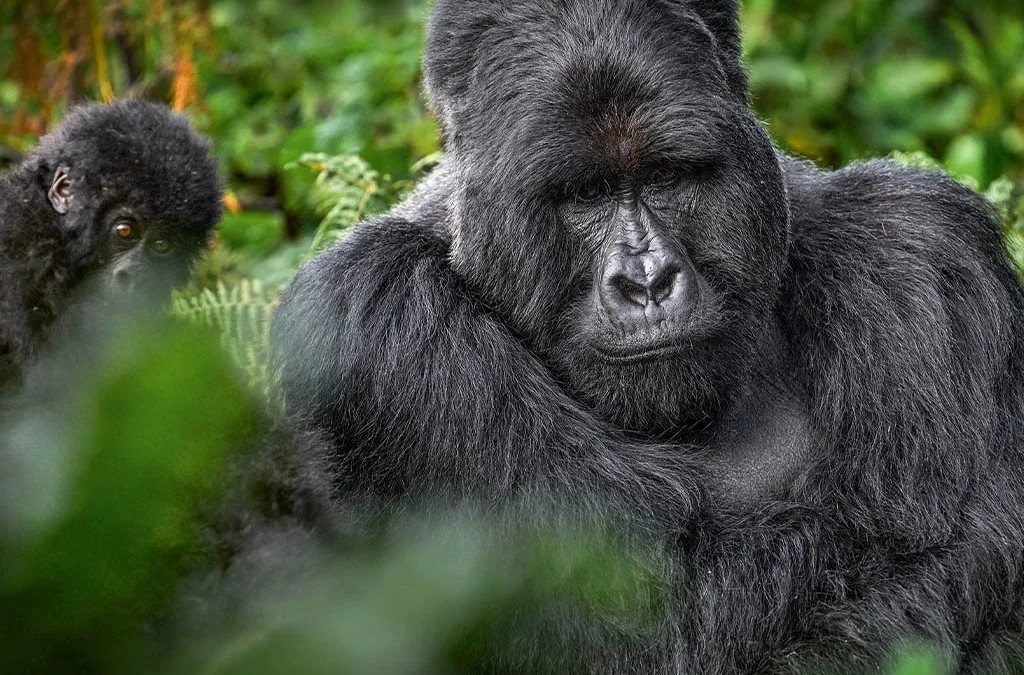
Why does Mgahinga Gorilla National Park deserve a place on your bucket list? The answer reveals itself the moment you arrive. Tucked into the misty highlands of southwestern Uganda, this small yet remarkable park sits at the meeting point of three countries. It is a place where ancient forests cloak volcanic slopes and where two of the world’s most endangered primates move quietly through the same habitat.
Although Mgahinga often lives in the shadow of larger, more famous safari destinations, it offers something far more personal. Here, you experience nature without crowds, wildlife without rush, and culture without performance. In many ways, Mgahinga feels less like a destination and more like a secret waiting to be discovered.
Where Silver Meets Gold
One of Mgahinga’s most compelling experiences lies in its rare ability to offer two extraordinary primate encounters in a single visit. Few places in Africa, if any, can match this. Within the same forest, you can track both the endangered mountain gorilla and the lively golden monkey.
Locals often refer to this unique experience as “Silver Meets Gold.” On one hand, you have the powerful and calm silverback gorilla, a symbol of strength and quiet authority. On the other, the golden monkey brings energy and color to the forest, darting playfully through the bamboo with flashes of orange-gold fur.
Golden monkeys exist only within the Virunga volcanic region, which makes seeing them even more special. As you follow them through the forest, you quickly realize how different they are from gorillas. They move fast, leap between branches, and seem to treat the forest like a playground. This contrast between the stillness of gorillas and the liveliness of golden monkeys creates a beautifully balanced wildlife experience.
Gorilla Tracking Without the Crowds
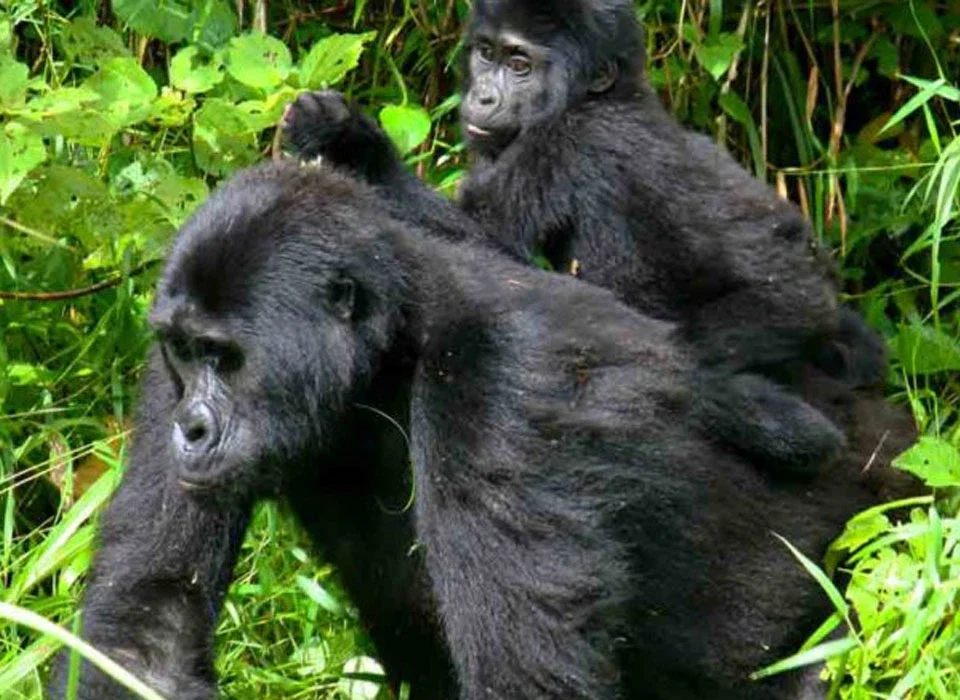
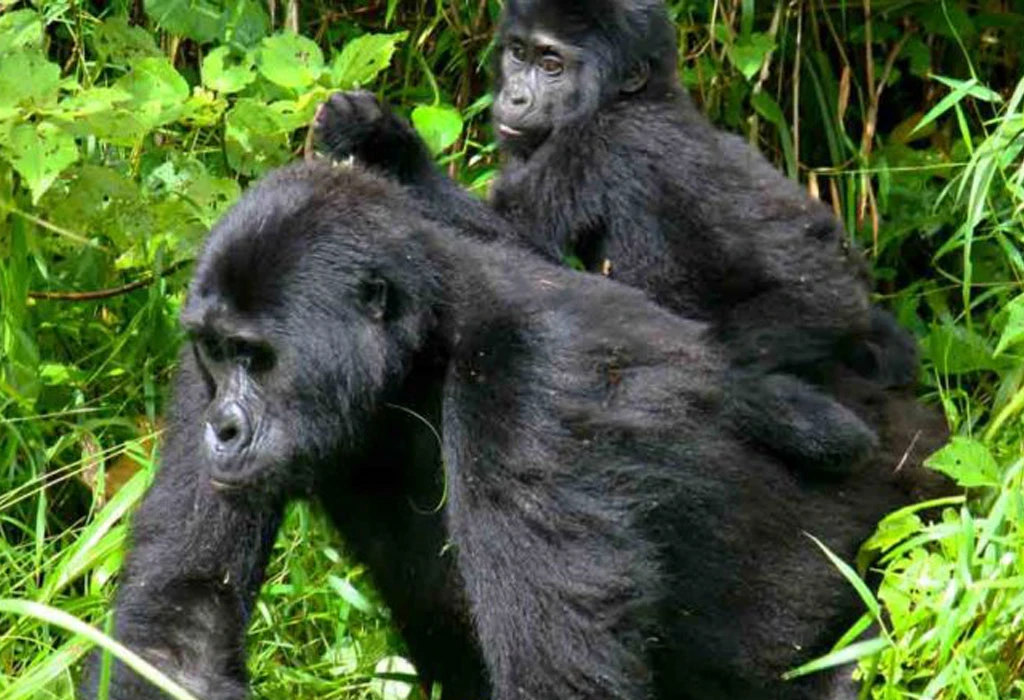
Gorilla trekking in Mgahinga feels intimate in a way that few places can replicate. The park is home to the Nyakagezi gorilla family, a group known not only for its stability but also for its unusual social structure. Several silverbacks coexist within the group, creating a rare opportunity to observe their interactions.
What truly sets Mgahinga apart, however, is the limited number of permits issued each day. Only eight visitors are allowed to track this gorilla family daily. As a result, the experience feels deeply personal. You are not competing for space or rushing for photographs. Instead, you stand quietly, fully present, as these gentle giants go about their lives.
Spending an hour with the gorillas feels both brief and unforgettable. You might watch a silverback resting calmly, juveniles playing nearby, or a mother grooming her infant. These small, unfiltered moments create memories that linger long after you leave the forest.
Volcanoes That Touch Three Nations
Mgahinga’s landscape tells a dramatic geological story. Three extinct volcanoes rise above the park, forming part of the Virunga Mountain Range. These peaks Mount Muhabura, Mount Gahinga, and Mount Sabyinyo define the park’s skyline and offer some of the most rewarding hikes in the region.
Each mountain provides a different kind of adventure. Mount Muhabura challenges hikers with a steep ascent but rewards them with sweeping views and a serene crater lake at the summit. Mount Gahinga offers a gentler climb, guiding you through dense bamboo forests often wrapped in mist.
Then there is Mount Sabyinyo, perhaps the most unique of them all. As you climb its rugged ridges and ladders, anticipation builds. At the summit, you find yourself standing at a rare geographical point where Uganda, Rwanda, and the Democratic Republic of Congo meet. Few experiences compare to placing a foot in three countries at once.
Because Mgahinga receives fewer visitors than other parks, these trails often feel quiet and undisturbed. You hear the forest breathe, the wind move through the bamboo, and your own footsteps echo along the path.
Walking Through Living History
While wildlife draws many visitors to Mgahinga, its cultural experiences leave an equally lasting impression. The Batwa Trail offers a powerful journey into the history of the forest’s original inhabitants.
The Batwa people lived in this forest for generations, relying on it for food, shelter, and medicine. When the park was established, they were displaced from their ancestral home. Today, they share their knowledge and traditions through guided experiences that preserve their heritage.
As you walk the trail, Batwa guides demonstrate traditional skills such as fire-making and hunting techniques. They point out medicinal plants and explain how the forest once sustained their community. Their stories carry both pride and pain, offering a deeper understanding of the human history intertwined with this landscape.
The experience reaches its emotional peak at Garama Cave. Inside this vast cavern, voices rise in traditional song, echoing off the stone walls. In that moment, you feel connected not only to the place but also to the people who once called it home.
A Landscape That Feels Alive
Despite being Uganda’s smallest national park, Mgahinga delivers an extraordinary range of scenery. The landscape shifts as you move through it, revealing different ecological zones at every turn.
At the lower slopes, cultivated farmland gradually gives way to dense forest. As you climb higher, bamboo dominates the landscape, its tall stalks filtering sunlight into soft green hues. Beyond that, the terrain opens into moorland and volcanic rock, where the air feels cooler and the views stretch endlessly.
Clouds drift through the mountains, sometimes wrapping the peaks in mist, other times clearing to reveal dramatic vistas. This ever-changing atmosphere gives the park a sense of movement, as though it is constantly reshaping itself.
For photographers and nature lovers alike, Mgahinga offers endless inspiration. Yet even without a camera, the beauty of the place stays with you.
Planning Your Journey
Timing plays an important role in shaping your experience. The dry seasons, from June to September and December to February, offer the best conditions for trekking. During these months, trails remain more accessible, and visibility in the forest improves.
That said, visiting during the rainy seasons has its own appeal. The forest becomes lush and vibrant, and the mist adds a dramatic touch to the scenery. However, you should prepare for muddy trails and more physically demanding hikes.
Reaching Mgahinga requires a bit of planning, but the journey adds to the adventure. Most travelers arrive via Entebbe in Uganda or Kigali in Rwanda, then continue by road or domestic flight to Kisoro. From there, the park lies just a short drive away.
When it comes to accommodation, Experiya Tour Company carefully selects options that blend comfort with proximity to the park. Staying close allows you to start your activities early and fully immerse yourself in the experience without unnecessary travel.
A Quiet Kind of Magic
Mgahinga does not overwhelm you with spectacle. Instead, it reveals itself slowly, through quiet moments and meaningful encounters. It is the stillness of the forest, the gaze of a gorilla, the laughter of golden monkeys, and the stories of the Batwa people that define your time here.
In a world where many destinations feel crowded and hurried, Mgahinga offers something increasingly rare: space to breathe, to connect, and to truly experience nature.
For travelers seeking more than just a checklist safari, Mgahinga delivers depth, authenticity, and a sense of discovery. It may be small in size, but its impact is immense. Once you visit, you understand why this hidden corner of Uganda deserves a place not just on your bucket list, but in your memory long after the journey ends.