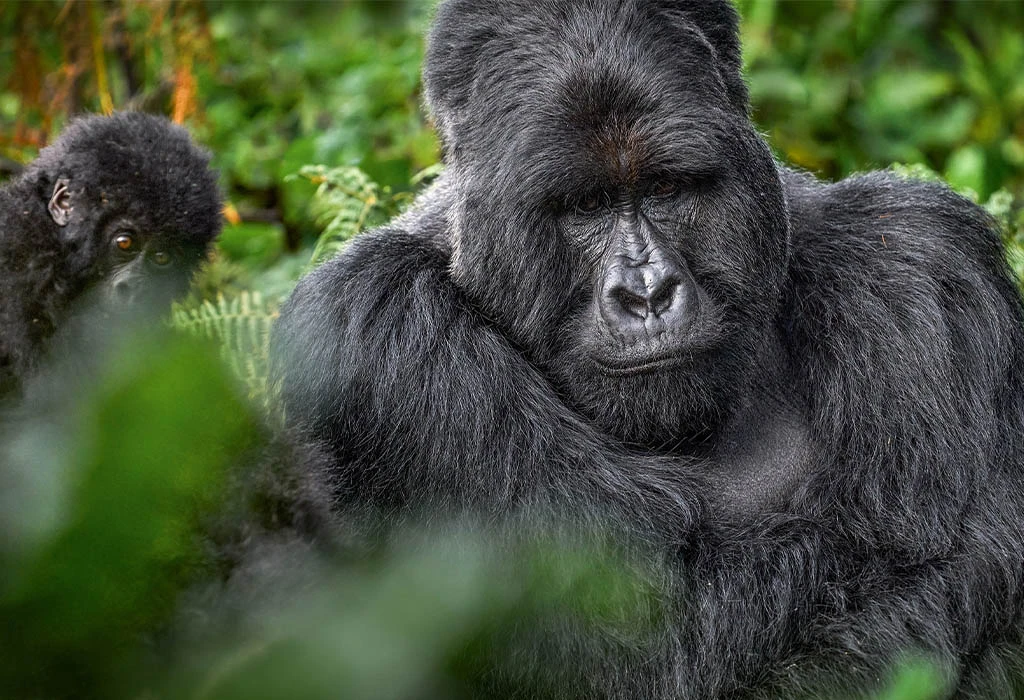
Why Mgahinga Deserves a Spot on Your Bucket List
May 7, 2026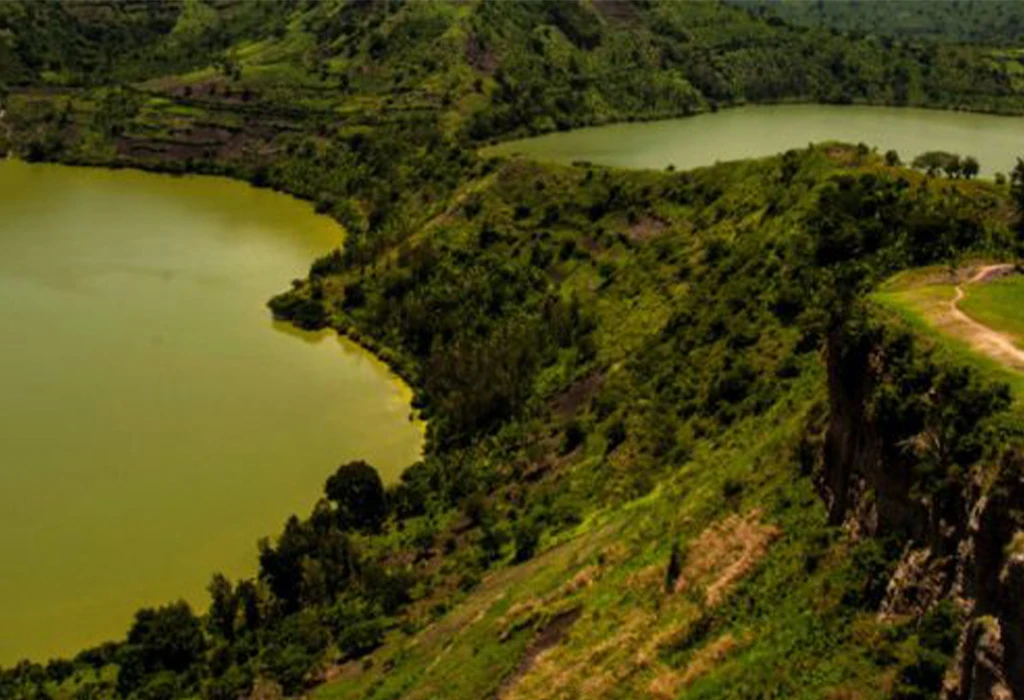
The Twin Lakes of Rubirizi
May 7, 2026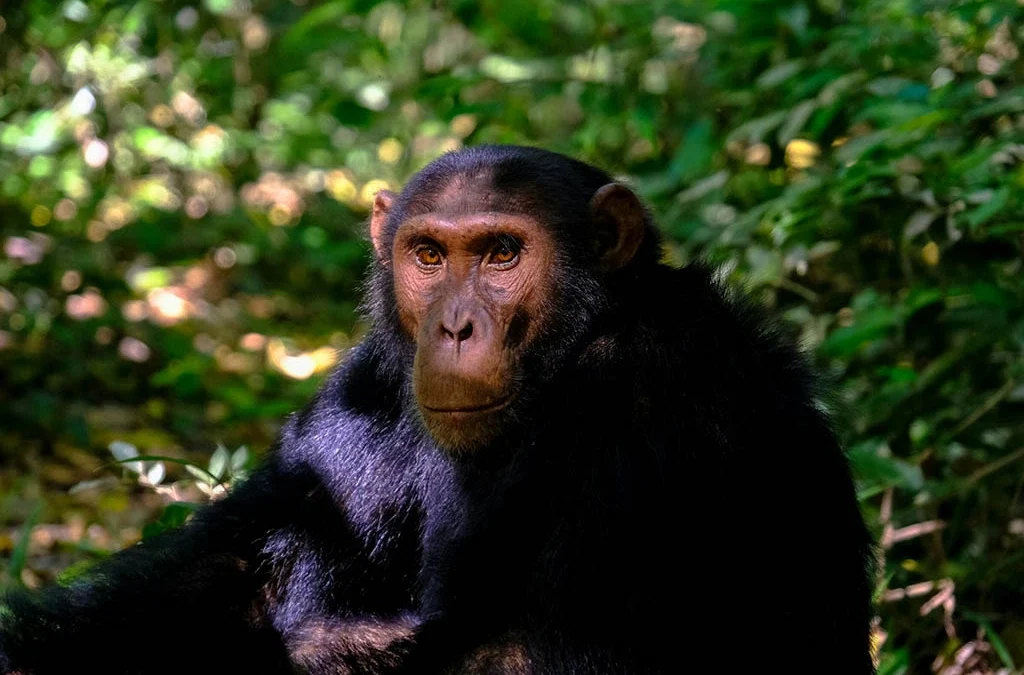
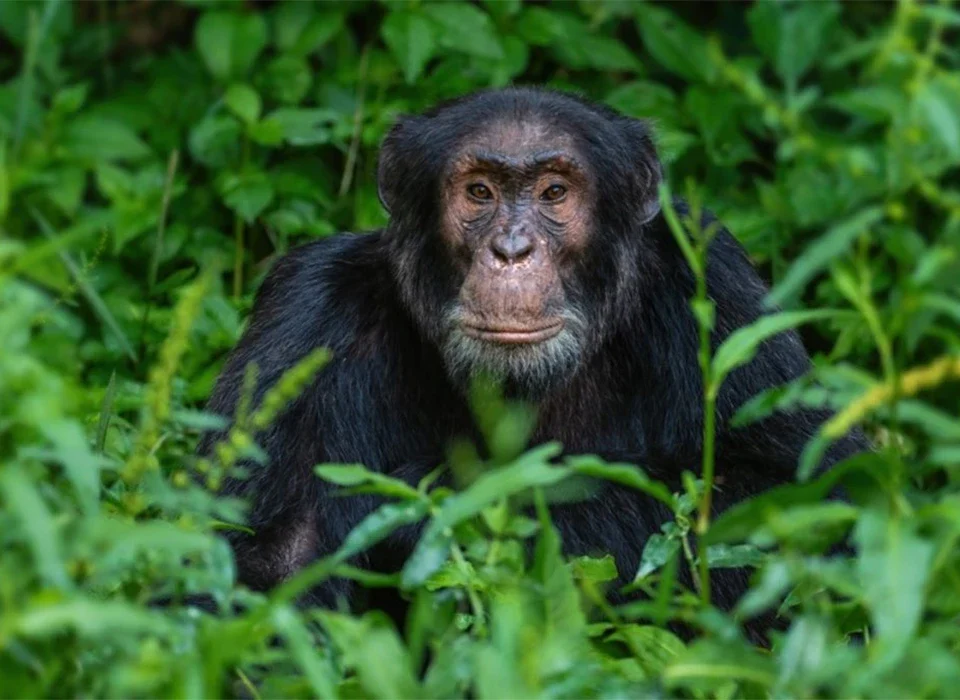
The double chimpanzee trekking experience in Kibale National Park is one of the most immersive ways to connect with Africa’s most fascinating primates. I quickly realized that a single trek, while exciting, only scratches the surface. You spend one hour with a habituated chimpanzee community, just enough to spark curiosity, but not enough to fully understand their world. Choosing to trek twice changes everything. It allows you to slow down, observe more deeply, and truly appreciate the complexity of chimpanzee behavior.
Whether you complete both treks in one day or spread them across two days, each session reveals something new. With guidance from Experiya Tour Company, the experience becomes seamless, allowing you to focus entirely on the forest, the sounds, and the unforgettable encounters.
What Is the Double Chimpanzee Trek?
A double chimpanzee trek simply means joining two separate guided trekking sessions in Kibale Forest, each offering a one-hour encounter with a habituated chimpanzee group. Kibale National Park, located in western Uganda, is widely regarded as the best place in Africa for chimpanzee trekking. The forest hosts one of the highest densities of chimpanzees on the continent, and its well-organized trekking system makes sightings highly successful.
You can approach this experience in two ways. First, you can take on both the morning and afternoon sessions in a single day. This option feels intense but incredibly rewarding, as you spend most of your day immersed in the forest. Alternatively, you can split the treks across two consecutive days. This second option gives your body time to recover and your mind time to process the first encounter before heading back in.
In both cases, you gain two full hours with chimpanzees, but more importantly, you gain two completely different perspectives.
Why Two Treks Offer a Deeper Experience
Chimpanzees do not behave the same way throughout the day. In fact, their routines shift significantly from morning to afternoon. During my first trek in the morning, I noticed how energetic and vocal the chimps were. They moved quickly through the forest, feeding on fruits and leaves, calling out loudly, and interacting in dynamic ways. Young chimpanzees played energetically, while dominant individuals asserted their place within the group.
However, the second trek told a different story.
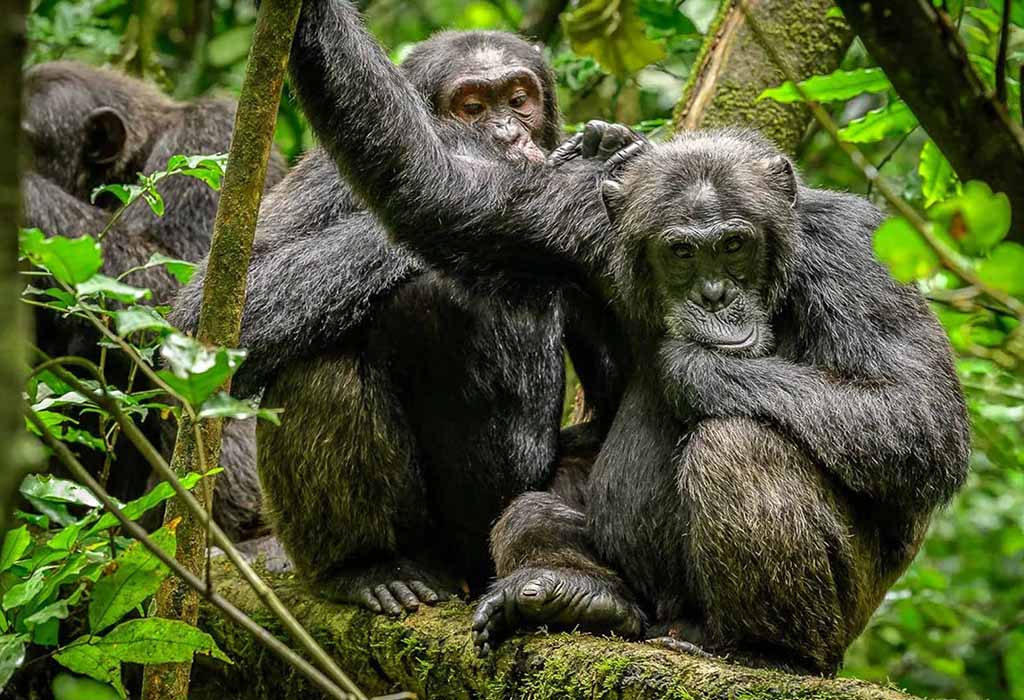
By the afternoon, the pace had slowed. The urgency of feeding had passed, and the chimpanzees became more relaxed. I watched them groom one another in quiet moments that revealed strong social bonds. These interactions felt more intimate and easier to follow. As the day progressed, some individuals began preparing nests, carefully selecting branches and weaving them into sleeping platforms. It was a remarkable display of intelligence and routine.
Because of this contrast, the double trek feels like watching two chapters of the same story. The morning shows energy and survival, while the afternoon reveals relationships and reflection. Together, they create a complete and meaningful understanding of chimpanzee life.
Permits, Costs, and Planning Ahead
Each trekking session requires its own permit, which means you need to secure two permits for a double trek. As of 2026, a single chimpanzee trekking permit costs between $250 and $300 for foreign non-residents. This brings the total cost for a double trek to approximately $500 to $600.
Permits are limited, and demand is high, especially during peak travel seasons. For that reason, I strongly recommend booking several months in advance. Working with Experiya Tour Company simplifies this process, ensuring that both trekking sessions align perfectly with your itinerary.
Planning early not only guarantees availability but also allows you to choose your preferred dates and trekking structure.
Trekking Structure and What to Expect
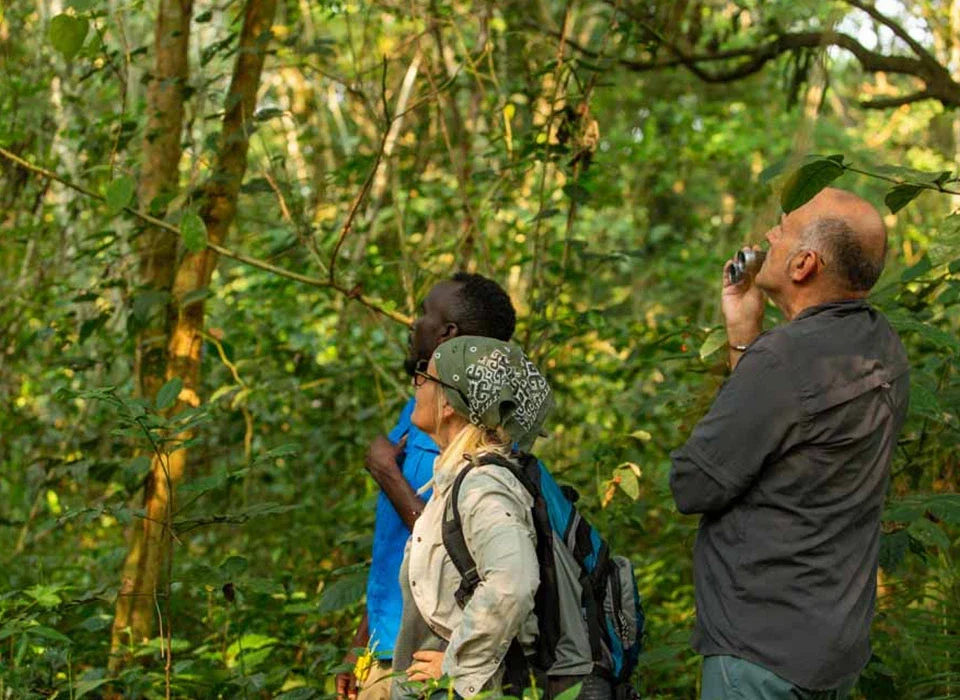
All chimpanzee trekking activities in Kibale begin at the Kanyanchu Visitor Centre. The day starts with a briefing from experienced ranger guides who explain the rules, safety measures, and what to expect in the forest.
Morning treks begin at 8:00 AM, while afternoon treks start at 2:00 PM. Before you even set off, trackers move ahead into the forest to locate the chimpanzees based on their last known position. Rangers then guide you using real-time updates, which increases your chances of finding the chimps efficiently.
The trek itself can vary in length and difficulty. Sometimes you find the chimpanzees within a short walk, while other times you may hike longer through dense vegetation. Once you locate them, the one-hour observation period begins.
During that hour, you follow the chimpanzees at a safe distance, observing their natural behavior without interference. Group sizes remain small, usually between six and eight people, which makes the experience feel personal and less crowded.
Preparing for a Double Trek
Preparation plays a crucial role, especially when you plan to trek twice. I learned that comfort and practicality matter more than anything else in the forest.
You should wear sturdy hiking boots with good grip, as the trails can be muddy and uneven. Long-sleeved shirts and trousers protect you from insects and scratches, while neutral colors help you blend into the environment. A lightweight rain jacket is essential because the forest weather can change quickly, even during the dry season.
Carrying a small backpack makes it easier to manage your essentials. Bring enough water to stay hydrated throughout both sessions, along with snacks to maintain your energy. Insect repellent is necessary, and a camera with a zoom lens allows you to capture incredible moments without getting too close.
Health Guidelines and Responsible Trekking
Chimpanzee trekking comes with strict health guidelines, and these rules are taken seriously. Visitors must be at least 15 years old, and anyone who is unwell cannot participate. Even a minor illness like a cold can pose a serious risk to chimpanzees, as they are highly susceptible to human diseases.
Before each trek, rangers conduct a basic health check. If you feel unwell, it is best to be honest and prioritize the well-being of the animals. Responsible tourism ensures that future generations will continue to enjoy these experiences.
Best Time to Go for Double Trekking
Timing can significantly influence your experience. The dry seasons, which run from June to September and December to February, offer the most favorable conditions. During these months, trails are easier to navigate, and visibility in the forest improves.
In addition, chimpanzees tend to move less during dry conditions, which can make them easier to locate. This increases the quality of your viewing experience, especially when you are trekking twice in one day.
That said, Kibale remains open year-round. If you choose to visit during the wet season, you should be prepared for more challenging trails and a physically demanding experience. However, the forest becomes lush and vibrant, offering its own unique beauty.
An Alternative: The Chimpanzee Habituation Experience
If two treks still do not feel like enough, there is another option worth considering. The Chimpanzee Habituation Experience allows you to spend extended time with a semi-habituated group alongside researchers.
Unlike standard trekking, which limits you to one hour, this experience can last up to four hours or even a full day. You follow the chimpanzees as researchers observe their behavior and gradually accustom them to human presence.
Although it is more physically demanding, it offers an unmatched level of immersion. For travelers who want to go beyond observation and truly understand chimpanzees, this experience is incredibly rewarding.
Final Thoughts
The double chimpanzee trekking experience in Kibale is more than just a wildlife activity. It is a journey into the daily life of one of our closest relatives. By choosing two treks instead of one, you give yourself the opportunity to see beyond the surface.
You witness the energy of the morning and the calm of the afternoon. You observe feeding, playing, grooming, and nesting. Most importantly, you leave with a deeper appreciation for the intelligence and social complexity of chimpanzees.
With thoughtful planning and support from Experiya Tour Company, this experience becomes not only manageable but truly unforgettable.