
Best 7 Things to Do on a Uganda Safari
September 18, 2026
Hiking Mount Karisimbi in Rwanda
September 18, 2026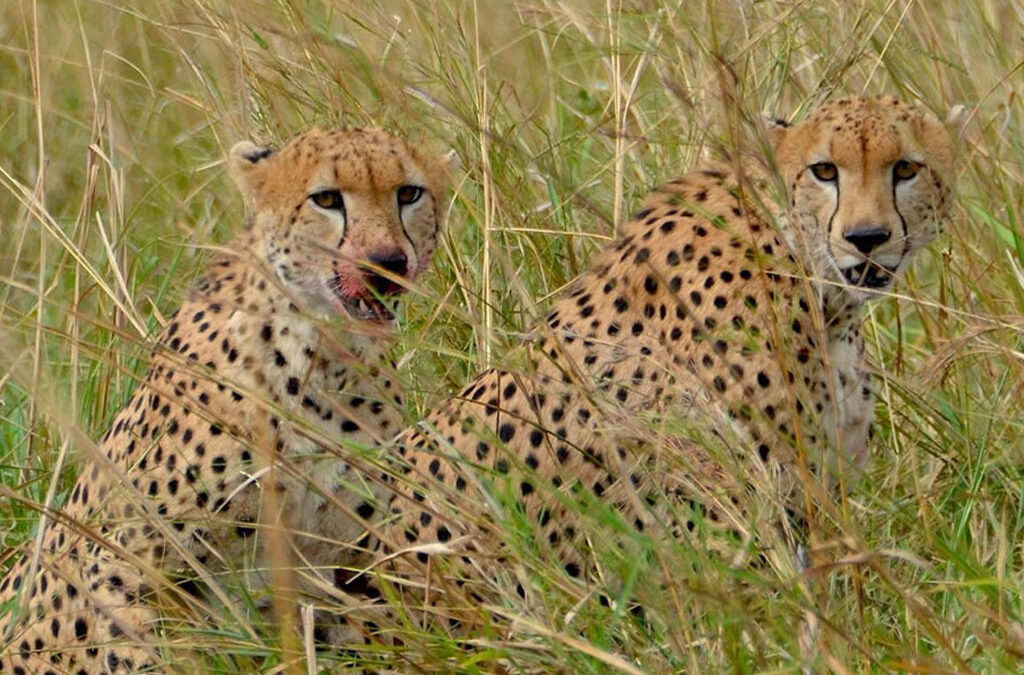
Uganda is home to 10 national parks, each offering a distinct combination of wildlife, landscapes, culture, and adventure. From the snow-capped peaks of the Rwenzori Mountains to the vast savannah plains of Murchison Falls National Park, the country gives travelers plenty of reasons to explore beyond the usual safari routes.
However, not all of Uganda’s national parks receive the same number of visitors. Accessibility, distance from Kampala, road conditions, and traveler preferences all influence how frequently tourists visit different destinations. Among Uganda’s national parks, Kidepo Valley National Park stands out as one of the most remote and isolated.
Located in Kaabong District in northeastern Uganda, Kidepo covers approximately 1,442 square kilometers of rugged wilderness. The park lies between Uganda’s borders with South Sudan and Kenya, roughly 700 kilometers from Kampala by road. Although the long journey requires patience, it rewards travelers with dramatic landscapes, abundant wildlife, peaceful surroundings, and a genuine sense of being far from the busy tourist circuits.
For travelers seeking a quieter and more adventurous Uganda safari, exploring Kidepo Valley National Park offers an experience that feels distinctly different from visiting the country’s more accessible parks.
The History of Kidepo Valley National Park
Kidepo has a long human history that existed well before it became a protected area. The region was traditionally inhabited by communities that practiced farming and hunting, including the Ketebo people.
During the colonial period, the British administration gazetted the area as a game reserve in 1958. The main aim was to protect wildlife from hunting while also controlling the clearing of natural vegetation.
After Uganda gained independence, the government upgraded Kidepo from a game reserve to a national park in 1962. Since then, conservation efforts have helped protect its wildlife, landscapes, and unique ecosystems.
Today, Kidepo is managed as an important conservation area in northeastern Uganda. Its remote location has also helped preserve a relatively undisturbed wilderness environment.
The Landscape and Valleys of Kidepo
One of the first things that strikes visitors in Kidepo is its scenery. Unlike Uganda’s wetter forested destinations, Kidepo features broad valleys, rugged mountains, dry riverbeds, rocky outcrops, and open savannah.
The park contains two major valley systems associated with the Kidepo and Narus rivers. These valleys create important habitats for wildlife, particularly during the dry season when animals gather around areas where water remains available.
The Narus Valley is especially important for wildlife because it retains water for longer periods than many other parts of the park. Consequently, large numbers of animals can be seen around the valley during dry periods.
Kidepo Valley, on the other hand, presents a more open and remote landscape. Its seasonal riverbed can become dry for much of the year, creating a striking contrast between the dry sandy channels and surrounding savannah.
The park also contains the Kanangorok Hot Springs in its northern section near the South Sudan border. The springs add another interesting feature to Kidepo’s already diverse landscape.
Wildlife in Kidepo Valley National Park
Kidepo is particularly famous for its wildlife diversity. The park supports more than 80 species of mammals, including several species that are rare or difficult to encounter elsewhere in Uganda.
For example, visitors may encounter cheetahs, bat-eared foxes, striped hyenas, roan antelopes, Beisa oryx, and klipspringers. These species contribute significantly to Kidepo’s reputation as a destination for travelers looking for wildlife that differs from what they might see in other Ugandan parks.
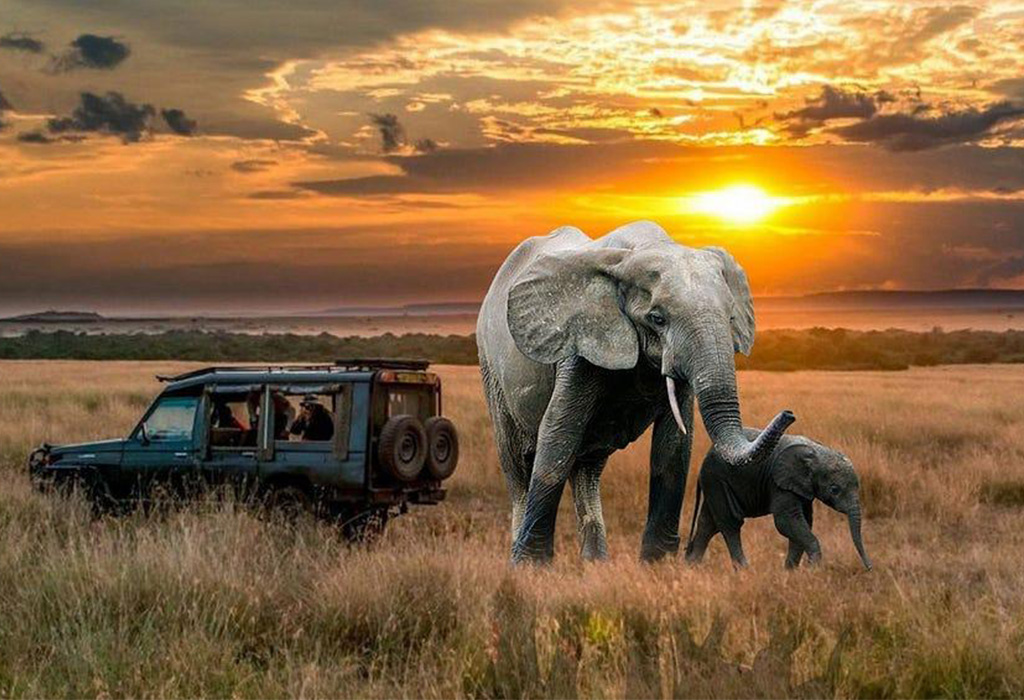
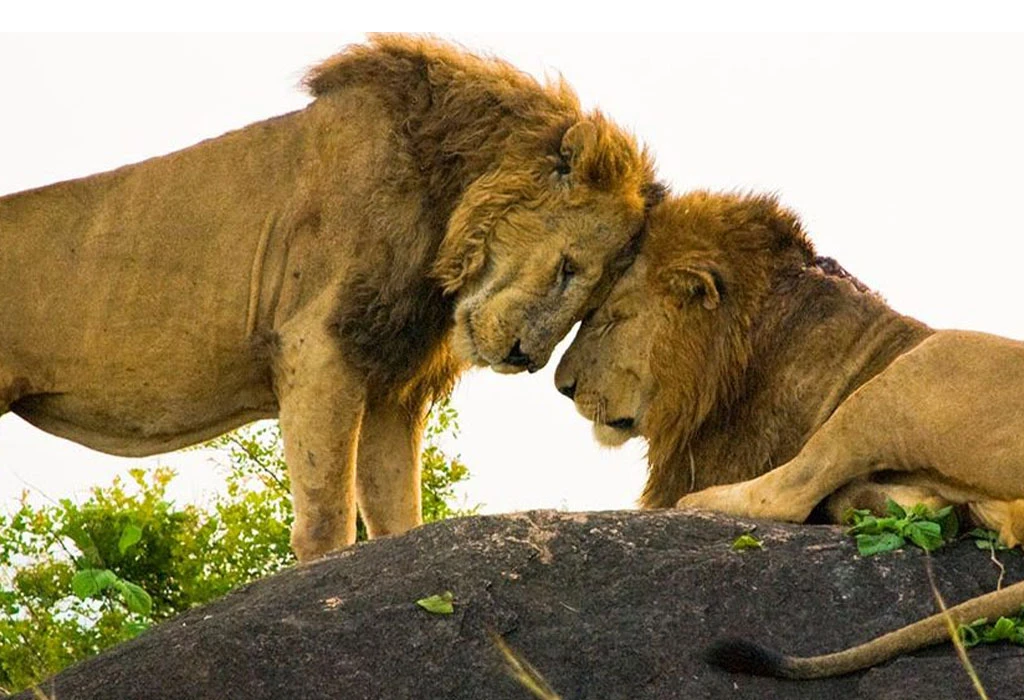
The park also supports more familiar African safari animals. During game drives, visitors can encounter lions, leopards, elephants, Cape buffaloes, giraffes, zebras, elands, warthogs, waterbucks, hartebeests, oribi, reedbucks, bushbucks, and bush pigs.
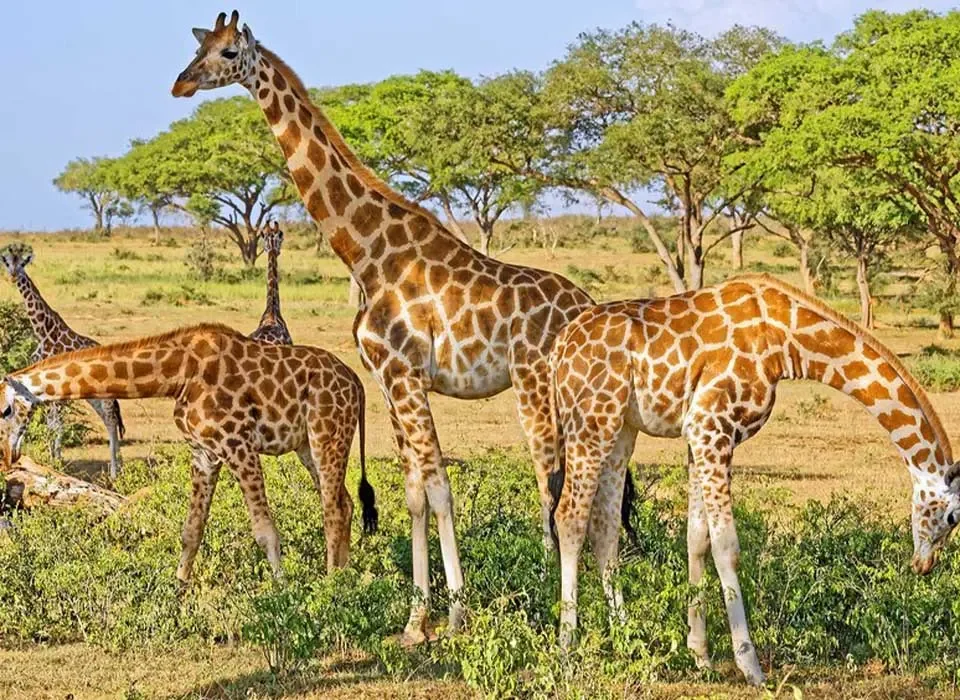
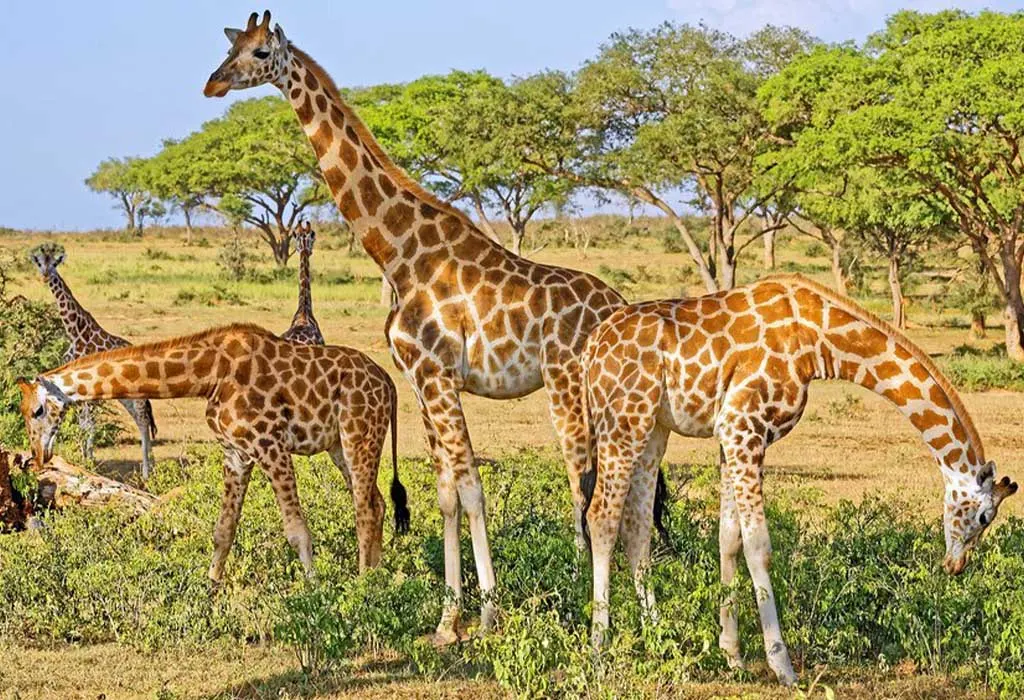
Kidepo is also known for its impressive population of giraffes, including the Rothschild’s giraffe. Large herds of buffalo can sometimes gather in the valleys, while elephants move through the savannah and woodland habitats.
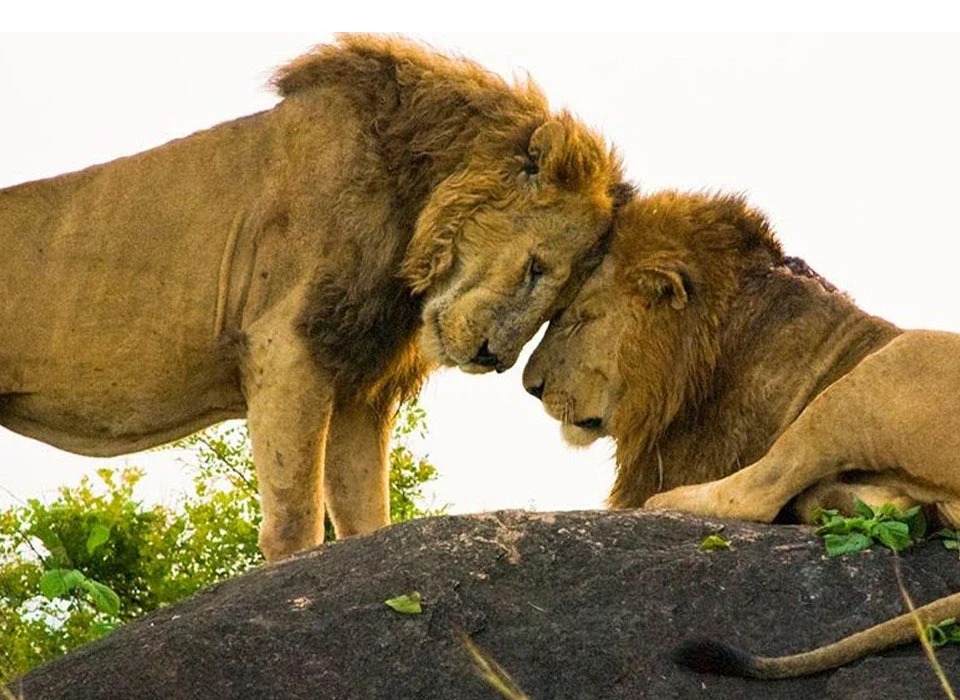
Predators add another layer of excitement to game drives. Lions and leopards are present, while the park’s diverse prey populations provide the foundation for a functioning predator-prey ecosystem.
Because wildlife movements change according to the season, water availability, and vegetation conditions, every game drive can offer something different.
Bird Watching in Kidepo Valley National Park
Kidepo is not only a destination for mammal watching. It is also an excellent place for bird enthusiasts.
The park supports more than 460 recorded bird species, including several birds associated with Uganda’s northeastern dry-country ecosystems. Among the most notable species are the ostrich and kori bustard, both of which are exciting sightings for birdwatchers.
Other birds found in Kidepo include Egyptian vultures, pygmy falcons, Verreaux’s eagles, Abyssinian ground hornbills, and yellow-billed hornbills.
The combination of open grasslands, wooded areas, valleys, rocky landscapes, and seasonal water sources creates a variety of habitats for different bird species.
Therefore, travelers interested in birding can combine game drives with dedicated bird-watching excursions. Early mornings are particularly rewarding because many birds become active before the heat of the day intensifies.
Activities to Enjoy in Kidepo Valley National Park
Although wildlife viewing remains the main attraction, visitors can enjoy several other experiences within and around the park.
Game drives provide the primary way to explore Kidepo. They allow visitors to cross the open savannah, follow wildlife tracks, and search for predators and herbivores across the valleys.
Nature walks can provide a closer appreciation of the smaller details of the ecosystem. With trained guides, travelers can learn about plants, animal tracks, insects, birds, and the relationship between local communities and the surrounding environment.
Cultural encounters also add depth to a Kidepo safari. Visitors can interact with communities in the region, learn about local traditions, experience traditional dances, and gain insight into the lifestyles and history of the people who live around the park.
The park’s remote setting also makes photography particularly rewarding. Wide valleys, dramatic mountains, wildlife, and changing light create excellent opportunities for landscape and wildlife photography.
Where to Stay in Kidepo Valley National Park
Despite its remote location, Kidepo offers several accommodation options for travelers with different budgets and preferences.
Apoka Safari Lodge provides a luxury safari experience, while Kidepo Savannah Lodge offers another comfortable option for visitors exploring the region. Travelers looking for simpler accommodation can consider Apoka Rest Camp, depending on availability and their preferred level of comfort.
Accommodation options around Kidepo can change over time, so it is important to confirm availability and current facilities before traveling.
Because the park is remote and has fewer accommodation facilities than some of Uganda’s more frequently visited destinations, advance booking remains advisable, particularly during busy travel periods.
How to Get to Kidepo Valley National Park
Kidepo’s isolation is part of its appeal, but it also means that reaching the park requires more planning.
Travelers can reach Kidepo by road from Kampala, although the journey is long. Most visitors therefore include the park as part of a longer Uganda safari rather than making it a short standalone trip.
It is also possible to access the park by domestic or chartered flight, which significantly reduces travel time. Flying can be particularly convenient for travelers with limited time or those who prefer to spend more of their holiday enjoying the destination rather than traveling by road.
Before setting out, travelers should confirm road conditions, park access arrangements, accommodation availability, and transportation options.
The Best Time to Explore Kidepo
Kidepo can be visited throughout the year, although conditions vary considerably between seasons.
During the drier months, wildlife tends to concentrate around remaining water sources, making animal viewing easier in some areas. The vegetation also becomes less dense, which can improve visibility during game drives.
The wetter months transform the landscape, bringing fresh vegetation and creating beautiful scenery. Bird activity can also become particularly interesting during this period.
Ultimately, the best time to visit depends on what you want from your safari. A knowledgeable safari operator such as Experiya Tour Company can help you choose the travel period and itinerary according to your interests, available time, and preferred activities.
Why Visit Uganda’s Most Isolated National Park?
Kidepo’s greatest attraction is not simply the number of animals found there. It is the combination of wildlife, scenery, remoteness, and tranquility.
Unlike destinations that experience heavy tourist traffic, Kidepo often gives visitors a stronger feeling of space and solitude. The long journey into northeastern Uganda gradually takes you away from busy towns and into a landscape characterized by mountains, valleys, dry riverbeds, and open savannah.
For adventurous travelers, that remoteness becomes part of the experience rather than an inconvenience. The journey allows you to discover a less-explored side of Uganda while experiencing a national park with its own distinctive character.
Whether your interest lies in rare wildlife, bird watching, photography, cultural experiences, or simply exploring a quieter part of Uganda, Kidepo Valley National Park deserves a place on your safari itinerary.
Explore Kidepo Valley National Park with Experiya Tour Company
Exploring Uganda’s most isolated national park requires thoughtful planning because of its distance and remote setting. Experiya Tour Company can help organize your Kidepo safari, including transportation, accommodation, game drives, guided experiences, and other activities that suit your travel plans.
Kidepo may be far from Kampala, but its remarkable landscapes and diverse wildlife make the journey worthwhile. For travelers who want to discover a different side of Uganda, this remote northeastern wilderness offers an opportunity to experience the country away from the more familiar safari routes.