
Uganda’s Most Fascinating Primates Beyond Gorillas
September 15, 2026
How to Behave in Front of a Gorilla: A Guide to Safe and Respectful Gorilla Trekking
September 16, 2026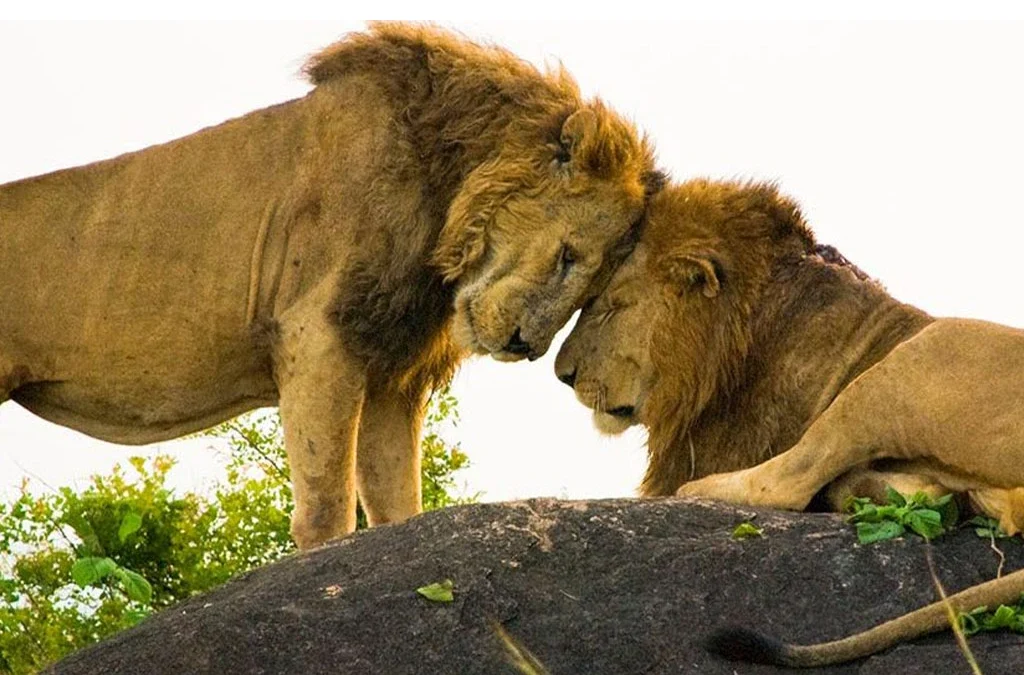
Kidepo Valley National Park is one of Uganda’s most remarkable wildlife destinations, especially for travelers looking for a safari experience away from the country’s busier tourism circuits. Located in the remote northeastern corner of Uganda, the park is characterized by vast savannah plains, rugged mountains, seasonal valleys, and open landscapes that support an impressive variety of wildlife.
Unlike many other Ugandan parks, Kidepo has a strong connection to the wildlife of the wider Karamoja region. Its location near the borders of Kenya and South Sudan gives it a distinctive mix of animal species, including several that are uncommon or absent from other Ugandan national parks.
For travelers planning a Uganda safari with Experiya Tour Company, Kidepo offers excellent opportunities to encounter large mammals, predators, antelopes, primates, and numerous bird species in a relatively uncrowded setting.
The Big Four Animals in Kidepo Valley National Park
Kidepo Valley National Park supports several members of Africa’s famous Big Five, making it an exciting destination for traditional game viewing. Lions and leopards are present in the park, although sightings of these predators can be unpredictable because they are naturally elusive.
Lions are among the most impressive animals to encounter in Kidepo. They can sometimes be spotted resting beneath trees, moving across the plains, or searching for prey. Their presence adds considerable excitement to game drives, particularly in areas where large herds of buffalo and other prey animals occur.
Leopards also inhabit the park. However, they are more difficult to find because they are solitary, secretive, and often active during the cooler hours of the day. A sighting therefore depends on patience, an experienced guide, and a little luck.
African elephants are much easier to encounter in suitable areas of the park. Herds can be seen moving through the savannah, feeding on vegetation, or gathering around water sources. Their size and relaxed movements create some of the most memorable moments during a Kidepo safari.
Cape buffaloes are also widespread. Large herds can sometimes be seen grazing across the open plains, creating spectacular wildlife scenes against Kidepo’s rugged mountain backdrop.
Zebras and Jackson’s Hartebeest
Kidepo is an excellent destination for seeing plains wildlife, including zebras and Jackson’s hartebeest. Zebras are often found grazing in open grasslands where their distinctive black-and-white patterns stand out against the golden savannah.
Jackson’s hartebeest is particularly interesting because it is strongly associated with the northeastern part of Uganda. These antelopes can often be observed grazing or moving between feeding areas. Their long faces, sloping backs, and unusual body shape make them easy to distinguish from other antelope species.
The combination of zebras, hartebeest, buffaloes, and other grazers makes game drives across Kidepo’s plains particularly rewarding.
Antelopes Found in Kidepo
Kidepo Valley National Park supports an impressive range of antelope species. These animals form an important part of the park’s ecosystem because they provide food for predators while also contributing to the balance of the savannah environment.
Commonly encountered species include Uganda kob, oribi, eland, and klipspringer. Uganda kob can be seen grazing in suitable grassland areas, while oribis are smaller antelopes that are often associated with open habitats.
Elands are among the largest antelopes in Africa. Their considerable size makes them particularly impressive when encountered during a game drive. Klipspringers, on the other hand, are much smaller and are specially adapted to rocky terrain. They may be spotted around rocky slopes and mountain areas.
Kidepo also supports mountain reedbuck, a species that prefers rocky and mountainous habitats. Their presence reflects the park’s diverse landscape, which ranges from broad savannah plains to rugged highlands.
Cheetahs and Other Predators
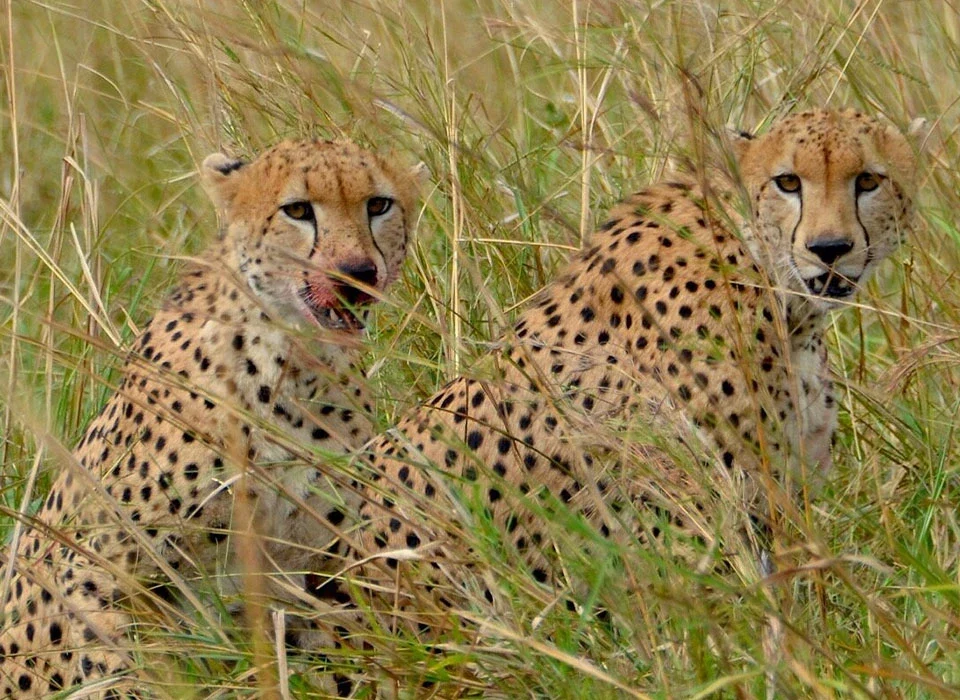
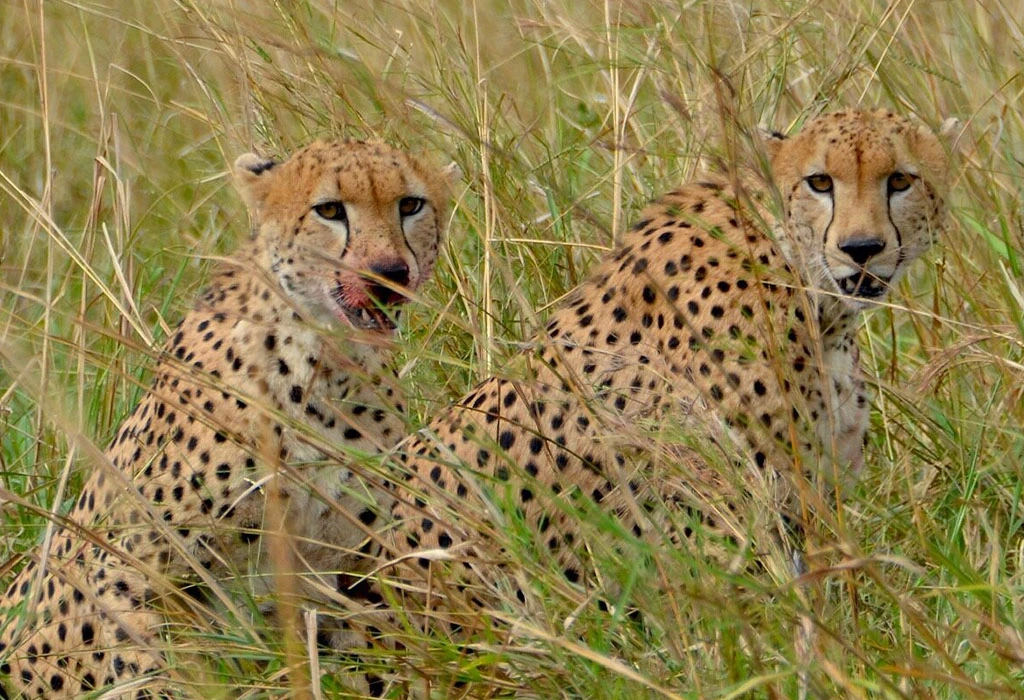
One of Kidepo’s greatest attractions is its population of predators. Cheetahs are among the most sought-after animals in the park. They are less frequently encountered than herbivores, but the possibility of seeing one makes every game drive exciting.
Cheetahs are built for speed and usually rely on open terrain where they can pursue prey. Their slender bodies and distinctive black facial markings make them easy to recognize when seen at close range.
Hyenas are another important predator in Kidepo. Although sightings may not be guaranteed, these highly adaptable carnivores play a vital role in the ecosystem. They hunt as well as scavenge and help remove remains left by other predators.
The park also has jackals, including black-backed and side-striped jackals. These smaller carnivores can sometimes be seen moving through grasslands and other open habitats.
Rare and Unusual Mammals
One of the reasons Kidepo stands out from other Ugandan safari destinations is its collection of unusual mammals. Some species found here are rarely encountered elsewhere in Uganda.
The aardwolf is one of the more unusual animals associated with the region. Although it is a member of the hyena family, it differs considerably from spotted and striped hyenas because it mainly feeds on termites and other insects.
The caracal is another elusive species that may occur in Kidepo. This medium-sized wild cat is recognized by its reddish coat and prominent black-tufted ears. Seeing one requires considerable patience because caracals are secretive and difficult to locate.
Kidepo is also known for Guenther’s dik-dik, one of Africa’s smallest antelopes. These tiny animals usually live in pairs and can be surprisingly difficult to notice because of their small size and cautious behavior.
Bat-eared foxes are another interesting species associated with the park and surrounding region. Their unusually large ears help them detect prey, particularly insects, while moving through open habitats.
Giraffes and Other Large Mammals
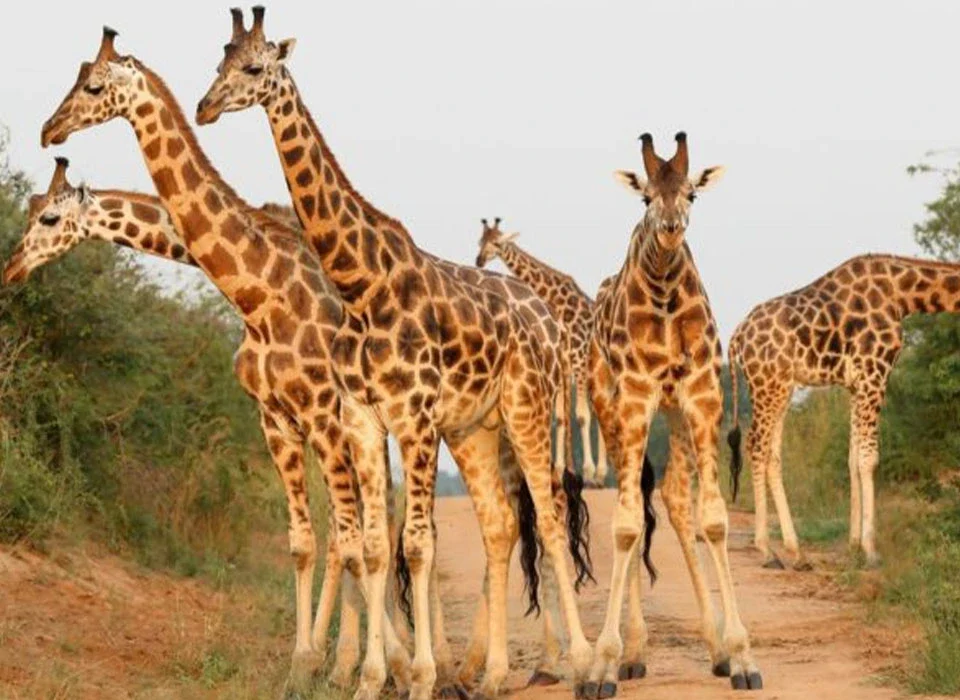
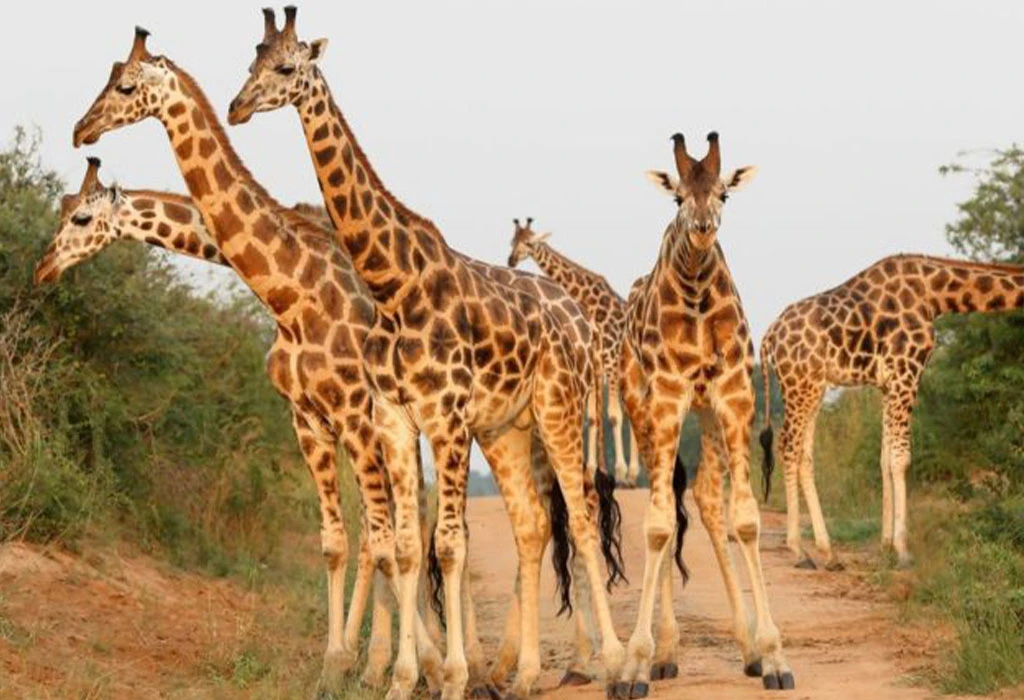
Giraffes can also be found in Kidepo Valley National Park. Their height allows them to feed on leaves beyond the reach of many other herbivores. Watching a giraffe move across the savannah with the mountains in the background can be an exceptional safari experience.
However, wildlife sightings are never guaranteed. Animals move according to food availability, water, weather, and seasonal conditions. Therefore, visitors should approach every game drive with realistic expectations and allow their guide time to search different habitats.
The Rare Patas Monkey
Kidepo is not only about large mammals. The park also supports interesting primate species, including the patas monkey.
Patas monkeys are particularly well adapted to open savannah environments. Unlike many forest-dwelling primates, they spend much of their time on the ground and can move rapidly across grasslands. Their reddish-brown bodies and long limbs make them distinctive.
A sighting of patas monkeys adds another dimension to a Kidepo safari because they demonstrate how wildlife can adapt to different environments.
Why Kidepo Is Different from Other Ugandan Parks
Kidepo Valley National Park offers a wildlife experience that feels different from visiting many of Uganda’s other protected areas. Its remote location, expansive landscapes, rugged mountains, and relatively low visitor numbers create a sense of wilderness and exploration.
Moreover, the park’s position in northeastern Uganda allows visitors to encounter several species that are uncommon elsewhere in the country. This makes Kidepo particularly appealing to experienced safari travelers and wildlife enthusiasts who want to expand their Ugandan safari beyond the more established destinations.
The landscape itself is also part of the attraction. During game drives, travelers may encounter wildlife against dramatic views of the Narus Valley and surrounding mountains. Seasonal changes can transform the scenery, with greener landscapes during wetter periods and golden grasslands during drier months.
Best Way to See Animals in Kidepo
Game drives remain the main way to explore Kidepo Valley National Park. Early morning and late afternoon drives are particularly rewarding because wildlife is generally more active when temperatures are cooler.
A knowledgeable safari guide can make a major difference. Guides understand animal behavior, recognize tracks and signs, and know areas where different species are commonly encountered. They also help visitors observe wildlife responsibly without disturbing the animals.
For travelers planning a safari to northeastern Uganda, Experiya Tour Company can help organize a Kidepo itinerary that combines game drives with other experiences in the region.
Conclusion
Kidepo Valley National Park is one of Uganda’s richest destinations for wildlife viewing. From elephants, buffaloes, lions, and leopards to zebras, hartebeest, elands, cheetahs, and smaller antelopes, the park offers an impressive variety of mammals.
Furthermore, species such as patas monkeys, Guenther’s dik-dik, caracals, aardwolves, mountain reedbuck, and bat-eared foxes add to Kidepo’s unique character. While some animals are easier to find than others, every game drive offers the possibility of an exciting encounter.
For anyone interested in exploring Uganda’s wildlife beyond the better-known safari destinations, Kidepo Valley National Park deserves a place on the itinerary. Its remote setting, diverse wildlife, dramatic scenery, and distinctive northern species make it a truly special destination for a Uganda safari with Experiya Tour Company.