Wildlife Viewing in Lake Mburo National Park
October 2, 2026
Comparing Gorilla and Chimpanzee Trekking in Uganda
October 3, 2026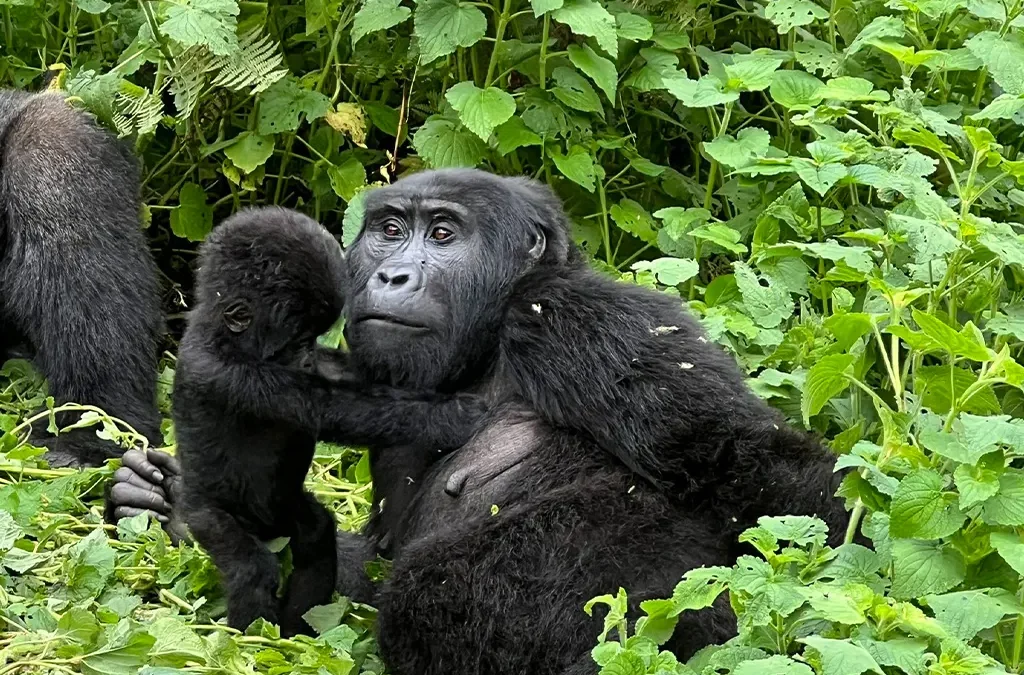
Knowing what to do if you encounter a gorilla on a trek is one of the most important things to understand before setting out on a Uganda gorilla safari. Meeting a mountain gorilla in its natural forest habitat can be an emotional and unforgettable experience, but it also requires respect, patience, and responsible behavior.
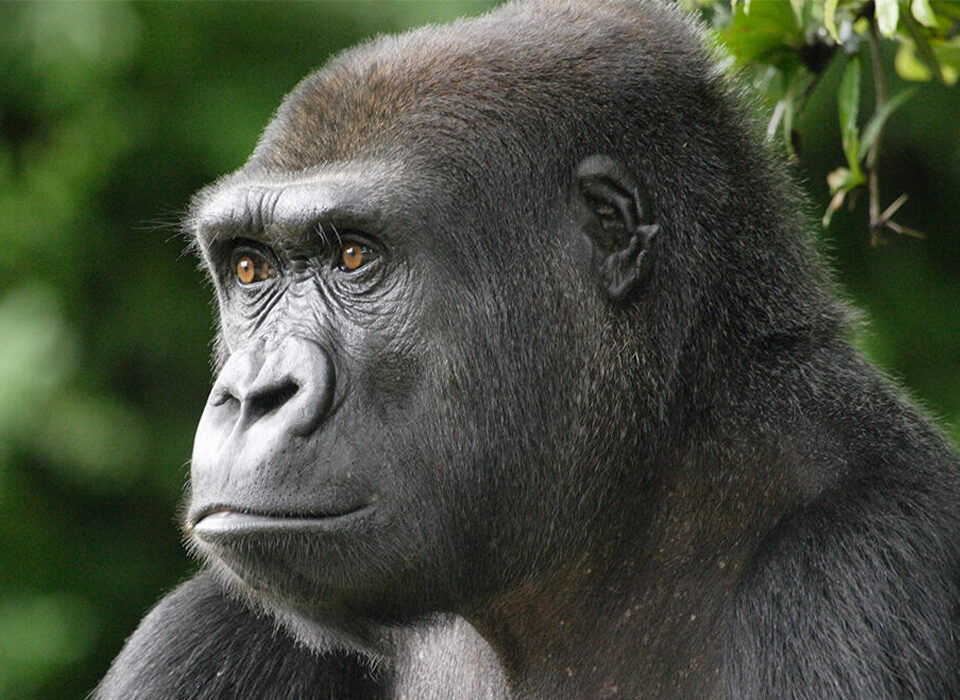
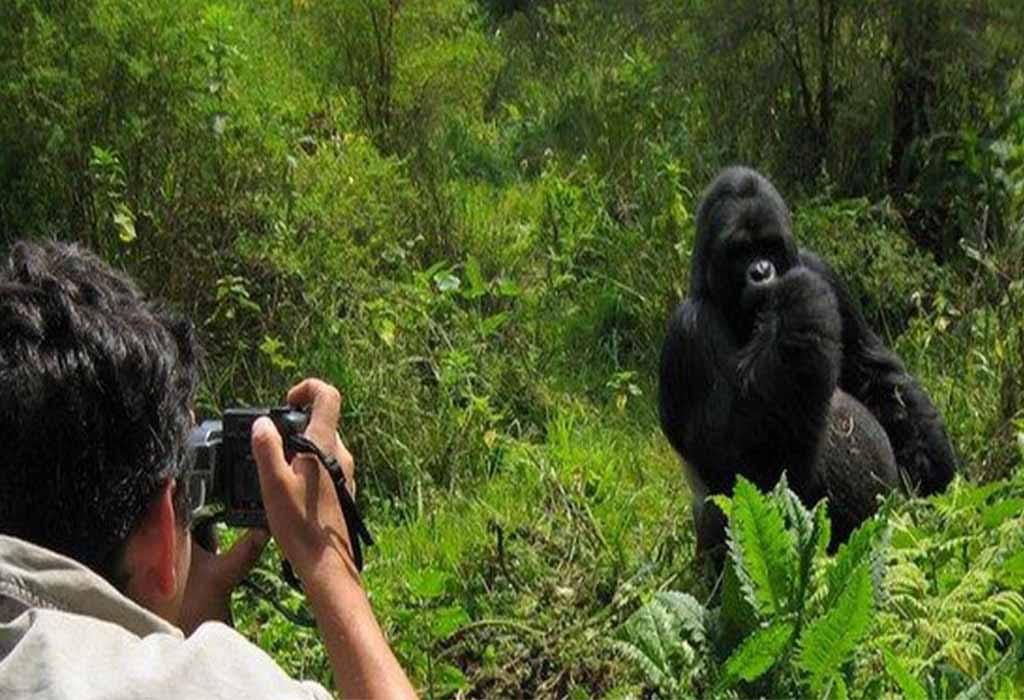
Uganda is home to a significant proportion of the world’s remaining mountain gorillas, with the main trekking experiences taking place in Bwindi Impenetrable National Park and Mgahinga Gorilla National Park. As you walk through the forest, you may eventually find yourself only a short distance from a silverback, mother, or playful young gorilla.
That moment can feel overwhelming. However, there is no need to panic. Rangers and guides accompany visitors throughout the gorilla trekking experience and provide instructions based on the behavior and location of the gorilla family. Before entering the forest, trekkers also receive a briefing on the rules they must follow.
At Experiya Tour Company, we encourage travelers to understand these guidelines before the trek. Knowing how to behave around mountain gorillas makes the experience safer for everyone and helps protect these remarkable animals.
Understanding Gorilla Behavior Before the Encounter
Before discussing what to do if you encounter a gorilla on a trek in Uganda, it helps to understand a little about gorilla behavior.
Mountain gorillas live in family groups that usually include several individuals under the leadership of a dominant silverback. The silverback helps protect the group, responds to potential threats, and maintains order within the family. Other members may include females, younger males, infants, and juveniles.
Despite their size and strength, mountain gorillas generally spend their days engaged in ordinary activities such as feeding, resting, moving through the forest, grooming, and caring for their young. A gorilla that appears intimidating is not necessarily preparing to attack.
For visitors, the most important lesson is to avoid interpreting every movement as aggression. A gorilla may walk toward you simply because it is moving through its habitat.
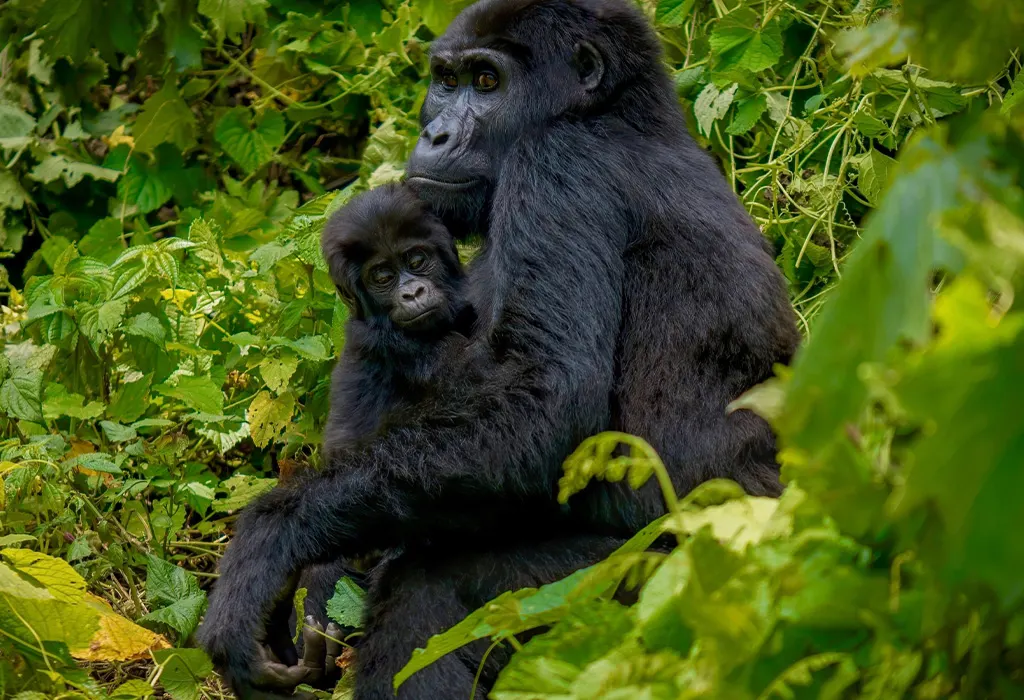
During the trek, therefore, watch the animal’s behavior while paying close attention to your ranger. The ranger understands the group’s behavior and can tell you when to stand still, move back, lower your body, or adjust your position.
Always Follow the Ranger’s Instructions
When you are wondering what to do if you encounter a gorilla on a trek, the first rule is simple: listen to your ranger.
Gorilla trekking takes place in a wild environment, and every encounter can develop differently. The ranger team understands the gorilla family’s movements and knows how to respond when an animal approaches the trekking group.
If a gorilla comes closer, your guide may instruct you to remain where you are. At another moment, the ranger may ask the group to slowly move away. Follow those instructions immediately rather than trying to make your own decision.
The pre-trek briefing is also important. Do not treat it as a formality. It prepares you for situations you may encounter inside the forest, including close approaches by gorillas.
During your Uganda gorilla trekking experience, remember these basic principles:
- Listen carefully to the ranger and follow instructions.
- Keep your movements slow and controlled.
- Never run from a gorilla.
- Do not attempt to touch or feed a gorilla.
- Keep your voice low.
- Respect the required viewing distance.
- Ask your guide before changing your position for photography.
These simple actions can make a significant difference during a close wildlife encounter.
Stay Calm and Avoid Sudden Movements
Remaining calm is one of the most important things to remember when learning what to do if you encounter a gorilla on a trek.
Seeing a huge silverback suddenly appear nearby can naturally make your heart race. Nevertheless, try not to scream, run, wave your arms, or make sudden movements. Instead, stay composed and let your ranger guide the situation.
Gorillas are powerful wild animals, so visitors should never deliberately provoke them or attempt to get a reaction for a photograph. A calm and predictable presence helps reduce unnecessary disturbance.
If a gorilla approaches you, allow it to move naturally. Do not try to move closer simply because you want a better photograph. The experience is about observing the animal in its natural environment, not controlling the encounter.
In my view, one of the best parts of gorilla trekking is precisely this unpredictability. You enter the forest with an idea of what you might see, but the actual encounter unfolds according to the gorillas’ movements.
Maintain a Safe Distance
Keeping an appropriate distance is another essential part of what to do if you encounter a gorilla on a trek in Uganda. Uganda’s gorilla trekking guidelines generally require visitors to maintain a minimum distance of 7 metres from the gorillas, although circumstances in the forest can sometimes make exact distancing difficult.
If a gorilla approaches you and reduces the distance, do not panic or attempt to push it away. Instead, remain calm and follow the ranger’s instructions.
Distance serves an important conservation purpose. Humans and gorillas can transmit certain respiratory illnesses to one another, so reducing close contact helps protect both visitors and gorillas.
For this reason, responsible gorilla tourism is about more than personal safety. It is also about protecting a vulnerable population from preventable human-borne diseases.
Avoid Direct Staring and Aggressive Body Language
Visitors sometimes wonder whether they should look directly at a gorilla during an encounter. The safest approach is to avoid prolonged, confrontational staring and aggressive body language.
Do not try to challenge a silverback by standing tall, beating your chest, shouting, or making threatening gestures. You should also avoid imitating gorilla displays simply to get a reaction.
Instead, remain relaxed and listen to your guide.
You can still observe the gorilla and appreciate its behavior without deliberately creating a confrontation. Watch its movements naturally, keep your body language calm, and allow the ranger to manage the encounter.
Understanding how to behave around mountain gorillas is particularly important when you are close to a silverback because the animal is responsible for protecting its family.
Keep Your Voice Low
A quiet forest creates the perfect setting for observing gorillas, and visitors should help maintain that peaceful atmosphere.
Avoid shouting, loud laughter, music, or unnecessary conversation. If you need to communicate with another traveler, speak quietly. This allows you to remain aware of the gorillas while reducing disturbance.
You may hear branches breaking, leaves moving, or gorillas making different vocalizations. Resist the temptation to respond loudly. Instead, listen and let the ranger explain what is happening.
A quieter approach also improves your own experience. When the group remains silent, you have a better opportunity to hear gorillas feeding, moving through vegetation, or communicating with one another.
Never Touch a Gorilla
One of the clearest rules during gorilla trekking is never touch a gorilla, even when the animal comes close to you.
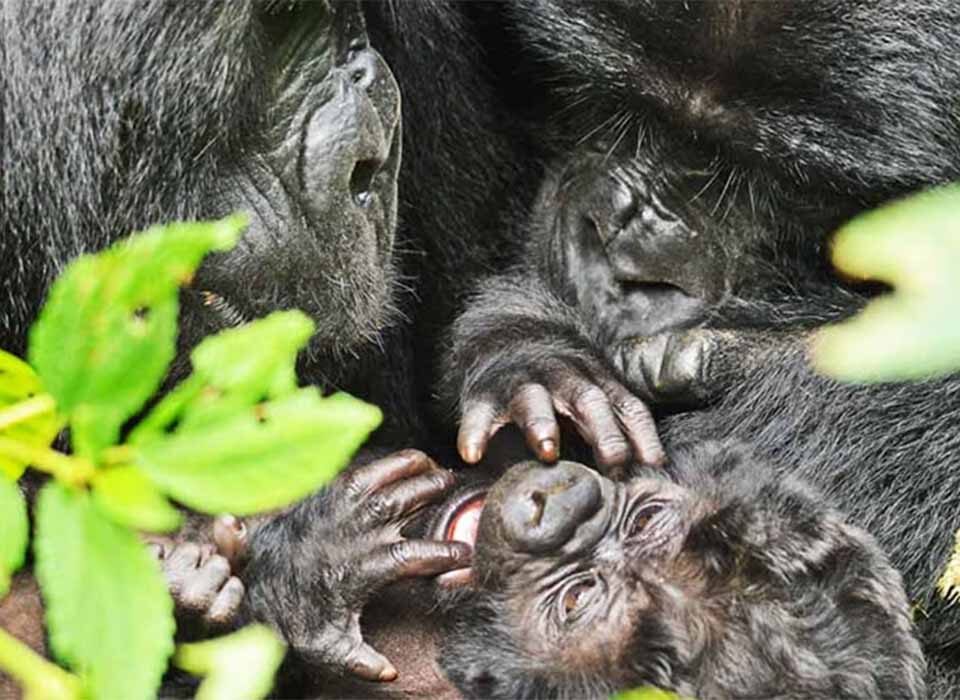
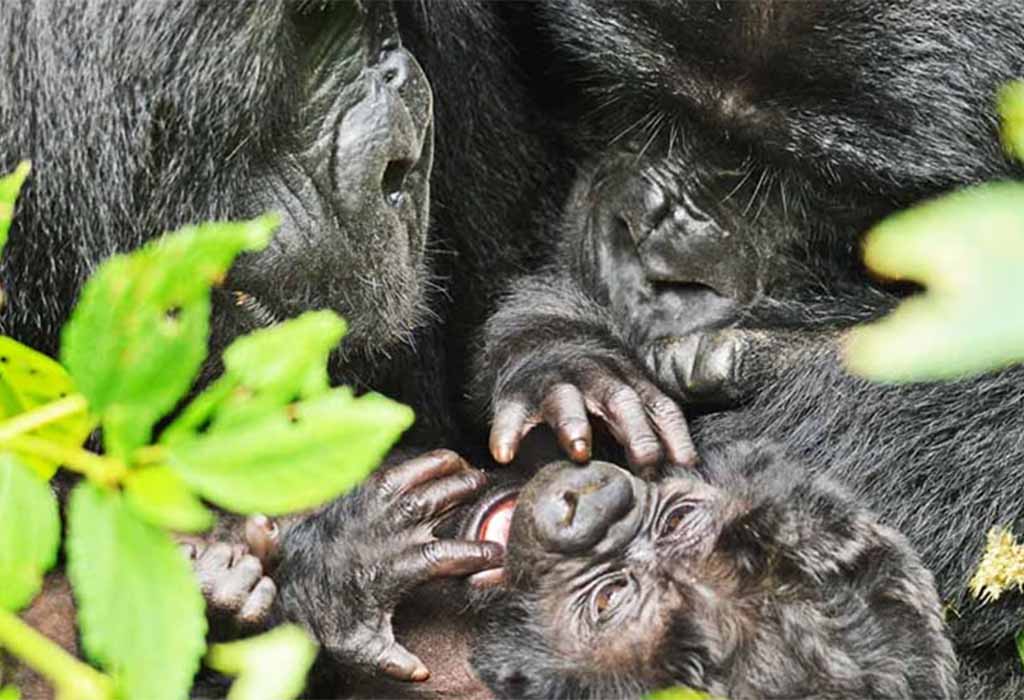
Young gorillas can be particularly curious. A juvenile may approach visitors, inspect the group, or move past someone at close range. Even in such a remarkable moment, resist the urge to reach out.
Physical contact creates unnecessary risks for both people and gorillas. Mountain gorillas are susceptible to some human illnesses, while visitors should also remember that these are wild animals with considerable strength.
If a gorilla comes close, the best response is to remain calm and allow the animal to decide where it wants to go. Do not attempt to attract its attention or encourage further interaction.
What to Do If a Gorilla Charges
A gorilla charge can be one of the most frightening moments for a first-time trekker. However, it is important to understand that gorillas may sometimes display intimidating behavior without making physical contact.
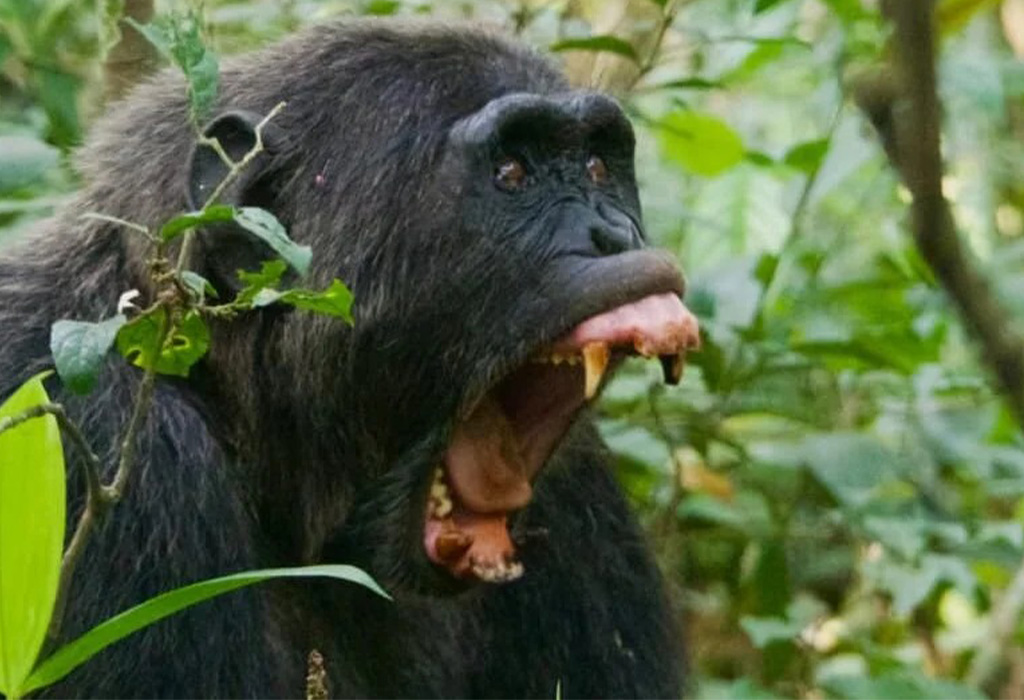
A silverback may beat its chest, vocalize loudly, move rapidly toward a person, or stop suddenly. Such behavior can serve as a display rather than an actual attempt to attack.
So, what should you do if a gorilla charges? Stay calm, do not run, and follow the ranger’s instructions.
Running away can create a more unpredictable situation. Instead, remain where the ranger tells you to remain and avoid screaming or making aggressive gestures.
Your ranger has experience interpreting gorilla behavior. Trust that guidance rather than reacting instinctively.
Give Gorillas the Right of Way
Gorillas are wild animals, and visitors are entering their natural habitat. Therefore, you should always give the animals room to move.
If a gorilla wants to cross the trail, do not block its path. Stand where your ranger instructs you and allow the animal to pass.
The same principle applies when gorillas move through vegetation near the trekking group. Avoid trying to follow them closely simply to obtain a better view.
This respectful approach allows the gorillas to continue their normal activities with minimal interference.
Follow the One-Hour Gorilla Viewing Rule
Once trekkers locate their assigned gorilla family, the standard gorilla viewing period is limited to one hour. The time limit helps regulate tourism and reduces prolonged disturbance to the animals.
That hour can pass surprisingly quickly.
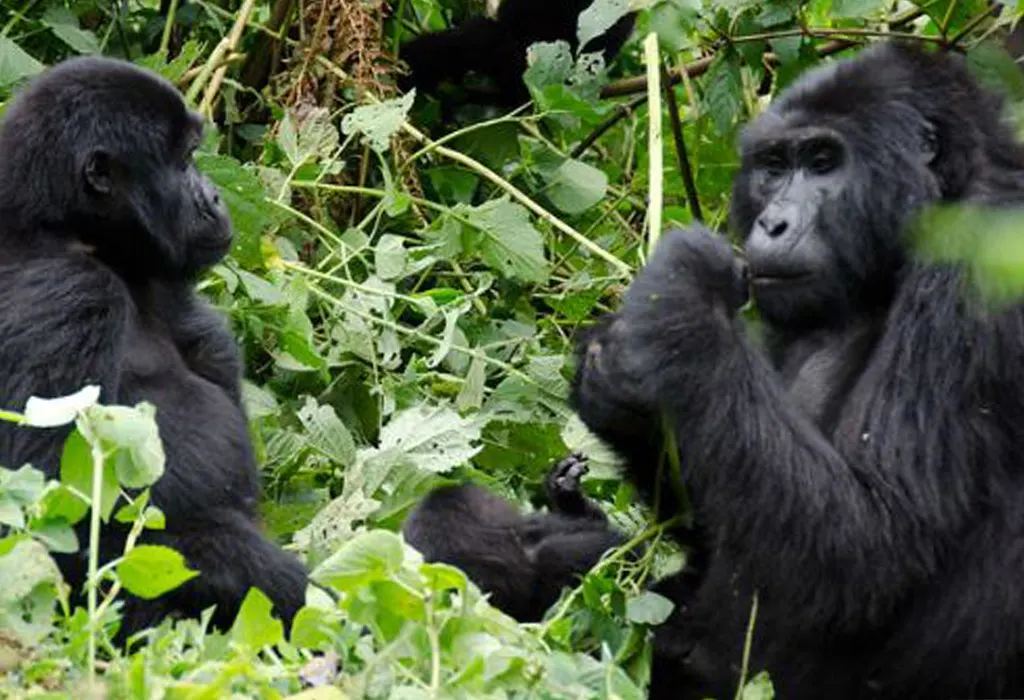
You may spend the time watching gorillas feed, groom one another, rest, climb, move through vegetation, or care for young ones. Instead of focusing entirely on taking photographs, take time to observe their behavior.
When your ranger tells you that the viewing period has ended, prepare to leave calmly. Do not ask to remain longer or attempt to follow the gorillas after the official encounter.
How to Take Photos Without Disturbing Gorillas
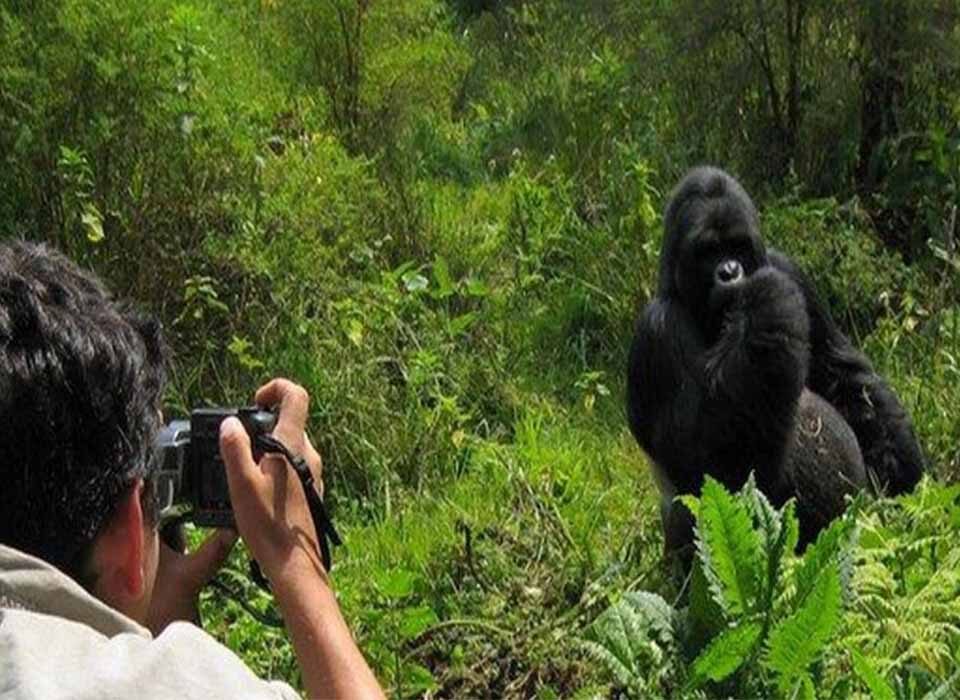
Photography is an important part of many Uganda gorilla trekking experiences. However, getting a photograph should never become more important than following the trekking rules.
Keep your camera ready before approaching the gorilla family so that you do not need to make unnecessary movements. Take photographs quietly and avoid using flash.
If you use a smartphone, keep it on silent mode. Sudden sounds from phones can disturb the experience, especially in a quiet forest.
Most importantly, do not move closer to a gorilla because you want a better photograph. A slightly wider photograph showing the forest and the gorilla can often tell a more authentic story than a forced close-up.
What If a Gorilla Comes Very Close?
This is one of the questions travelers ask most often before a Uganda gorilla safari.
If a gorilla comes within the recommended distance, do not panic. Do not touch it, do not run, and do not attempt to move around it without your ranger’s direction.
Remain calm and allow the animal to move naturally.
The ranger may ask you to remain still, lower your posture, or move slowly depending on the situation. The correct response can vary because every encounter is different.
Remember that you are observing a wild animal in its home. The goal is not to make the gorilla behave according to your expectations. Instead, visitors should adapt their behavior to the animal and the guidance of the ranger.
Why Responsible Gorilla Trekking Matters
Gorilla trekking is more than a wildlife activity. It is closely connected to conservation, local communities, tourism employment, and the protection of mountain gorilla habitat.
When visitors follow trekking rules, they help reduce unnecessary stress and health risks for gorillas. Responsible behavior also supports the long-term sustainability of tourism in Uganda’s gorilla destinations.
Experiya Tour Company helps travelers prepare for their gorilla adventures by explaining the practical expectations before they enter the forest. Good preparation allows visitors to concentrate on the experience while respecting the conservation requirements.
Whether you trek in Bwindi Impenetrable National Park or Mgahinga Gorilla National Park, remember that responsible tourism begins with respecting the animals, guides, local communities, and protected areas.
Final Thoughts
Knowing what to do if you encounter a gorilla on a trek can make the difference between feeling frightened by a close encounter and appreciating it as one of the most extraordinary wildlife experiences in Africa.
Stay calm. Follow the ranger. Keep your distance. Avoid sudden movements and loud noises. Never touch or feed the gorillas, and never run if one approaches or performs a display.
Most importantly, remember that the gorillas are not performing for visitors. You are entering their natural habitat, and responsible trekking means allowing them to behave as naturally as possible.
With good preparation and guidance from experienced rangers, your Uganda gorilla trekking adventure can be both safe and deeply rewarding. Experiya Tour Company can help travelers organize their Uganda gorilla safari while providing practical information needed before and during the trek.
Frequently Asked Questions About Encountering Gorillas on a Trek
What should I do if a gorilla approaches me?
Stay calm, remain still, avoid touching the gorilla, and follow your ranger’s instructions. Do not run or make sudden movements. Allow the gorilla to move away naturally.
What happens if a gorilla charges at me?
Do not run. A gorilla may make a display or mock charge without making physical contact. Remain calm and follow the instructions given by your ranger.
Can I touch a gorilla if it comes close?
No. Visitors should never intentionally touch gorillas, even when a curious young gorilla approaches. Avoid physical contact and allow the animal to move freely.
How far should I stay from mountain gorillas?
The standard gorilla trekking guideline is to maintain a minimum distance of 7 metres from the gorillas. If a gorilla approaches you, follow your ranger’s instructions rather than trying to force the animal farther away.
Can I look at a gorilla during the trek?
Yes. You can observe and photograph gorillas, but avoid prolonged staring or aggressive body language. Remain relaxed and follow your ranger’s guidance.
Can I use flash photography during gorilla trekking?
No. Flash photography should not be used around gorillas because it can disturb or startle them. Turn off the flash before beginning the gorilla viewing experience.
How long can I stay with the gorilla family?
The standard gorilla viewing period is one hour. Rangers manage the encounter and inform visitors when it is time to leave.
Is gorilla trekking safe in Uganda?
Gorilla trekking involves observing wild animals, so visitors must follow established safety and conservation guidelines. Rangers accompany trekking groups and provide instructions throughout the encounter.
What should I do if I become frightened during a gorilla encounter?
Try to remain calm and listen to your ranger. Avoid running, shouting, or making sudden movements. The ranger is trained to guide visitors through encounters with gorillas.
Where can I go gorilla trekking in Uganda?
Uganda’s main gorilla trekking destinations are Bwindi Impenetrable National Park and Mgahinga Gorilla National Park. Your choice can depend on the available gorilla families, permit arrangements, accommodation, and the overall safari itinerary.