
Are There Areas to Avoid in Rwanda?
October 28, 2026
Best Time for Gorilla and Wildlife Safari
October 28, 2026
Planning a solo gorilla trek in Uganda is an exciting step toward one of Africa’s most unforgettable wildlife experiences. I wanted to experience the rainforest at my own pace, explore the natural beauty of Uganda, and finally come face-to-face with mountain gorillas in their natural habitat. However, one important question came up during my planning: When is the best time for a solo gorilla trek in Uganda?
The good news is that Uganda offers mountain gorilla trekking throughout the year, mainly in Bwindi Impenetrable National Park and Mgahinga Gorilla National Park. Each season has its own advantages, from relatively dry trails and easier hiking conditions to lush green forests and dramatic scenery during the wetter months.
For me, choosing the right travel dates meant balancing weather conditions, permit availability, accommodation costs, and the overall experience I wanted. With the right preparation and support from a reliable local operator such as Experiya Tour Company, a solo gorilla safari can become a rewarding and deeply personal adventure.
When Is the Best Time for a Solo Gorilla Trek in Uganda?
The best time for a solo gorilla trek in Uganda generally falls during the drier months of June to September and December to February. During these periods, rainfall is often lower, and forest trails may be less muddy, making the trek more manageable.
Nevertheless, Uganda has a tropical climate, and rain can fall at any time of the year. Gorilla trekking takes place in dense mountain forests, where weather conditions can change quickly. Therefore, I would recommend preparing for both sunshine and rain, regardless of when you travel.
1. June to September: A Popular Season for Gorilla Trekking
The June-to-September period is one of the most popular times to visit Uganda for gorilla trekking. These months generally offer favorable conditions for hiking through Bwindi’s thick vegetation and searching for mountain gorillas.
For solo travelers, this season can be particularly appealing because it is easier to combine gorilla trekking with other safari activities. You could, for example, extend your journey to Queen Elizabeth National Park for wildlife viewing or visit Lake Bunyonyi to relax after your trek.
However, because demand can be high, I would advise booking your gorilla trekking permit and accommodation well in advance.
Why consider this season?
- Trails may be less muddy than during wetter periods.
- Conditions can be favorable for photography and forest exploration.
- You can combine gorilla trekking with wildlife safaris and cultural experiences.
- Early reservations help secure your preferred trekking date and accommodation.
2. December to February: Another Excellent Time to Visit
December, January, and February provide another generally favorable period for a solo gorilla trekking adventure in Uganda. These months are often relatively dry, although occasional rainfall remains possible.
I would consider this period if I wanted to combine a rainforest adventure with Uganda’s savannah wildlife experiences. After meeting the gorillas in Bwindi, a traveler could explore Queen Elizabeth National Park, enjoy a boat cruise along the Kazinga Channel, or discover the peaceful surroundings of Lake Bunyonyi.
December can be especially busy around the festive season. Therefore, booking early is important if you want to travel on specific dates or stay at a particular lodge.
For a solo traveler, careful planning also helps manage costs, particularly when choosing private transfers, single-room accommodation, and additional safari activities.
3. March to May: A Green and Atmospheric Rainforest Experience
The March-to-May period generally receives more rainfall in southwestern Uganda. Although the weather can make trekking more challenging, these months can still provide a rewarding gorilla encounter.
The rainforest becomes lush and vibrant, with fresh vegetation, mist-covered hills, and beautiful scenery. If you enjoy nature photography and prefer traveling outside the busiest periods, this season may suit you.
However, muddy paths and slippery slopes can make the hike physically demanding. You should also allow some flexibility in your schedule because rainfall can affect driving conditions and travel times.
I would choose this period if I were comfortable with unpredictable weather and prepared to walk through wet, uneven forest terrain.
4. October and November: Another Opportunity for a Solo Safari
October and November are generally wetter months, although rainfall patterns vary from year to year. Despite the possibility of muddy trails, gorilla trekking continues, and the forest can be exceptionally beautiful.
These months may appeal to solo travelers seeking a quieter atmosphere or hoping to explore Uganda beyond its busiest travel periods. However, quieter conditions are not guaranteed, and permit availability must always be confirmed before making firm plans.
Ultimately, I would not rule out these months simply because of the rain. Instead, I would consider my physical fitness, preferred travel style, budget, and willingness to adapt to changing conditions.
Which Is the Best Month for a Solo Gorilla Trek in Uganda?
If I had to narrow down the options, I would start by considering July, August, January, or February. These months generally fall within Uganda’s relatively drier periods and can offer favorable conditions for forest hiking.
However, there is no single month that guarantees the perfect trekking experience. Gorilla sightings depend on the location of the gorilla family, while the duration and difficulty of the hike vary according to the terrain and the gorillas’ movements.
Here is how I would approach the decision:
- For generally drier hiking conditions: Consider June to September or December to February.
- For lush scenery and a rainforest atmosphere: Consider March to May or October to November.
- For a combined Uganda safari: Choose dates that allow enough time for gorilla trekking and your preferred wildlife or cultural activities.
- For a fixed travel schedule: Secure your gorilla permit before finalizing non-refundable accommodation and transport arrangements.
Remember that these are seasonal guidelines rather than guarantees. Checking current permit availability and discussing your plans with a local safari operator can help you make a more informed decision.
Where Can I Go for a Solo Gorilla Trek in Uganda?
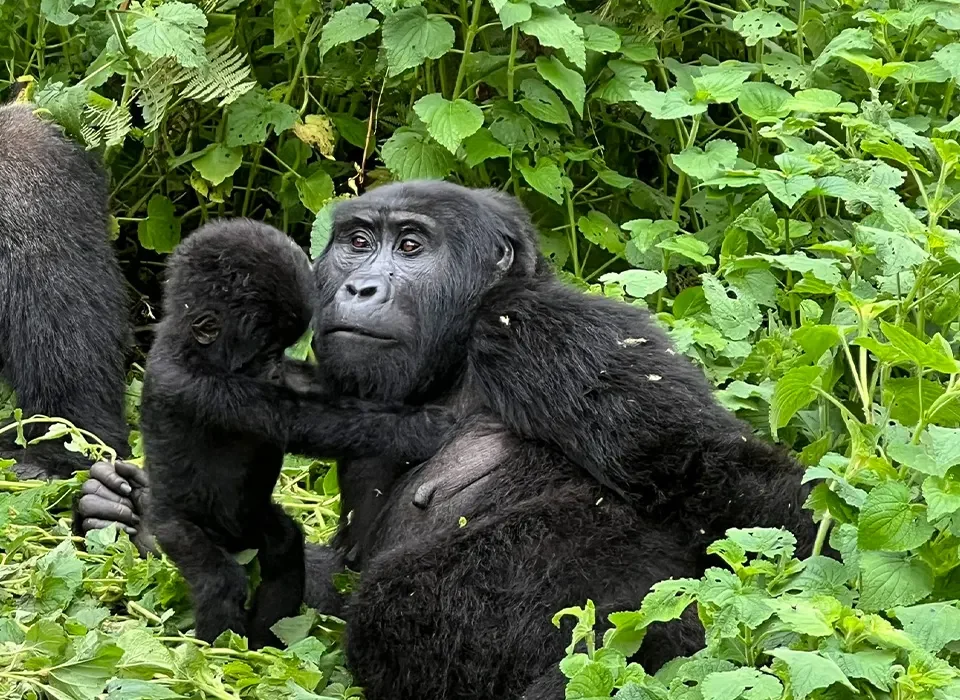
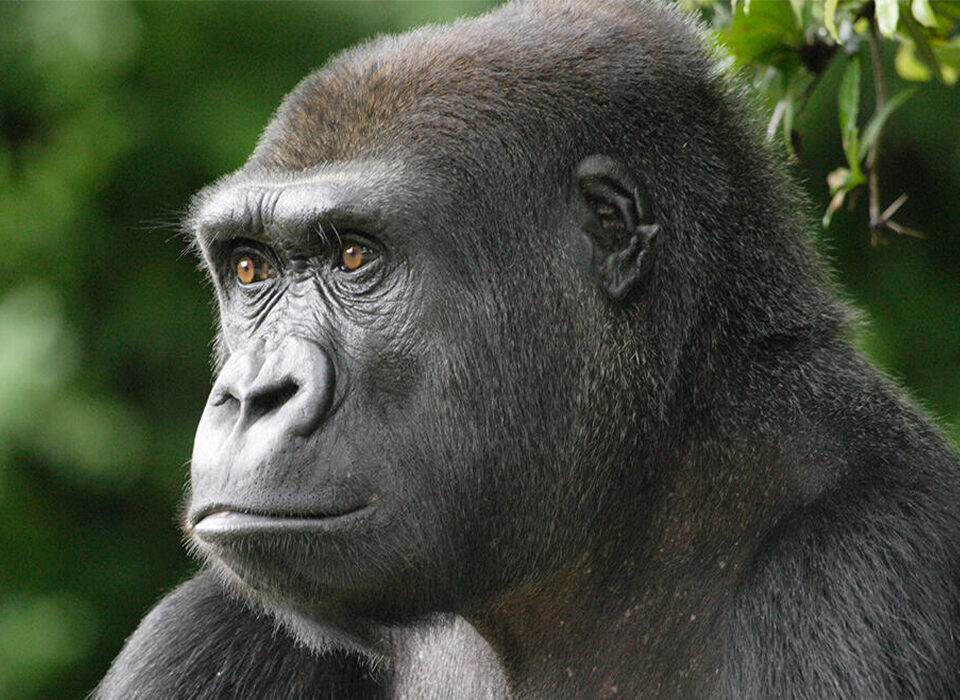
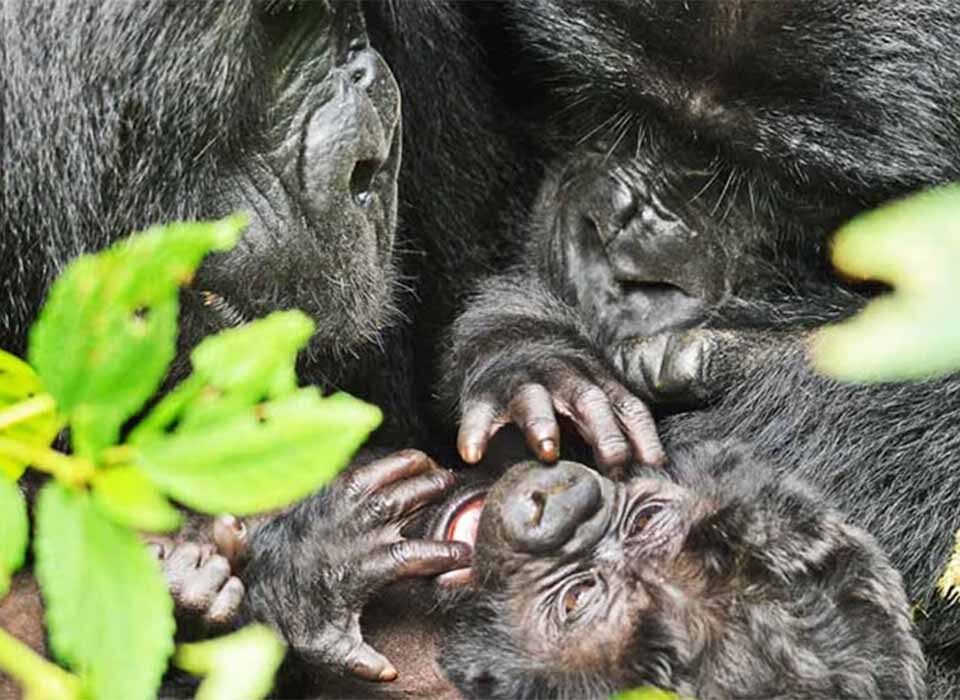
Uganda has two national parks where visitors can trek mountain gorillas: Bwindi Impenetrable National Park and Mgahinga Gorilla National Park. Both offer opportunities to encounter these endangered primates, but each provides a different setting.
Bwindi Impenetrable National Park
Bwindi is one of Africa’s most celebrated gorilla trekking destinations. Its ancient rainforest, steep hills, and dense vegetation create a remarkable environment for encountering mountain gorillas.
The park has several trekking sectors, including Buhoma, Ruhija, Rushaga, and Nkuringo. Your trekking sector determines where you report for the activity and influences your accommodation and transfer arrangements.
For a solo traveler, choosing the right sector is particularly important. I would look for accommodation close to the designated briefing point to avoid an unnecessarily early or lengthy drive on trekking day.
Bwindi can also be combined with cultural experiences, birdwatching, scenic countryside drives, and visits to nearby communities.
Mgahinga Gorilla National Park
Mgahinga Gorilla National Park offers another excellent option for a solo gorilla trekking safari. Located in southwestern Uganda, the park forms part of the Virunga volcanic landscape and features dramatic mountain scenery.
Its smaller size and volcanic surroundings create a different atmosphere from Bwindi’s extensive rainforest. Travelers can also explore other activities in the area, including golden monkey trekking, subject to availability and the relevant permits.
When choosing between Bwindi and Mgahinga, I would consider permit availability, accommodation options, road transfers, and whether I wanted to combine gorilla trekking with other activities.
How I Would Prepare for a Solo Gorilla Trek in Uganda
A successful solo gorilla trekking adventure begins long before reaching the forest. Because I would be traveling without a companion, I would pay particular attention to permits, transport, accommodation, packing, and communication with my safari operator.
Book Your Gorilla Trekking Permit Early
A gorilla trekking permit is essential for participating in the activity. Permits are limited, and availability depends on the date, park, and applicable arrangements.
I would first confirm my preferred trekking date and then arrange the permit through the appropriate authorized channel. I would also ensure that my accommodation and transport matched the assigned trekking sector.
Booking early is especially important during popular travel periods. Avoid purchasing a non-refundable international flight or committing to other inflexible arrangements before confirming the essential parts of your safari.
Pack for Rainforest Conditions
Even during the drier months, Bwindi and Mgahinga can experience rain. I would therefore pack for wet weather and changing temperatures rather than relying entirely on the seasonal forecast.
My essential packing list would include:
- Waterproof hiking boots with good grip.
- Lightweight, long-sleeved clothing and long trousers.
- A waterproof jacket and a rain cover for my backpack.
- Gardening gloves to protect my hands from vegetation.
- Drinking water and energy snacks, following park guidance.
- Insect repellent, sunscreen, and personal medication.
- A camera or phone with sufficient battery power.
I would also bring a small daypack and keep essential documents, including my passport and permit confirmation, safely accessible.
Prepare Physically for the Hike
Gorilla trekking is not simply a short walk through a forest. Depending on the gorillas’ location, you may walk for several hours across steep slopes, muddy paths, and dense vegetation.
Before traveling, I would build my stamina through regular walking, hiking, and cardiovascular exercise. Even moderate preparation can make the experience more comfortable.
However, the trek’s difficulty cannot be predicted precisely. If you have mobility concerns or specific physical limitations, discuss them with your operator and the park authorities before booking.
Is Uganda Safe for Solo Gorilla Trekking?
Uganda can be a rewarding destination for solo travelers, provided they plan carefully and follow local guidance. Gorilla trekking takes place under the supervision of trained park staff, and visitors receive a briefing before entering the forest.
I would arrange reliable transfers, share my itinerary with someone I trust, keep emergency contacts available, and follow the instructions of my guide throughout the trip.
During the gorilla encounter, visitors must follow the park’s rules regarding distance, behavior, photography, and time spent with the gorillas. These measures help protect both visitors and the animals.
Traveling alone does not mean you must organize every detail independently. A private safari can provide dedicated transport, a driver-guide, accommodation arrangements, and support with the trekking logistics.
It is also worth remembering that gorilla trekking involves wildlife and natural terrain, so no operator can guarantee every aspect of the experience.
How Much Does a Solo Gorilla Trek in Uganda Cost?
The cost of a solo gorilla trekking safari depends on several factors, including the permit, accommodation category, transport, season, and number of days you spend in Uganda.
One important consideration is that traveling alone can increase the per-person cost of a private safari. You may need to cover the full cost of a vehicle and driver-guide rather than sharing those expenses with other travelers.
Before requesting a quotation, I would decide on my preferred accommodation level and whether I wanted a one-day transfer or a longer itinerary with additional destinations.
A typical quotation may include:
- Gorilla trekking permit.
- Private 4×4 vehicle and driver-guide.
- Accommodation and meals as specified.
- Park activities and relevant entrance fees.
- Transfers between the airport, lodge, and trekking area.
International flights, visas, tips, travel insurance, and personal expenses may be excluded. Always request a written breakdown so you understand exactly what you are paying for.
Why Choose Experiya Tour Company for a Solo Gorilla Safari?
Planning a solo gorilla trek involves more than selecting a date. You also need to coordinate permits, transfers, accommodation, trekking sectors, and the timing of your activities.
Experiya Tour Company can help organize a private gorilla trekking safari around your preferred dates, budget, comfort level, and interests. With local itinerary planning and assistance coordinating the essential arrangements, you can focus on preparing for the adventure rather than managing every logistical detail yourself.
For me, the appeal of traveling solo lies in the freedom to shape the journey around personal interests. You can spend more time enjoying the scenery, choose accommodation that suits your preferences, and add experiences that make the safari more meaningful.
Depending on your schedule, you could combine gorilla trekking with:
- A scenic visit to Lake Bunyonyi.
- Golden monkey trekking in Mgahinga, with a separate permit.
- A wildlife safari in Queen Elizabeth National Park.
- A cultural visit arranged respectfully with a local community.
Experiya Tour Company can help you compare these options and develop an itinerary that fits your available time.
To make the most of your trip, contact the team early, especially if you plan to travel during the popular June-to-September or December-to-February periods. Confirm your preferred trekking date, accommodation category, and transfer arrangements before committing to the final itinerary.
Final Thoughts: Make Your Solo Gorilla Trek in Uganda Memorable
The best time for a solo gorilla trek in Uganda ultimately depends on the experience you want. The relatively dry months of June to September and December to February are popular choices because conditions may be more favorable for hiking. Meanwhile, the wetter months offer lush landscapes and a different rainforest atmosphere for travelers who are comfortable with muddy trails.
What matters most is choosing suitable dates, securing your permit, preparing for the terrain, and arranging reliable local support.
You do not need to postpone your dream of seeing mountain gorillas simply because you do not have a travel companion. With thoughtful preparation, a solo gorilla trekking safari can offer freedom, adventure, and a powerful connection with nature.
Ready to plan your solo gorilla trekking adventure? Contact Experiya Tour Company through our official website to discuss your preferred dates, budget, accommodation, and the best trekking destination for your Uganda safari.