What to Do If You Encounter a Gorilla on a Trek in Uganda
October 2, 2026
3 Days Gorilla Trekking in Volcanoes National Park
October 3, 2026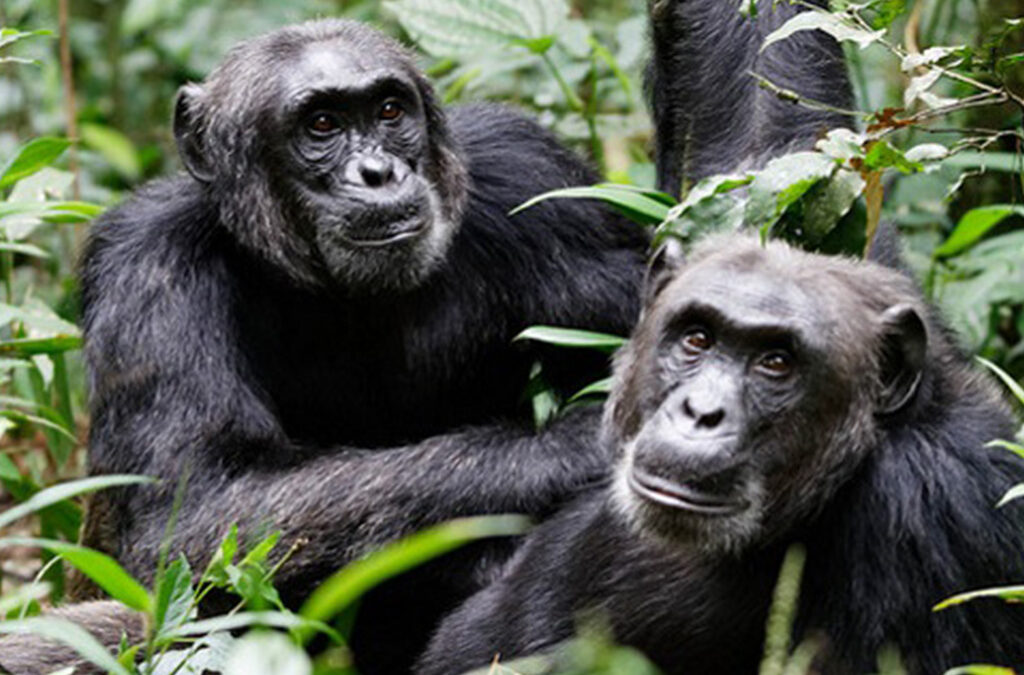
Uganda, widely known as the Pearl of Africa, offers some of the most rewarding primate experiences on the continent. Among the most popular activities are gorilla trekking and chimpanzee trekking in Uganda, two wildlife adventures that take visitors deep into tropical forests in search of our closest living relatives.
Although both activities involve walking through natural forests and observing primates in their habitat, the experiences are quite different. Gorilla trekking focuses on finding habituated mountain gorilla families, while chimpanzee trekking involves following lively communities through the forest as they feed, communicate, climb trees, and interact with one another.
So, when comparing gorilla vs chimpanzee trekking in Uganda, which experience should you choose? The answer depends on your interests, budget, fitness level, available time, and the type of wildlife encounter you want.
This guide explains the major similarities and differences between the two experiences and shows what travelers can expect when planning a primate safari with Experiya Tour Company.
Understanding Chimpanzee Trekking in Uganda
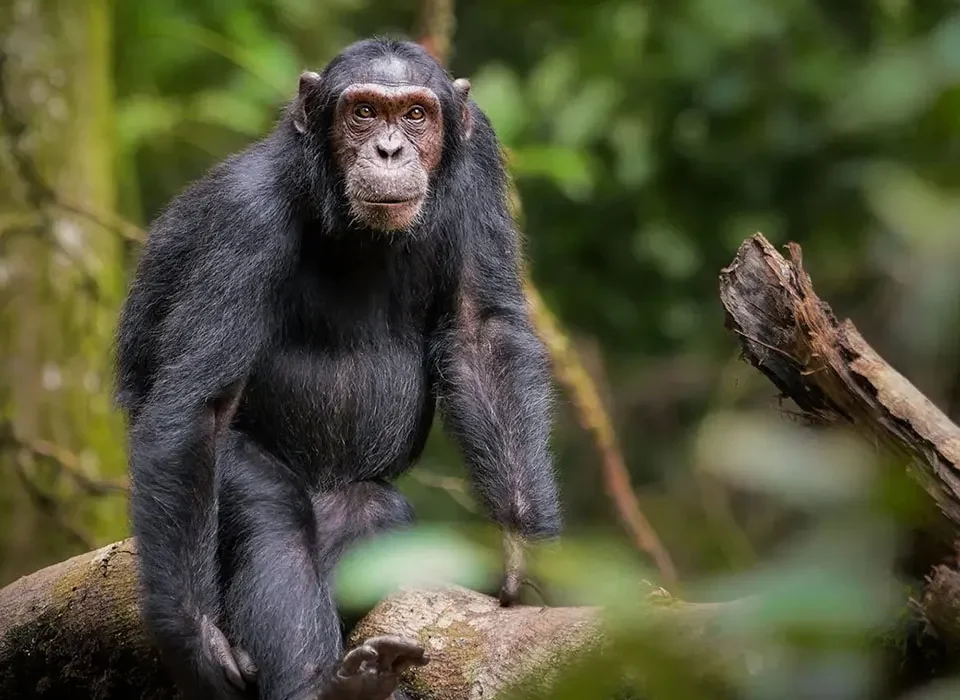
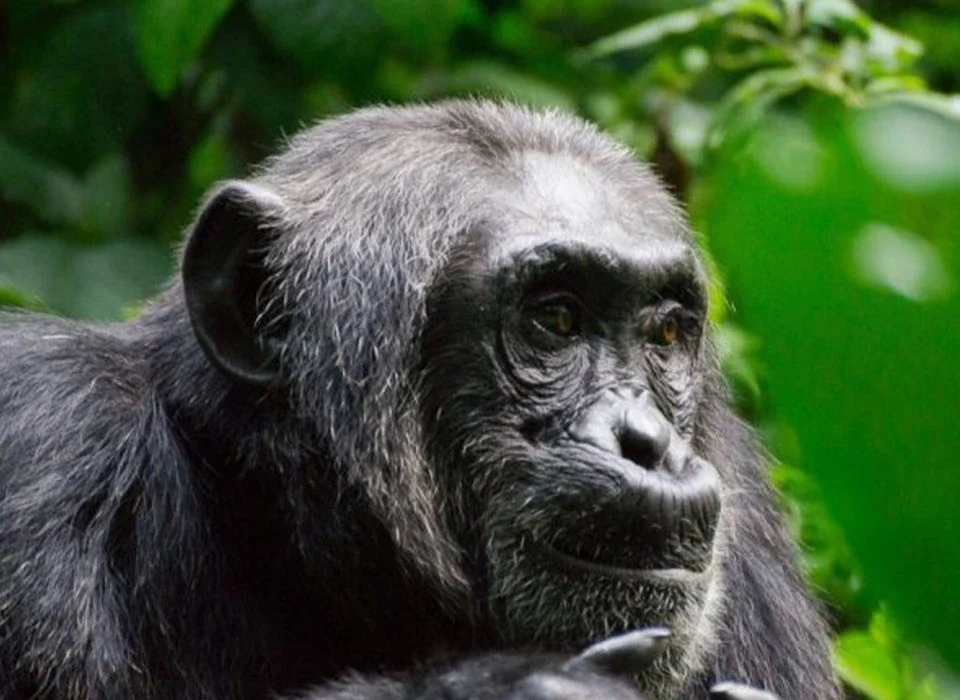
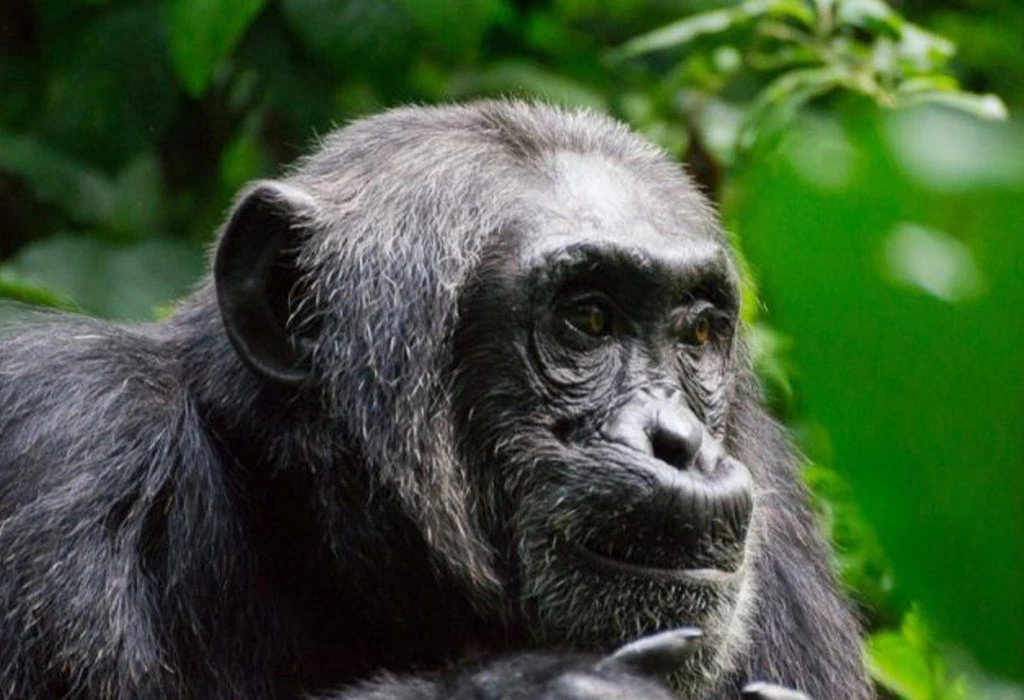
Chimpanzees are among humanity’s closest living relatives. They are highly intelligent primates known for their social behavior, communication, tool use, grooming, and ability to adapt to different forest environments.
In Uganda, chimpanzee trekking takes place in several forest destinations. However, Kibale National Park is particularly famous for its large chimpanzee population and well-established tracking experiences.
Other places where visitors can encounter chimpanzees include Budongo Forest in Murchison Falls National Park and Kyambura Gorge in Queen Elizabeth National Park.
During a typical chimpanzee trek, visitors walk through the forest with trained guides and trackers. Once the chimpanzees are located, the group spends time observing their behavior from an appropriate distance.
You may see chimpanzees:
- Moving through the forest canopy.
- Feeding on fruits, leaves, and other forest foods.
- Grooming and playing with one another.
- Calling and communicating across the forest.
- Climbing trees and swinging between branches.
- Resting on branches or beneath the forest canopy.
One of the most interesting aspects of chimpanzee tracking is that the animals are highly active. Their movements can make the experience feel dynamic and unpredictable.
Understanding Gorilla Trekking in Uganda
Gorilla trekking in Uganda is primarily conducted in Bwindi Impenetrable National Park and Mgahinga Gorilla National Park in southwestern Uganda.
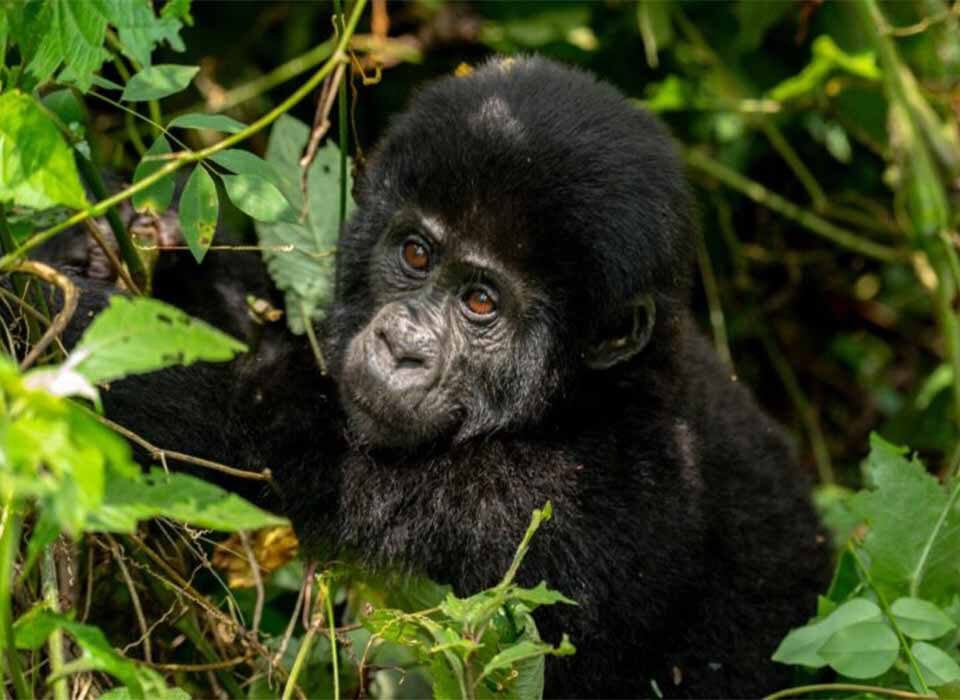
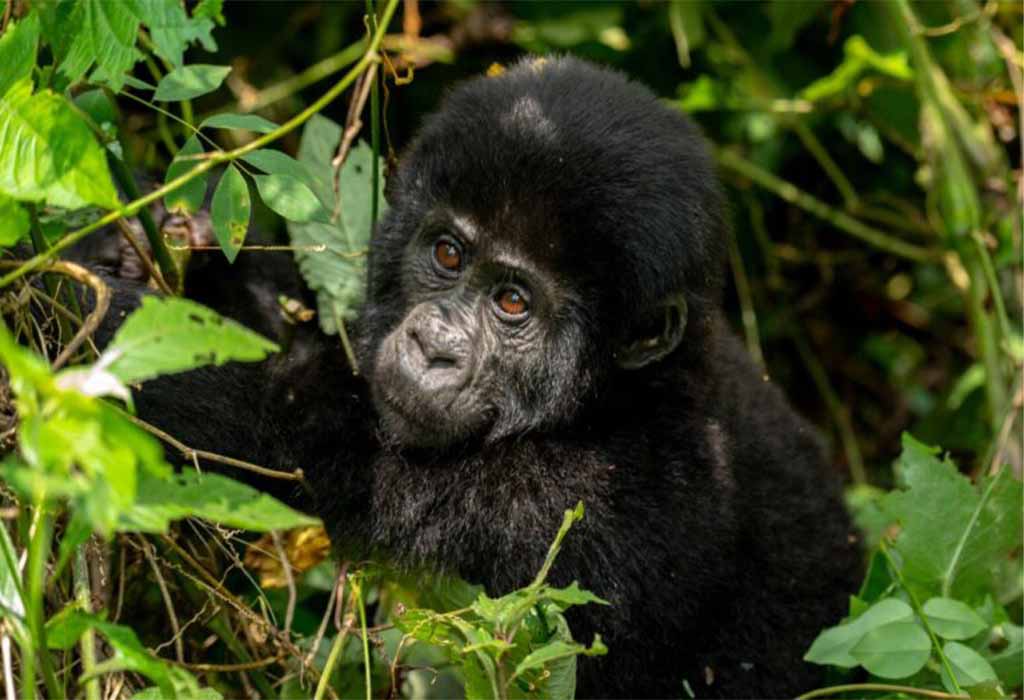
Unlike chimpanzees, mountain gorillas live in relatively stable family groups led by a dominant silverback. A gorilla trek involves entering the forest with trained guides and trackers to locate a habituated gorilla family.
Once the group is found, visitors normally spend a limited period observing the gorillas. The encounter can be remarkably intimate because gorillas may feed, rest, groom, play, or move through the vegetation only a short distance away.
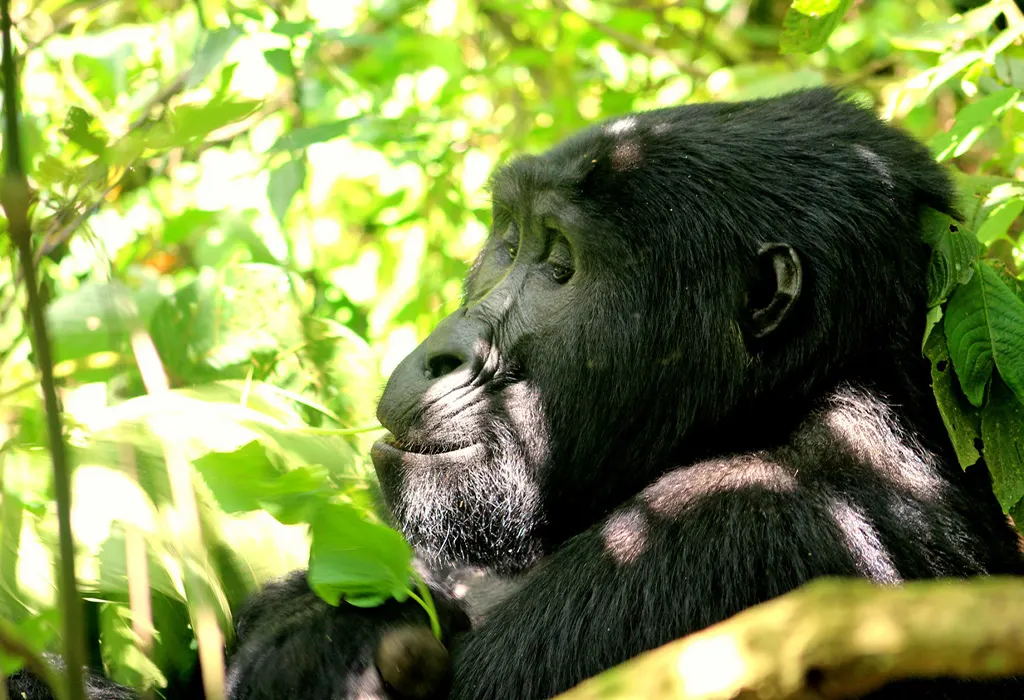
However, the forest environment can be challenging. Bwindi is characterized by thick vegetation, steep terrain, and muddy trails, so the difficulty of a trek depends heavily on where the gorilla family is located on that particular day.
For travelers considering the best place for gorilla trekking in Uganda, Bwindi and Mgahinga offer different forest experiences, while Bwindi has several trekking sectors and a large number of habituated gorilla groups.
Similarities Between Gorilla and Chimpanzee Trekking
Despite their differences, there are several important similarities when comparing gorilla vs chimpanzee trekking in Uganda.
Both Take Place in Natural Forests
Neither experience is a conventional zoo visit. Visitors enter natural forest environments where primates live freely.
Chimpanzee trekking in Kibale, for example, takes place in a rich tropical forest ecosystem containing numerous other species. Similarly, gorilla trekking takes visitors into the dense forests of Bwindi or Mgahinga.
As a result, the journey is part of the experience. You are not simply waiting for animals to appear; you are exploring their natural environment.
Both Require Experienced Guides
Visitors do not enter the forests alone. Trained guides and trackers accompany trekking groups, explain animal behavior, provide directions, and help maintain appropriate wildlife-viewing practices.
This makes the experience more informative and safer while also supporting responsible tourism.
Both Support Conservation
Primate tourism contributes to conservation through permit revenue, employment, research, park management, and community-related initiatives.
When visitors book a legitimate trekking experience, they contribute to an economic system that gives forests and wildlife greater tourism value while supporting people living around protected areas.
Both Require Responsible Wildlife Viewing
Chimpanzees and gorillas are susceptible to human diseases because of their close biological relationship with humans. Visitors therefore need to follow health and wildlife-viewing guidelines.
Important practices include:
- Maintain the required distance from the animals.
- Avoid touching wild primates.
- Follow instructions from guides and trackers.
- Avoid trekking when seriously ill.
- Do not eat near the animals.
- Avoid using flash photography where prohibited.
- Keep voices low and movements controlled.
Responsible behavior protects both visitors and the animals.
Gorilla vs Chimpanzee Trekking in Uganda: Key Differences
Although the two experiences share several features, there are significant differences that travelers should understand before booking.
1. Trekking Destinations
One of the biggest differences is where the activities take place.
Chimpanzee trekking in Uganda is available in several locations, including:
- Kibale National Park.
- Budongo Forest.
- Kyambura Gorge.
- Other approved chimpanzee-viewing areas.
Kibale is particularly well known for chimpanzee tracking and offers one of Uganda’s most established primate tourism experiences.
Gorilla trekking is more geographically limited. The main destinations are:
- Bwindi Impenetrable National Park.
- Mgahinga Gorilla National Park.
Therefore, your choice of primate experience may also depend on your safari route.
2. Trekking Difficulty
The difficulty of either trek can vary considerably.
Chimpanzee tracking can involve relatively moderate forest walks, although some trails can become slippery or challenging, particularly during wet weather. Chimpanzees also move through trees and across large areas, meaning visitors may need to walk for some time before locating them.
Gorilla trekking can be more physically demanding because Bwindi and Mgahinga contain steep slopes, dense vegetation, and uneven terrain.
However, it is important not to assume that every gorilla trek is extremely difficult or that every chimpanzee trek is easy. The actual experience depends on forest conditions, weather, terrain, and the location of the animals on the day.
3. The Animals’ Behavior
Chimpanzees are generally more active and fast-moving during encounters. They may climb trees, vocalize, chase one another, feed, or move quickly through the forest.
Gorillas often provide a different type of encounter. A family may be feeding, resting, grooming, or interacting peacefully around the silverback.
This creates two distinct experiences: chimpanzee tracking often emphasizes movement and social activity, while gorilla trekking can provide a more immersive experience centered on observing a family group at close range.
4. Trekking Permit Costs
Another major consideration is cost.
Gorilla permits are considerably more expensive than chimpanzee trekking permits. The current price you pay can depend on the destination, visitor category, and applicable Uganda Wildlife Authority regulations at the time of booking.
Chimpanzee permits are generally more affordable, although prices also vary according to the location and type of experience.
Therefore, travelers planning a gorilla and chimpanzee trekking safari in Uganda should confirm the latest permit rates before making a final budget.
Experiya Tour Company can help travelers plan the itinerary, accommodation, transportation, permits, and other activities according to their budget and preferred travel dates.
5. The Length of the Experience
Chimpanzee tracking and gorilla trekking can both involve several hours in the forest. However, the walking time varies because guides follow the animals’ movements.
Chimpanzee treks can sometimes involve following chimpanzees through different parts of the forest, particularly when they move through the canopy.
Gorilla trekking can also take several hours, depending on how far the gorilla family has moved from the trailhead.
The important point is that neither activity should be treated as a fixed-duration hike. The forest and wildlife ultimately determine much of the day’s experience.
Gorilla Trekking or Chimpanzee Trekking: Which Should You Choose?
The choice becomes easier when you consider what you want from your safari.
Choose gorilla trekking in Uganda if you are particularly interested in:
- Mountain gorillas and their family structures.
- Observing silverbacks and other members of a gorilla family.
- A once-in-a-lifetime primate encounter.
- Exploring Bwindi or Mgahinga.
- Combining gorilla trekking with cultural and nature experiences.
Chimpanzee trekking may appeal more to travelers interested in:
- Highly active primates.
- Forest ecology and biodiversity.
- Chimpanzee communication and social behavior.
- A more affordable primate trekking option.
- Exploring Kibale, Budongo, or Kyambura Gorge.
However, travelers do not necessarily have to choose only one.
Combining Gorilla and Chimpanzee Trekking in Uganda
For visitors with enough time, combining the two experiences can create a particularly diverse Uganda safari.
A well-planned itinerary can include chimpanzee trekking in Kibale National Park before continuing to southwestern Uganda for gorilla trekking in Bwindi or Mgahinga.
Such a safari allows travelers to experience two different forest ecosystems and observe two different great ape species.
A combined itinerary may also include other attractions such as Queen Elizabeth National Park, the Kazinga Channel, Lake Bunyonyi, Ishasha, or cultural experiences around Bwindi.
Experiya Tour Company can organize the route according to the traveler’s available days, accommodation preferences, budget, and preferred activities.
What to Pack for Gorilla and Chimpanzee Trekking
Regardless of which primate experience you choose, appropriate preparation can make your trek much more comfortable.
Consider carrying:
- Sturdy hiking boots with good grip.
- Long trousers and a long-sleeved shirt.
- A lightweight rain jacket.
- Gardening gloves for pushing through vegetation.
- A comfortable backpack.
- Drinking water.
- Insect repellent.
- A camera with spare batteries.
- Walking poles if you need additional support.
Because forest weather can change quickly, waterproofing your valuables is also a sensible precaution.
Gorilla vs Chimpanzee Trekking in Uganda: Quick Comparison
| Feature | Gorilla Trekking | Chimpanzee Trekking |
| Main destinations | Bwindi and Mgahinga | Kibale, Budongo and Kyambura |
| Main attraction | Mountain gorilla families | Chimpanzee communities |
| Terrain | Often steep and dense | Varies by destination |
| Animal behavior | Feeding, resting, grooming and social interaction | Feeding, climbing, calling and active social behavior |
| Permit cost | Higher | Generally lower |
| Experience | More focused on a gorilla family | Often more dynamic and fast-moving |
| Main forests | Bwindi and Virunga landscapes | Tropical forests and woodland habitats |
| Best for | Travelers seeking mountain gorilla encounters | Travelers interested in active primates and forest biodiversity |
Planning Your Uganda Primate Safari
The best approach is to plan your itinerary around the locations of the primates rather than trying to squeeze too many activities into a short trip.
For example, travelers visiting western Uganda can combine chimpanzee tracking with other wildlife experiences before continuing toward Bwindi for gorilla trekking.
When booking, consider the following:
- Your preferred trekking destination.
- Permit availability.
- Number of days available.
- Accommodation category.
- Transport arrangements.
- Physical fitness.
- Other activities you want to include.
- The latest park regulations and permit prices.
Booking permits early is especially important during busy travel periods because trekking places are limited.
Frequently Asked Questions About Gorilla vs Chimpanzee Trekking in Uganda
Is gorilla trekking harder than chimpanzee trekking?
Gorilla trekking can be more physically demanding because some routes in Bwindi and Mgahinga involve steep slopes and dense vegetation. However, chimpanzee trekking can also become challenging depending on the terrain, weather, and movement of the chimpanzee community.
Is chimpanzee trekking cheaper than gorilla trekking in Uganda?
Generally, yes. Chimpanzee trekking permits are usually considerably less expensive than gorilla permits. However, prices can change, so travelers should confirm the current rates before booking.
Where is the best place for chimpanzee trekking in Uganda?
Kibale National Park is one of Uganda’s best-known destinations for chimpanzee trekking. It is particularly popular because of its established chimpanzee tracking experiences and rich primate diversity.
Where can I go gorilla trekking in Uganda?
Gorilla trekking in Uganda takes place mainly in Bwindi Impenetrable National Park and Mgahinga Gorilla National Park in southwestern Uganda.
Can I do gorilla and chimpanzee trekking on the same Uganda safari?
Yes. Many travelers combine chimpanzee trekking in Kibale with gorilla trekking in Bwindi or Mgahinga. The itinerary can also include wildlife viewing, boat cruises, cultural experiences, and scenic destinations.
Which experience is better, gorilla or chimpanzee trekking?
Rather than one being universally better, the two experiences offer different encounters. Gorilla trekking focuses on mountain gorilla family groups, while chimpanzee trekking offers opportunities to observe highly active chimpanzee communities. Your interests, budget, fitness, and travel schedule should guide the decision.
How long does gorilla trekking take in Uganda?
The duration varies depending on where the gorilla family is located and how quickly the trackers find them. Some treks are relatively short, while others require several hours of walking through challenging terrain.
How long does chimpanzee trekking take?
Chimpanzee trekking duration varies by destination and the movement of the chimpanzee community. The time spent walking can therefore differ from one day to another.
Can I take photographs during primate trekking?
Photography is generally permitted, but visitors must follow the instructions of their guides and the applicable park rules. Avoid flash photography where it is prohibited and maintain the required distance from the animals.
Why choose Experiya Tour Company for a primate safari in Uganda?
Experiya Tour Company can help organize a complete primate safari, including permits, transportation, accommodation, guides, and additional activities. A well-planned itinerary also makes it easier to combine chimpanzee trekking with gorilla trekking and other attractions in western Uganda.
Final Thoughts
Comparing gorilla vs chimpanzee trekking in Uganda reveals two experiences that are different but equally fascinating in their own ways. Chimpanzee trekking brings travelers into the lively world of intelligent, highly social primates, while gorilla trekking offers an extraordinary opportunity to observe mountain gorilla families in their natural forest habitat.
Most importantly, both experiences encourage travelers to appreciate Uganda’s forests and the wildlife they protect. Whether you choose chimpanzee trekking in Kibale, gorilla trekking in Bwindi, or a combination of both, careful planning can turn your Uganda primate safari into a rewarding and memorable journey.
For travelers who want to experience both great apes, Experiya Tour Company can help create a practical Uganda itinerary that combines primate trekking, wildlife viewing, accommodation, transportation, and cultural experiences while matching the trip to your available time and budget.