Chimpanzee Permit Inclusions and Exclusions
April 23, 2026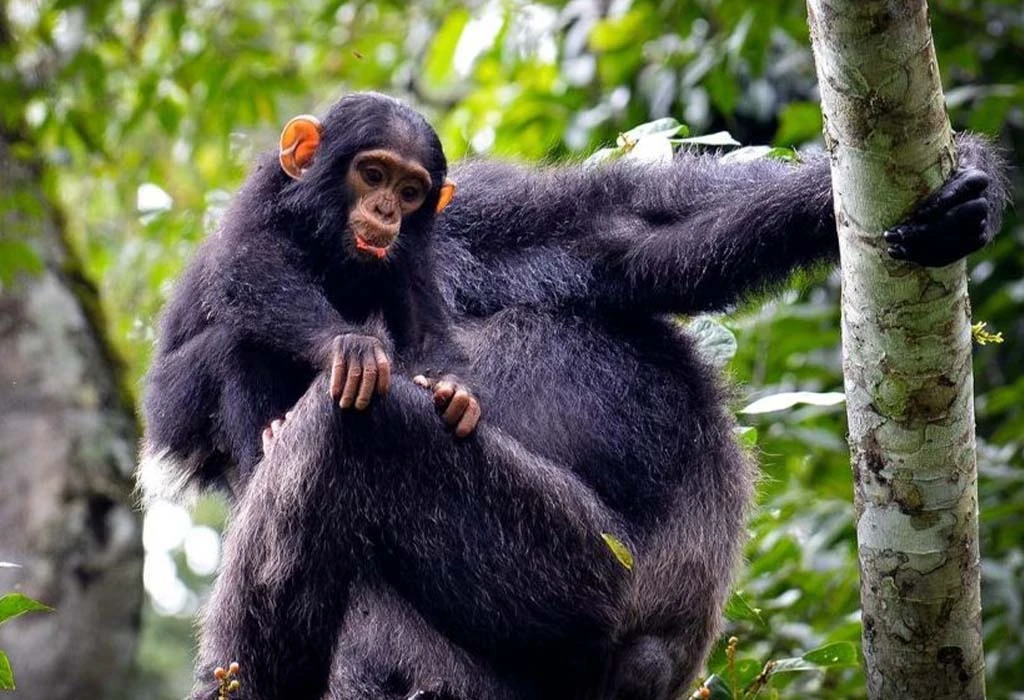
Chimpanzee Habituation Experience vs Regular Trekking
April 23, 2026
Uganda chimpanzee trekking offers one of the most accessible and genuinely rewarding wildlife experiences in Africa. If you are new to primate safaris, this adventure introduces you to the fascinating world of chimpanzees without overwhelming physical demands. I’ve found that even first-time trekkers quickly settle into the rhythm of the forest, guided by experienced rangers who make the entire journey feel both safe and deeply engaging.
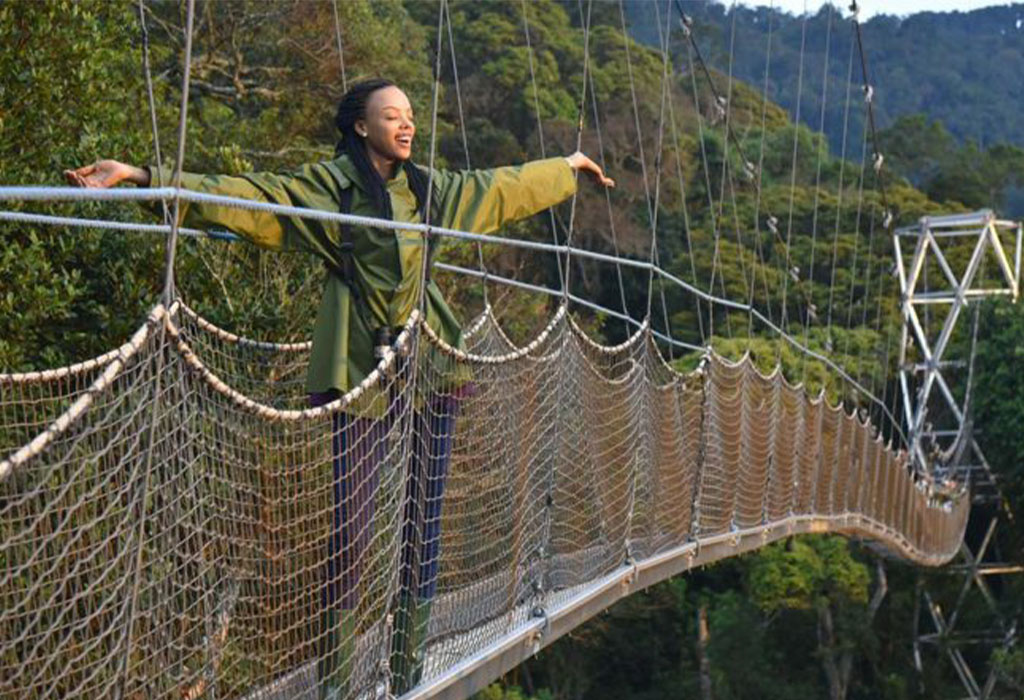
As you move through Uganda’s lush tropical forests, the experience becomes more than just wildlife viewing. You begin to notice the sounds, the scents, and the subtle movements in the canopy. Then suddenly, you’re face-to-face at a safe distance with chimpanzees going about their daily lives. It’s a moment that feels both humbling and unforgettable.
Planning Your Trek: Permits and Preparation
Before anything else, you need to secure a chimpanzee trekking permit. This is not something to leave until the last minute. Uganda Wildlife Authority strictly controls permit numbers to protect chimpanzee communities, and during peak seasons, June to September and December to February, permits often sell out months in advance.
From experience, the smartest approach is to book early, especially if your travel dates are fixed. Experiya Tour Company can handle this process efficiently, ensuring you avoid the stress of last-minute availability issues. Alternatively, you can book directly through Uganda Wildlife Authority offices, but that often requires more time and coordination.
Without a valid permit, you simply won’t be allowed to trek. There are no exceptions, no matter how far you’ve traveled. Planning ahead is not just recommended, it’s essential.
Understanding Age Limits and Safety Expectations
Chimpanzee trekking comes with strict guidelines, and for good reason. Only individuals aged 12 and above are allowed to participate. While this might seem restrictive, it ensures that everyone in the group can follow instructions and respond appropriately in the forest.
Chimpanzees are wild animals. They are intelligent, social, and incredibly strong. During my own treks, I’ve seen how quickly their mood or movement can shift. Because of this, guides emphasize calm behavior, controlled movement, and constant awareness.
Teenagers and adults generally adapt well to these expectations, making the experience smooth and safe for both visitors and chimpanzees.
Respecting Distance and Behavior in the Forest
One rule stands above all others: always keep a minimum distance of 8 meters from the chimpanzees. At first, this might feel far, but once you’re in the forest, you’ll realize it’s more than enough to observe their expressions, interactions, and personalities.
This distance protects both you and the chimpanzees. It reduces stress for the animals and prevents the spread of diseases. Remember, chimpanzees share nearly 99% of our DNA, which makes them highly vulnerable to human illnesses.
Your guide will constantly monitor positioning. If you step too close, they will gently but firmly guide you back. It’s all part of maintaining a respectful and safe environment.
Photography and Conduct During Encounters
Capturing the moment is important, but it comes with responsibility. Flash photography is strictly prohibited. Bright flashes can startle chimpanzees and potentially trigger defensive reactions.
Instead, rely on natural light. Most modern cameras perform well in low-light forest conditions, and honestly, the softer lighting often produces more authentic and atmospheric photos.
You also need to avoid eating or drinking near chimpanzees. During one trek, I noticed how quickly guides intervened when someone reached for a snack too early. Food scents can attract chimpanzees and create unnecessary risks. Always wait until you are well away from the animals.
Health Precautions You Should Not Ignore
If there’s one thing that surprises many first-time trekkers, it’s how seriously health precautions are taken. Even a mild cold can pose a serious threat to chimpanzees.
If you feel unwell, especially with flu-like symptoms, it’s better to postpone your trek. While it might be disappointing, it’s the responsible choice. Entire chimpanzee groups can be affected by diseases transmitted from humans.
In some cases, park authorities may conduct basic health checks before the trek begins. This isn’t meant to inconvenience you; it’s a crucial step in conservation.
What to Wear and Carry
Dressing correctly can make or break your experience. Forest terrain can be unpredictable, so practical clothing is key.
I always recommend wearing long-sleeved shirts and full-length trousers. These protect you from insects, thorny plants, and minor scratches. Choose lightweight, breathable fabrics to stay comfortable in the humid conditions.
Footwear matters even more. A good pair of sturdy hiking boots with ankle support will help you navigate muddy trails and uneven ground. Make sure they are already broken in. This is not the place for brand-new shoes.
Bring binoculars if you can. They allow you to observe details even when chimpanzees move higher into the trees. Also, carry enough water to stay hydrated and pack a camera with extra batteries. The forest drains power quickly, and you won’t want to miss capturing key moments.
What the Trek Actually Feels Like
Every trek begins with a briefing at the park headquarters. At first, it feels formal, but you soon realize how valuable it is. Rangers explain everything clearly, from safety rules to what you should expect in the forest.
Once the trek starts, the pace varies. Sometimes you walk steadily along established trails. Other times, you follow your guide off the path, navigating through dense vegetation. The experience feels dynamic and real, not staged.
Guides rely on multiple techniques to locate chimpanzees. They listen for calls, look for fresh feeding signs, and communicate with trackers ahead. When they finally signal that chimpanzees are nearby, the energy shifts instantly.
Then comes the highlight: the encounter.
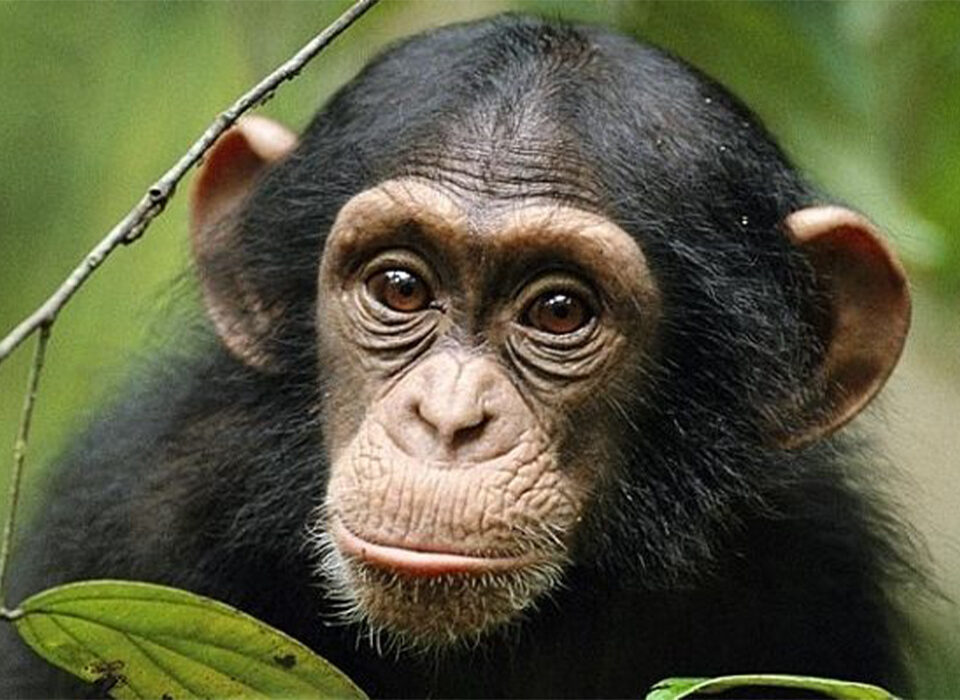
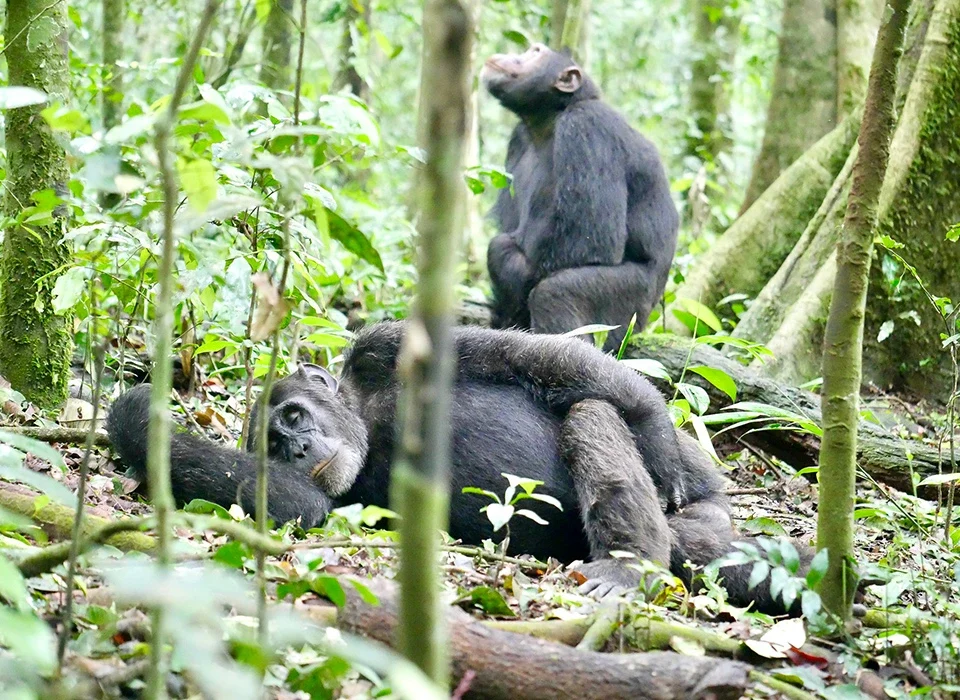
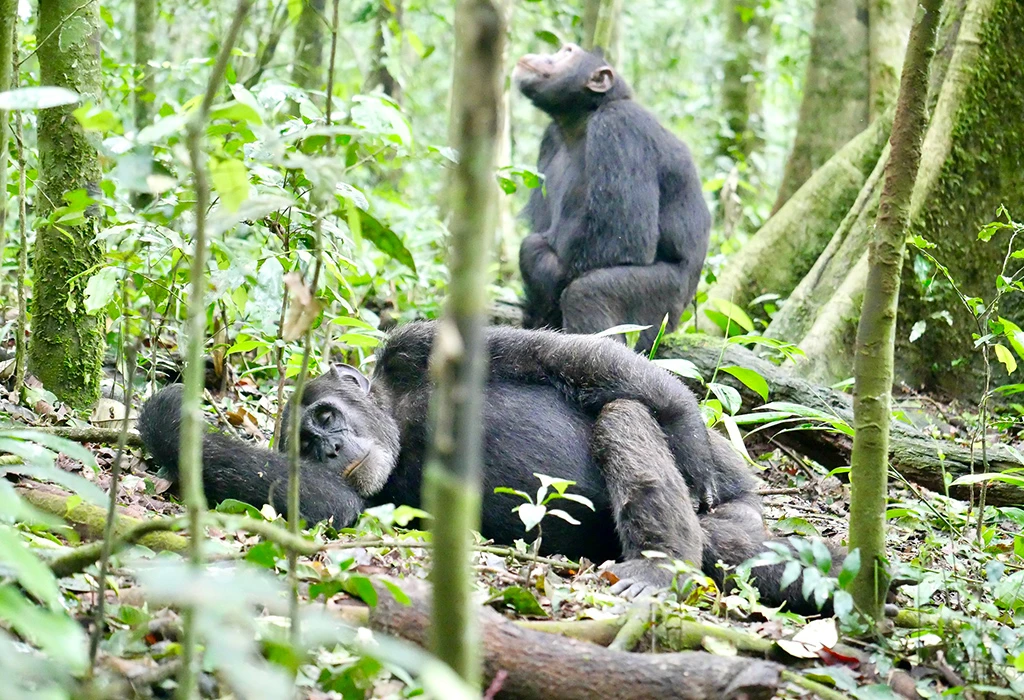
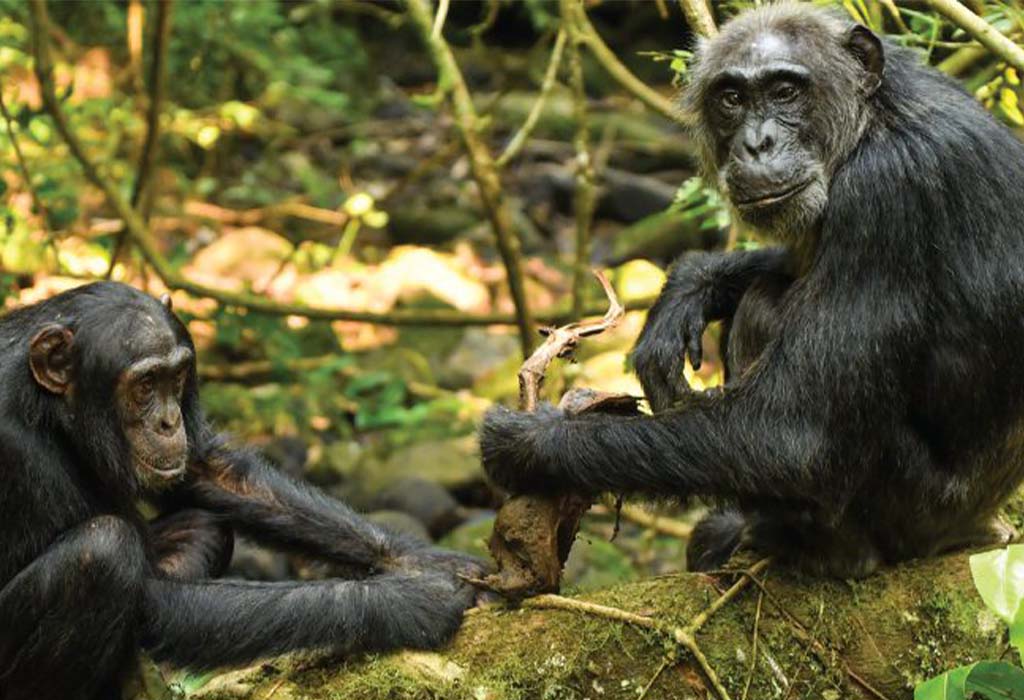
You spend about one hour observing the chimpanzees. During that time, you might see them grooming, feeding, playing, or even displaying dominance behaviors. Each moment feels raw and unscripted. No two treks are ever the same.
Best Places for Chimpanzee Trekking in Uganda
Kibale National Park stands out as the top destination. With a large chimpanzee population and high success rates, it offers the most reliable experience for beginners. The infrastructure is well-developed, and the guides are exceptionally experienced.
Kyambura Gorge, located in Queen Elizabeth National Park, offers something completely different. Trekking here feels dramatic, as you descend into a lush gorge surrounded by steep cliffs. It’s a more visual and unique setting.
Budongo Forest provides a quieter, more intimate experience. Because it attracts fewer visitors, it feels less crowded, which many travelers appreciate.
Kalinzu Forest serves as a great alternative, especially when other locations are fully booked. It still delivers strong chimpanzee encounters, but with a slightly different forest environment.
Chimpanzee Trekking vs. Gorilla Trekking
If you’re comparing chimpanzee trekking with gorilla trekking, the difference is noticeable. Chimpanzees are far more active. They move quickly, climb trees, and interact constantly.
This makes the experience exciting, but also less predictable. You may need to walk longer distances, and sometimes the viewing angles change rapidly.
Gorillas, on the other hand, tend to stay in one place longer. The encounters feel calmer and more grounded.
Both experiences are incredible, but chimpanzee trekking often feels more energetic and dynamic.
Final Thoughts
Uganda chimpanzee trekking offers a powerful introduction to primate experiences. It combines adventure, learning, and conservation in a way that feels both personal and impactful.
With proper planning, the right mindset, and guidance from Experiya Tour Company, even beginners can enjoy a smooth and deeply rewarding journey. The forest may feel unfamiliar at first, but once you hear that first chimpanzee call echo through the trees, everything changes.
It’s no longer just a trek; it becomes a story you carry with you long after you leave the forest.