Uganda Chimpanzee Trekking for Beginners
April 23, 2026
Gorilla Trekking for Nature Lovers
April 23, 2026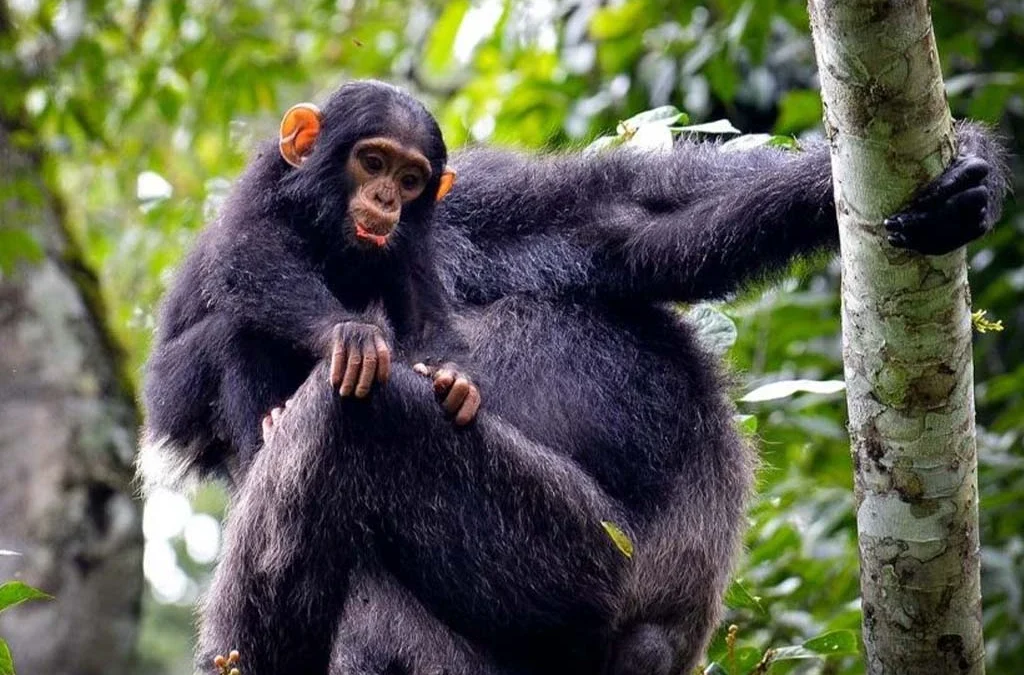
Choosing between the Chimpanzee Habituation Experience (CHE) and regular chimpanzee trekking is one of the most important decisions you’ll make when planning a primate safari in Uganda or Rwanda. While both experiences bring you face-to-face with chimpanzees in their natural habitat, they feel completely different once you’re on the ground. I’ve seen how travelers react to each option, and the right choice often comes down to your expectations, fitness level, and how deeply you want to engage with chimpanzee behavior.
So, let’s walk through both experiences in a clear, practical way so you can confidently decide what suits you best.
Understanding the Chimpanzee Habituation Experience (CHE)
The Chimpanzee Habituation Experience is not just a trek; it’s a full immersion into the world of chimpanzee research. When you join this experience, you step into the daily routine of researchers and rangers who are slowly helping wild chimpanzees get used to human presence.
From firsthand observation, this experience feels less like tourism and more like participating in a living field study.
What the CHE Day Looks Like
Your day starts early, really early. By around 5:30 AM, you’re already preparing to enter the forest. At this time, chimpanzees are just waking up, and this is when their most natural behaviors unfold.
Unlike regular trekking, you don’t just visit the chimpanzees; you follow them.
You may spend 4 to 6 hours, sometimes even longer, moving through the forest as the chimpanzees feed, groom, call to each other, or travel. There’s no rush. You settle into their rhythm.
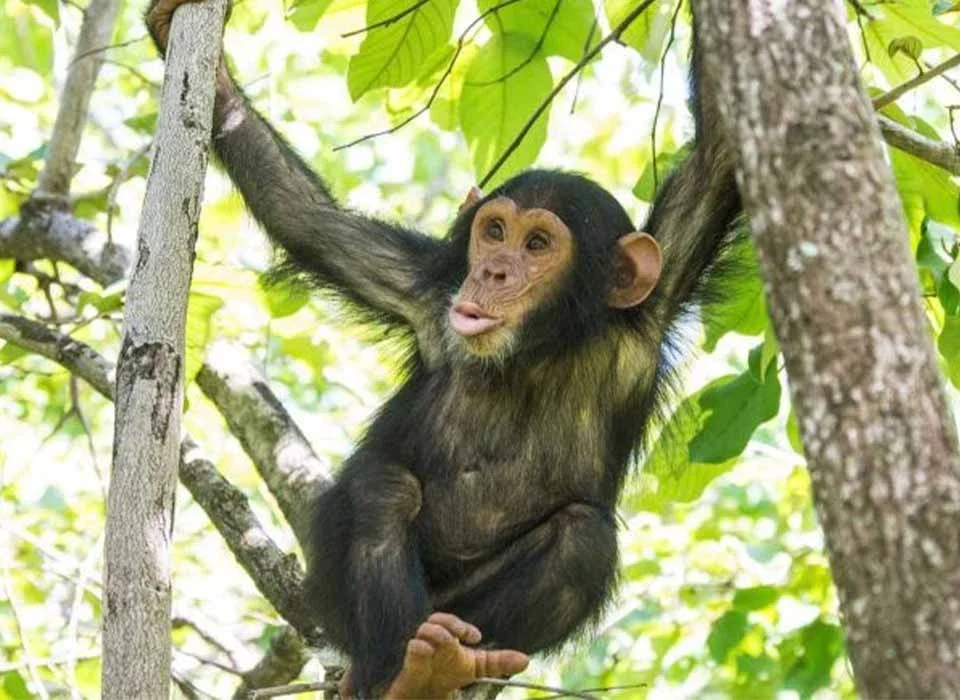
Because of this extended time, you begin to notice details that many visitors miss. You see how mothers interact with infants, how dominant males assert control, and how younger chimps play and test boundaries.
Group Size and Experience
CHE keeps groups intentionally small, usually around four to six people. This makes a noticeable difference.
There’s less noise, less movement, and more space to observe. You also get more direct interaction with guides and researchers, who often share stories about specific chimpanzees, who they are, how they behave, and how their relationships evolve over time.
It feels personal, almost like being introduced to a community rather than just observing wildlife.
Why CHE Stands Out
What makes CHE unique is the depth. You’re not just watching chimpanzees, you’re learning how they are studied, protected, and gradually habituated.
Over time, you start to understand their personalities. One chimp may be bold and curious, another cautious and distant. That level of familiarity is something regular trekking rarely offers.
Regular Chimpanzee Trekking: The Classic Safari Experience
Regular chimpanzee trekking offers a more structured and accessible way to see chimpanzees. If CHE feels like a research expedition, then trekking feels like a well-organized wildlife encounter, and it’s still incredibly rewarding.
How a Typical Trek Unfolds
Your experience begins with a briefing at the park headquarters. Guides explain chimpanzee behavior, safety rules, and what to expect in the forest.
Then you set off.
Depending on where the chimpanzees are, the trek can take anywhere from 30 minutes to a few hours. Guides stay in contact with trackers, which increases your chances of finding the chimpanzees efficiently.
Once you locate them, you spend one full hour in their presence.
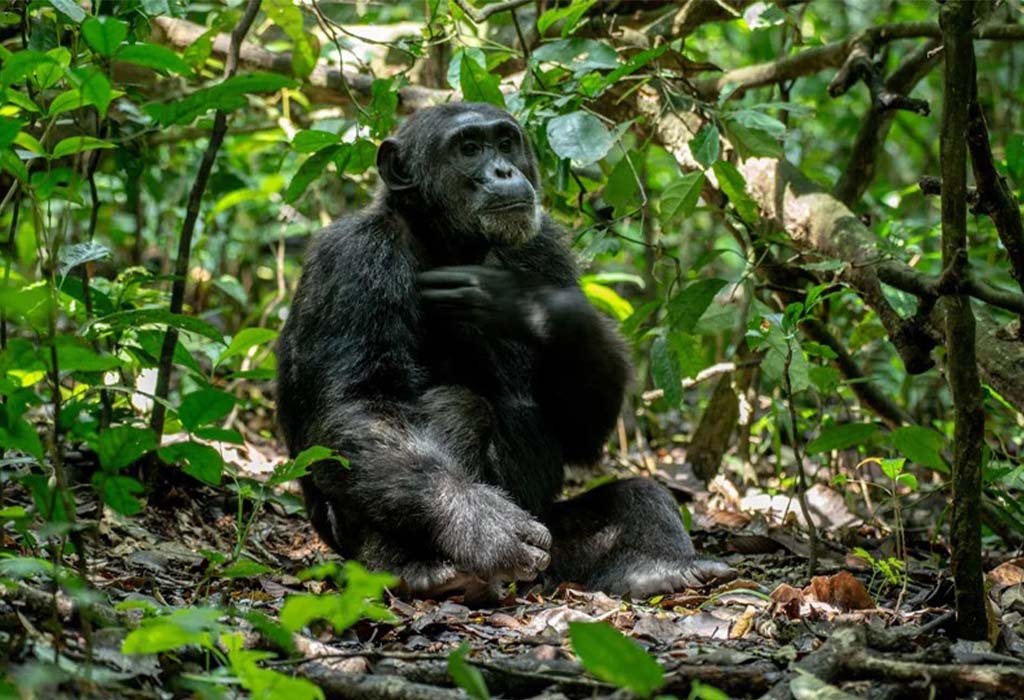
That hour goes by quickly, but it’s often intense. You might see chimps calling loudly from the treetops, feeding, or even moving right past you on the ground.
Accessibility and Physical Effort
Compared to CHE, regular trekking is more manageable. The duration is shorter, and while the terrain can still be challenging, it doesn’t demand the same level of endurance.
Because of this, it works well for a wider range of travelers, including families, older visitors, and anyone combining multiple safari activities.
Group Atmosphere
Groups are slightly larger, usually up to eight people. This creates a shared sense of excitement, especially when the chimpanzees are first spotted.
While it’s less intimate than CHE, it still feels engaging and memorable.
Comparing the Two Experiences
When you put these experiences side by side, the differences become clear.
Time and Depth
CHE gives you hours with chimpanzees, allowing for deeper observation and understanding. In contrast, regular trekking offers a shorter but still powerful one-hour encounter.
If you want to truly study behavior, CHE is the better choice. However, if you simply want to see chimpanzees up close, trekking delivers exactly that.
Physical Demand
CHE requires stamina. You’ll hike longer distances and spend extended hours in humid forest conditions.
Regular trekking is less demanding and easier to fit into a broader safari itinerary.
Cost Consideration
There is a price difference, though it’s not as dramatic as many expect. CHE permits typically cost around $300, while regular trekking permits are about $250.
Given the time and exclusivity, CHE offers strong value, but trekking remains the more budget-friendly option.
Photography and Viewing
If photography matters to you, CHE gives you more time and better positioning. You can wait for the perfect moment instead of rushing.
With trekking, you still get great shots, but you’ll need to act quickly and work around time limits and group positioning.
Learning and Conservation Insight
CHE naturally provides a deeper educational experience. You engage directly with researchers and gain insight into conservation work.
That said, regular trekking still supports conservation and offers meaningful learning through experienced guides.
Choosing the Right Experience with Experiya Tour Company
From what I’ve seen, there’s no “better” option, only what fits you best.
If you’re curious, patient, and eager to spend hours immersed in chimpanzee life, the Chimpanzee Habituation Experience will feel incredibly rewarding.
On the other hand, if you prefer a shorter, well-paced activity that still delivers unforgettable wildlife encounters, regular chimpanzee trekking is the right fit.
At Experiya Tour Company, we often help travelers weigh these options based on their itinerary, fitness level, and expectations. Sometimes, we even recommend combining chimpanzee trekking with other primate or wildlife experiences to create a balanced safari.
Final Thoughts
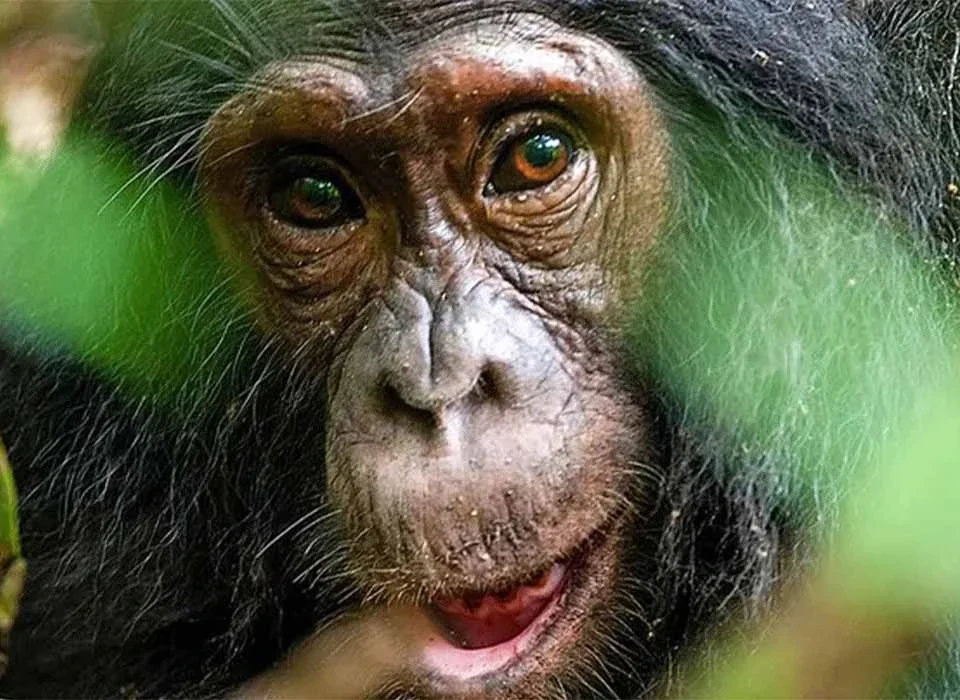
Whichever option you choose, one thing remains constant: the moment you lock eyes with a chimpanzee in the wild is unforgettable.
You hear their calls echo through the forest, watch their movements, and suddenly the connection feels real.
Whether you spend one hour or an entire morning with them, the experience stays with you long after you leave the forest.