
Can Birdwatching Be Added to Rwanda–Uganda Safari Itineraries?
August 1, 2026
What Should You Know Before Arriving in Rwanda?
August 3, 2026
The Nyungwe Canopy Walk is one of Rwanda’s most exciting nature experiences and a highlight of any visit to Nyungwe Forest National Park. Suspended high above the forest floor, this remarkable walkway offers visitors a rare opportunity to admire one of Africa’s oldest rainforests from an entirely different perspective. Whether you are an adventure enthusiast, a wildlife lover, a photographer, or a birdwatcher, the canopy walk delivers an unforgettable experience surrounded by breathtaking scenery.
Unlike traditional forest hikes, the canopy walk allows you to explore the rainforest from above the treetops. As you cross the suspension bridge, you enjoy sweeping views of the lush forest canopy while observing birds, monkeys, and colorful vegetation thriving beneath and around you. The experience combines adventure, nature, and photography into one memorable activity.
Discover the Nyungwe Canopy Walk
Located in Nyungwe Forest National Park in southwestern Rwanda, the canopy walkway stretches approximately 160 meters across a deep forest ravine and rises about 70 meters above the ground. It is widely regarded as one of the finest canopy walk experiences in East Africa because it offers spectacular views over one of the continent’s richest montane rainforests.
The bridge itself is securely suspended between towering trees and sturdy steel supports, providing visitors with a safe yet thrilling adventure. As you step onto the walkway, you immediately feel immersed in the beauty of the ancient forest. Gentle movement of the bridge adds excitement while allowing you to appreciate the incredible landscape from a unique angle.
Every step reveals panoramic views of rolling green hills, towering trees covered in moss, hanging vines, and dense vegetation that stretches as far as the eye can see. During clear weather, visitors can enjoy stunning photographs of the endless forest canopy.
Beginning the Canopy Walk Experience
Your adventure begins at the Uwinka Visitor Centre, the main reception point for the canopy walk. Before setting out, experienced park guides provide a detailed safety briefing and explain what to expect during the hike and while crossing the bridge.
The canopy walkway is not located directly beside the visitor center. Instead, visitors hike through the forest before reaching the bridge. Depending on the trail selected, the walk to the canopy bridge usually takes between 30 minutes and one hour. This approach hike is an enjoyable experience on its own, allowing visitors to appreciate the incredible biodiversity of Nyungwe Forest.
As you walk through the rainforest, your guide shares fascinating information about the forest’s ecology, medicinal plants, giant tree species, insects, butterflies, and wildlife. The journey is educational as well as adventurous, making every moment worthwhile.
A Thrilling View Above the Forest
Crossing the suspension bridge is undoubtedly the highlight of the experience. Standing high above the forest floor provides a completely different appreciation of Nyungwe Forest’s remarkable ecosystem.
The elevated position allows visitors to observe the upper canopy where many birds and primates spend most of their time. Instead of looking upward into the trees, you stand at eye level with the forest canopy, creating excellent opportunities for wildlife viewing and photography.
Although the bridge gently sways with movement, it remains stable and safe. Most visitors quickly become comfortable and enjoy taking in the magnificent scenery. Guides accompany every group throughout the walk to ensure everyone’s safety while answering questions about the surrounding environment.
Wildlife You May Encounter
Nyungwe Forest National Park is among Africa’s richest biodiversity hotspots. The forest shelters hundreds of plant species, numerous mammals, reptiles, amphibians, insects, butterflies, and an impressive variety of birds.
During the canopy walk, visitors frequently spot several primate species moving gracefully through the treetops. These often include black-and-white colobus monkeys, L’Hoest’s monkeys, blue monkeys, and vervet monkeys. Watching these agile primates leap effortlessly between branches from your elevated viewpoint is a truly unforgettable experience.
The forest also supports countless butterfly species that add vibrant colors to the lush green landscape. Depending on the season, visitors may observe beautiful butterflies fluttering around flowering plants near the trails.
Although larger mammals such as duikers remain hidden deep within the forest, the sounds of wildlife constantly surround visitors, creating an immersive rainforest experience.
Birdwatching from the Canopy
Birdwatching becomes even more rewarding during the canopy walk because visitors can observe birds at the same height where they naturally feed and nest.
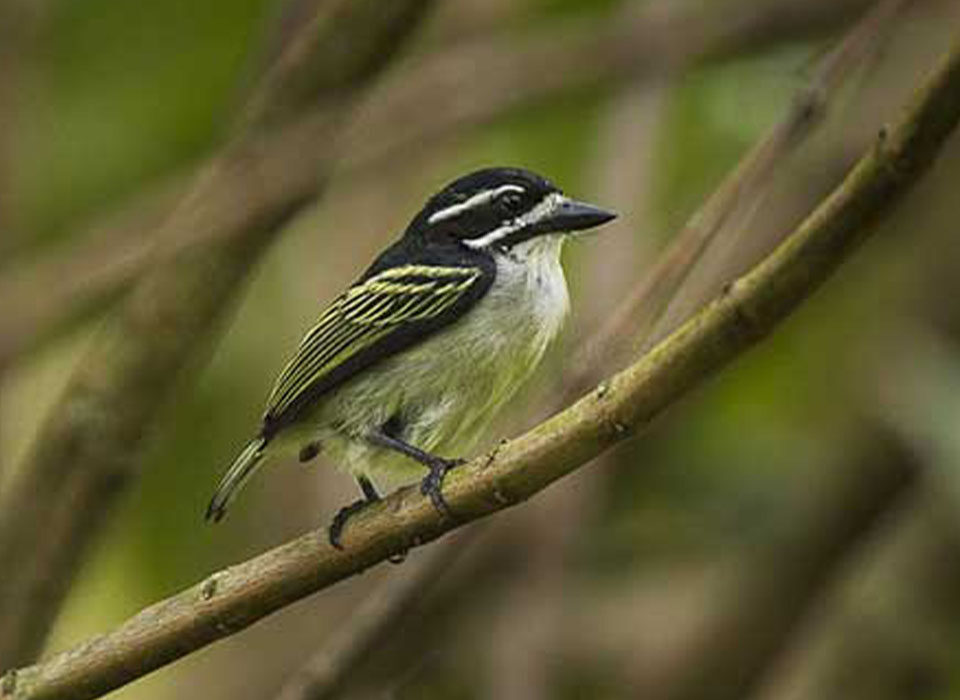
Nyungwe Forest National Park has recorded more than 310 bird species, making it one of Rwanda’s premier birding destinations. The park also protects 29 Albertine Rift endemic bird species, many of which are difficult to find elsewhere.
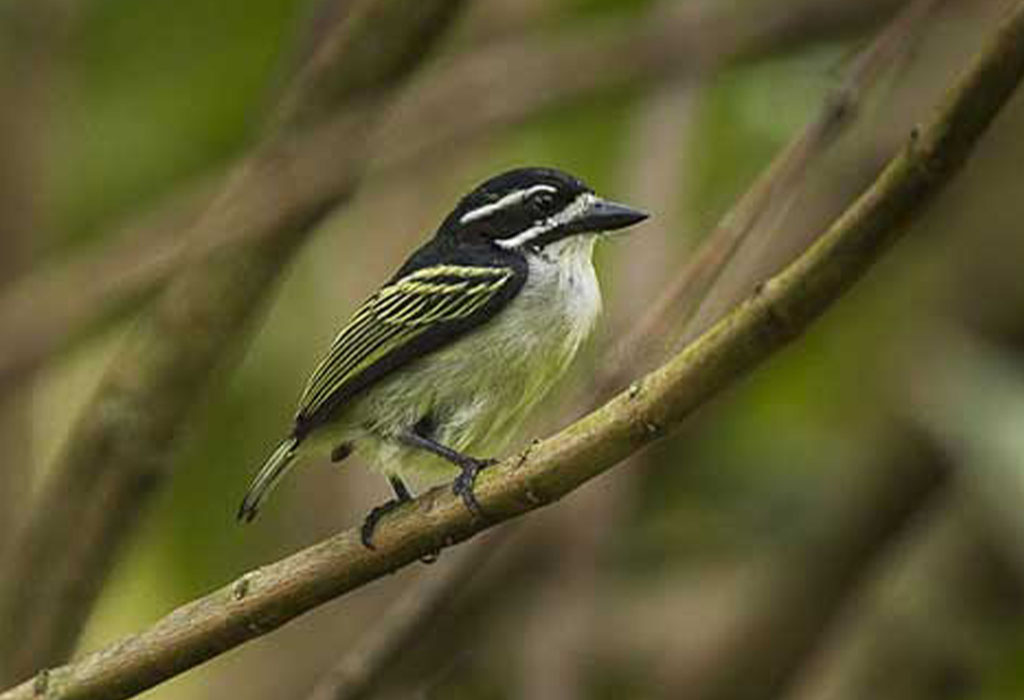
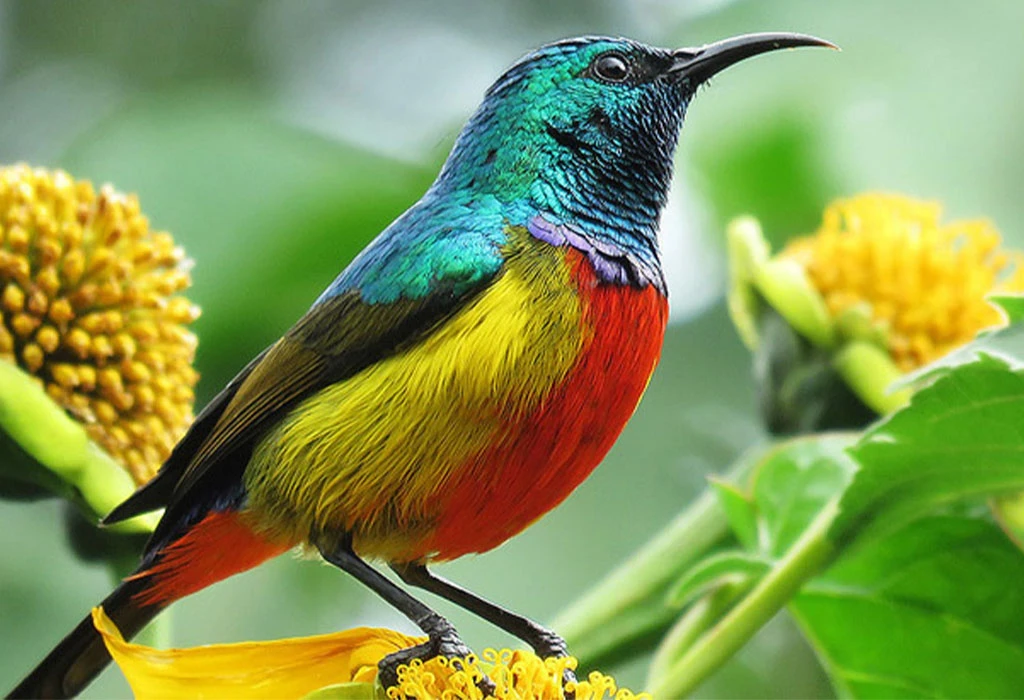
Common sightings include the African Paradise Flycatcher, Chinspot Batis, Crowned Hornbill, Long-crested Eagle, and Eastern Mountain Greenbul. Experienced birders often search for rarer species such as the Rockefeller’s Sunbird, Grauer’s Swamp Warbler, Red-collared Babbler, Regal Sunbird, Purple-breasted Sunbird, Buff-throated Apalis, Neumann’s Warbler, and the globally threatened Chapin’s Flycatcher.
Because forest birds often remain hidden among dense vegetation, patience and quiet observation significantly improve your chances of seeing these remarkable species.
Other Activities in Nyungwe Forest National Park
Although the canopy walk is one of the park’s biggest attractions, Nyungwe Forest National Park offers many additional activities that perfectly complement the experience.
Chimpanzee Trekking
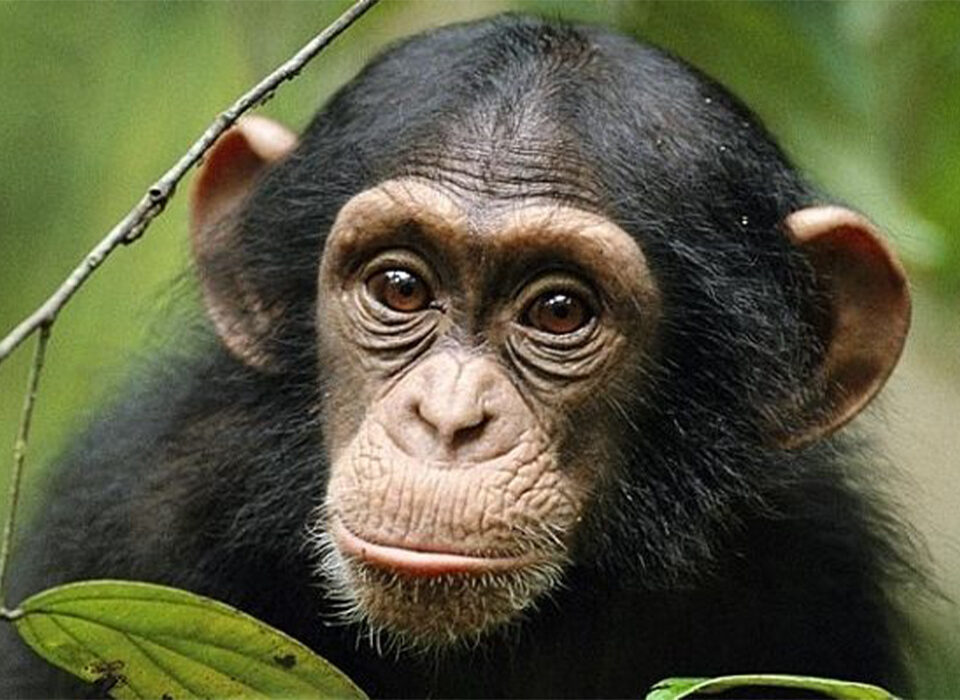
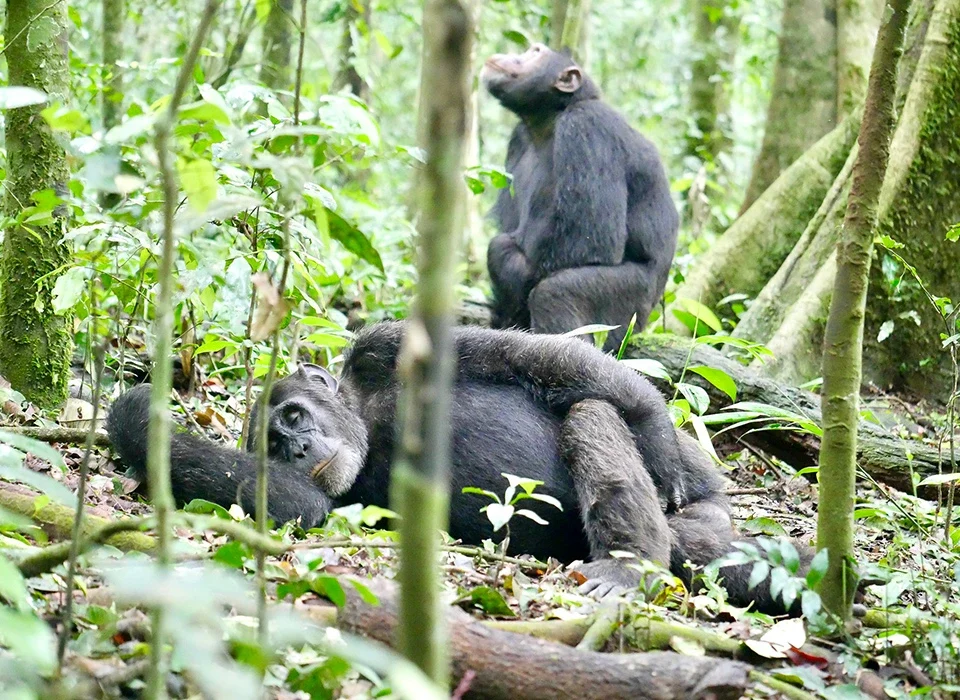
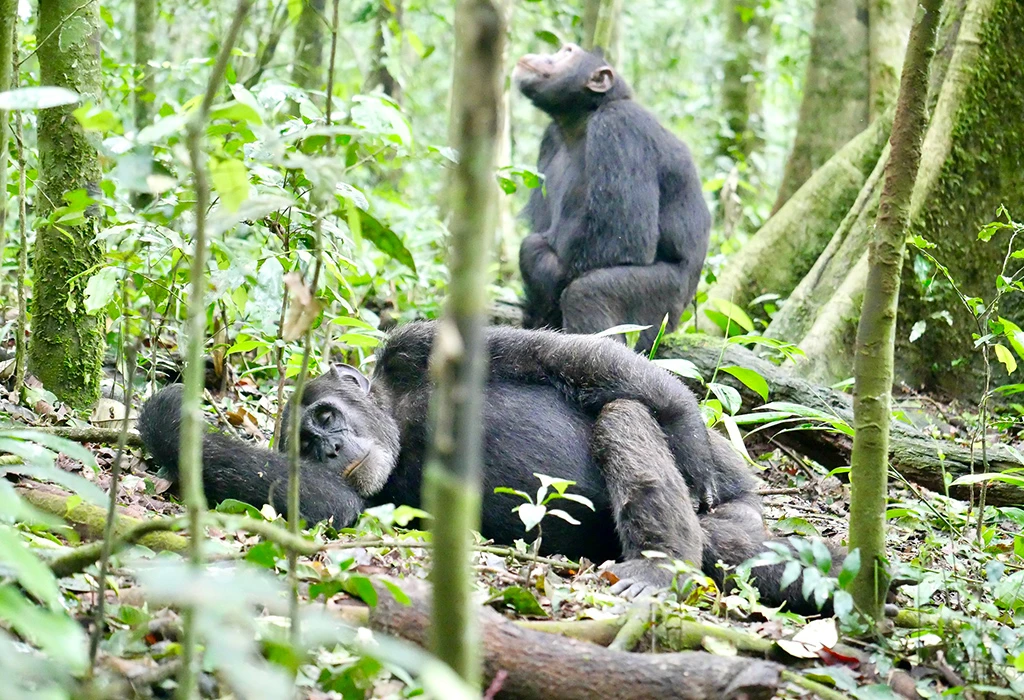
Chimpanzee trekking ranks among Rwanda’s most sought-after wildlife adventures. Nyungwe Forest is home to approximately 500 chimpanzees, with two habituated communities available for guided trekking.
One habituated group inhabits the main Nyungwe Forest, while another lives in the nearby Cyamudongo Forest, a smaller but biologically rich forest patch located on the eastern side of the park.

Trekkers begin their adventure early in the morning from one of three reception centers: Uwinka, Kitabi, or Gisakura. After registration and a comprehensive briefing, experienced ranger guides lead visitors into the forest in search of the chimpanzees.
Before guests enter the forest, advance trackers locate the chimpanzee groups and communicate their position to the guides. This coordinated effort greatly increases the chances of successful sightings.
Once visitors find the chimpanzees, they spend up to one hour observing them in their natural habitat. During this time, the chimpanzees feed, groom one another, build nests, communicate through loud vocalizations, and interact socially. Their remarkable intelligence and human-like behavior captivate visitors, especially considering that chimpanzees share approximately 98 percent of their DNA with humans.
The larger habituated community in the main forest contains about sixty individuals but can sometimes be more challenging to locate because of the rugged terrain. Meanwhile, the Cyamudongo group consists of around thirty chimpanzees and generally offers more consistent sightings due to the smaller forest area.
Birdwatching in Nyungwe Forest
Nyungwe Forest National Park has earned international recognition as one of Rwanda’s Important Bird Areas, designated by BirdLife International. Bird enthusiasts from around the world visit the park specifically to search for rare Albertine Rift endemics and other forest specialists.
The dense rainforest, varied vegetation, wetlands, bamboo zones, and changing elevations create ideal habitats for hundreds of bird species throughout the year.
Experienced local bird guides understand the calls and behaviors of these species, helping visitors identify birds that might otherwise remain hidden in the thick foliage.
Exploring Nyungwe’s Birding Trails
Several forest trails provide exceptional birdwatching opportunities across the park.
The Bigugu Trail offers chances to observe the Red-collared Mountain Babbler and numerous Albertine Rift endemics while rewarding hikers with spectacular mountain views.
The Karamba Trail, located in a more open habitat, attracts species such as the Yellow-eyed Black Flycatcher alongside many woodland birds.
Around Gisakura, birdwatchers regularly search for the Kivu Ground Thrush, Mountain Masked Apalis, Regal Sunbird, and Short-tailed Warbler.
Meanwhile, the Kamiranzovu Trail passes through one of Rwanda’s largest wetlands, where visitors may encounter Grauer’s Swamp Warbler, Grey-crested Kakamega, and several other wetland specialists.
Each trail presents unique habitats and bird communities, making repeat visits rewarding for dedicated birders.
Best Time to Visit the Nyungwe Canopy Walk
Visitors can enjoy the canopy walk throughout the year. However, the dry seasons, typically from June to September and December to February, provide the most comfortable hiking conditions and clearer forest views.
During the rainy seasons, the forest becomes even greener and more vibrant. Although trails may become muddy, photographers often appreciate the dramatic mist that creates an enchanting rainforest atmosphere.
Regardless of when you visit, carrying sturdy hiking boots, a waterproof jacket, binoculars, insect repellent, drinking water, and a camera will make your experience more enjoyable.
Why the Nyungwe Canopy Walk Should Be on Your Rwanda Itinerary
The Nyungwe Canopy Walk offers far more than an adrenaline-filled adventure. It allows visitors to appreciate one of Africa’s oldest surviving rainforests while gaining a deeper understanding of its extraordinary biodiversity. From spectacular panoramic views and close encounters with playful primates to exceptional birdwatching opportunities and peaceful forest walks, every moment creates lasting memories.

When combined with chimpanzee trekking, nature walks, and birdwatching, the canopy walk becomes part of a complete rainforest experience that showcases a different side of Rwanda beyond its famous mountain gorillas.
At Experiya Tour Company, we design personalized Rwanda and East African safari experiences that match your interests, schedule, and budget. Whether you wish to explore Nyungwe Forest, trek mountain gorillas in Volcanoes National Park, enjoy wildlife safaris in Akagera National Park, or combine Rwanda with Uganda, Kenya, or Tanzania, our experienced team will help you plan a seamless and memorable adventure from start to finish.