The Role of Silverbacks in Gorilla Families
April 23, 2026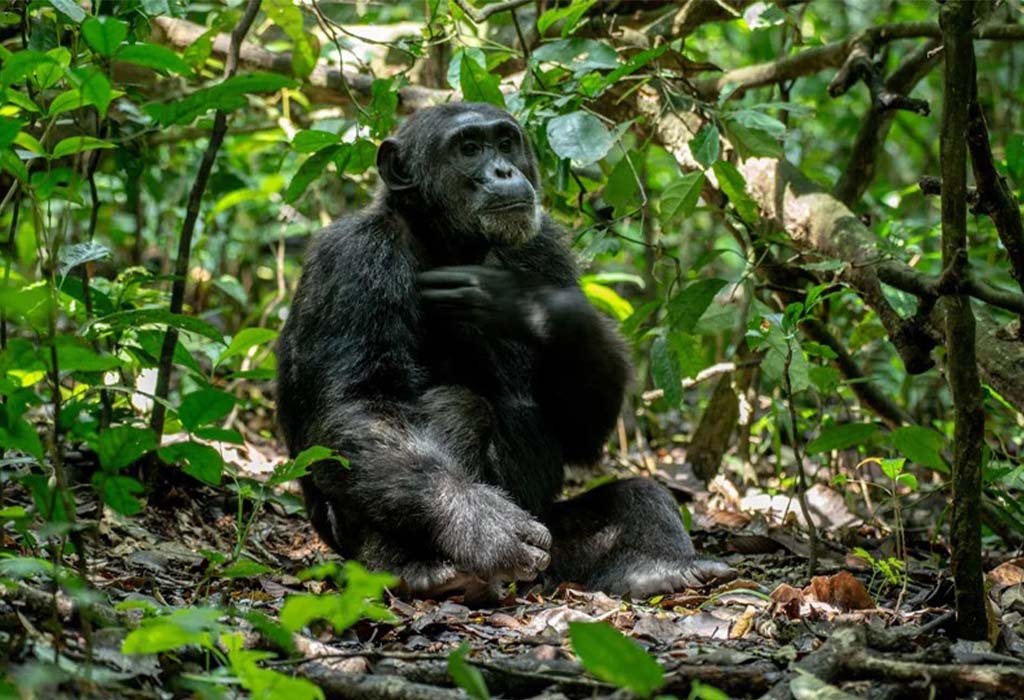
Uganda Chimpanzee Trekking for Beginners
April 23, 2026
Planning a chimpanzee trekking experience in Uganda or Rwanda is exciting, but it comes with details many travelers overlook. One of the most important is understanding exactly what your chimpanzee permit includes and what it does not. From my experience organizing and guiding these trips with Experiya Tour Company, this clarity makes all the difference between a smooth, well-prepared adventure and unexpected costs along the way.
Chimpanzee permits are not just entry tickets. They are carefully structured conservation tools designed to protect wildlife, support research, and uplift local communities. However, they do not cover every aspect of your journey. Knowing the difference helps you plan realistically and avoid surprises.
Understanding How the Permit System Works
Chimpanzee permits in Uganda and Rwanda follow a strict system built around conservation and sustainability. Over the years, wildlife authorities have refined this system to ensure tourism directly benefits chimpanzees and the people living near their habitats.
When you purchase a permit through Experiya Tour Company, you are contributing to a broader effort. The revenue supports park management, scientific research, anti-poaching operations, and community development. At the same time, it guarantees you a safe, guided, and educational wildlife experience.
Because chimpanzees are highly sensitive to human presence, authorities limit the number of daily permits. This controlled access protects their natural behavior while giving you a more intimate and meaningful encounter.
What Your Chimpanzee Permit Includes
Access to Habituated Chimpanzees
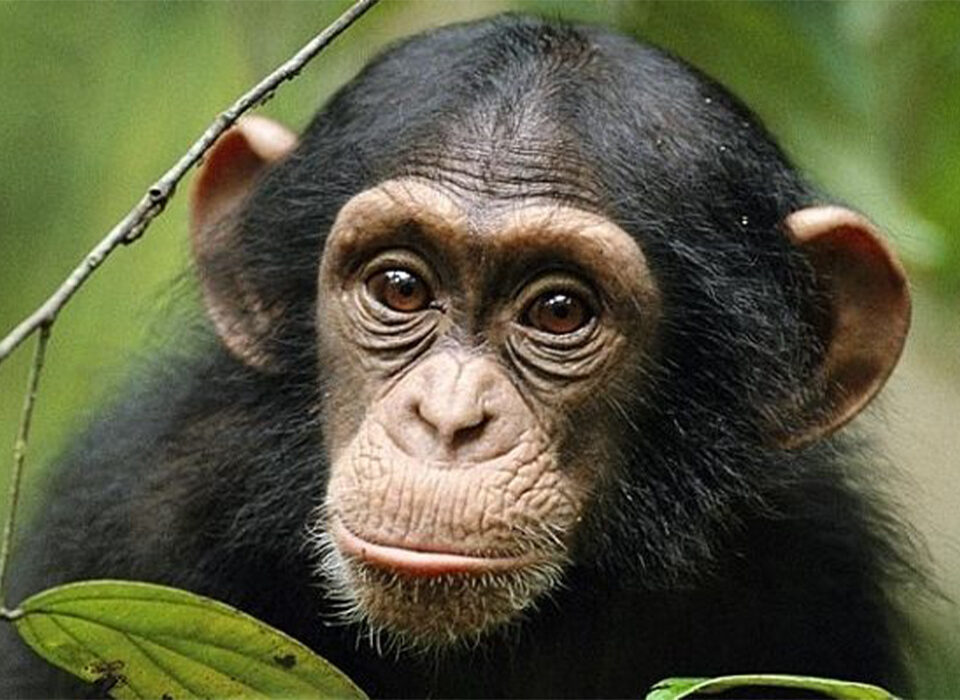
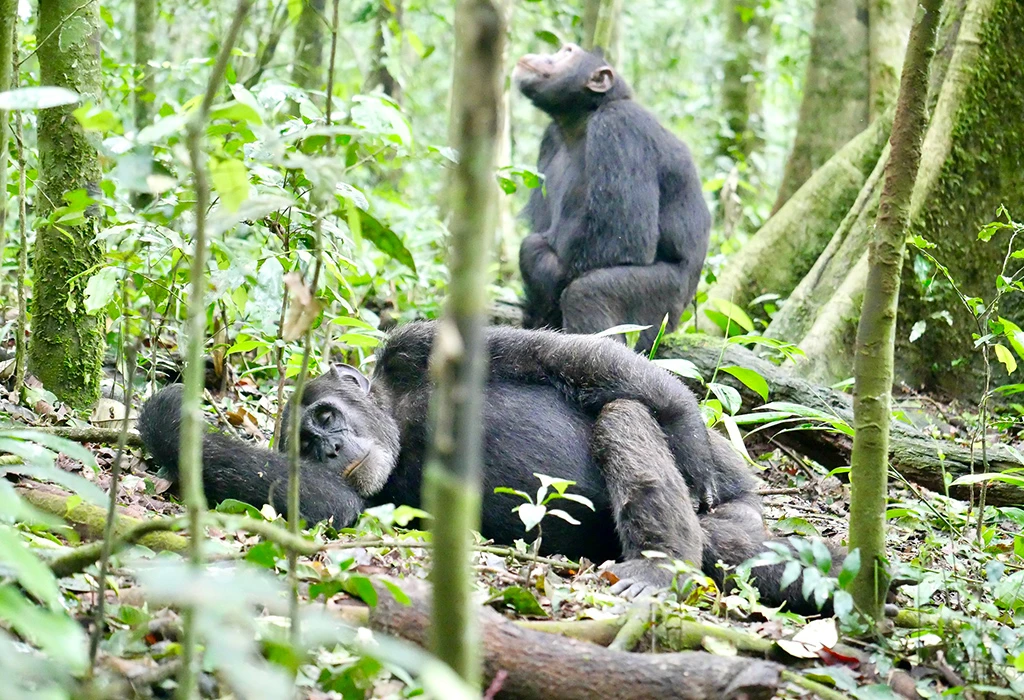
The most valuable part of your permit is the rare opportunity to spend time with a habituated chimpanzee group. Reaching this point takes years of careful work. Researchers and trackers spend up to three years gently introducing chimpanzees to human presence without disrupting their natural routines.
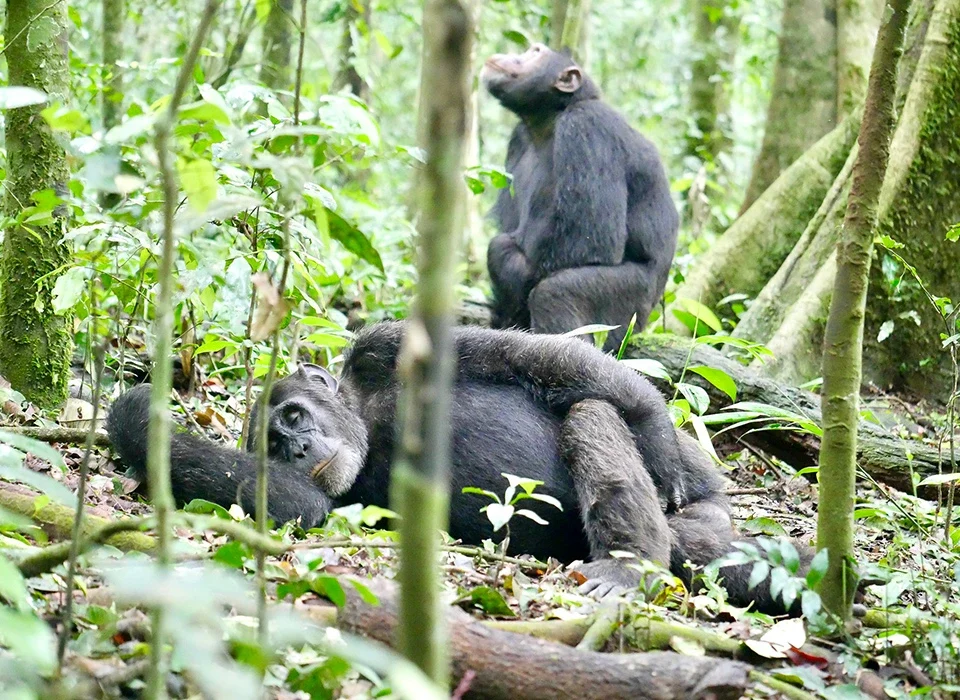
As a visitor, you benefit directly from this effort. Your permit allows you to track and observe a specific chimpanzee group. In most cases, you spend one hour with them, although habituation experiences can extend up to four or six hours.
From my own time in forests like Kibale, I can say no two encounters are ever the same. Some days, you find them feeding quietly in the canopy. Other days, they move fast, vocalizing loudly through the forest. Your guide helps you interpret every moment.
Park Entry and Administration
Your permit already covers park entrance fees, so you will not pay extra at the gate. This simplifies logistics and ensures a smooth entry process.
These fees support essential park operations, including infrastructure, trail maintenance, ranger stations, and visitor briefing areas. Without this funding, these protected areas could not function effectively.
Professional Ranger Guide
Every chimpanzee trek includes a trained ranger guide, and this is one of the most valuable parts of the experience. These guides know the forest intimately. They track chimpanzees daily, understand their behavior, and know how to position you for the best viewing opportunities.
During the trek, your guide does more than lead the way. They explain chimpanzee social structures, identify individual members, and share insights about the ecosystem. In many cases, they also connect conservation efforts with local culture, giving you a deeper understanding of the region.
Security and Safety Support
You will always be accompanied by armed rangers. While this may sound intense, it is a standard safety measure in East African parks.
These rangers protect both visitors and wildlife. They are trained to handle unexpected situations, whether it is navigating dense forests, managing wildlife encounters, or responding to emergencies. Their presence allows you to focus fully on the experience without worry.
Conservation and Research Funding
A significant portion of your permit fee goes directly into conservation. This includes funding for anti-poaching patrols, habitat protection, and ongoing scientific research.
Researchers use this funding to monitor chimpanzee populations, study their behavior, and track their health. This data plays a critical role in shaping conservation strategies across Africa.
When you join a trek organized by Experiya Tour Company, you are not just observing wildlife; you are actively contributing to its survival.
Community Support Programs
Another important inclusion is community development. Conservation only works when local communities benefit from it.
Permit revenue helps fund schools, healthcare programs, and job opportunities in surrounding areas. It also supports training for local guides and porters, creating sustainable livelihoods linked to tourism.
From experience, you can see this impact clearly. Many of the people you meet, guides, lodge staff, and porters, are direct beneficiaries of these programs.
What Your Permit Does NOT Include
Accommodation
Your permit does not cover where you stay. Accommodation ranges from budget guesthouses to luxury lodges, depending on your preferences.
Through Experiya Tour Company, we help travelers choose options that match both comfort and budget. Still, this remains a separate cost you must plan for.
Transportation
Getting to chimpanzee destinations like Kibale Forest or Nyungwe requires additional planning. Transport costs vary depending on whether you choose private vehicles, group tours, or domestic flights.
Some locations also require specialized vehicles or even boat transfers. These logistics are not part of the permit fee.
Meals and Drinks
Food and beverages are also excluded. Most lodges offer meal packages, which can simplify your planning. However, these come at an additional cost.
If you have specific dietary needs, it is best to arrange this in advance.
Tips and Gratuities
Tipping is customary across East Africa. Guides, porters, and drivers all rely on gratuities as part of their income.
While not mandatory, it is expected. From experience, small tips go a long way in showing appreciation for the effort these teams put into your experience.
Porter Services
Hiring a porter is optional but highly recommended, especially if you carry cameras or heavy gear. Porters assist with bags and provide support during challenging sections of the trek.
This service comes at an extra cost, but many travelers find it well worth it.
Personal Expenses
Finally, personal spending is not included. This covers souvenirs, extra snacks, drinks, and any additional activities such as cultural visits or bird watching.
These small expenses can add up, so it is wise to budget for them in advance.
Final Thoughts
Chimpanzee Permit Inclusions and Exclusions can seem complex at first, but once you understand them, planning becomes much easier. The permit itself offers incredible value. It gives you access to one of the most intimate wildlife encounters on earth while directly supporting conservation and communities.
At the same time, it is not an all-inclusive package. You need to plan for accommodation, transport, meals, and other extras.
From what I have seen working closely with Experiya Tour Company, travelers who understand this upfront enjoy their experience far more. They arrive prepared, relaxed, and ready to fully immerse themselves in the forest.
In the end, chimpanzee trekking is not just about seeing wildlife. It is about being part of something bigger, protecting a species, supporting communities, and experiencing nature in its purest form.