Gorilla Safari in Uganda During the Rainy Season
October 1, 2026
How Long Does Gorilla Trekking Take in Uganda and Rwanda?
October 1, 2026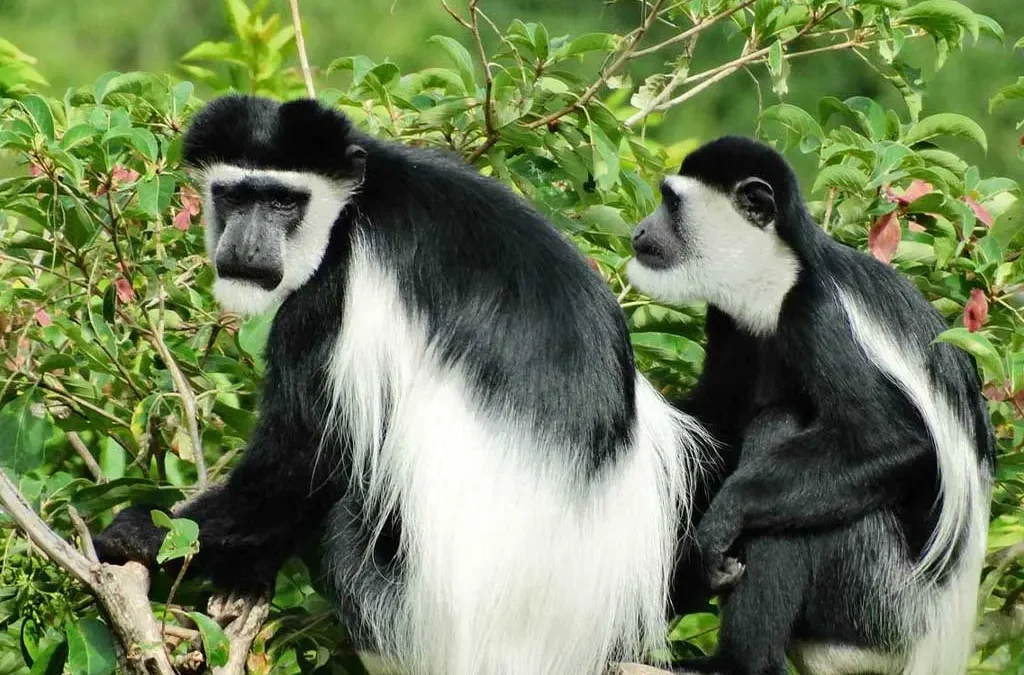
Uganda, widely known as the Pearl of Africa, offers exceptional opportunities for primate filming. Its tropical forests, mountains, wetlands, and protected areas provide natural settings for filming mountain gorillas, chimpanzees, golden monkeys, colobus monkeys, and other primate species.
For filmmakers, Uganda offers more than spectacular wildlife. The country also provides diverse landscapes that can add depth to documentaries, conservation stories, television productions, photography projects, and research films. A single production can move from the misty forests of Bwindi to the chimpanzee-rich forests of Kibale and the broader ecosystems around Murchison Falls.
However, successful wildlife filming requires careful preparation. Production teams need to understand filming permissions, park regulations, equipment requirements, transport, accommodation, and the practical challenges of working in forest environments.
Experiya Tour Company helps production teams organize wildlife filming in Uganda, including filming permission assistance, location planning, local coordination, transport, accommodation, and other logistical services.
Whether your goal is to document gorilla conservation, capture chimpanzee behavior, or tell a wider story about Uganda’s primates, choosing the right location is an important first step.
Uganda’s Most Popular Primate Filming Locations
Uganda is home to an impressive range of primates. However, each filming destination has its own environment, accessibility, wildlife species, and logistical considerations.
Your choice should therefore begin with the story you want to tell. A production focusing on mountain gorilla conservation will require a different location and filming approach from a documentary about chimpanzee communication or forest ecology.
Some of the main primate filming locations in Uganda include:
- Bwindi Impenetrable National Park
- Mgahinga Gorilla National Park
- Kibale National Park
- Budongo Forest
- Kalinzu Forest
These destinations can provide different perspectives on primate behavior, conservation, forest ecosystems, and the relationship between wildlife and surrounding communities.
Bwindi Impenetrable National Park: Film Mountain Gorillas
Bwindi Impenetrable National Park is one of Uganda’s most important destinations for gorilla filming. Located in the country’s southwestern highlands, the park protects an ancient rainforest that provides a dramatic setting for wildlife documentaries and conservation productions.
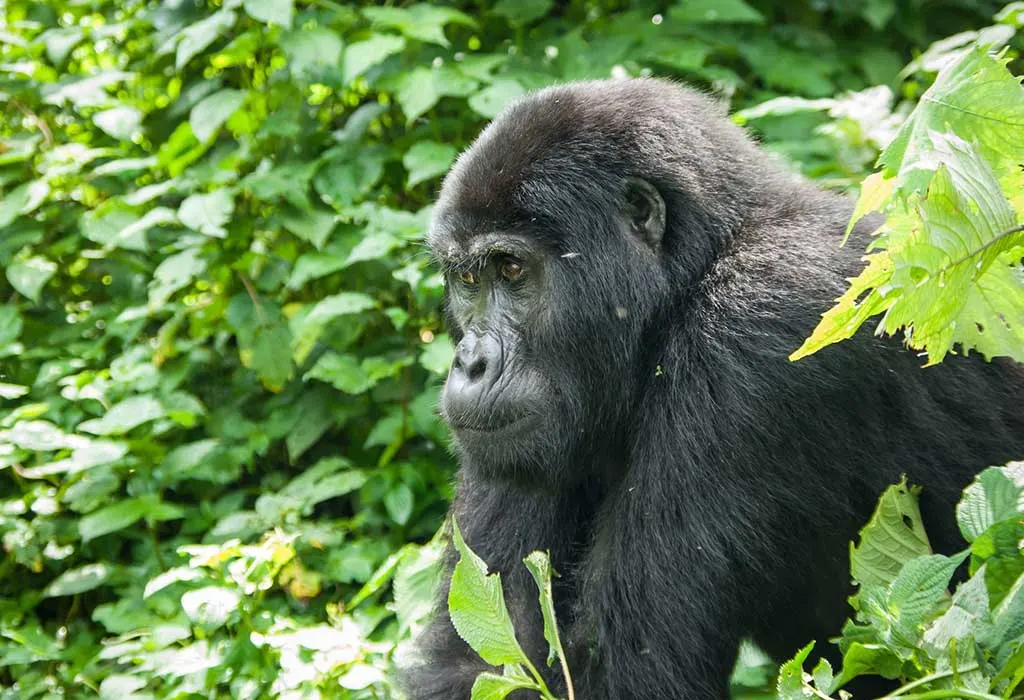
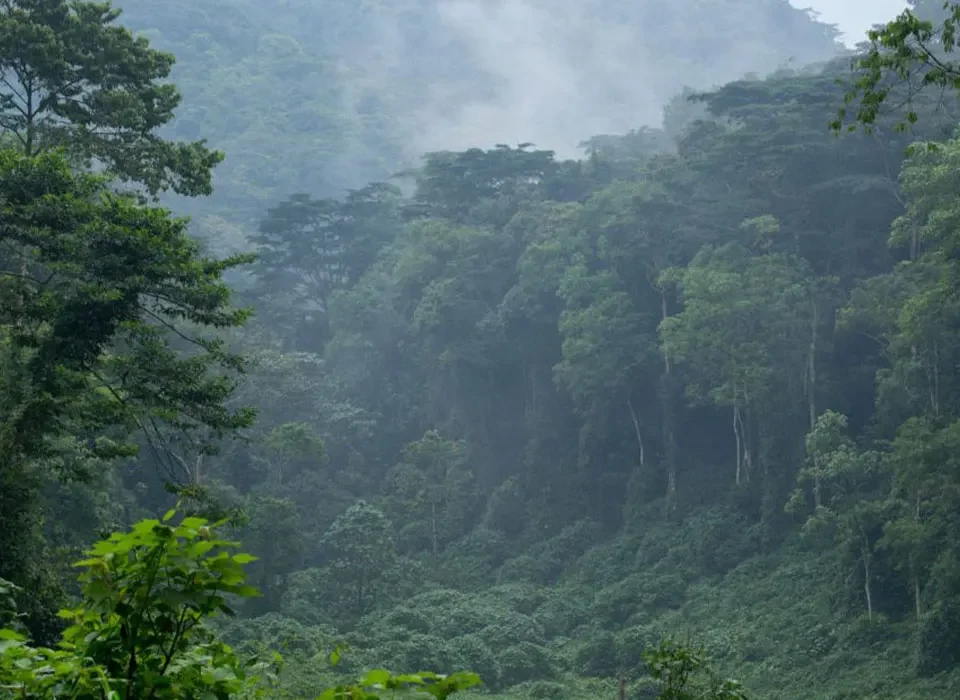
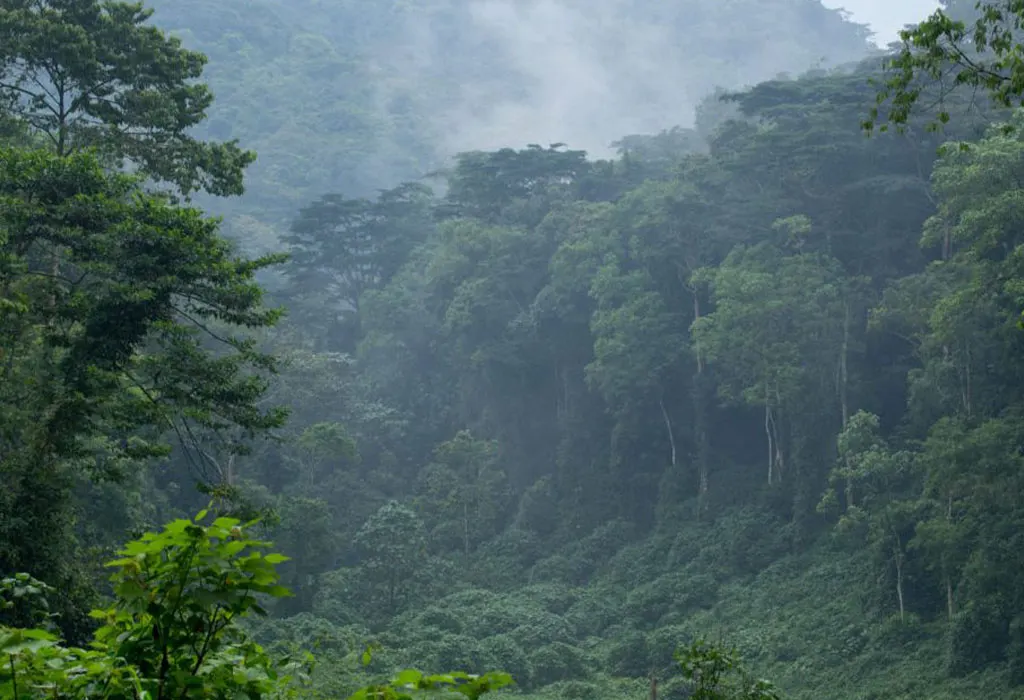
The dense vegetation, steep slopes, mist, and towering trees create a distinctive visual environment. At the same time, mountain gorillas offer filmmakers an opportunity to explore subjects such as family relationships, social behavior, conservation, habitat protection, and the connection between local communities and gorilla tourism.
Bwindi has four main gorilla trekking regions:
- Buhoma
- Ruhija
- Rushaga
- Nkuringo
Each sector has its own terrain and character. The most appropriate area for a filming project depends on the objectives of the production, current wildlife management arrangements, accessibility, and the permissions available at the time.
Before arriving, production teams should clearly define what they want to film. A conservation documentary may require extensive planning around local communities and protected-area management, while a wildlife production may focus more closely on gorilla behavior.
Experiya Tour Company can help production teams coordinate gorilla-related arrangements, accommodation, transport, local support, and the relevant permission process.
Mgahinga Gorilla National Park: Mountain Gorillas and Golden Monkeys
Mgahinga Gorilla National Park offers another important setting for primate filming in Uganda. Located in the southwestern corner of the country, the park forms part of the larger Virunga landscape and protects mountain gorillas, golden monkeys, and other forest species.
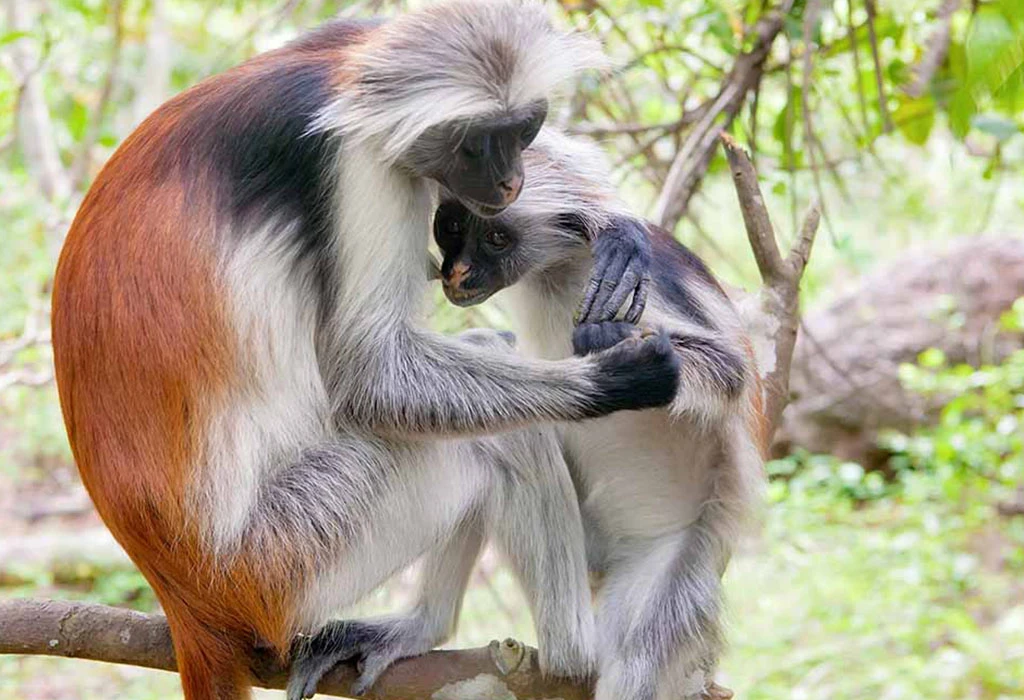
One of the park’s most distinctive filming subjects is the golden monkey. These striking primates are associated with the Albertine Rift and live in the bamboo and montane forests of the region.
Golden monkey behavior can provide excellent material for documentaries focusing on primate ecology, forest habitats, conservation, and biodiversity.
Mgahinga also provides opportunities to film mountain gorillas. However, wildlife movements and filming arrangements can change, so production teams should confirm the current requirements before finalizing their schedules.
The mountainous terrain also requires proper preparation. Crews may encounter steep trails, slippery ground, rain, mist, and changing temperatures.
Experiya Tour Company can assist with transport, accommodation, local coordination, and planning for crews working in this challenging but visually rewarding environment.
Kibale National Park: A Leading Chimpanzee Filming Destination
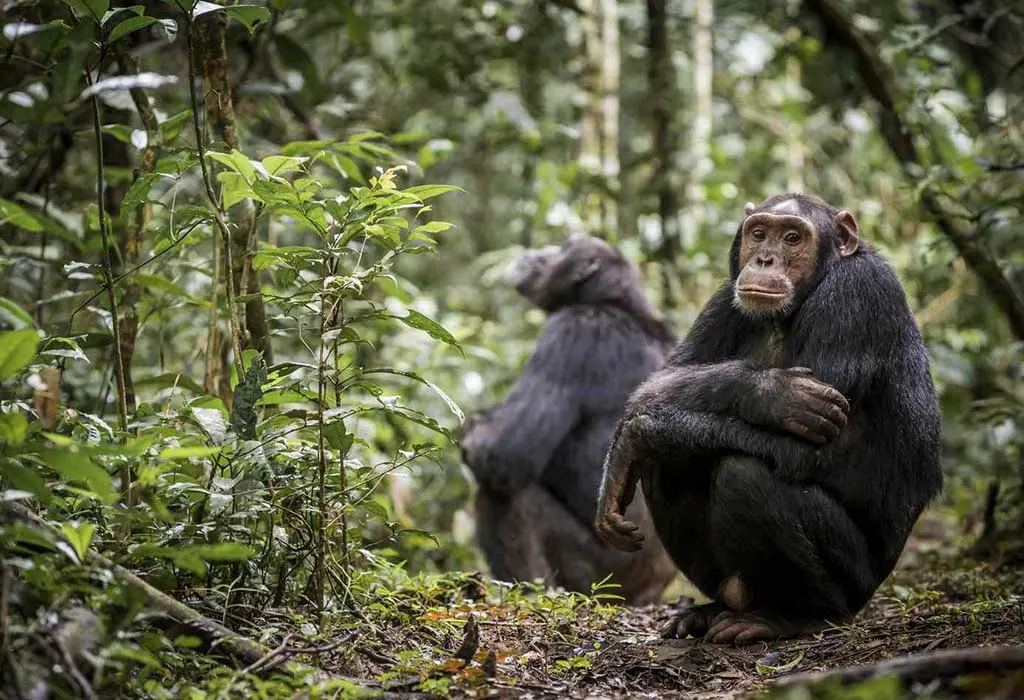
For teams interested in chimpanzee filming in Uganda, Kibale National Park is one of the most important destinations to consider.
The park protects extensive tropical forest and supports a significant population of chimpanzees alongside several other primate species. Its forests provide opportunities to document chimpanzee communication, feeding, movement, social relationships, parenting, and interactions with their environment.
Kibale is also valuable for productions that want to tell a broader story about tropical forest biodiversity. While following chimpanzees, filmmakers may encounter other primates and a variety of forest wildlife.
Filming inside a protected area requires careful coordination. Production teams should obtain the appropriate authorization before beginning their work and should clearly communicate their objectives, dates, locations, equipment, and crew requirements.
A well-prepared production plan can also help reduce unnecessary delays once the team arrives.
Experiya Tour Company can assist with the planning process and coordinate practical arrangements such as transport, accommodation, local guides, permits, and other services required for a filming expedition.
Budongo Forest: Chimpanzees in the Murchison Falls Landscape
Budongo Forest provides another fascinating opportunity for filming primates in Uganda. The forest lies within the wider Murchison Falls Conservation Area and contains important chimpanzee habitat.
For documentary makers, Budongo offers a different visual experience from the highland forests of southwestern Uganda. Tall trees, dense vegetation, natural forest sounds, and changing light can create compelling footage.
The forest is particularly suitable for stories about chimpanzees, forest ecology, research, and conservation. Productions can also explore the relationship between primates and their wider habitat.
Because different authorities and protected areas may have specific requirements, crews should confirm the applicable permissions before filming. This is especially important when a project involves professional equipment, commercial production, or extended filming periods.
If your itinerary also includes chimpanzee activities in areas such as Kaniyo Pabidi, your local operator can help you establish which arrangements apply to each location.
Experiya Tour Company can coordinate transport, accommodation, local assistance, and other logistical requirements for teams filming in the Budongo area.
Kalinzu Forest: A Natural Setting for Chimpanzee Documentaries
Kalinzu Forest is another worthwhile option for chimpanzee filming in Uganda. Located in southwestern Uganda, the forest provides a natural environment for productions interested in chimpanzees and tropical forest ecosystems.
Its location can also make it practical for teams combining primate filming with other attractions in the region. Depending on the production schedule, a crew may combine Kalinzu with Queen Elizabeth National Park, Bwindi Impenetrable National Park, or other destinations.
Kalinzu can work particularly well for productions that want to explore the connection between chimpanzees and their forest environment. Instead of focusing only on individual animals, filmmakers can build a wider story around habitat, biodiversity, research, and conservation.
As with other filming locations, teams should arrange the appropriate authorization before filming. Requirements can depend on the type of project, location, duration, crew size, and equipment.
Experiya Tour Company can help coordinate local logistics, accommodation, transportation, and communication with relevant stakeholders.
What You Need to Film Primates in Uganda
Once you select your preferred filming location, careful preparation becomes essential. Wildlife production rarely follows the same schedule as ordinary tourism because animals move according to their own behavior and environmental conditions.
Before travelling, your production team should prepare important information such as:
- The purpose and subject of the production.
- Proposed filming dates and locations.
- Number of crew members.
- Cameras and other equipment.
- Expected duration of the project.
- Transport and accommodation requirements.
- Any special filming or conservation considerations.
Depending on the location and nature of the production, you may need authorization from the relevant wildlife or forest management authorities. Commercial productions may also have additional requirements compared with ordinary visitors.
Press accreditation or other media documentation may apply to certain productions. Equipment clearance should also be considered when bringing professional cameras, drones, lighting equipment, sound equipment, or other specialized gear into the country.
Most importantly, filmmakers should follow all wildlife viewing and filming guidelines. Primates can become stressed by excessive noise, sudden movements, close approaches, or inappropriate human behavior.
Practical Tips for Wildlife Filming in Uganda
Good preparation can make a significant difference to the quality of your footage and the overall production experience.
First, allow enough time in your schedule. Wildlife does not operate according to a fixed timetable, and weather or animal movements can affect filming opportunities.
Second, prepare for wet and muddy conditions, particularly in rainforest environments. Protective covers for cameras and other equipment can be extremely useful.
Third, use suitable clothing and footwear. Forest trails can become slippery, while steep terrain can make carrying heavy equipment physically demanding.
It is also helpful to keep equipment organized and lightweight where possible. Large crews and excessive equipment can make movement through dense forests more difficult.
Finally, work closely with local guides and authorized personnel. Their knowledge of the terrain, wildlife behavior, access routes, and local conditions can help your team work more efficiently.
Plan Your Primate Filming Expedition with Experiya Tour Company
Uganda provides a remarkable range of opportunities for primate filming. From mountain gorillas in Bwindi and Mgahinga to chimpanzees in Kibale, Budongo, and Kalinzu, each destination can support a different story.
The best filming location depends on your target species, production objectives, preferred landscapes, filming duration, and logistical requirements.
At Experiya Tour Company, we help production teams prepare for filming expeditions in Uganda. Our support can include filming permission assistance, permit arrangements, location planning, local fixer coordination, transport, accommodation, and other production logistics.
Whether you are producing a wildlife documentary, conservation film, television program, research project, or professional photography assignment, early planning can help your team avoid unnecessary complications.
Uganda’s forests offer extraordinary stories. With the right preparation, respectful wildlife practices, and reliable local coordination, your production can capture these stories while supporting responsible tourism and conservation.
Frequently Asked Questions About Primate Filming in Uganda
What is the best place for primate filming in Uganda?
The best location depends on the species and story you want to document. Bwindi and Mgahinga are important for mountain gorillas, while Kibale, Budongo, and Kalinzu provide opportunities for chimpanzee-focused productions.
Can I film mountain gorillas in Uganda?
Yes, professional filming involving mountain gorillas can be arranged, but production teams need to follow the applicable wildlife regulations and obtain the required permissions. Filming conditions should be confirmed before travel because requirements can change.
Can I film chimpanzees in Uganda?
Yes. Kibale National Park, Budongo Forest, and Kalinzu Forest are among the destinations associated with chimpanzee filming. The relevant permissions and filming arrangements depend on the location and nature of the production.
Do I need permission to film wildlife in Uganda?
Professional or commercial wildlife filming generally requires appropriate authorization. The exact requirements depend on the filming location, purpose, equipment, duration, and type of production.
How far in advance should I plan a filming expedition?
It is advisable to begin planning well before the intended filming dates. Early preparation gives your team more time to handle permissions, accommodation, transport, equipment requirements, and other production arrangements.
Can Experiya Tour Company help with filming logistics?
Yes. Experiya Tour Company can assist production teams with filming-related planning, permission coordination, transport, accommodation, location arrangements, local support, and other logistical requirements.
What should I bring for primate filming in Uganda?
Your equipment will depend on the production, but rainforest filming generally requires suitable camera protection, spare batteries, appropriate clothing, sturdy footwear, rain protection, and equipment suitable for humid and wet conditions.
Is Uganda suitable for wildlife documentaries?
Uganda offers diverse environments and a wide range of primate species, making it suitable for documentaries covering wildlife behavior, conservation, biodiversity, forests, and community-related stories. Careful planning is essential for a successful production.